A room can have beautiful flooring, thoughtfully chosen paint, and furniture you love, yet still feel unfinished when the windows are bare. Woven wood shades bring the warmth and texture that many Northern Virginia homes are missing. But a woven wood shades review should be more than a collection of pretty photos. These shades have real strengths, a few meaningful limitations, and a much better result when they are selected and installed for the specific window, room, and lifestyle.
Made from natural materials such as bamboo, reeds, grasses, and jute, woven wood shades offer an organic, tailored look that standard fabric roller shades and vinyl blinds cannot replicate. They can soften a formal dining room in McLean, add relaxed polish to a Reston family room, or make a bright Ashburn kitchen feel more grounded. The question is whether their beauty aligns with the privacy, light control, and maintenance your space requires.
Woven Wood Shades Review: The Look and Feel
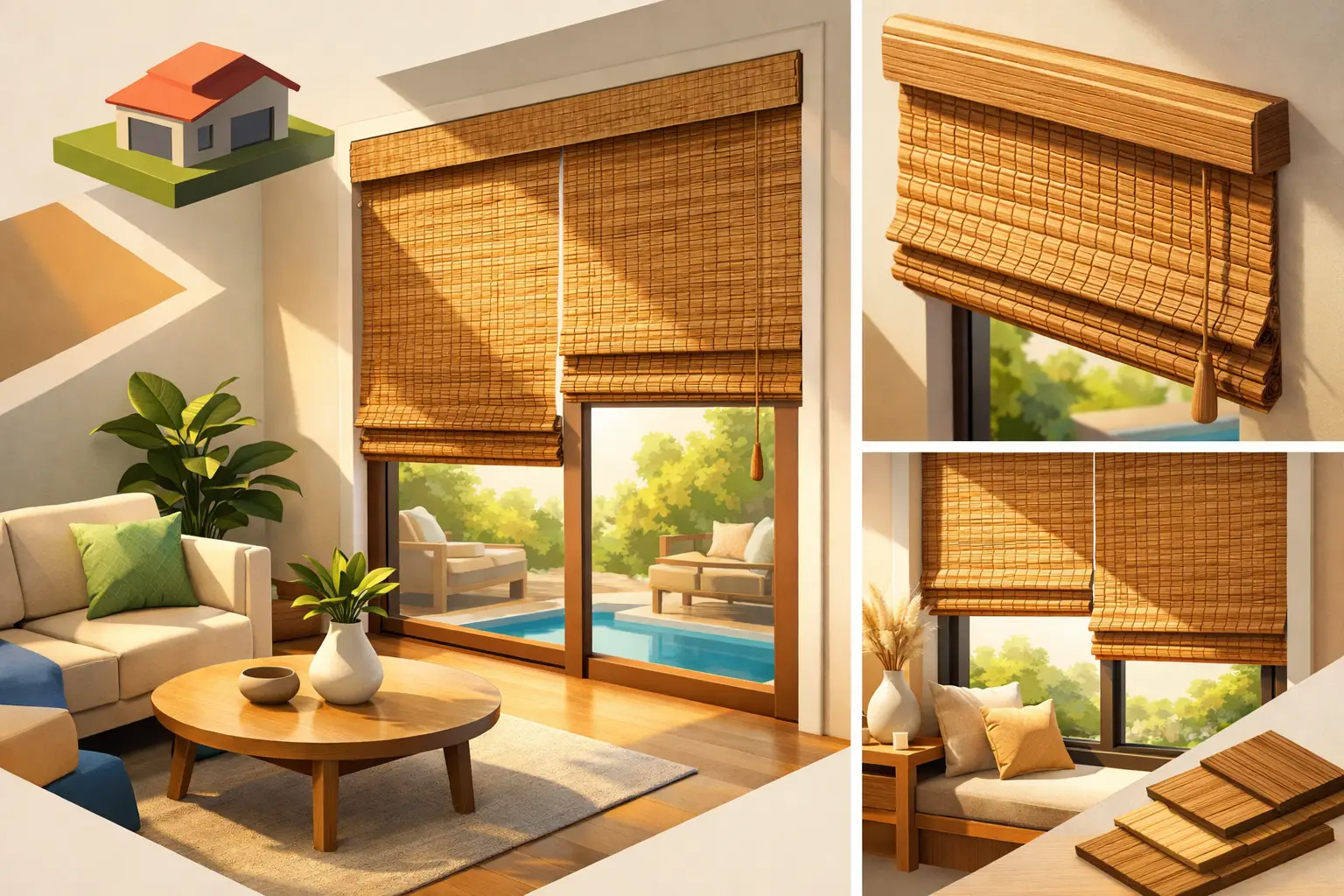
The defining advantage of woven wood shades is texture. Each weave has natural variation in color, thickness, and pattern, which creates depth at the window without making the room feel busy. They work especially well with transitional, coastal, modern organic, traditional, and farmhouse-inspired interiors. In a home with white walls and clean-lined furnishings, the shade can supply the visual warmth that keeps the space from looking flat.
Unlike a uniform synthetic shade, natural woven materials are not meant to look identical from one panel to another. That variation is part of their character. Homeowners who want every window treatment to be perfectly consistent may prefer a fabric shade or painted plantation shutter. Those who appreciate craftsmanship and an intentionally layered design often find woven wood to be the more memorable choice.
Color options range from pale, airy grasses to medium honey tones and deeper stained finishes. The right selection depends on what else is happening in the room. A lighter weave can keep a low-contrast, calm palette feeling open. A darker weave can frame large windows and create definition in a spacious great room. During an in-home consultation, seeing samples against your wall color, trim, flooring, and daylight makes this decision much easier than choosing from a screen.
How Much Light and Privacy Do They Provide?
This is where expectations matter. An unlined woven wood shade filters light rather than completely blocking it. Tiny openings within the weave allow sunlight to pass through, often creating a beautiful dappled effect. That is ideal when you want to reduce glare while preserving a bright, natural atmosphere.
It is not ideal for every room. At night, an unlined shade may allow silhouettes and interior light to be visible from outside, depending on the weave and the proximity of neighboring homes. For street-facing windows, bedrooms, bathrooms, and homes in close-knit neighborhoods, a privacy liner is usually the better choice.
A liner changes the performance substantially. A standard privacy liner limits visibility and softens incoming light, while a blackout liner provides stronger room darkening. Blackout-lined woven shades are a popular option for bedrooms and media rooms because they retain the natural front-facing texture while addressing the practical need for darkness. Still, “blackout” does not always mean total darkness. Light can appear around the edges of an inside-mounted shade, particularly on large or deeply recessed windows.
For maximum sleep-friendly darkness, a designer may recommend an outside mount, side panels, or a layered treatment. The best approach depends on the window trim, the room’s architecture, and how sensitive you are to early morning light.
Where Woven Wood Shades Work Best
Woven wood shades are remarkably versatile, but they are not a universal solution. They tend to shine in living rooms, dining rooms, home offices, sunrooms, bedrooms with liners, and kitchens that have reasonable distance from heavy splashing. Their natural finish adds warmth to rooms with stone, painted cabinetry, metal accents, or contemporary furnishings.
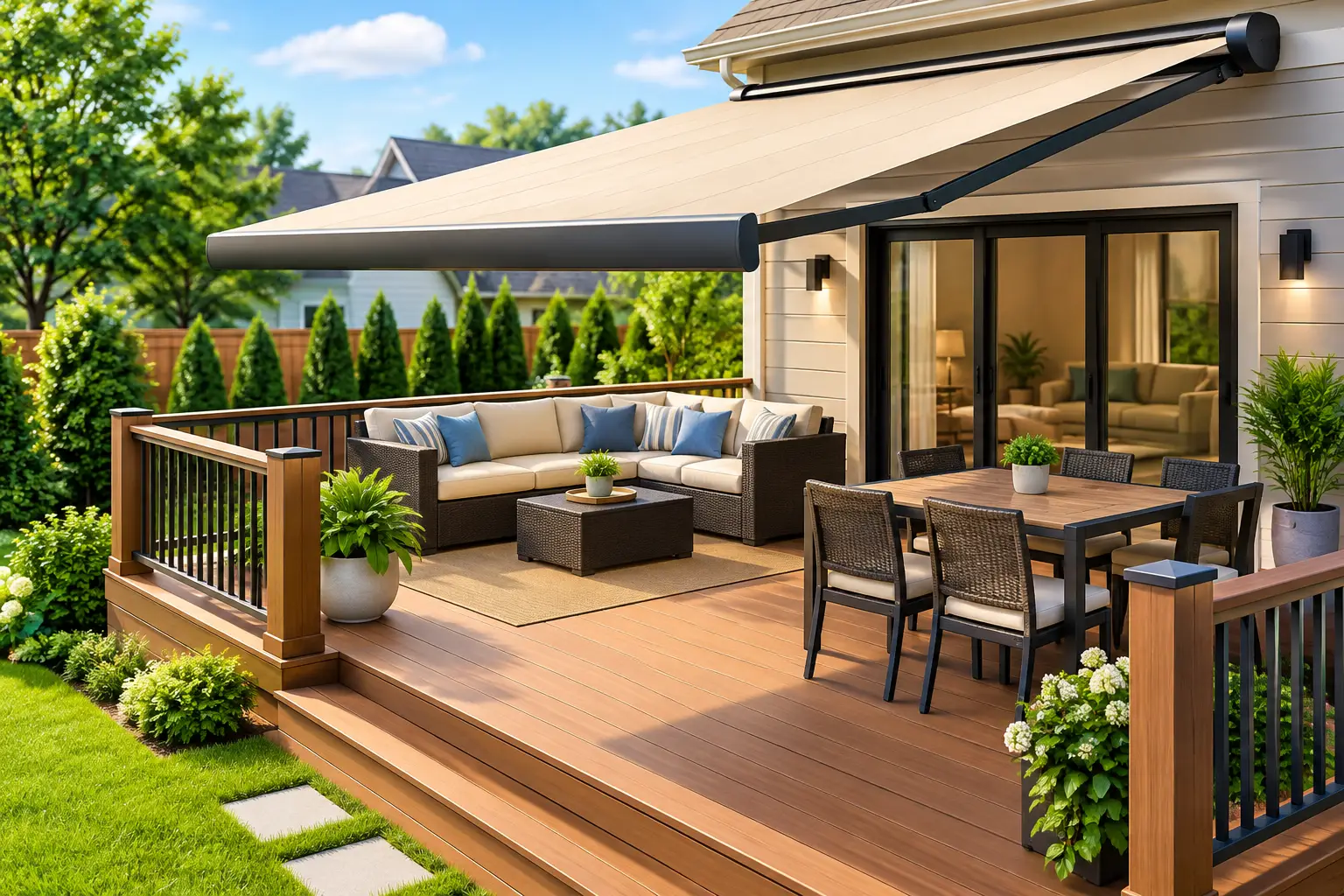
They can also be a smart answer for expansive windows. A large wall of glass can feel cold or overly exposed when fitted with minimal treatments. Woven shades make the architecture feel more intentional without the visual weight of full drapery. Adding stationary drapery panels can elevate the look further, improve edge coverage, and bring softness to tall or dramatic windows.
Bathrooms, laundry rooms, and high-humidity areas require more caution. Natural fibers can react to prolonged moisture, and frequent exposure to steam may affect their appearance over time. A bathroom with excellent ventilation and a window away from the shower may be fine. For a shower-adjacent window or a damp basement, faux wood, composite shutters, or moisture-resistant roller shades are generally the more dependable choice.
The Trade-Offs Homeowners Should Know
No honest woven wood shades review should treat them as maintenance-free or universally affordable. Natural materials have a higher-end appearance, but custom sizing, liners, specialty weaves, and motorization can raise the investment. The final price is shaped by window size, lift system, lining, mounting method, and whether the shade is paired with draperies.
Their edges and weave may also look less rigidly uniform than a cellular or roller shade. That is intentional, not a defect, but it is worth seeing in person before ordering. Natural woven shades are about texture and character, not the crisp, engineered symmetry of aluminum blinds.
Cleaning is straightforward but should be gentle. Regular light dusting with a soft brush attachment or microfiber cloth is usually enough. Avoid soaking the material or using harsh cleaners. If a stain occurs, the safest method depends on the specific weave and liner, which is another reason professional guidance matters before a product is selected for a high-traffic household.
Finally, consider lift style. Cordless shades create a cleaner appearance and are a wise choice in homes with children and pets. Motorization adds convenience for tall windows, wide openings, or hard-to-reach locations above a tub, staircase, or kitchen sink. For a home with many shades, programmable control can make daily privacy and light management feel effortless rather than repetitive.
Custom Installation Makes a Noticeable Difference
Woven materials make measuring and mounting especially important. An inside mount needs enough depth for the chosen shade and liner, while an outside mount must be sized to provide the coverage you want. A shade that is even slightly undersized can leave distracting gaps and make an otherwise beautiful window treatment feel like an online-order compromise.
Professional measurement also catches the details homeowners may not notice: uneven window openings, projecting trim, shallow depth, handles that interfere with operation, and windows that need a different mounting strategy than their neighbors. Large shades need properly placed brackets and the correct product construction to operate smoothly over time.
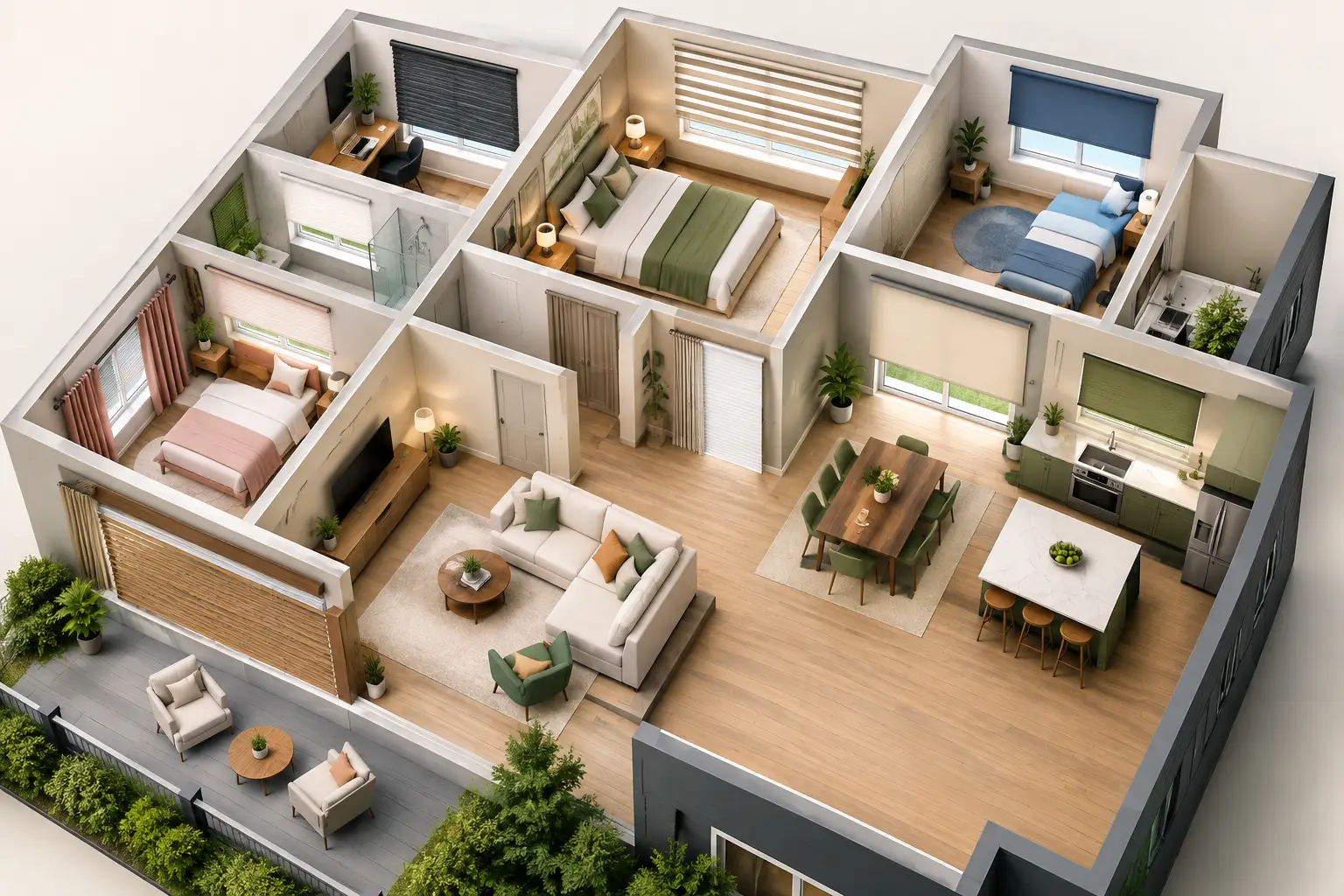
This is where a custom approach earns its value. Rather than forcing one shade solution across every window, the design can be coordinated while still accounting for different privacy needs. Your main living area may use light-filtering woven shades, while bedrooms use the same collection with blackout liners. The home feels cohesive, but each room functions as it should.
Are Woven Wood Shades Worth It?
For homeowners who want warmth, texture, and a more collected interior, woven wood shades are often worth the investment. They offer a level of visual richness that basic blinds rarely achieve, and they can be tailored with liners, edge binding, motorization, and layered drapery for a more polished result.
They may not be the right first choice if your highest priority is total privacy without a liner, extremely precise uniformity, or moisture resistance in a wet area. In those cases, another shade or shutter material may serve the room better. Good design is not about choosing the trendiest option. It is about choosing the treatment that looks beautiful on day one and works well every day after.
At Covering Windows, an in-home consultation lets you compare real woven wood samples in your own light, discuss the right liner and operating system, and see how the finished treatment can support the way your home actually lives. The most satisfying choice is usually the one that gives your windows both the texture you want and the performance you will continue to appreciate long after installation.