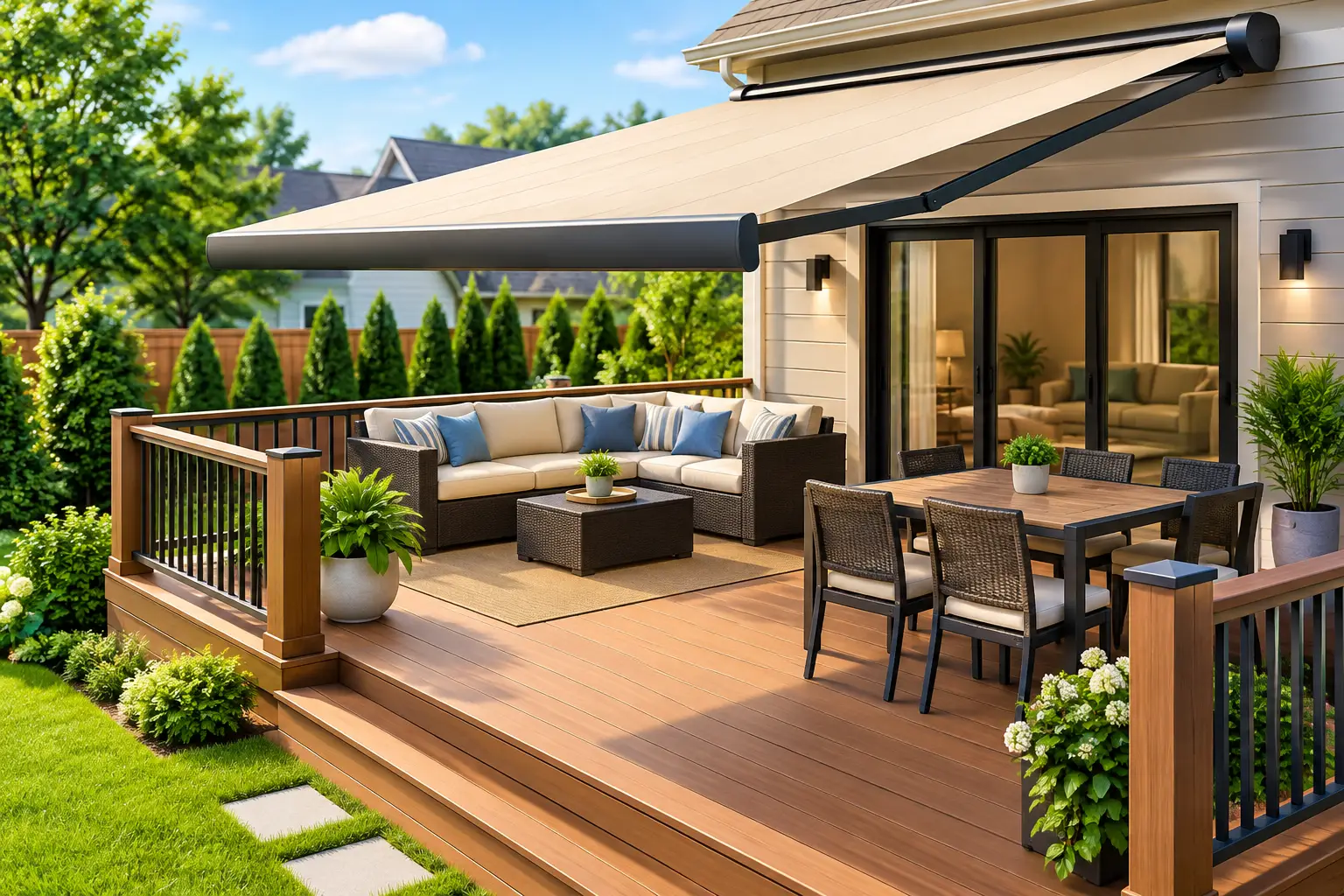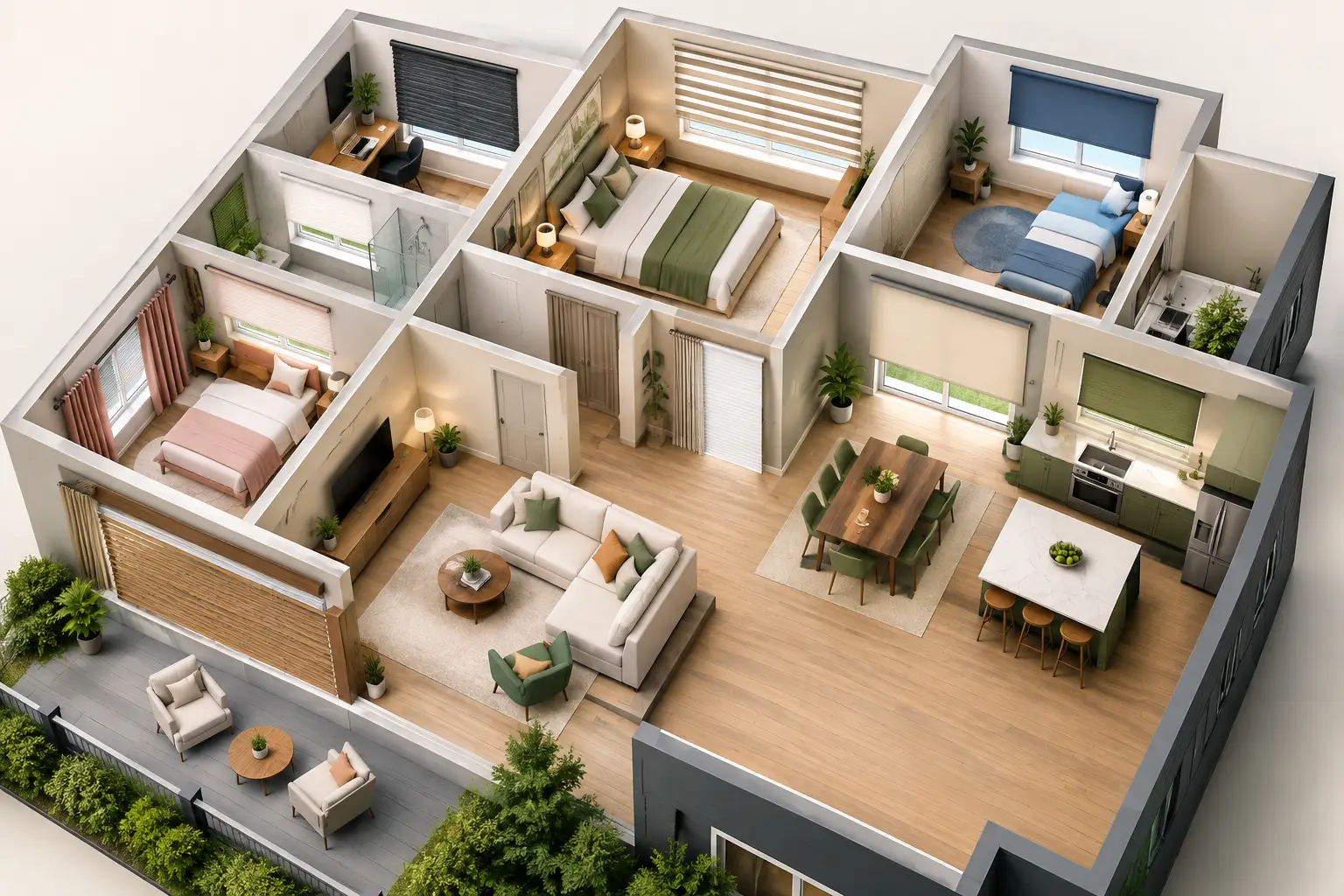
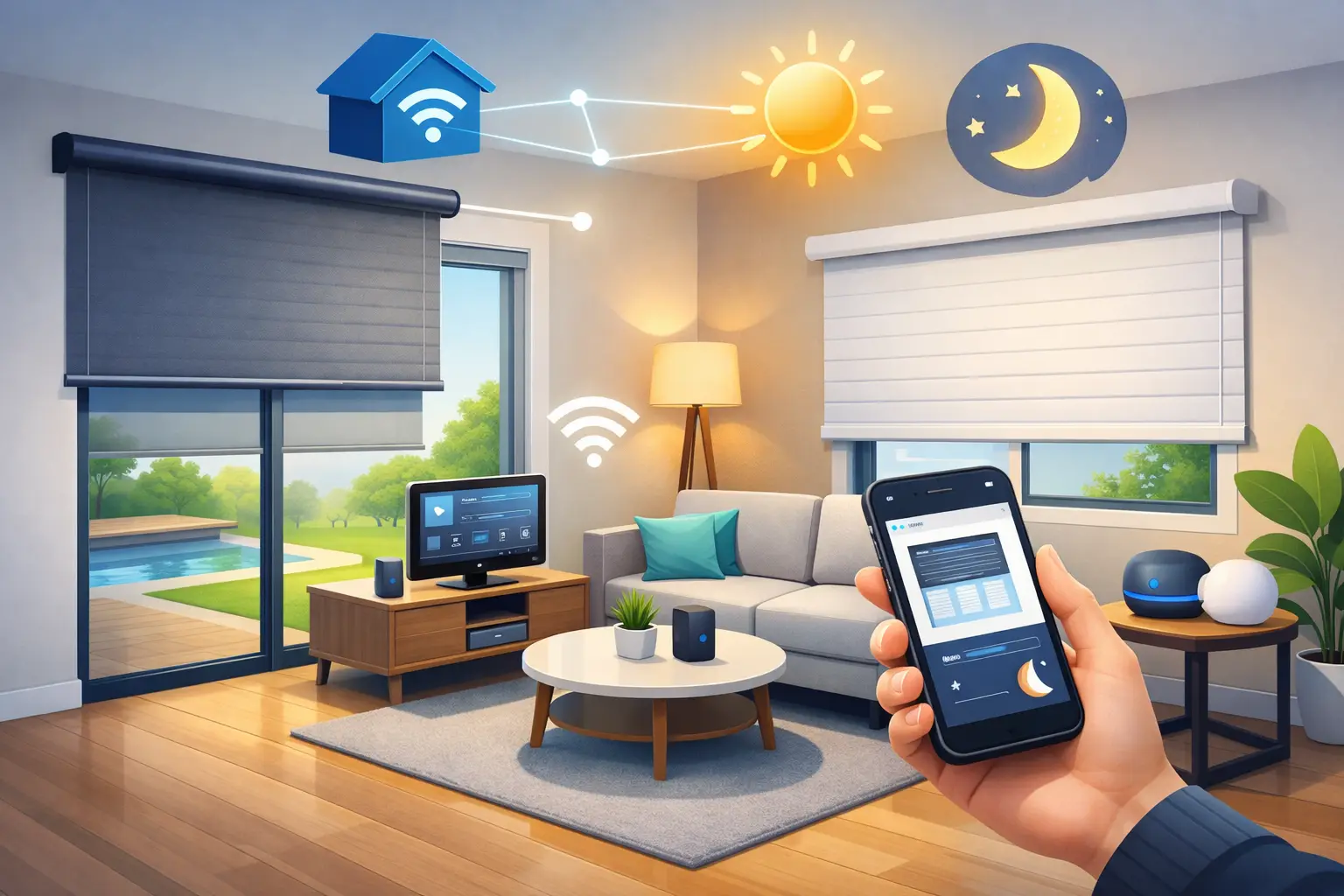
If you have ever stood in a bright family room at 5 p.m. squinting at glare on the TV while your shades stay halfway open because nobody wants to get up and adjust them, this smart shade system review is for you. Smart shades promise convenience, cleaner lines, better light control, and a more polished home. The real question is whether they deliver enough value to justify the investment.
For many Northern Virginia homeowners, the answer is yes – but not in every room, not with every product, and not without making a few smart choices early.
What a smart shade system review should actually cover
A lot of product writeups treat motorized shades like a gadget purchase. That misses the point. Smart shades are part design feature, part comfort upgrade, and part daily-use home system. If they are chosen well, they blend into the architecture, support privacy, and make the room feel better all day. If they are chosen poorly, they can become an expensive reminder that convenience alone is not enough.
That is why a useful review has to look beyond app controls and voice commands. Homeowners should also consider fabric performance, battery versus hardwired power, integration reliability, installation quality, and whether the shades look appropriate when raised and lowered. In higher-end homes especially, appearance matters just as much as automation.
Smart shade system review: what stands out in daily use
The biggest strength of a smart shade system is consistency. Instead of reacting to light and heat after a room becomes uncomfortable, you can set shades to respond automatically. Bedrooms can darken at night and open gently in the morning. South-facing windows can lower during peak afternoon sun. Large two-story windows can be controlled without ladders or poles.
This is where smart shades feel less like a luxury toy and more like a practical improvement. They solve a problem that manual shades often leave unsolved. In homes with many windows, daily adjustment usually does not happen as often as people imagine. The result is glare, fading floors and furnishings, reduced privacy, and rooms that never quite feel finished.
The second standout benefit is visual simplicity. Motorized shades remove chains, cords, and uneven positioning. When multiple shades move together, the room looks more intentional. In open-concept spaces or homes with tall windows, that clean alignment makes a noticeable difference.
There is also a meaningful safety advantage for households with children and pets. Cordless operation creates a cleaner and safer environment without sacrificing function.
Where smart shade systems can disappoint
The most common disappointment is expecting every smart feature to matter every day. Voice control sounds impressive, but many homeowners use scheduled automation far more often than spoken commands. App control is useful when traveling or adjusting a hard-to-reach window, but the novelty wears off. What remains is the core value of dependable operation and good shade design.
Battery life can also be a mixed experience. Some systems perform well for months or longer depending on shade size and use, while others require more frequent charging than owners expected. That is not a dealbreaker, but it does matter in rooms with many windows or especially tall shades.
Then there is integration. Some systems work beautifully inside one ecosystem and become less convenient when mixed with other smart home platforms. If a homeowner already uses smart lighting, thermostats, and whole-home control, compatibility should be reviewed before selecting fabrics and hardware. The shade itself may be excellent while the automation experience feels fragmented.
Price is the final reality check. Smart shades cost more than manual shades, and custom motorization adds up quickly when covering an entire home. The value is real, but it is easier to justify in primary living spaces, owner suites, media rooms, and hard-to-reach windows than in every single secondary room.
The design side matters more than most reviews admit
This is where many national reviews fall short. They focus on motors and apps, while homeowners are left to figure out whether the finished result will actually suit the room.
A smart shade system should not look like technology attached to a window. It should look like a thoughtful window treatment that happens to be motorized. Fabric color, openness, texture, stack height, valance choices, and light-filtering behavior all shape whether the room feels soft and inviting or flat and overly utilitarian.
For example, solar shades are excellent for glare control and preserving outdoor views, but they do not create the same softness as woven shades or drapery. Blackout roller shades are ideal in bedrooms and media spaces, but in a formal sitting room they may need decorative layering to feel complete. Roman shades can deliver elegance and softness, though not every motorized version stacks as neatly as homeowners expect.
This is why in-home product review matters more than screen-based shopping. Samples, daylight conditions, trim color, and furniture all affect the right choice.
Best rooms for smart shades
Not every room has the same payoff. In most homes, the best return comes from spaces where light changes quickly, privacy matters, or windows are difficult to reach.
Living rooms and family rooms are often strong candidates because they serve multiple functions throughout the day. Morning light may be welcome, while afternoon glare is not. Dining rooms with oversized windows also benefit, especially when homeowners want a tailored look without cords or manual adjustments.
Bedrooms are another excellent fit, particularly for owners who value better sleep and predictable routines. Scheduled opening and closing feels genuinely useful here, not just impressive.
Home offices deserve special mention. In a region where many professionals work from home at least part of the week, smart shades can reduce monitor glare and improve comfort without interrupting meetings or work flow.
For very small guest rooms or low-priority spaces, manual shades may still be the better value. Good design is not about putting motorization everywhere. It is about placing it where it will be appreciated.
Installation changes the whole experience
A shade can be well made and still underperform if the installation is careless. Slight alignment issues become obvious when multiple motorized shades move together. Poor measurements affect light gaps, symmetry, and hem consistency. Weak planning around charging access or power placement can turn convenience into maintenance.
This is one reason homeowners often have a better outcome with a full-service local provider than with an online order. Proper measuring, product matching, programming, and installation support are part of what makes a smart shade system feel premium. Without that support, buyers end up managing technical and design details that are easy to underestimate.
For custom homes, renovations, and larger window walls, hardwired planning can be especially valuable if addressed early. For existing homes, battery-powered systems are often more practical and still deliver an excellent experience when selected carefully.
Is the investment worth it?
In a straight cost comparison, manual shades win. But that is not the full calculation. A smart shade system adds convenience, improves consistency, supports energy control, enhances safety, and can elevate the finish of the room. For homeowners investing in beautiful interiors, that combination often justifies the premium.
Still, it depends on your priorities. If your main goal is the lowest upfront cost, smart shades may feel like an extra. If your goal is a home that works better every day and looks more refined while doing it, they can be one of the more satisfying upgrades.
At Covering Windows, this is usually where the best conversations happen. Not around flashy features, but around how a room is used, what frustrates the homeowner now, and what combination of beauty and function will still feel right years later.
Our honest take on a smart shade system review
Smart shades are worth serious consideration for homeowners who want more than basic window coverage. The strongest systems combine reliable motorization with the right fabric, the right scale, and professional installation. The weakest ones lean too heavily on technology while ignoring appearance and everyday usability.
If you are comparing options, focus less on which app has the flashiest interface and more on whether the shade will improve comfort, privacy, and design in the rooms you use most. The best smart shade system is not the one with the longest feature list. It is the one that quietly makes your home feel better every single day.
If that sounds like the kind of upgrade you have been hoping for, the next step is not more guesswork. It is seeing the materials in your own space and choosing a system that fits the way you live.