A nursery can look perfectly finished and still fall short at naptime. The light creeps around the edges, early sun wakes a baby before anyone is ready, or a dangling cord becomes one more thing to worry about. Knowing how to select nursery window coverings means looking beyond color and choosing a solution that supports safe sleep, privacy, comfort, and the style of your home.
The best choice is rarely the same for every room. A north-facing nursery in Reston may need more warmth than darkness, while a sunny bedroom in Ashburn may need serious light control. Start with how the room is used, then choose the window treatment that solves those specific needs beautifully.
Start With Child Safety, Not Style
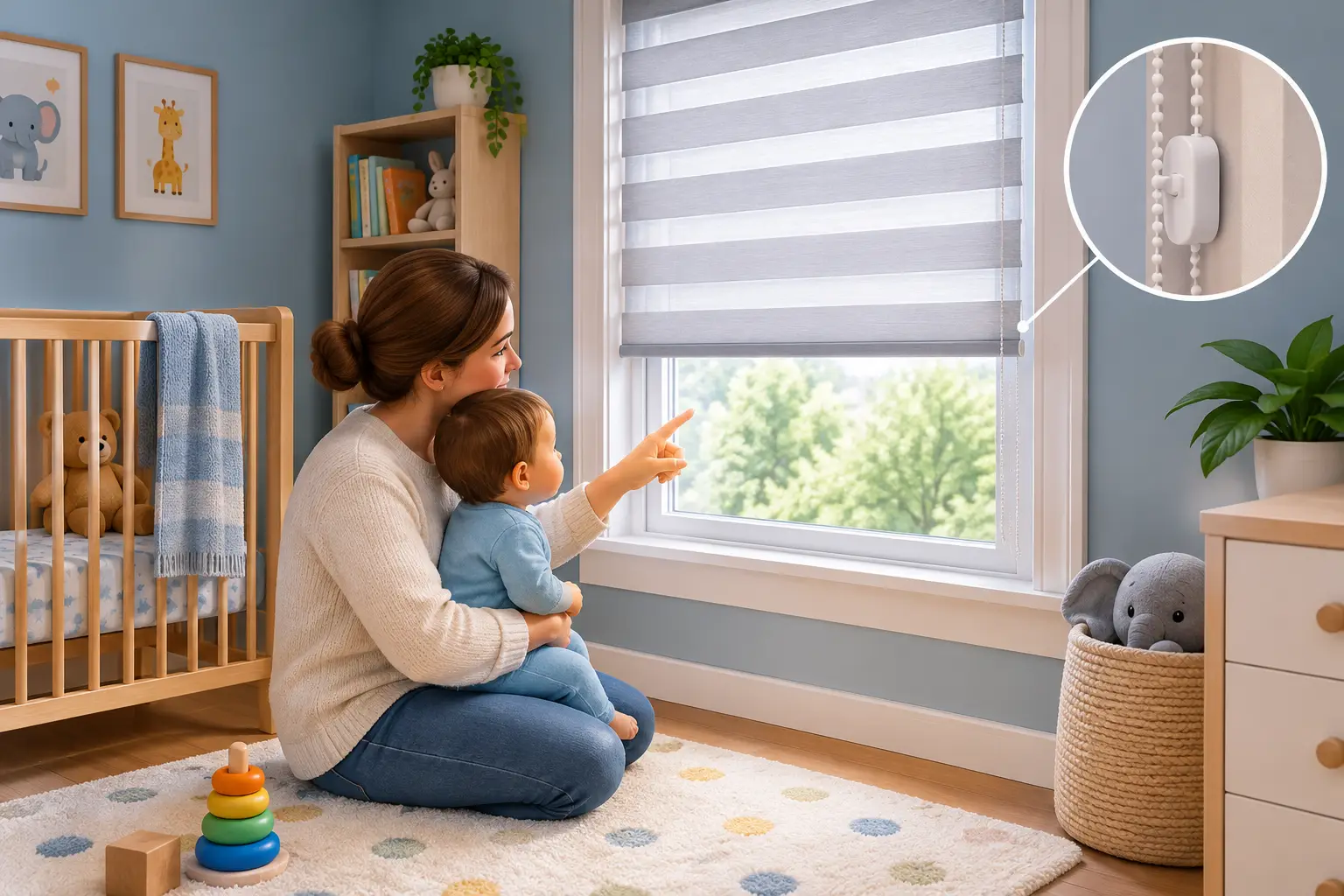
Safety should lead every nursery window-covering decision. Young children can become entangled in accessible pull cords, looped chains, and other operating components. Cordless shades and professionally installed motorized shades remove that concern while making daily use much easier for parents.
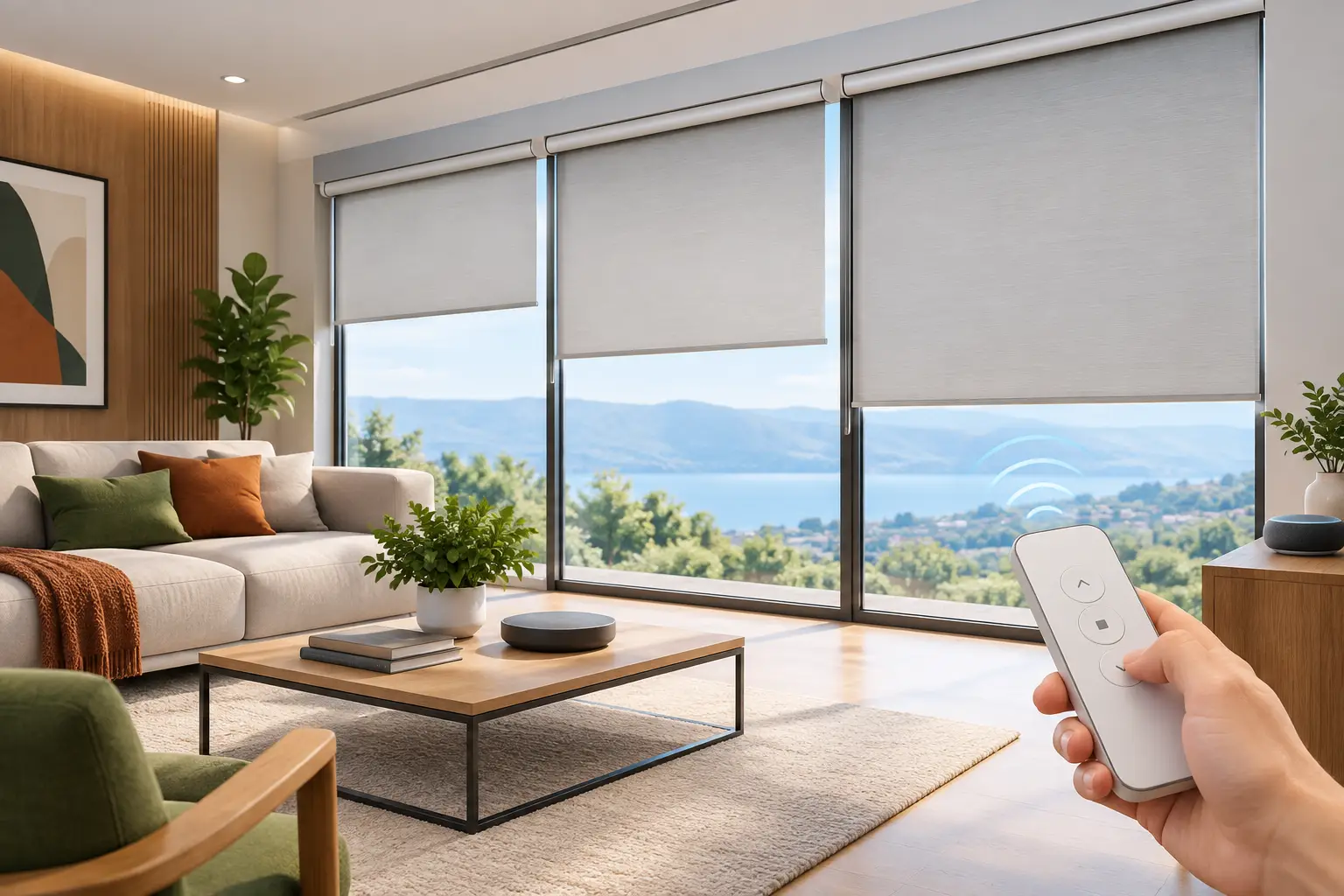
Cordless options are practical for a nursery because they create a cleaner look and eliminate loose controls near the crib. Motorized shades are an especially polished option for hard-to-reach windows, wide window walls, or parents who want to adjust light without disturbing a sleeping child. They can be operated by remote, wall control, or smart-home programming, depending on the system selected.
Placement matters just as much as the product. A crib, changing table, glider, or climbing-friendly piece of furniture should not sit beneath a window with reachable operating components. Professional measuring and installation help ensure the treatment fits securely and operates as intended – a meaningful advantage over guessing at measurements or relying on a one-size-fits-all online order.
Decide How Much Light Control the Room Needs
Parents often ask for blackout shades, but complete darkness is not always the only goal. The right level of light control depends on the nursery’s exposure, your child’s sleep routine, and whether the room also serves as a play space during the day.
Room-darkening shades for naps and early mornings
For nurseries facing east or west, room-darkening roller shades, cellular shades, or Roman shades can make a major difference. These materials reduce incoming light and help create a more consistent environment for naps, bedtime, and bright summer mornings.
Keep in mind that standard room-darkening shades can still allow light at the sides of the window. If near-total darkness is the goal, consider an outside-mounted shade with a wider overlap, side channels where appropriate, or a layered treatment. Drapery panels installed over a room-darkening shade can soften light gaps while adding texture and warmth to the room.
Light-filtering shades for a softer daytime feel
A light-filtering shade may be the better fit for a nursery with limited sun exposure or a family that prefers a naturally bright room. These shades diffuse glare and provide privacy without making the space feel closed in. They are particularly appealing for small nurseries, where preserving daylight can make the room feel more open.
A dual-shade approach can offer the best of both worlds. For example, a light-filtering treatment for daytime privacy paired with room-darkening drapery for sleep creates flexibility without compromising the design.
Choose Privacy That Still Feels Comfortable
Nursery privacy is not only about nighttime. Ground-level rooms, nearby homes, and windows facing a street can make parents feel exposed during feeding, changing, and everyday family life. The right covering should protect privacy without turning a welcoming room into a dark box.
Top-down/bottom-up cellular shades are a smart solution for many Northern Virginia homes. They can cover the lower part of the window while leaving the upper portion open for daylight. This is especially useful when a neighboring home sits close by or when the nursery overlooks a sidewalk.
Sheer draperies and light-filtering shades offer gentle daytime privacy, but they may become transparent under interior lighting after dark. If nighttime privacy is essential, pair them with a more opaque shade or lined drapery. This is one of the details that can be easy to miss in a showroom or online photo, but it becomes obvious once the room is in use.
Consider Temperature, Glare, and Energy Efficiency
A comfortable nursery should not run hot in the afternoon or feel chilly near the windows during winter. Window coverings can help manage both conditions, particularly in rooms with large windows, older glass, or direct sun exposure.
Cellular shades are often an excellent choice when insulation is a priority. Their honeycomb construction traps air at the window, helping reduce heat gain in summer and heat loss in colder months. They are available in light-filtering and room-darkening fabrics, so they can address comfort and sleep at the same time.
Solar shades can help cut glare and soften intense sunlight while preserving some outward visibility. They are often more popular in living areas, but they can work well in a nursery with a beautiful view and strong daytime sun. The trade-off is that they generally do not provide the same nighttime privacy or room-darkening performance as blackout materials, so layering may be necessary.
Draperies bring another level of insulation and visual softness. A lined fabric panel can help control drafts and make a nursery feel more finished, especially in a home with traditional architecture or larger-scale windows. For a tailored look, custom drapery can be selected in fabrics that coordinate with the nursery’s wall color, rug, or accent pieces rather than forcing the room around a limited retail selection.
Match the Treatment to the Nursery’s Design
A nursery deserves to feel thoughtful, not temporary. While practical performance comes first, window coverings are also a major visual feature. They frame the window, influence how large the ceiling feels, and can set the tone for the entire room.
For a clean, modern nursery, consider simple roller shades, woven wood shades with a privacy liner, or understated cellular shades. These options keep the window visually quiet and let painted walls, artwork, or furniture take center stage.
For a softer, more layered space, Roman shades and drapery panels introduce fabric, pattern, and tailored detail. Roman shades work well when there is limited wall space beside the window. Full-length drapery can add height and a sense of luxury when mounted higher and wider than the window frame.
Wood shutters offer a timeless architectural finish and are easy to wipe clean, which is useful in rooms that see plenty of everyday activity. They provide excellent privacy and adjustable light control through their louvers. However, shutters do not create true blackout conditions on their own, so families focused on very dark sleep environments may want to pair them with drapery or a room-darkening shade.
Think About Everyday Use and Cleaning
Nursery window treatments need to stand up to real family life. Dust, fingerprints, pet hair, and the occasional sticky hand are part of the equation. Before choosing a fabric or finish, consider how much maintenance you are comfortable handling.
Faux wood blinds and shutters are durable and easy to clean, while smooth roller shades generally require only light dusting or a gentle wipe. Fabric Roman shades and drapery bring warmth but may need more careful spot cleaning or professional cleaning over time. Woven textures can be beautiful, though they may collect more dust than a smooth shade.
Also consider how often you will adjust the treatment. If you expect to open and close it every day, easy operation matters. A beautiful treatment that feels inconvenient at 5:30 a.m. can quickly become a source of frustration. This is where cordless lifts, motorization, and the right mounting choice make a noticeable difference.
How to Select Nursery Window Coverings With Confidence
The strongest nursery designs usually combine at least two goals rather than asking one product to do everything. A room-darkening cellular shade may deliver sleep support and insulation, while decorative drapery adds softness. Shutters may provide lasting architectural appeal, while a separate blackout layer handles early morning light.
The right combination depends on your windows, the direction they face, the room layout, and the look you want to carry through the rest of your home. An in-home consultation allows you to see real samples against your wall color and lighting, compare opacity levels, and confirm safe placement before anything is ordered.
At Covering Windows, that hands-on process helps families avoid the common disappointments of off-the-shelf treatments: poor fit, unexpected light gaps, mismatched color, and installation uncertainty. The goal is a nursery that feels calm for your child and effortless for you – from the first nap to the years that follow.