The most compelling motorized blind trends are not about adding another app to your phone. They are about making tall windows easier to live with, protecting furnishings from harsh afternoon sun, and giving a finished room the calm, tailored look it deserves. For Northern Virginia homeowners balancing busy schedules with high expectations for their homes, motorization has become a practical design decision rather than a novelty.
A well-chosen motorized window treatment disappears into the rhythm of the day. It opens when the morning light is welcome, lowers before a west-facing room overheats, and gives you privacy at night without a circuit of every window in the house. The key is choosing automation that supports the way you live, not technology for technology’s sake.
Motorized Blind Trends Are Becoming More Design-Led
Early motorized products were often selected for convenience alone. Today, homeowners want the same rich textures, precise fit, and layered look they expect from any premium custom treatment. That shift has changed the conversation from, “Can this be motorized?” to, “How can it look beautiful and work effortlessly?”
Soft woven shades, tailored Roman shades, roller shades with architectural hardware, and cellular shades in sophisticated neutral palettes are all popular choices for motorization. The best selection depends on the room. A clean roller shade may suit a contemporary great room with expansive glass, while a fabric Roman shade can bring softness to a formal dining room or primary bedroom.
Motorized blinds also remain an excellent option where homeowners want adjustable light control. Wood and faux wood blinds offer familiar function, while motorized slat adjustment makes it easier to reduce glare without closing off the view completely. The distinction matters: “motorized blinds” is often used as a broad term, but blinds, shades, shutters, and drapery each create a different visual effect and level of light control.
Quiet operation is now part of the luxury standard
A motor that hums loudly can make an otherwise beautiful treatment feel like an afterthought. Quiet, refined operation is one of the most meaningful improvements in current systems, particularly in bedrooms, nurseries, offices, and open-concept living areas.
During a consultation, it is worth seeing and hearing the product in action. The feeling of the movement matters as much as the fabric sample. A smooth lift and controlled stop reinforce the quality of a custom installation every time the shade is used.
Hidden hardware keeps the look clean
Homeowners are increasingly drawn to treatments that look intentional from every angle. Recessed pockets, discreet fascia options, and carefully selected top treatments can conceal the roller tube or headrail, giving a shade a built-in appearance.
This is especially effective in new construction and renovation projects, where window treatments can be planned alongside trim, paint, lighting, and furniture. In an existing home, thoughtful mounting choices can still create a polished result. Precise measuring is essential because even a beautiful product can look unfinished if the proportions are wrong.
Smarter Control Without a Complicated Home
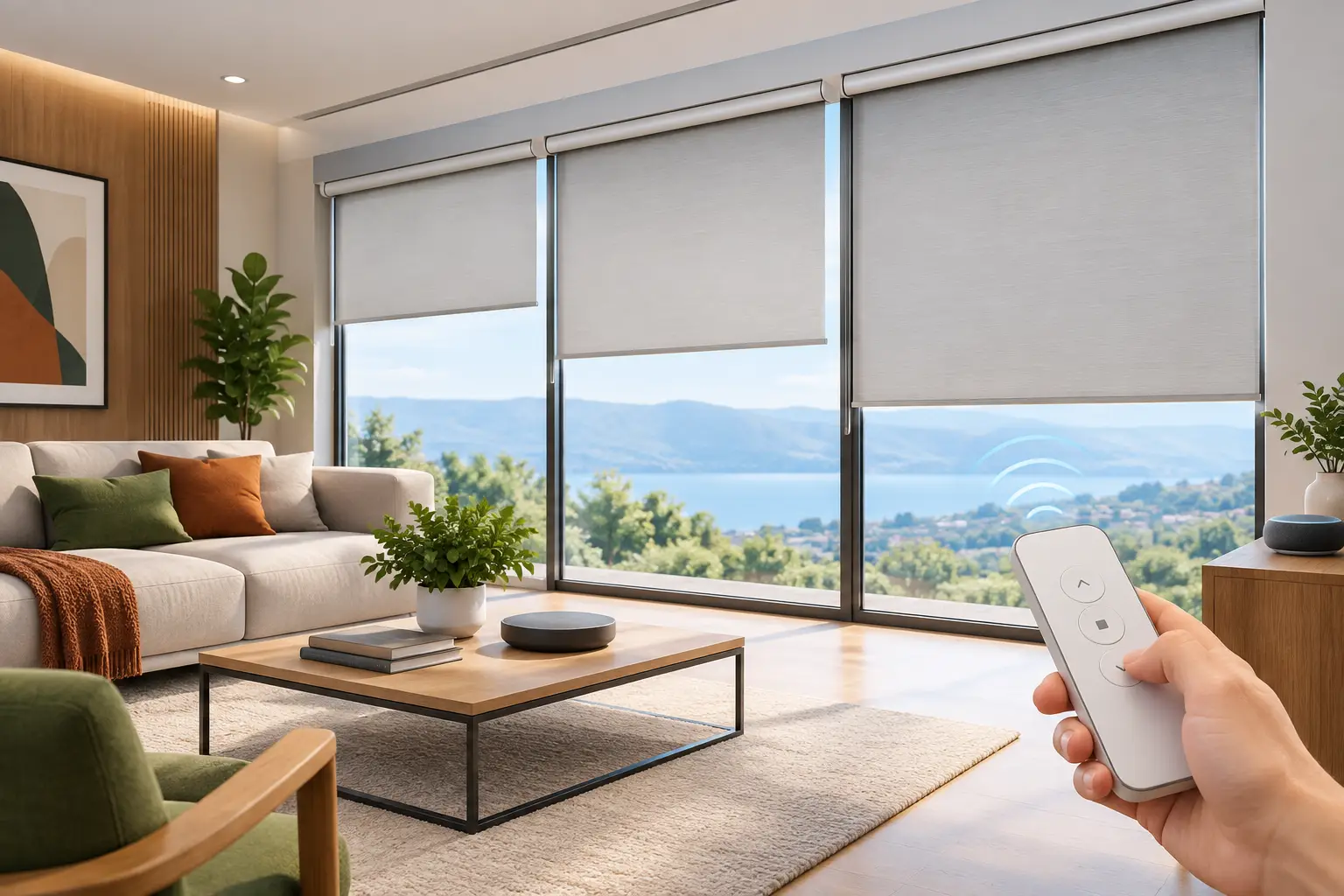
Smart-home integration is a major part of the motorized blind trends homeowners are asking about, but the most successful systems stay simple. A wall control, handheld remote, programmed schedule, or voice control can all be useful. Not every room needs every option.
For example, a family may prefer a bedside remote for bedroom shades, a wall-mounted control by the patio door, and scheduled operation for hard-to-reach windows in a two-story family room. A homeowner who travels frequently may value scheduled settings that make the house feel occupied. The right setup is personal, and it should be easy for every member of the household to use.
Battery-powered motorization is popular because it can avoid visible wiring and extensive electrical work. It is often an ideal choice for finished homes. Rechargeable battery options can further reduce maintenance, though access should be considered for very high windows. Hardwired systems may make more sense during construction or a major remodel, especially when many window treatments will operate together.
The trade-off is straightforward: battery power offers installation flexibility, while hardwired power offers long-term convenience for larger, highly automated projects. An experienced window treatment professional can explain what will work cleanly in your specific space before any order is placed.
Privacy and Solar Control Are Driving the Best Choices
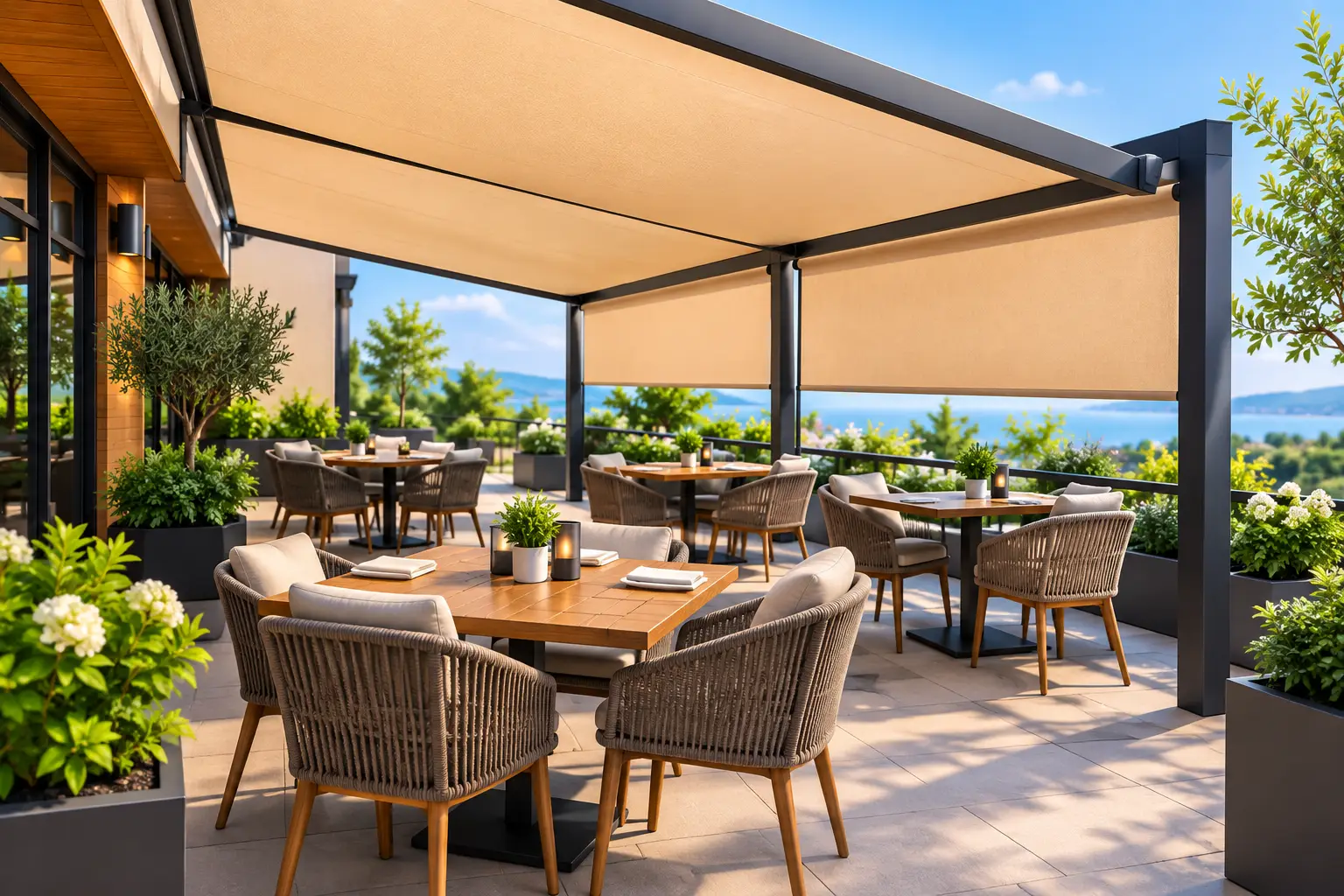
In communities from McLean and Great Falls to Ashburn and Leesburg, large windows are a defining feature of many homes. They bring in beautiful daylight, but they can also introduce glare, heat gain, fading, and a surprising lack of privacy after dark.
Motorization makes solar control more consistent. Instead of waiting until a room feels uncomfortable, homeowners can schedule shades to lower during the strongest sun exposure. This can be particularly helpful in home offices, media rooms, kitchens, and living spaces with broad southern or western exposures.
Fabric openness is one of the most important choices for solar shades. A more open weave preserves a clearer daytime view but allows more light through. A tighter weave improves glare and heat control but reduces visibility. Neither is universally better. The ideal balance depends on the room’s orientation, nearby homes, landscaping, and how the space is used.
For bedrooms and media rooms, blackout or room-darkening options are gaining ground. Side gaps can still allow light around many shades, so homeowners seeking the darkest possible result may benefit from side channels, layered drapery, or a different product configuration. Honest guidance here prevents disappointment later.
Layered treatments add depth and flexibility
One of the most lasting design directions is layering a functional motorized shade with decorative drapery or side panels. The shade manages privacy, sunlight, and insulation day to day. The drapery adds dimension, color, softness, and a more finished architectural presence.
This combination works beautifully in formal spaces, large rooms with high ceilings, and bedrooms where comfort matters. It also allows homeowners to choose a streamlined solar or blackout shade without sacrificing the warmth that fabric brings to a room.
Child Safety and Accessibility Remain Essential
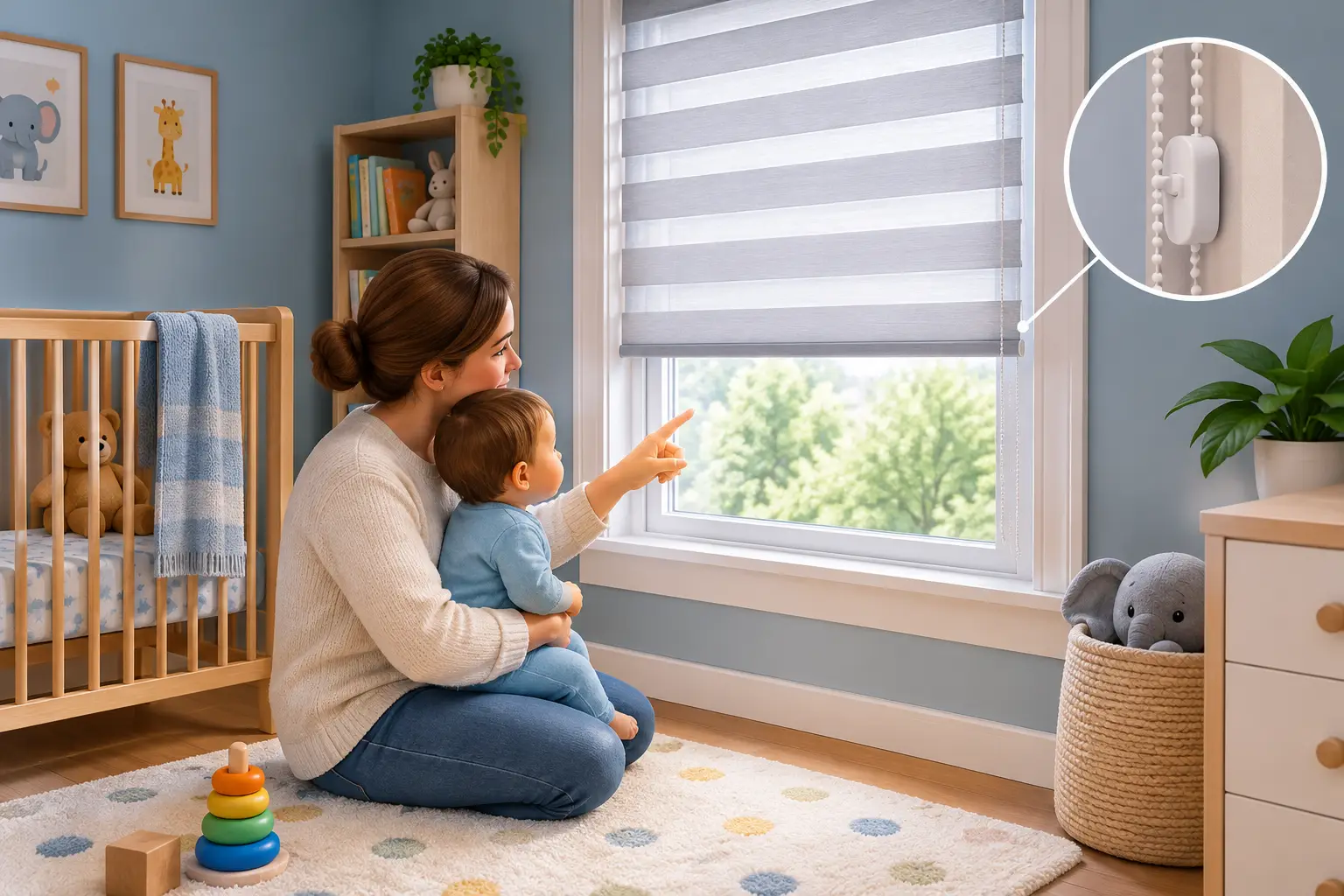
Cordless operation is not merely a visual preference. It reduces the concerns associated with accessible cords and creates a cleaner appearance around the window. Motorization is especially valuable in children’s rooms, playrooms, and spaces where a cord-free solution is the clear choice.
Accessibility is another reason homeowners choose motorized treatments. Windows behind sofas, above soaking tubs, over stair landings, or in vaulted rooms should not require climbing, stretching, or moving furniture to operate. When a treatment is easy to use, it is far more likely to be used as intended.
Customization Still Matters More Than the Motor
The motor is only one component of the finished result. Fabric color, opacity, hem bar style, mounting method, control placement, and the relationship between the treatment and the surrounding trim all affect the final look. This is where online shopping often falls short: a product may seem right on a screen but fail to account for window depth, uneven framing, changing light, or the scale of the room.
A professional in-home consultation makes it possible to compare samples against your wall color, flooring, furnishings, and natural light. It also helps identify practical details before they become expensive corrections. At Covering Windows, the goal is to make the selection process feel clear and comfortable, then ensure the installation delivers the look you approved.
Motorization can add cost, so it is reasonable to prioritize. Many homeowners automate the windows they use most, the ones that are hardest to reach, or the rooms where glare and privacy are persistent concerns. A thoughtful mix of motorized and manual treatments can still produce a cohesive, high-end home.
The best trend to follow is the one that makes your home more comfortable without making it harder to live in. Choose window treatments that suit your architecture, your daily routines, and the light you want to welcome in.