A sunroom should feel like the brightest, most relaxing room in your home – not the room everyone avoids at 3 p.m. because the glare is too strong and the temperature climbs. Knowing how to choose sunroom window treatments starts with a simple truth: these windows work harder than most. They welcome beautiful natural light, but they can also introduce heat, UV exposure, privacy concerns, and uncomfortable reflections.
The right treatment preserves the reason you love the room while giving you control over the parts you do not. For Northern Virginia homeowners, that often means planning for humid summers, low winter sun, changing views, and a design that feels polished from both inside and outside the home.
Start With What Your Sunroom Needs Most
Before selecting fabric, color, or operating style, consider how you actually use the space. A sunroom used for morning coffee has different priorities than one that doubles as a home office, playroom, dining area, or entertaining space.
Heat and glare are usually the first concerns. Large banks of glass can turn a comfortable room into a hot spot, especially on south- and west-facing exposures. Solar shades, cellular shades, and exterior shading options can reduce solar gain while maintaining a connection to the outdoors. The best choice depends on how much of the view you want to retain and how much direct sun the room receives.
Privacy may matter just as much. If your sunroom faces neighbors, a busy street, or a nearby patio, you may want adjustable light control rather than an always-open view. Top-down bottom-up shades are especially useful where you want daylight from above while keeping the lower part of the window covered. Woven woods, sheer shades, and layered drapery panels can also soften the room without making it feel closed in.
Finally, think about UV protection. Sunlight can fade hardwood flooring, upholstery, rugs, artwork, and wood furniture over time. A treatment that filters UV rays can help protect those investments while still allowing the sunroom to feel open and inviting.
How to Choose Sunroom Window Treatments by Exposure
Window direction has a major effect on performance. It is one of the most useful details to discuss during an in-home consultation because it can change which materials and opacity levels make sense.
South- and West-Facing Sunrooms
These rooms typically receive the strongest, warmest sunlight. Solar shades are a popular solution because they cut glare and heat without completely blocking the view. Their openness factor matters: a lower openness factor provides more privacy and sun control, while a higher openness factor keeps more of the outside visible.
For stronger insulation, consider cellular shades. Their honeycomb-shaped construction traps air at the window, helping moderate heat in summer and heat loss during cooler months. They are not always the best choice if an uninterrupted view is your top priority, but they are hard to beat for comfort and efficiency.
Exterior shades and awnings deserve consideration when direct sun is intense. Stopping sunlight before it reaches the glass can make a meaningful difference in room temperature. These solutions are particularly valuable for sunrooms with expansive glass, skylights, or sliding doors.
East-Facing Sunrooms
Morning light can be pleasant, but it can still create glare at the breakfast table or on a laptop screen. Light-filtering shades, sheer shades, or adjustable blinds often provide enough control without darkening the room. Motorization is a smart upgrade here, allowing shades to lower automatically when the sun reaches a certain point in the morning.
North-Facing Sunrooms
North-facing rooms generally receive softer, indirect light. The focus may be less about heat reduction and more about adding visual warmth, privacy, and architectural finish. Woven wood shades, Roman shades, shutters, or drapery can give the space texture and character while preserving its naturally gentle light.
Choose a Style That Belongs in the Room
A sunroom is often visually connected to a kitchen, family room, or outdoor living area, so window treatments should support the overall design rather than feel like an afterthought.
For a clean, contemporary sunroom, solar shades and roller shades offer an understated profile. They sit close to the glass, work well with modern trim, and keep attention on the view. Neutral fabrics can disappear into the architecture, while darker solar fabrics may sharpen the view outward during daylight hours.
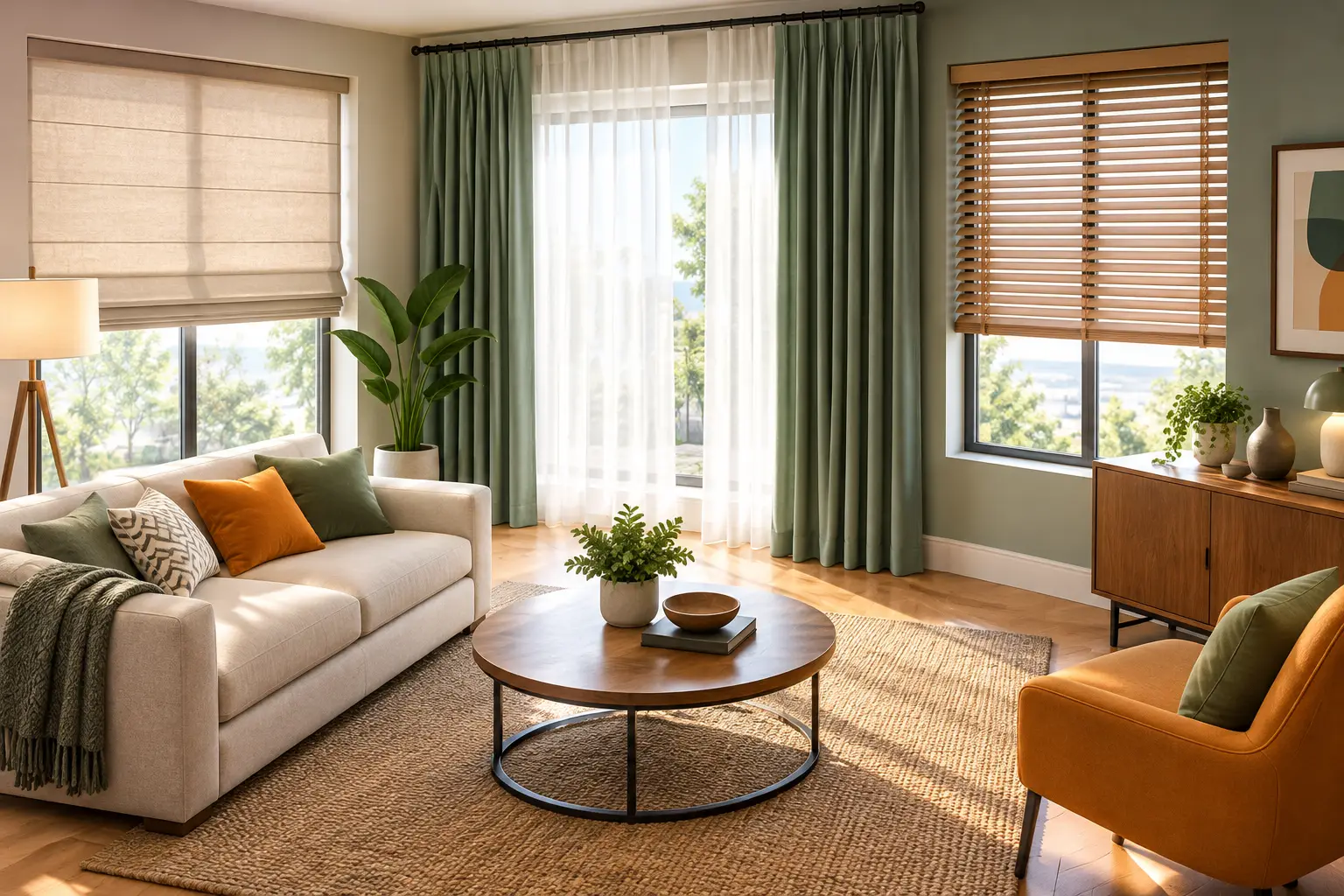
For a more traditional or layered look, Roman shades and custom draperies add softness and luxury. Drapery can be especially beautiful around French doors or large fixed windows, but fabric selection matters. In a high-sun room, choose materials designed for durability and fading resistance. Lining can improve body and privacy, although heavier layers may not be ideal if the room already runs warm.
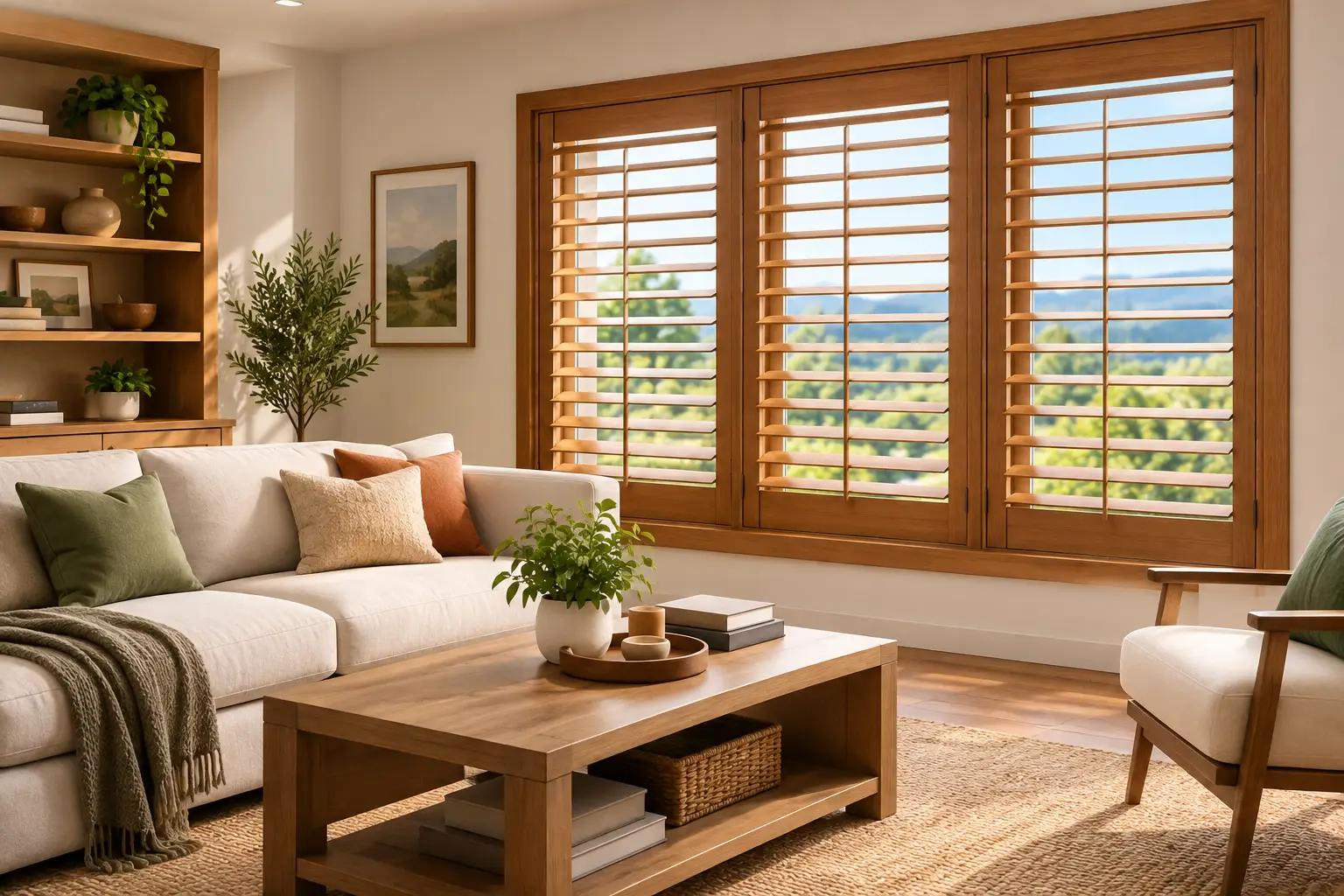
Plantation shutters bring tailored craftsmanship and lasting architectural presence. They provide adjustable louvers for light and privacy and can complement homes in Fairfax, Vienna, McLean, and Great Falls where substantial millwork and classic finishes are part of the design. Real wood shutters offer exceptional beauty, while carefully selected alternatives can be useful in rooms with higher humidity or more demanding conditions.
Woven wood shades add texture and an easy indoor-outdoor feel. They are a natural fit for sunrooms overlooking gardens, patios, or wooded lots. Add a privacy liner when needed, but remember that a liner will reduce the airy, filtered-light effect that makes woven materials so appealing.
Do Not Overlook Operation and Access
Sunroom windows are frequently large, tall, angled, or located behind furniture. A beautiful treatment is only successful if it is practical to use every day.
Motorized shades are particularly helpful for hard-to-reach windows, skylights, and wide window walls. With a remote, wall control, app, or smart-home integration, you can adjust light levels without interrupting a meal, moving furniture, or wrestling with cords. Scheduled settings can also protect furnishings during the brightest part of the day, even when no one is home.
For doors leading to a deck, patio, or backyard, choose treatments that accommodate traffic. Vertical solutions, panel tracks, and certain shades designed for sliding glass doors can provide coverage without interfering with operation. If your sunroom has French doors, consider treatments that mount directly to the door or drapery panels that stack clear of the opening.
Cordless operation is a wise choice for homes with children or pets. It creates a cleaner appearance and removes the concern of dangling cords in a family gathering space.
Balance View, Privacy, and Energy Efficiency
Many homeowners feel they must choose between protecting the room and enjoying the view. Custom window treatments offer more flexibility than that. The goal is rarely to cover every window with the same product. A thoughtful plan may use solar shades on the sunniest wall, soft Roman shades on a focal window, and motorized cellular shades where insulation is most needed.
Layering can also solve competing needs. For example, a solar shade can handle daytime glare and UV exposure, while drapery panels add evening privacy and a more finished design statement. This approach costs more than a single treatment, but it can provide the most complete result in a highly visible room.
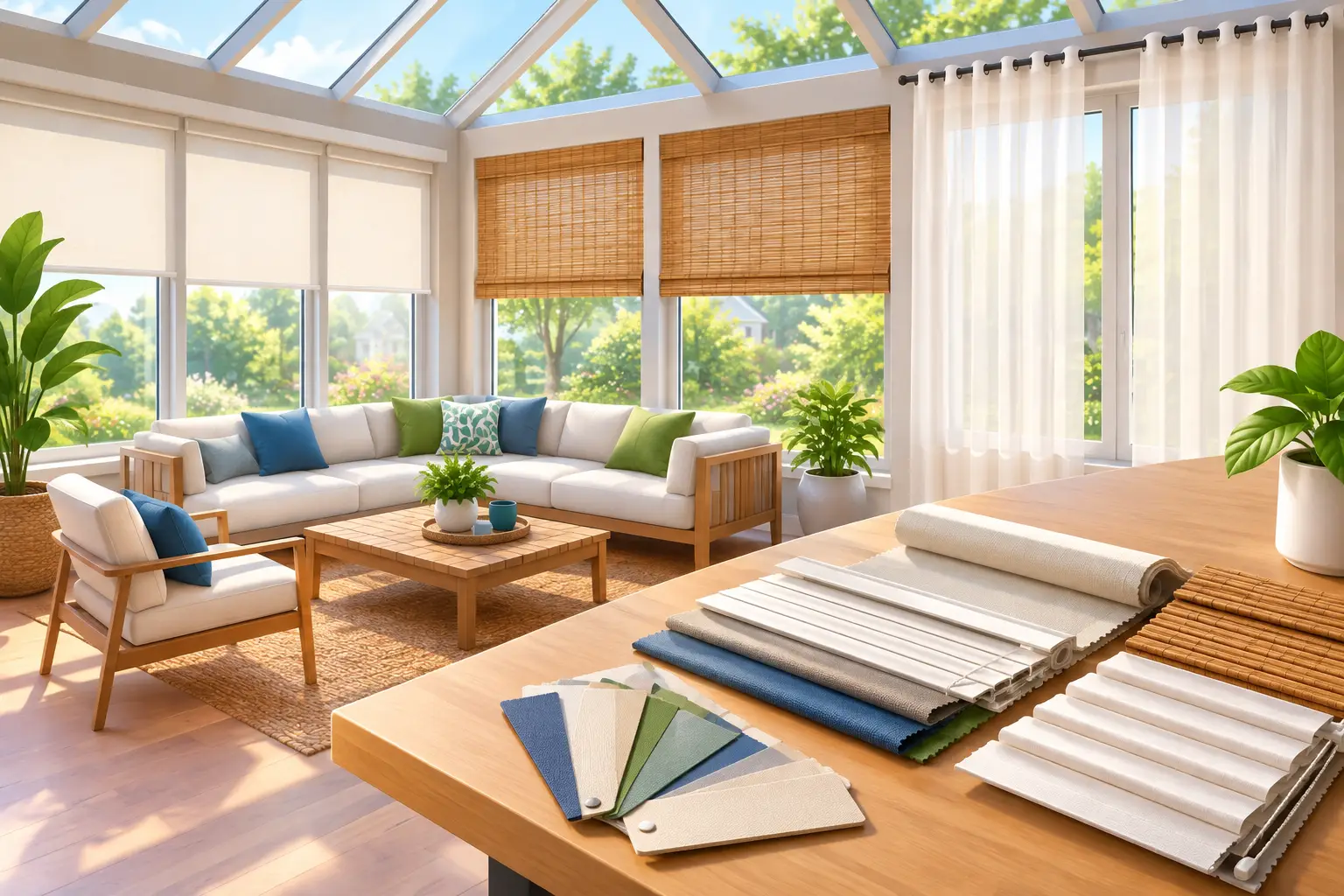
Color is another practical decision. Lighter fabrics generally reflect more heat and create a bright, open feel. Darker solar shade fabrics can improve outward visibility and reduce glare, but may absorb more heat depending on the material and placement. Samples are essential because a fabric that looks perfect in a showroom can look entirely different against your flooring, trim, and outdoor landscape.
Why Professional Measuring Matters in a Sunroom
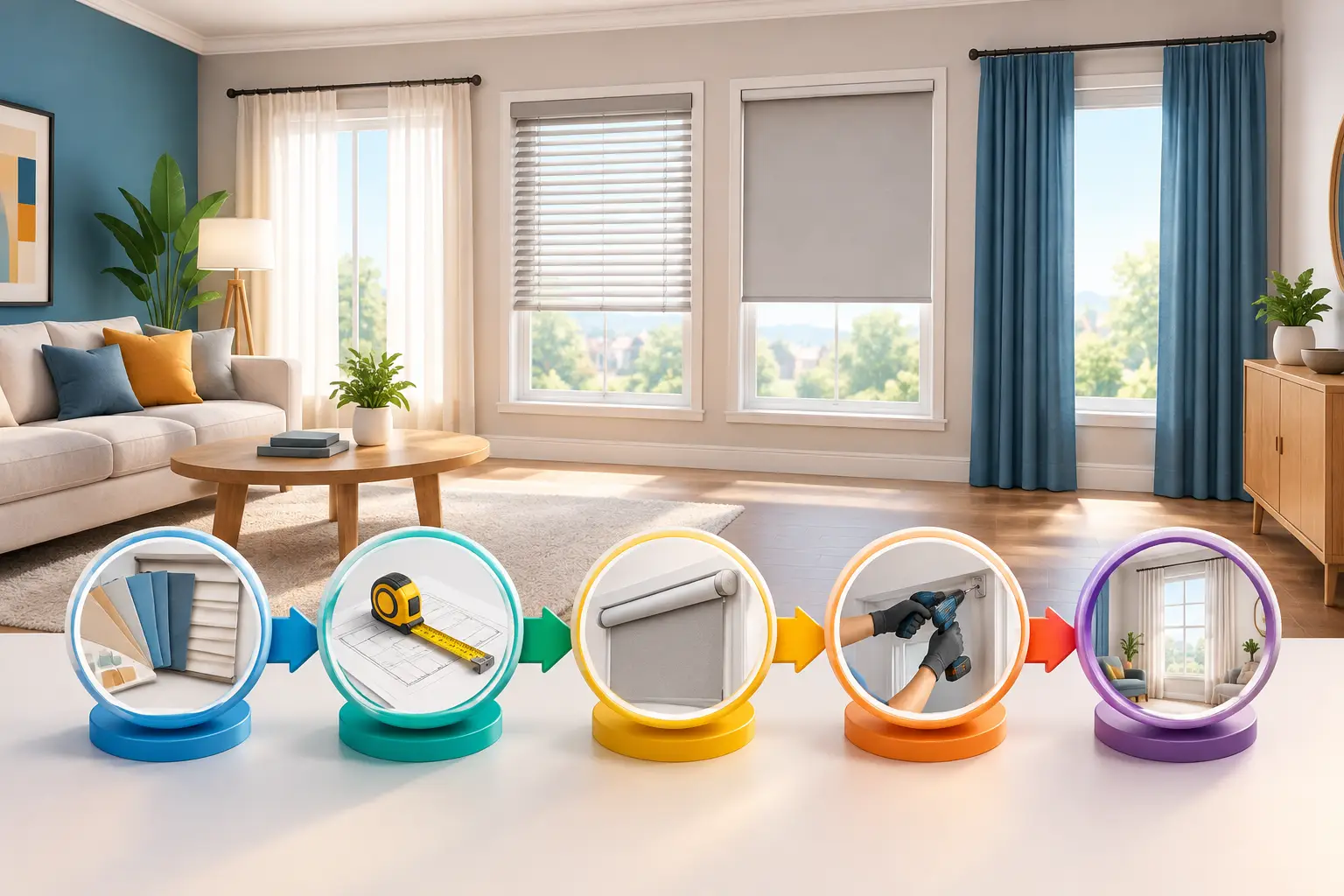
Sunrooms often reveal the limitations of one-size-fits-all ordering. Windows may vary slightly in width, trim depth, handle clearance, or mounting surface. Large expanses of glass make even small measuring errors more noticeable, and treatments that are not properly fitted can leave unwanted light gaps or interfere with doors and window operation.
A professional consultation gives you the chance to compare materials in the actual light of your home, discuss exposure on each wall, and see options that suit the room’s architecture. It also helps avoid paying for features you do not need – or choosing a less expensive product that fails to solve the problem that prompted the project.
Covering Windows helps homeowners evaluate design, performance, budget, and installation details together, so the finished treatment looks intentional rather than improvised.
Your sunroom should invite you to stay awhile, whether the afternoon is brilliantly sunny or quietly overcast. Select treatments that let you enjoy the view on your terms, and the room can remain one of the most comfortable and beautiful places in your home all year.