You feel it most at the exact wrong moment – when the sun hits the breakfast nook during a morning meeting, when a two-story window needs adjusting at dusk, or when every shade in the house still needs closing after a long day. That is usually when homeowners start asking, are motorized shades worth it?
For many homes, the answer is yes. But not for every room, every budget, or every product. Motorization can feel like a luxury upgrade, and in some cases it is. In others, it solves real day-to-day problems so well that it quickly stops feeling optional.
Are motorized shades worth it for everyday living?
The strongest case for motorized shades is not novelty. It is convenience that you actually use.
If you have a large wall of windows, hard-to-reach openings, skylights, or rooms that get intense afternoon sun, motorization changes how often your window treatments work for you instead of against you. Homeowners tend to use shades more consistently when adjusting them takes one tap, a remote, a wall switch, or an automated schedule. That means better privacy at night, better glare control during the day, and a more comfortable home without constantly walking from room to room.
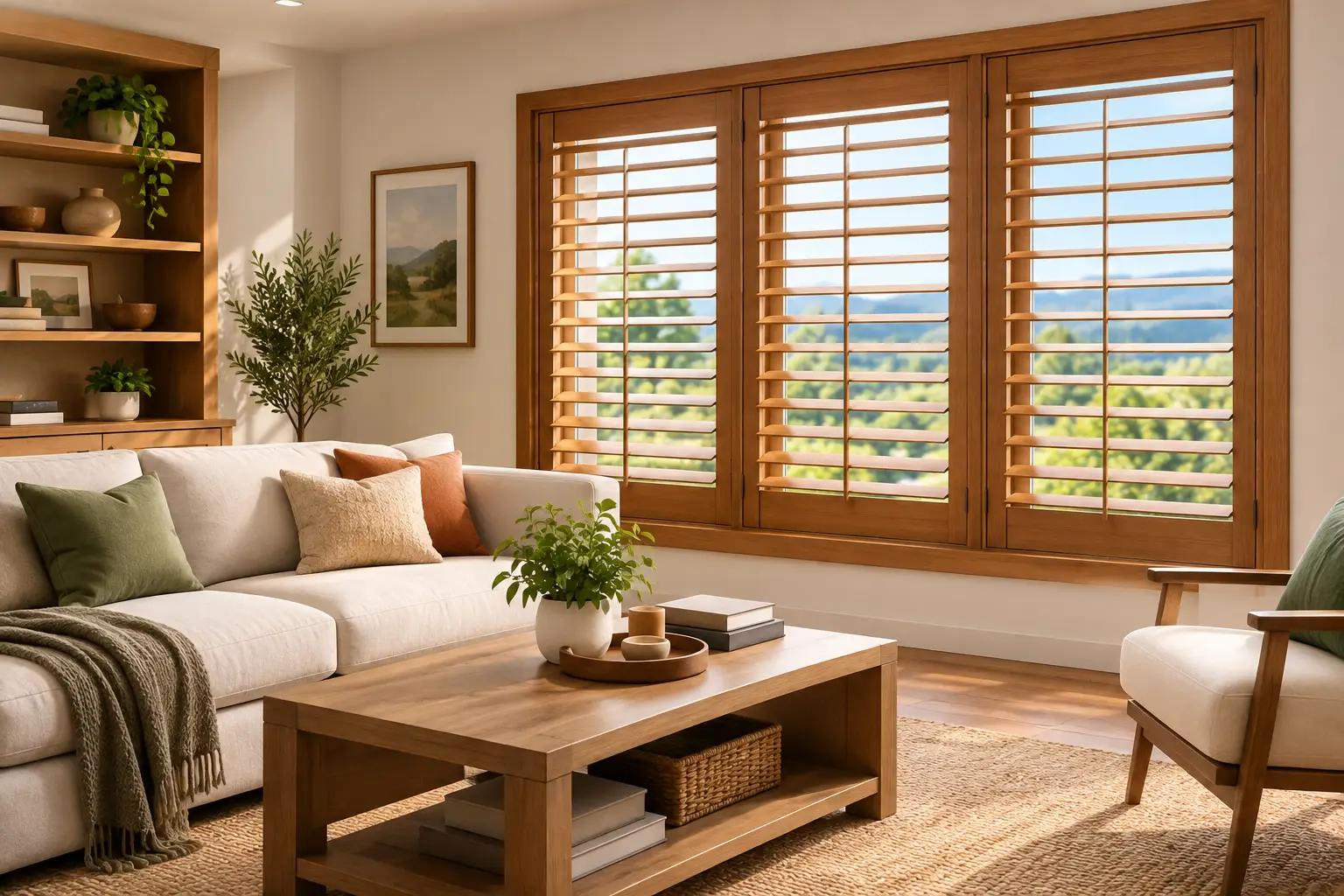
There is also a design benefit people do not always consider upfront. Motorized shades remove dangling cords and keep the window looking cleaner and more finished. In contemporary spaces, that minimal look matters. In traditional homes, it helps the treatment feel tailored rather than busy.
For busy households, the real value is how quietly motorization fits into a routine. Shades can rise in the morning, lower during the hottest part of the day, and close in the evening without becoming another task on your list. Once that happens, people rarely miss the old way.
Where the investment makes the most sense
Motorization is easiest to justify in rooms where comfort, light control, or accessibility matter every day.
Living rooms with tall windows are a common example. These spaces often look beautiful but can be difficult to manage manually, especially when multiple windows need to move together. Bedrooms are another strong fit because automated blackout or light-filtering shades can support sleep routines and privacy without any extra effort.
Home offices are especially practical. If sunlight moves across your desk or creates screen glare, preset shade positions can make the room far more usable throughout the day. Media rooms, sunrooms, and west-facing spaces also benefit because the shades can respond to the sun before heat and glare become a problem.
For homeowners planning to age in place, motorized shades are not just convenient. They improve accessibility and reduce the need to reach, pull, or climb to manage windows. Families with young children also appreciate the cordless safety factor.
In short, the more often a shade needs adjusting, and the harder it is to adjust manually, the more likely motorization is worth the cost.
The cost question homeowners really care about
Most people are not asking whether motorized shades are impressive. They are asking whether they are worth the premium over manual shades.
That depends on how you define value. If your top priority is getting the lowest upfront price, manual shades will usually win. Motorization adds cost through the lift system, power source, controls, and sometimes integration features. For a whole-home project, that difference can be significant.
But price alone does not tell the full story. Custom window treatments are long-term products. If you are already investing in quality materials, custom sizing, and professional installation, adding motorization can make the finished result feel more complete and more usable for years. The decision becomes less about the extra line item and more about whether you will benefit from the convenience every single day.
There is also a middle ground many homeowners overlook. Not every shade has to be motorized. Some of the smartest projects reserve motorization for the most used, tallest, brightest, or hardest-to-reach windows, while keeping manual operation in secondary spaces. That approach protects the budget while still solving the biggest functional problems.
Are motorized shades worth it for energy savings?
They can be, but this is where expectations should stay realistic.
Motorized shades help most when automation makes the shades more consistent. A manually operated shade only improves efficiency when someone remembers to lower it during peak sun and raise it when conditions change. Automated shades are much better at doing that on schedule. In rooms with strong sun exposure, that can reduce heat gain, protect furnishings from UV exposure, and ease the load on your HVAC system.
The savings will vary based on the product, fabric openness, window orientation, home insulation, and how the shades are programmed. Motorization alone does not make a shade energy efficient. The right shade style and material matter just as much.
That is why shade selection should never happen in a vacuum. A west-facing great room has different needs than a shaded bedroom or a street-facing dining room where privacy matters more than solar control. When the shade type and automation plan are matched to the room, energy performance improves for practical reasons, not marketing reasons.
Smart home appeal is real, but it should not be the only reason
A lot of homeowners first notice motorized shades because they work with smart home systems. That is a valid benefit, but it should be seen as an added layer of convenience, not the entire value proposition.
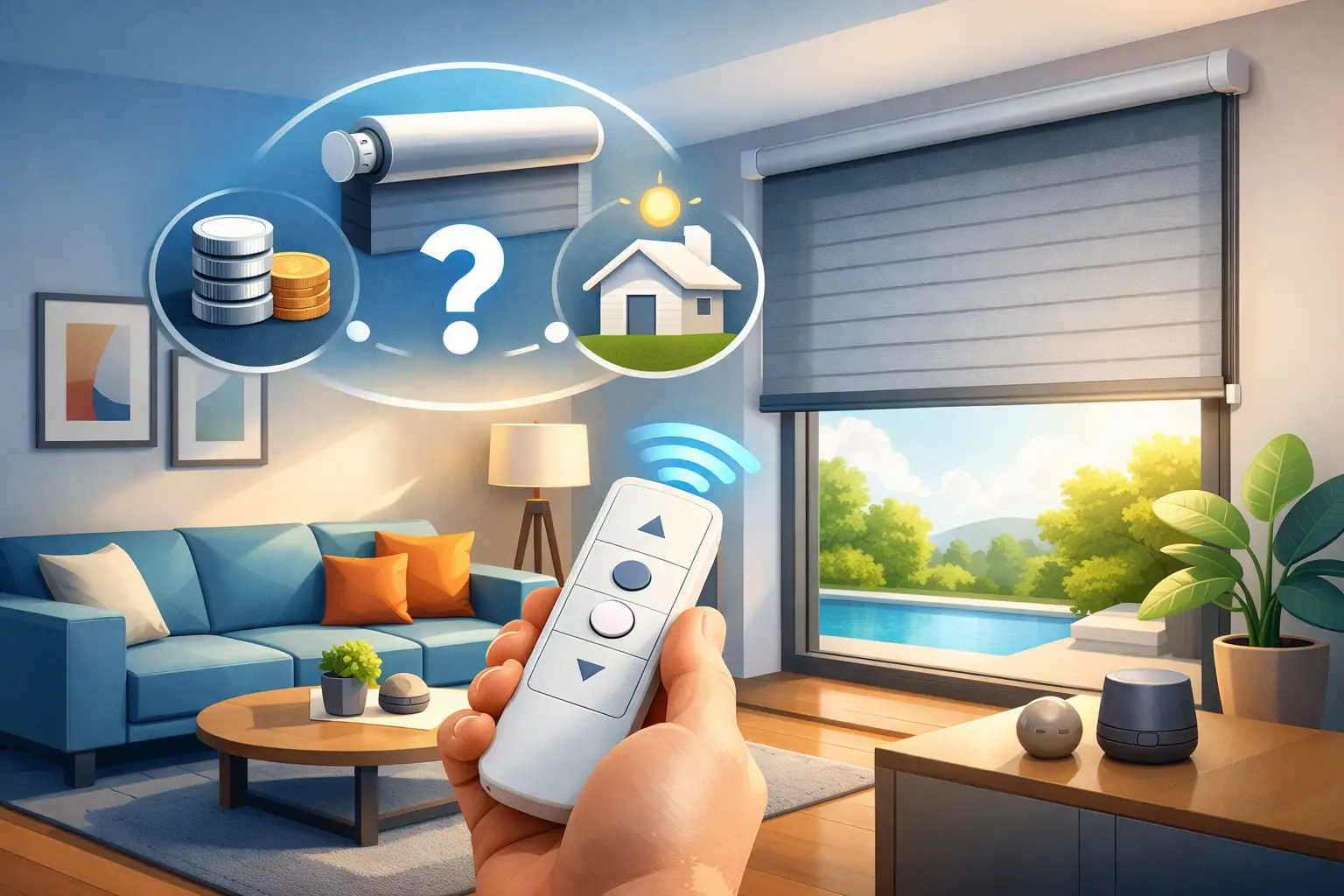
If you already enjoy lighting scenes, thermostats, and voice control, automated shades fit naturally into that environment. They can support wake-up routines, bedtime settings, and away modes that make the house feel more responsive. For second homes or frequent travelers, remote control can also offer peace of mind.
Still, smart features are only worthwhile when the shade system itself is well chosen and properly installed. A beautiful custom shade that operates reliably is more valuable than a flashy integration that feels finicky. Good motorization should make the home easier to live in, not harder to troubleshoot.
When motorized shades may not be worth it
There are situations where motorization is harder to justify.
If a room has one small window that rarely gets adjusted, manual operation may be perfectly sensible. The same goes for low-use guest rooms or spaces where the shade usually stays in one position. If your budget is tight and you are choosing between better shade quality or motorization, it often makes more sense to prioritize the right custom product first.
Battery maintenance is another factor. Many systems are low maintenance, but batteries still need replacement or recharging depending on the setup and frequency of use. Hardwired systems avoid that issue but typically make the most sense during new construction or major renovation.
Noise, speed, and control preferences can also matter. While quality systems are generally quiet and smooth, they do not operate exactly like manual shades. Some homeowners love the precision and consistency. Others simply do not need the technology enough to care.
The difference between a good idea and a good result
This is where many window treatment projects go sideways. Motorization sounds straightforward until you start making decisions about shade style, fabric, power source, control method, window grouping, and installation conditions.
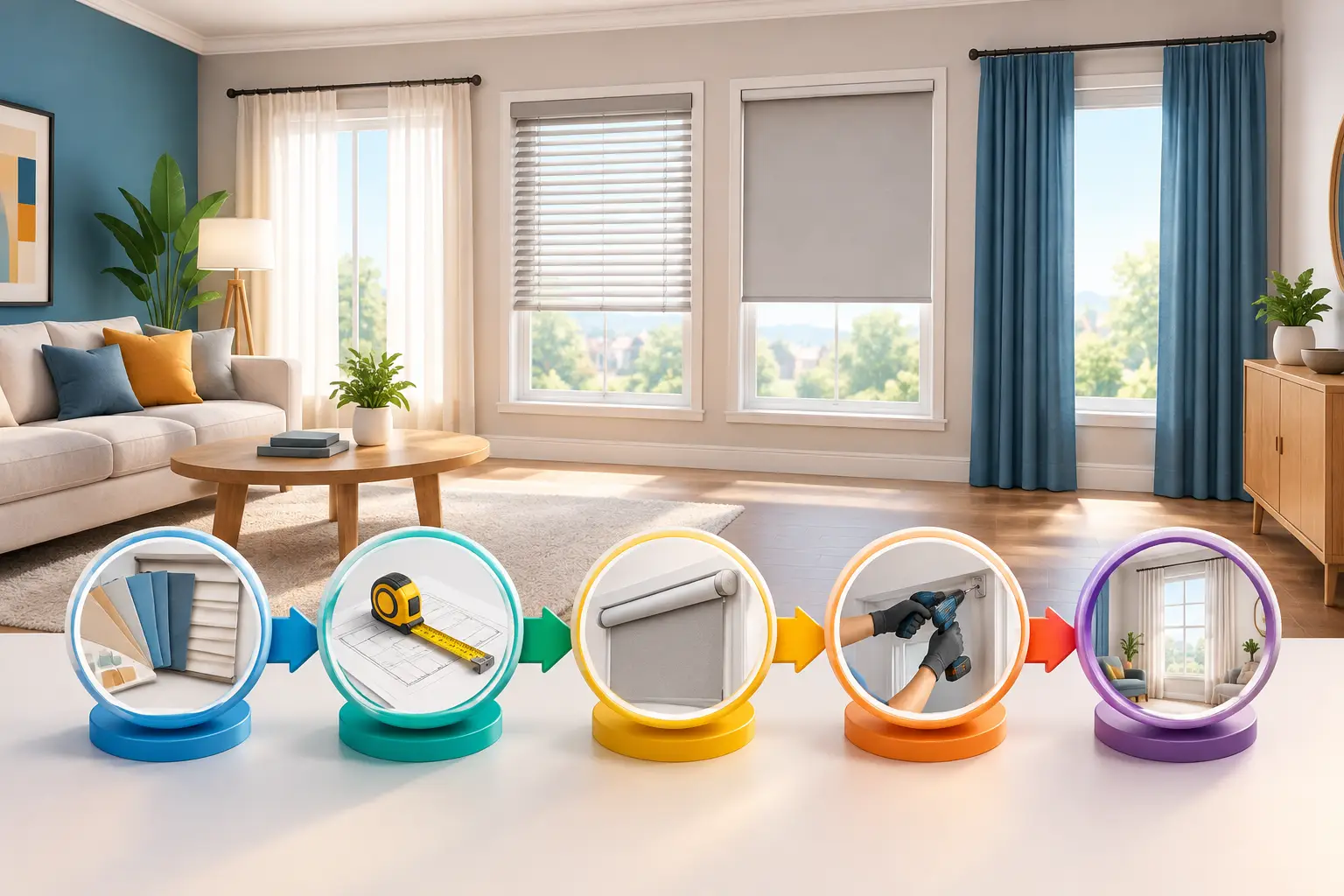
A beautiful result depends on planning. The windows should be measured correctly. The brackets and headrails need clean alignment. The fabric has to suit the room. The controls should feel intuitive. And the motorization should be selected around how you actually live, not just what sounds impressive in a showroom.
That is why a full-service approach matters. In homes across Northern Virginia, many homeowners want the benefits of custom motorized shades without the guesswork of online ordering, mismatched finishes, or installation problems. Seeing samples in your own home, comparing options against your light conditions and furnishings, and having the final product professionally installed makes a meaningful difference.
When motorization is done well, it feels elegant and effortless. When it is chosen poorly, it can feel like an expensive gadget attached to the wrong shade.
So, are motorized shades worth it?
If your home has challenging windows, strong sun exposure, a desire for cleaner design, or a household that values convenience, motorized shades are often worth it. They improve comfort, simplify privacy, support child safety, and make custom window treatments more functional day after day.
If the budget calls for restraint, there is no rule that says every window needs automation. A thoughtful mix of motorized and manual shades often delivers the best balance of luxury and value.
At their best, motorized shades are not about showing off technology. They are about making a home feel more comfortable, more polished, and easier to live in – which is usually the kind of upgrade that keeps paying you back long after installation day.