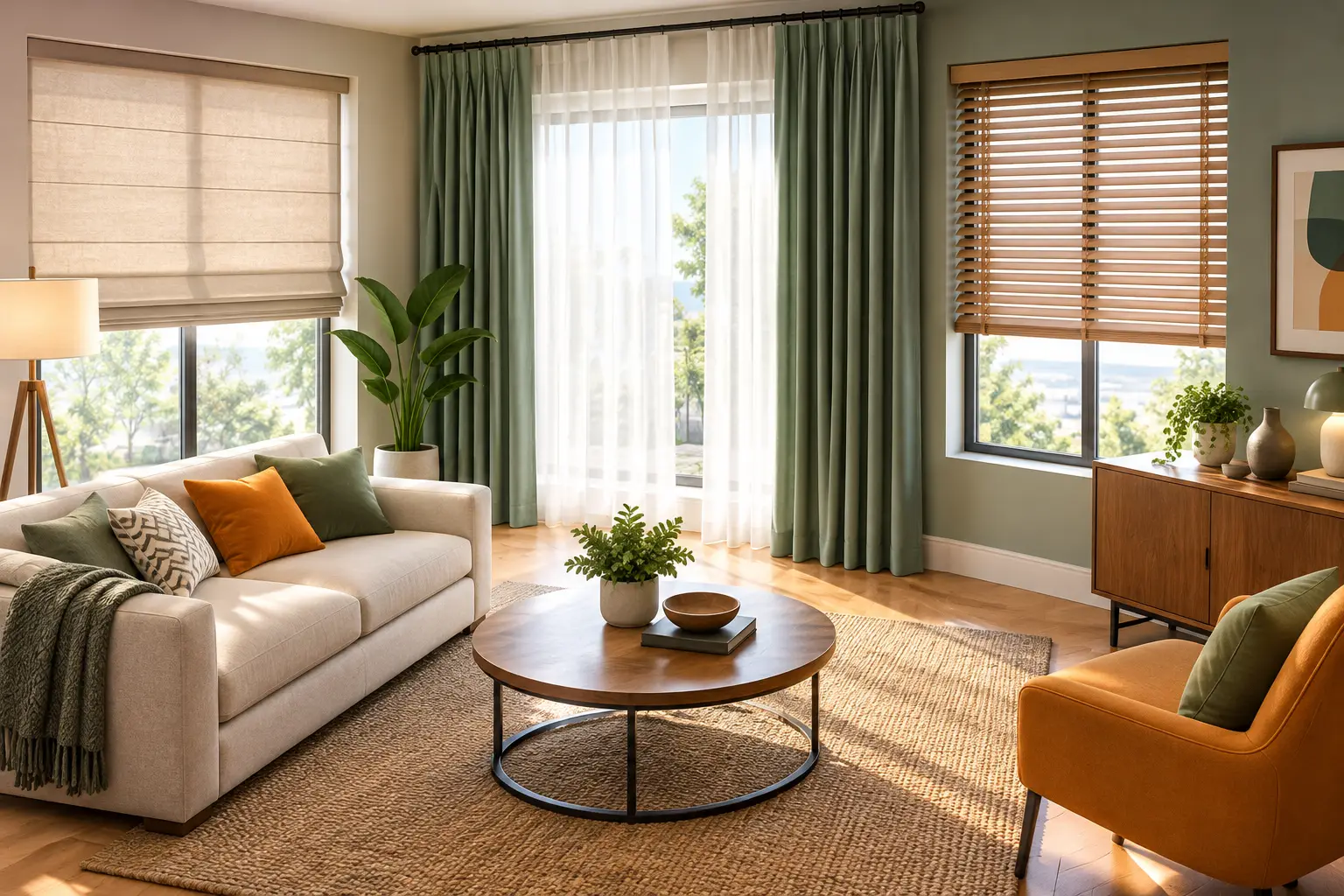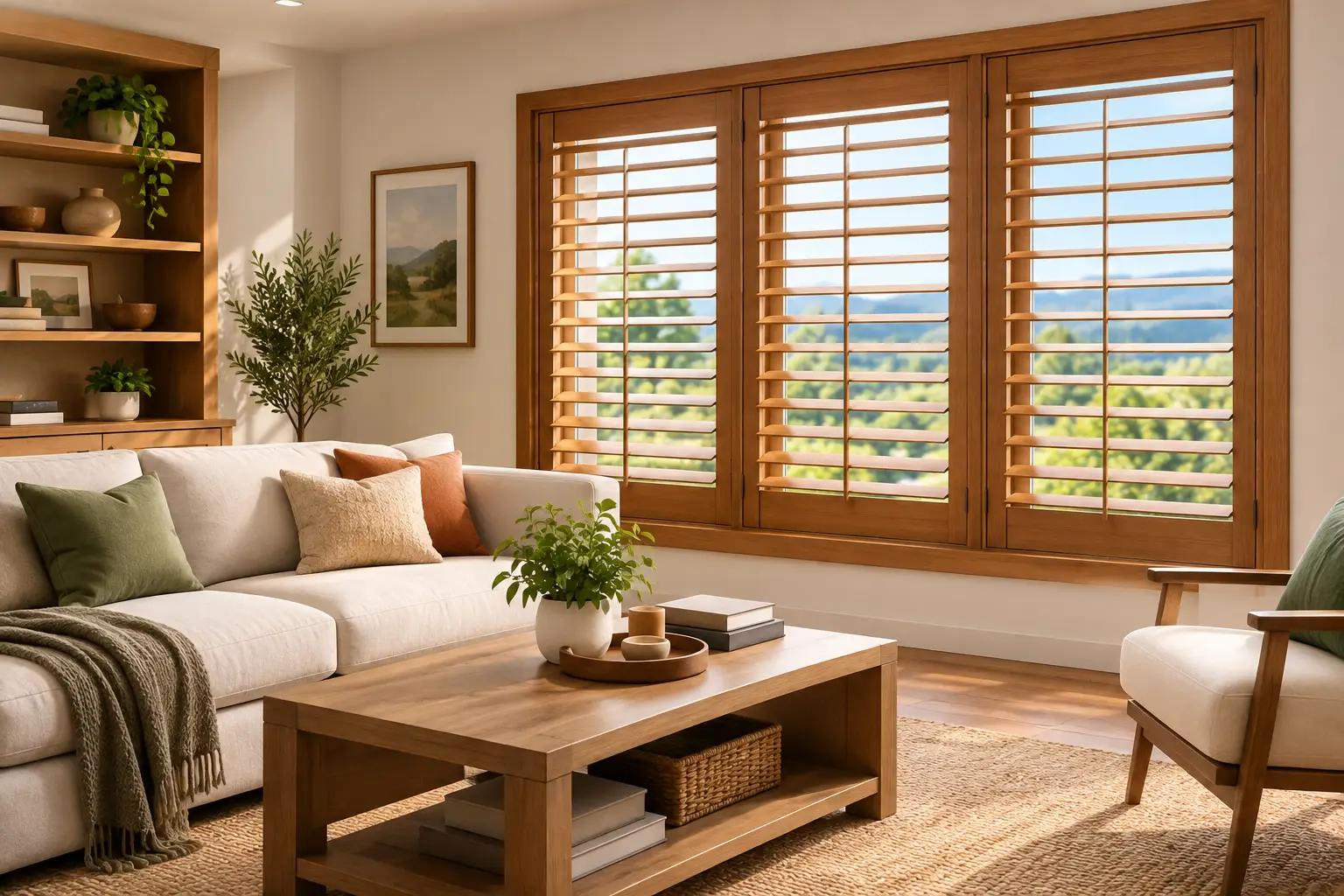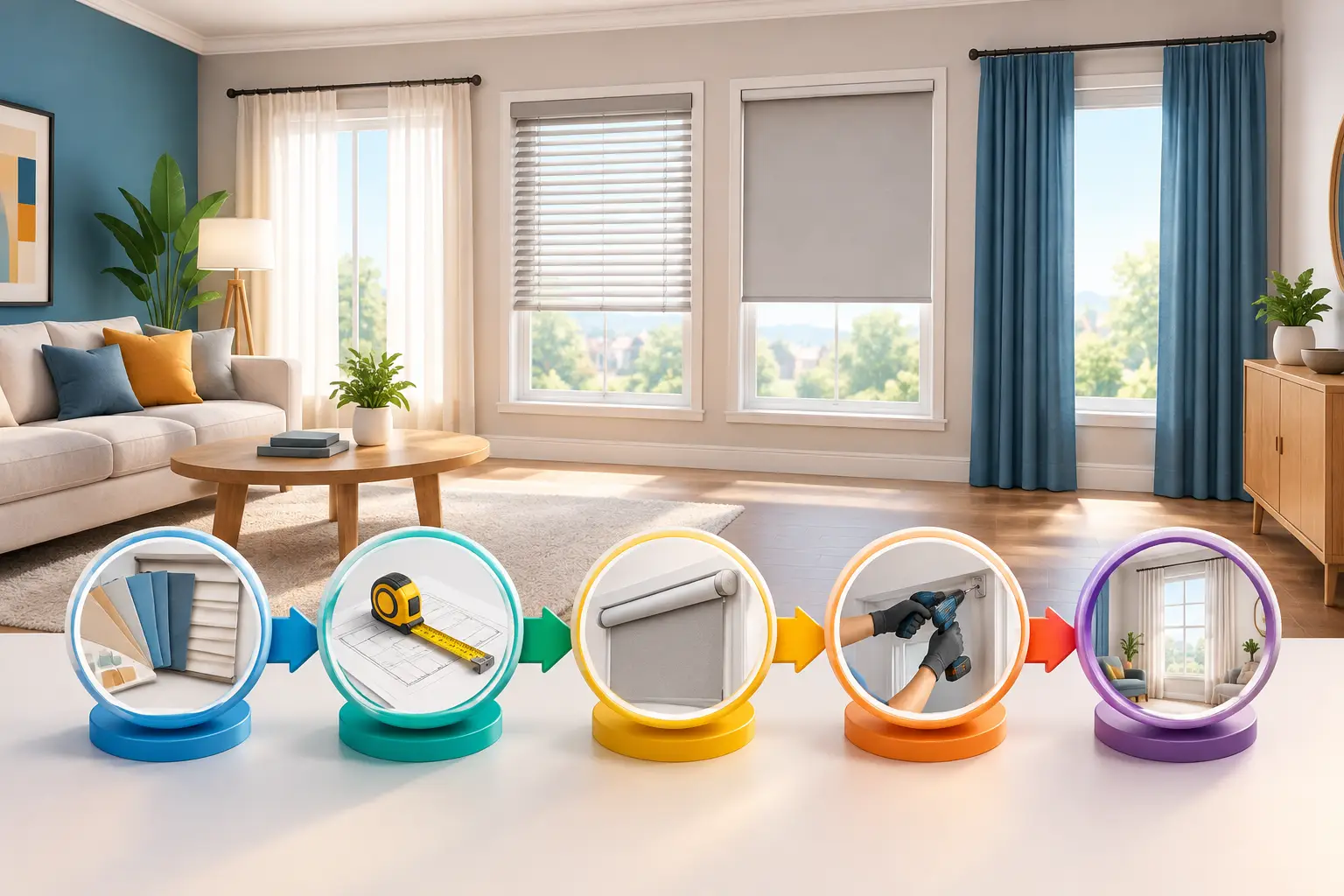
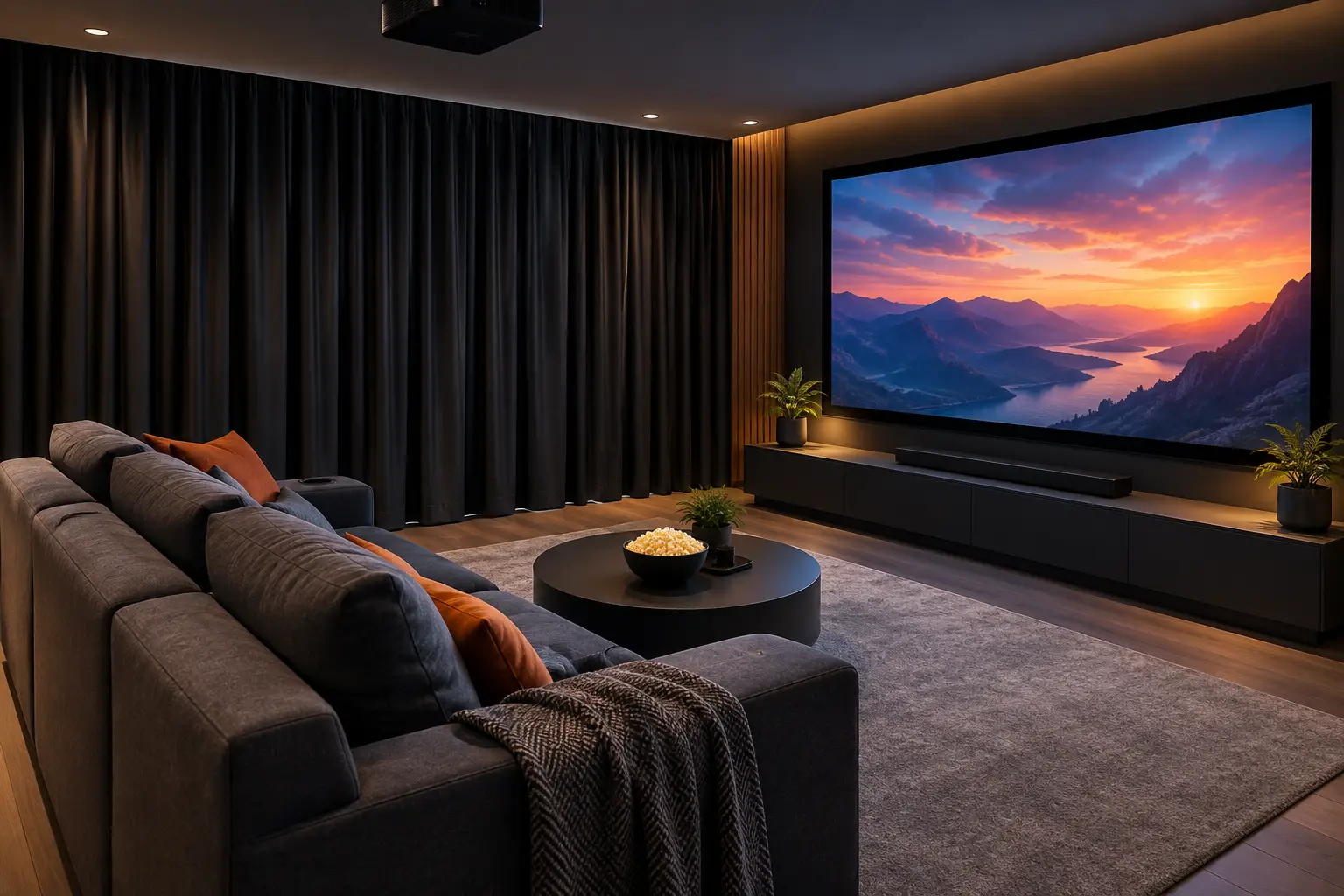
A beautiful media room can still disappoint the moment sunlight hits the screen. Colors wash out, reflections pull attention from the action, and even a premium television or projector has to compete with the window. Blackout drapery for media rooms solves that problem while giving the room the tailored, finished character that bare walls and standard blinds rarely achieve.
For Northern Virginia homeowners creating a dedicated theater, a lower-level entertainment room, or a multipurpose family space, the right drapery does more than make the room dark. It helps control glare, soften sound, protect furnishings, and make movie night feel intentional rather than improvised.
Why blackout drapery works in a media room
Media rooms need control. During the day, direct sun and ambient light can weaken screen contrast, making dark scenes appear gray and reducing the detail you paid for in your display. At night, outdoor lighting, passing headlights, and light from adjacent rooms can be just as distracting.
Blackout drapery uses an opaque lining or blackout fabric designed to block incoming light. When it is properly sized, installed close to the wall, and allowed to overlap the window opening, it can create a dramatically darker environment. That difference is especially noticeable with projectors, which generally perform best in rooms with very little stray light.
Drapery also brings something hard window treatments cannot fully replicate: softness. Fabric panels add visual warmth around a large screen, leather seating, built-ins, and acoustic wall panels. They can turn a room with impressive equipment into a space that also feels comfortable enough for a family gathering or a quiet weeknight film.
Blackout is not the same as room darkening
The terms are often used interchangeably, but they do not always describe the same result. Room-darkening fabric filters a significant amount of light. It may be a good choice for a casual TV room where some daylight is welcome, but it is not intended to create theater-level darkness.
True blackout material is made to prevent light from passing through the fabric itself. Still, even the best blackout fabric can allow light around its edges if the drapery is too narrow, mounted too high without enough return, or hung on a rod that leaves a large gap from the wall.
This is where custom design matters. The goal is not simply ordering panels labeled blackout. A specialist considers the window shape, the distance from the window to the ceiling, trim depth, and where light is entering the room. For a projector room, small details such as side returns and sufficient panel overlap can have an outsized effect on performance.
The details that make blackout drapery perform
A polished result begins with the right fabric, but the hardware and installation strategy are equally important. In many media rooms, a ceiling-mounted track provides the cleanest coverage because it reduces the space above the panels where light can escape. It can also make a standard-height room feel taller by carrying the fabric from ceiling to floor.
For especially demanding spaces, consider a wrapped or return-style drapery track. The track curves or extends toward the wall at each end, allowing the panels to sit closer to the wall and minimize side light gaps. A valance or upholstered cornice can further reduce light leakage from above while adding an architectural detail that coordinates with the room.
Fullness matters, too. Drapery should not look flat when closed. Custom panels are typically made with extra fabric so they form graceful folds, maintain their presence, and provide better coverage. The exact fullness depends on the fabric weight, heading style, and desired look, but it should be planned rather than guessed.
Length deserves the same care. Floor-length panels generally look more luxurious than panels that stop at the sill, particularly in a media room with a large wall-mounted television or projector screen. They also help cover more of the window area. A professional installer can ensure the finished drapery hangs evenly, clears vents and furniture, and operates without dragging or catching.
Choosing fabric, color, and lining
A media room does not need to be decorated in black to perform well. Darker wall colors and matte finishes can reduce reflection around a projector screen, but blackout drapery can be selected in a wide range of colors, textures, and patterns. Deep navy, charcoal, espresso, olive, and richly textured neutrals are popular because they feel sophisticated and help the room stay visually calm during viewing.
Lighter fabrics can also work when the room is primarily used for television rather than projection. The blackout lining does the functional work, while the face fabric supports the rest of the design. This approach lets homeowners coordinate drapery with sectional upholstery, rugs, artwork, or adjacent living spaces without sacrificing light control.
Texture is often more effective than a busy print. A subtle woven fabric, linen-look textile, velvet, or soft geometric pattern adds depth without becoming a distraction when the screen is on. Velvet is a particularly compelling option for a theater-inspired room because it feels luxurious, helps absorb some sound, and naturally suits a darker palette. It is heavier, however, so it requires quality hardware and careful planning for smooth operation.
Motorized blackout drapery for everyday convenience
A media room should not require a manual routine every time someone wants to watch a show. Motorized drapery makes it easy to close large or hard-to-reach window coverings with a wall control, remote, app, or compatible smart-home system.
The benefit is more than convenience. With programmed scenes, the drapery can close when movie mode begins and open again afterward. In rooms with multiple windows, motorization ensures every panel moves together, creating a clean, consistent look. It is also a practical choice for tall windows, wide glass doors, and installations where furniture sits in front of the window wall.
There is a budget trade-off. Motorization adds cost, and battery-powered versus hardwired options should be considered early in the project. Hardwired systems can be especially appealing during a renovation or new build, while battery solutions may suit finished rooms where opening walls is not desirable. A consultation helps determine which approach makes sense for the room and how often the drapery will be used.
Pairing drapery with shades for better flexibility
Some media rooms double as living rooms, playrooms, or home offices. In those spaces, total darkness is not always the goal. Layering blackout drapery over a shade gives homeowners greater control throughout the day.
A solar shade can reduce glare while preserving a view and allowing softened daylight into the room. At movie time, the blackout drapery closes over it for stronger light blocking and a more dramatic atmosphere. Cellular shades may also be considered when insulation is a priority, particularly on large or older windows that feel warm in summer and cool in winter.
Layering has an aesthetic advantage as well. The shade handles daily privacy and light filtering, while the drapery frames the window, softens the wall, and delivers a high-end designer finish. The key is coordinating the systems so the shade does not interfere with the drapery track or cause the treatments to feel crowded.
Common mistakes to avoid with media room drapery
The most common mistake is buying ready-made panels that are too narrow or too short. They may be labeled blackout, yet gaps around the window can leave the room brighter than expected. Another is selecting a decorative fabric without confirming whether the lining, track, and mounting style will provide the darkness needed for a projector.
Homeowners also sometimes overlook stack-back. When open, drapery needs somewhere to gather. If panels are too wide, they can cover valuable glass, block a view, or interfere with doors. A custom plan accounts for where the fabric will sit when open as carefully as how it performs when closed.
Finally, do not treat installation as an afterthought. Heavy, lined drapery requires secure mounting, precisely leveled tracks, and clean hems. The difference between an adequate solution and a luxurious finished room often comes down to these final inches.
A custom approach for a room built around viewing
The best blackout drapery for a media room reflects how the room is actually used. A dedicated projector theater may call for dark, full-height panels on a return track with motorization. A bright family room with a television may benefit more from layered solar shades and lined decorative drapery. There is no single treatment that fits every window or every viewing setup.
At Covering Windows, a free in-home consultation makes it possible to evaluate the light in your room, review fabrics and hardware in person, and design a solution that suits both your screen and your home. When the lights go down, the right drapery should do its job quietly, leaving nothing between your family and the experience on screen.