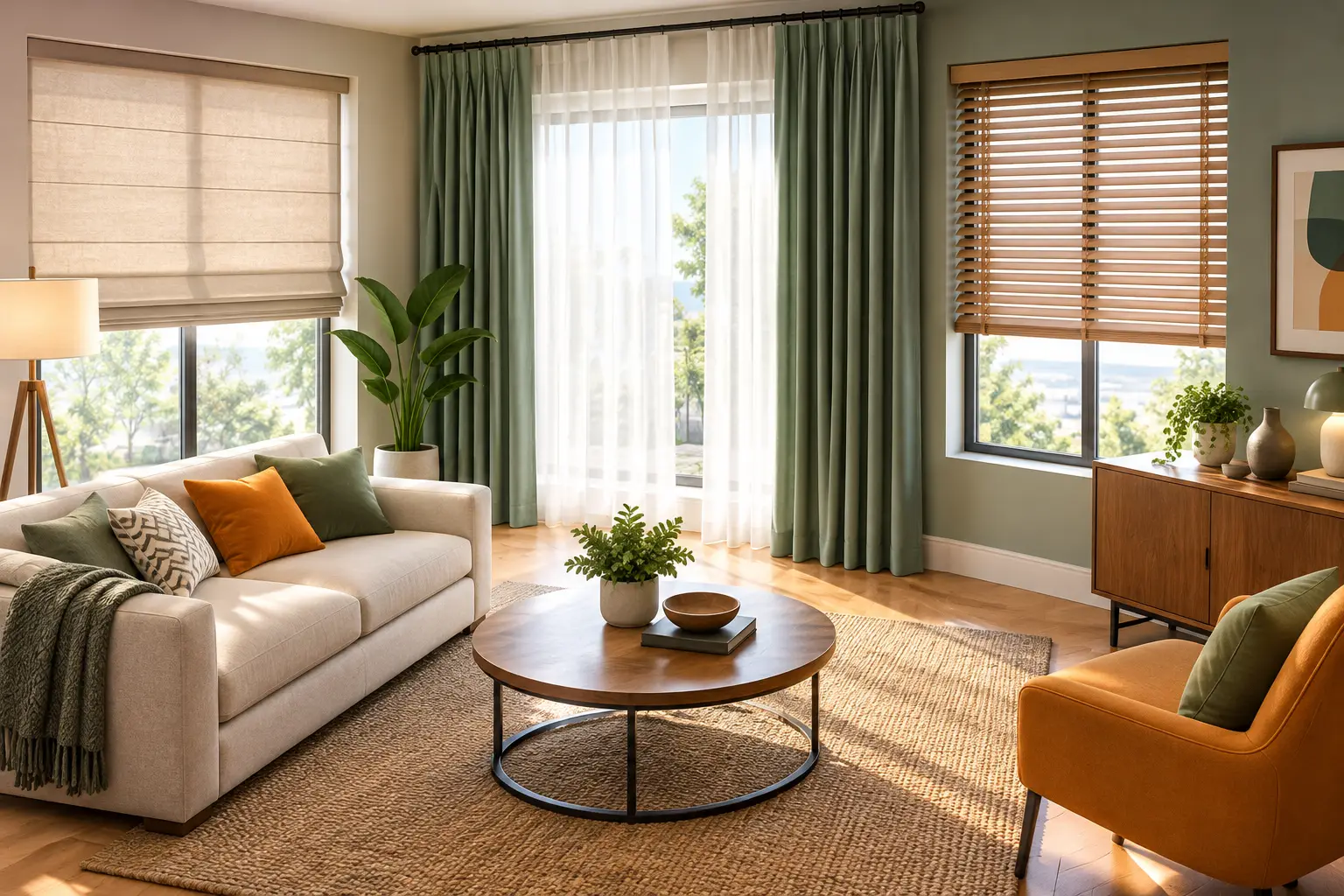
A beautiful window can lose much of its impact when it is covered by a flimsy blind, a poorly fitted shade, or drapery that never quite hangs correctly. This plantation shutters review looks at the choice from a homeowner’s perspective: how shutters perform every day, where the investment makes sense, and when another treatment may serve the room better.
Plantation shutters are not a quick, low-cost window covering. They are custom-built interior panels with adjustable louvers, fitted to the window opening and installed as a lasting part of the home. For many Northern Virginia homeowners, that permanence is precisely the appeal. The right shutters bring tailored architecture, dependable privacy, and a level of polish that off-the-shelf treatments rarely match.
Plantation Shutters Review: What You Get for the Investment
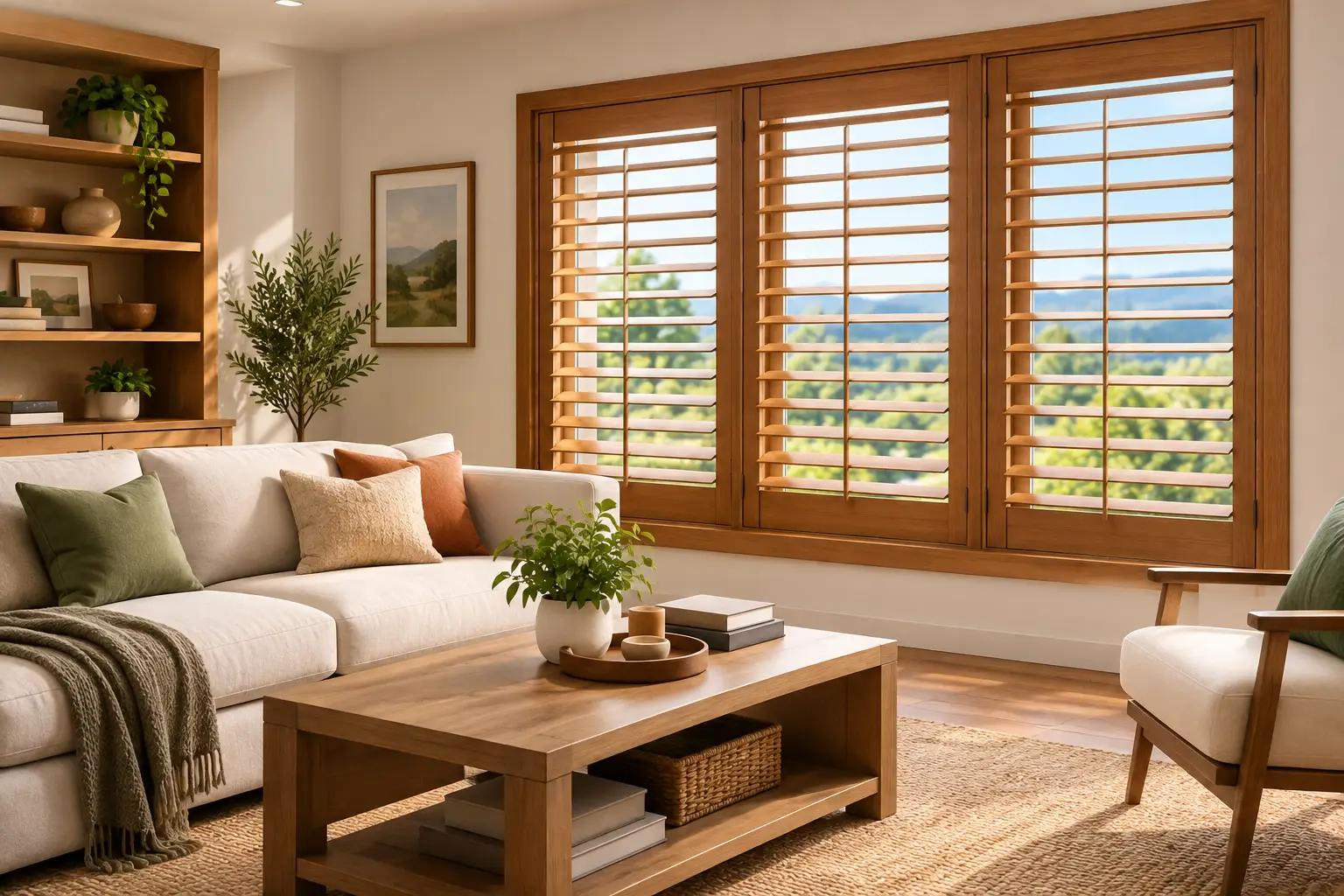
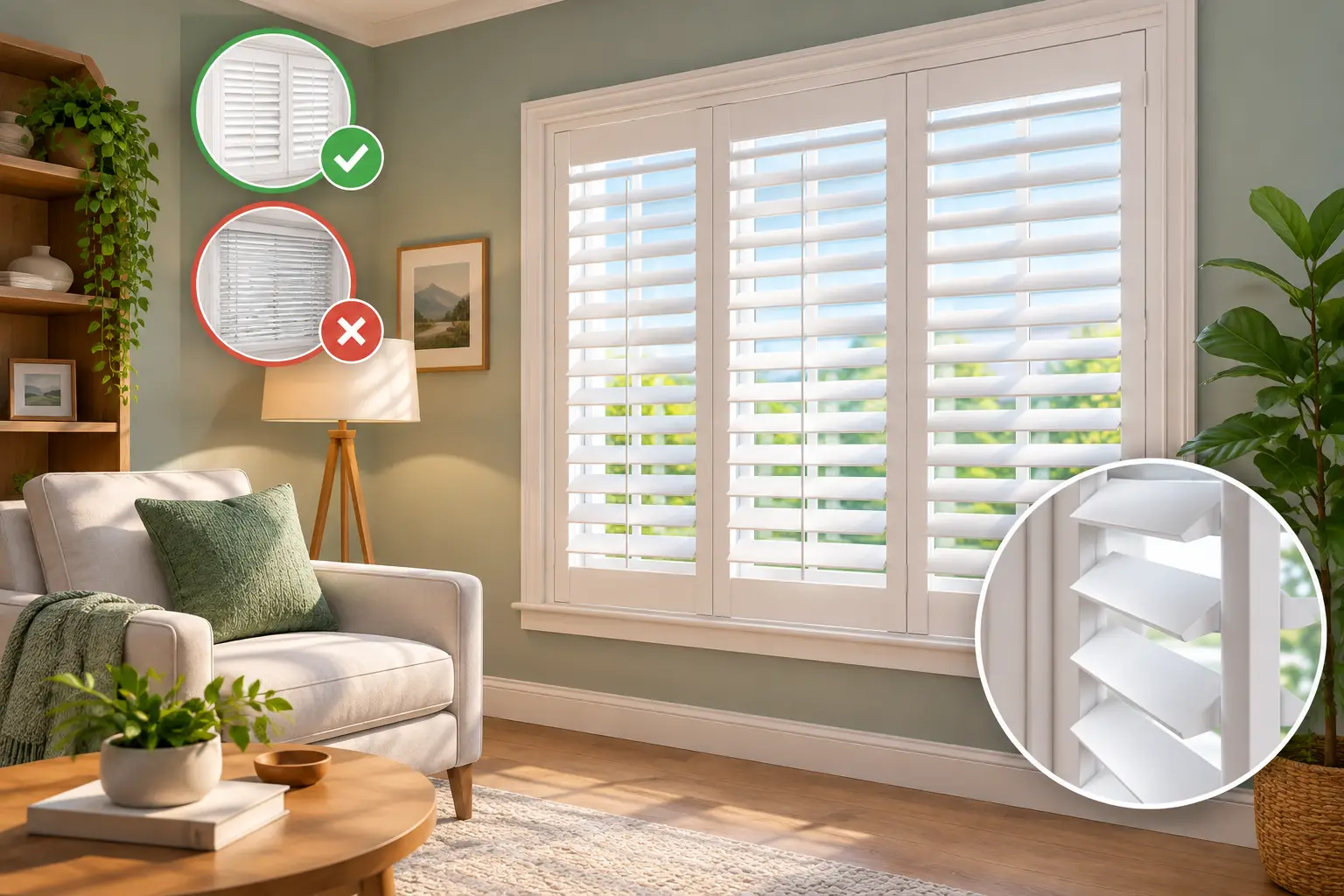
Unlike blinds or ready-made shades, plantation shutters are designed around the dimensions, shape, and function of each individual window. The panels are mounted in a frame, and the louvers can be tilted to filter daylight, direct the view, or close for privacy. This creates a substantial, furniture-quality look that works especially well in traditional homes, transitional interiors, and clean-lined contemporary spaces.
Their biggest advantage is control. Open the panels fully and the window remains unobstructed. Close the panels and tilt the louvers upward to bring in daylight while limiting direct views into the room. That flexibility is useful in closely spaced neighborhoods, front-facing rooms, bedrooms, and home offices where privacy changes throughout the day.
Shutters also offer a more finished look than most alternatives. Because they are built into the window opening, they feel intentional rather than added on. In a renovated kitchen, a formal living room, or a primary suite, that visual weight can make the room feel more complete.
The trade-off is clear: custom shutters cost more upfront than standard blinds and many shades. They also require thoughtful choices about louver size, panel configuration, material, and mounting style. A casual measurement or an online guess can turn an investment piece into a daily annoyance, which is why professional measuring and installation matter so much.
How Plantation Shutters Perform in Real Homes
Light control and privacy
Plantation shutters provide excellent everyday light control, though they are not always a true blackout solution. When louvers are closed, small lines of light can remain between them, depending on the shutter design and how the panels meet. For living spaces, offices, and many bedrooms, that is often more than enough. For a nursery, media room, or bedroom where near-total darkness is essential, shutters may be paired with room-darkening drapery or a blackout shade.
Their privacy performance is a major strength. You can angle louvers to admit light from above while reducing sightlines from the street or neighboring homes. This is especially valuable in areas with large front windows, walkable streets, or homes built close together.
Energy efficiency and comfort
A well-fitted shutter creates an additional barrier between the glass and the room. It can help reduce the feeling of cold radiating from windows in winter and limit harsh solar heat in summer. The benefit varies with the window’s age, orientation, glass quality, and the shutter material, so shutters should not be treated as a replacement for energy-efficient windows.
Still, they can improve comfort in rooms with strong afternoon sun or drafty older windows. When sunlight is beating into a south- or west-facing space, angled louvers can soften glare without forcing you to live in darkness. That makes shutters a practical design choice, not simply a decorative one.
Cleaning and durability
Shutters are generally easier to maintain than fabric window treatments. A light dusting, microfiber cloth, or vacuum brush attachment handles routine care. In kitchens and homes with pets or children, the ability to wipe down a hard surface is a genuine advantage.
Durability depends heavily on material and installation quality. A poorly made shutter can warp, sag, discolor, or develop loose louvers over time. A properly specified custom shutter should operate smoothly, align neatly, and feel solid when panels are opened and closed. This is one category where lower pricing can sometimes reveal itself years later, not just on installation day.
Wood vs. Faux Wood Plantation Shutters
Material is one of the most important decisions in any plantation shutters review. Both wood and faux wood products can be attractive, but they are not interchangeable.
Wood shutters have a refined appearance, especially on larger windows, specialty shapes, and rooms where architectural detail matters. They are typically lighter in weight than composite shutters, which can be helpful for oversized panels. Wood can also be painted or stained in a broad range of finishes, allowing a closer match to cabinetry, trim, or existing furnishings. For homeowners seeking a more luxurious, furniture-grade result, wood is often the preferred choice.
Faux wood or composite shutters are popular for their moisture resistance and durability. They are often a smart option for bathrooms, laundry rooms, and other areas with humidity. Depending on the product, they may have a slightly more substantial feel and can be heavier on large openings. Quality varies widely, so it is worth seeing full-size samples rather than choosing from a small color chip.
The best answer depends on the room. A painted wood shutter may be ideal for a front living room or primary bedroom. A high-quality faux wood shutter may be the more practical choice for a busy bathroom. A knowledgeable consultant should explain those differences without pushing one material as the automatic answer for every window.
The Cost Question: Are Shutters Worth It?
Plantation shutters are usually priced by the opening, material, configuration, and installation complexity. A small, simple rectangular window costs far less than a wide bay, French doors, arched windows, or a room with multiple large openings. Custom paint colors, hidden tilt options, specialty frames, and unusually deep or shallow window openings can also affect the quote.
That makes a single online price difficult to trust. The real comparison is not shutters versus the cheapest blind available. It is shutters versus the value you expect from the room over time. If you plan to stay in the home, want a durable treatment that will not need frequent replacement, and care about architectural consistency, shutters can be a strong long-term investment.
They may be less compelling in a temporary residence, a room where complete blackout is nonnegotiable, or a space with windows that need frequent, wide-open access. For example, a large sliding glass door may function better with a vertical shade, a panel-track system, or a tailored drapery solution. Good design is about choosing the right treatment, not forcing shutters onto every opening.
Details That Separate a Great Installation From an Average One
Shutters are only as good as their fit. Windows are rarely perfectly square, even in newer construction. Professional installers account for small variations in the opening so the frame sits level, panels close properly, and louvers remain aligned.
The panel layout also matters. Wide windows may need multiple panels, and the way those panels divide can either complement the window or make it look crowded. Louver size affects the view and the style. Larger louvers offer a more open view and a contemporary feel, while smaller louvers can suit more traditional proportions.
Consider how you use the window before selecting a configuration. Will you need to open it often? Is it behind a faucet, sofa, or bed? Does it face a walkway where daytime privacy matters? These practical questions should guide the final design just as much as the color of the finish.
Who Should Choose Plantation Shutters?
Shutters are especially well suited to homeowners who want a permanent, elevated treatment with strong privacy and flexible light control. They are a natural fit for front rooms, bedrooms, bathrooms, home offices, kitchens, and windows with attractive trim worth highlighting.
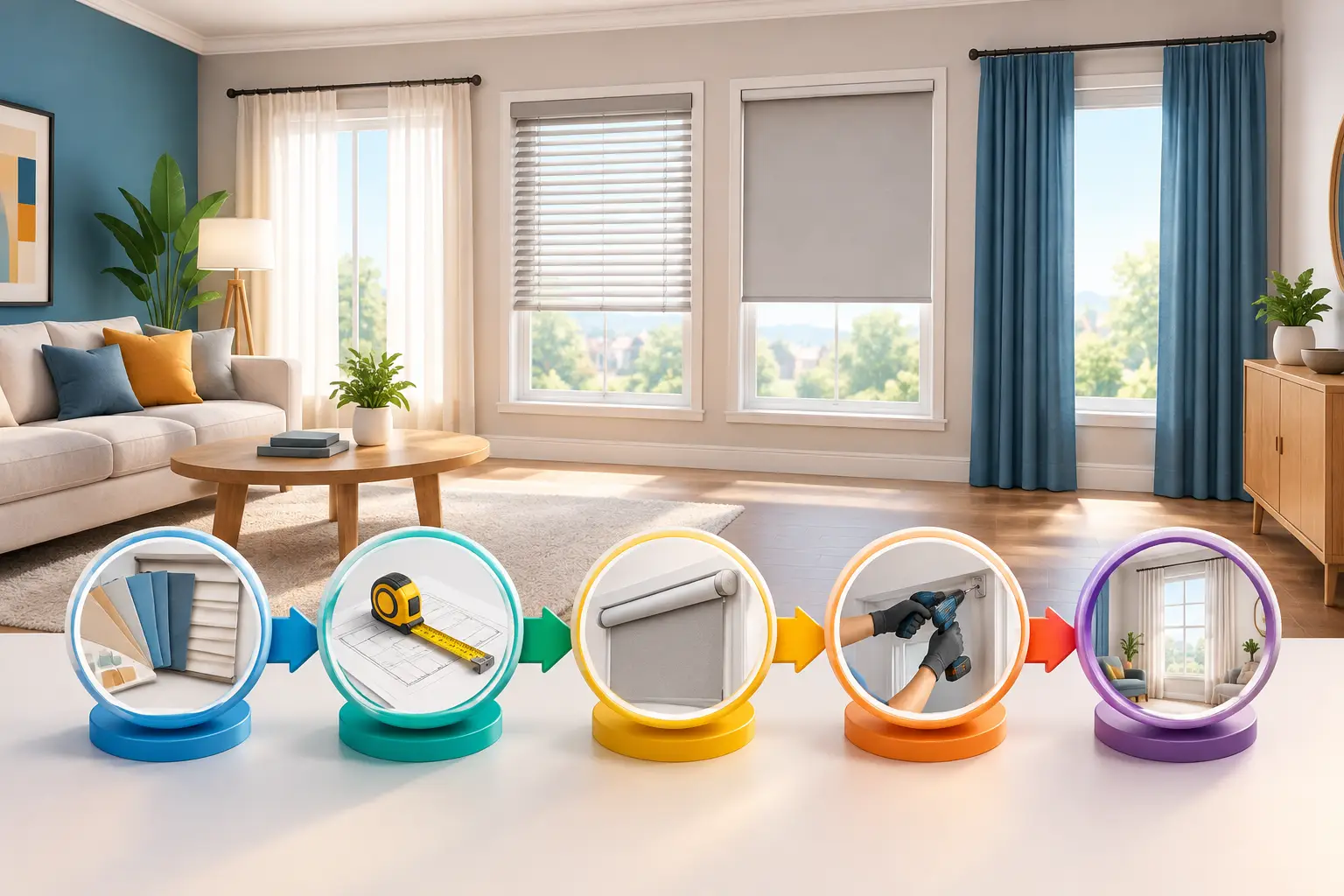
They are also a smart choice for homeowners who are tired of replacing bent blinds, dealing with tangled cords, or wondering whether an online order will fit. The value of a local, in-home consultation is not simply convenience. It is the confidence that someone has evaluated the light, window depth, room layout, and design direction before the order is placed.
At Covering Windows, that process includes bringing samples into the home, helping you compare materials and finishes in your actual light, and managing the details through professional installation. For a product meant to look built-in, that hands-on approach protects both the investment and the finished result.
The most helpful next step is to look at shutters in the rooms where you spend the most time. Notice the light you want to keep, the privacy you need, and the architectural details you want to preserve. The right window treatment should make those decisions feel easier every morning, not become another compromise you notice every day.