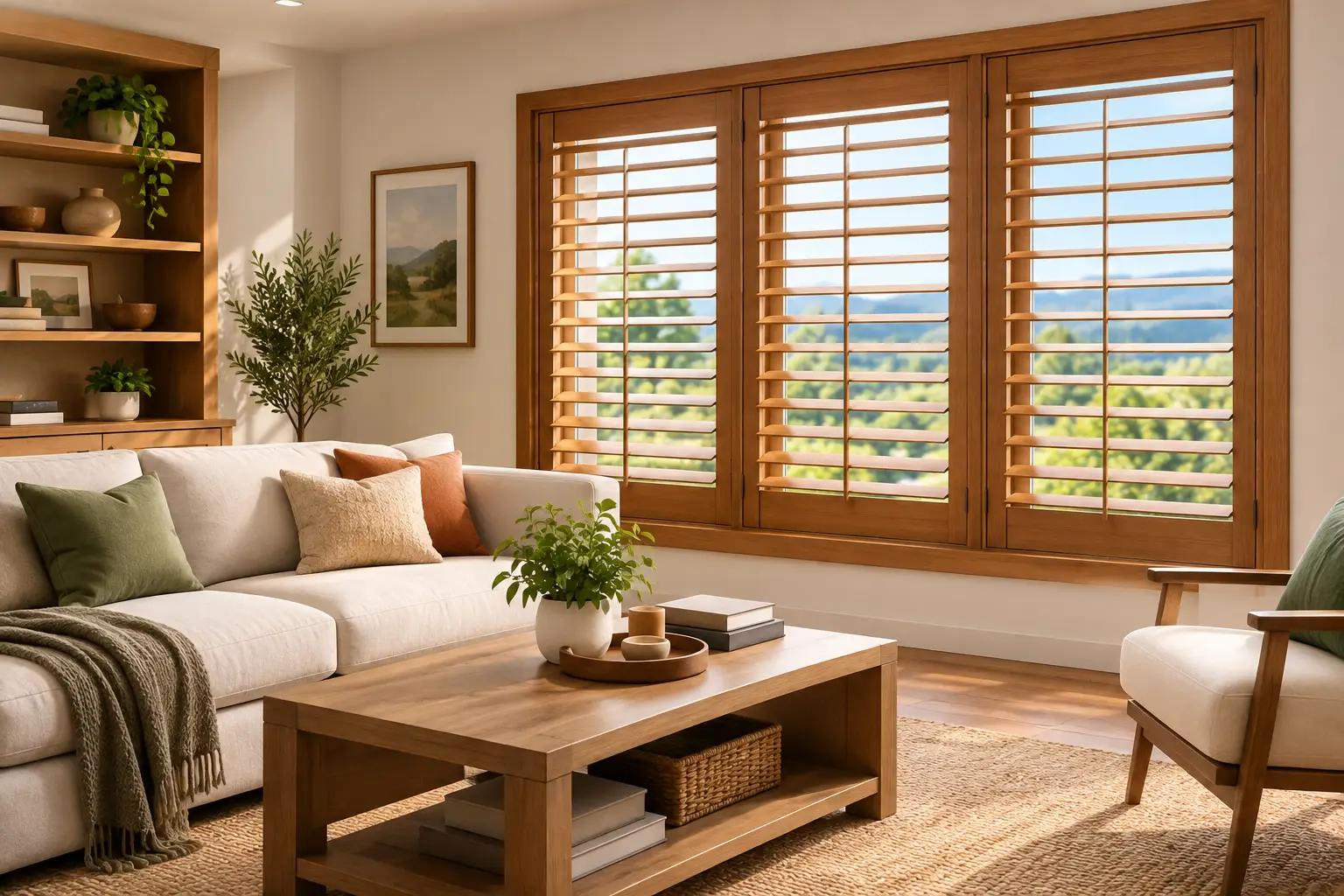
A bright family room should feel inviting, not like a place where everyone squints at the television by midafternoon. If you have asked, what are light filtering shades, the short answer is that they soften incoming sunlight rather than blocking it completely. They preserve the comfortable glow of natural light while reducing glare, harsh contrast, and the feeling that your windows are working against the room.
For many Northern Virginia homeowners, that balance is exactly the point. You may love the generous windows in your home, but still want more privacy, better screen visibility, and protection for furnishings without turning a beautiful room dark. Light filtering shades are designed for that middle ground.
What Are Light Filtering Shades Designed to Do?
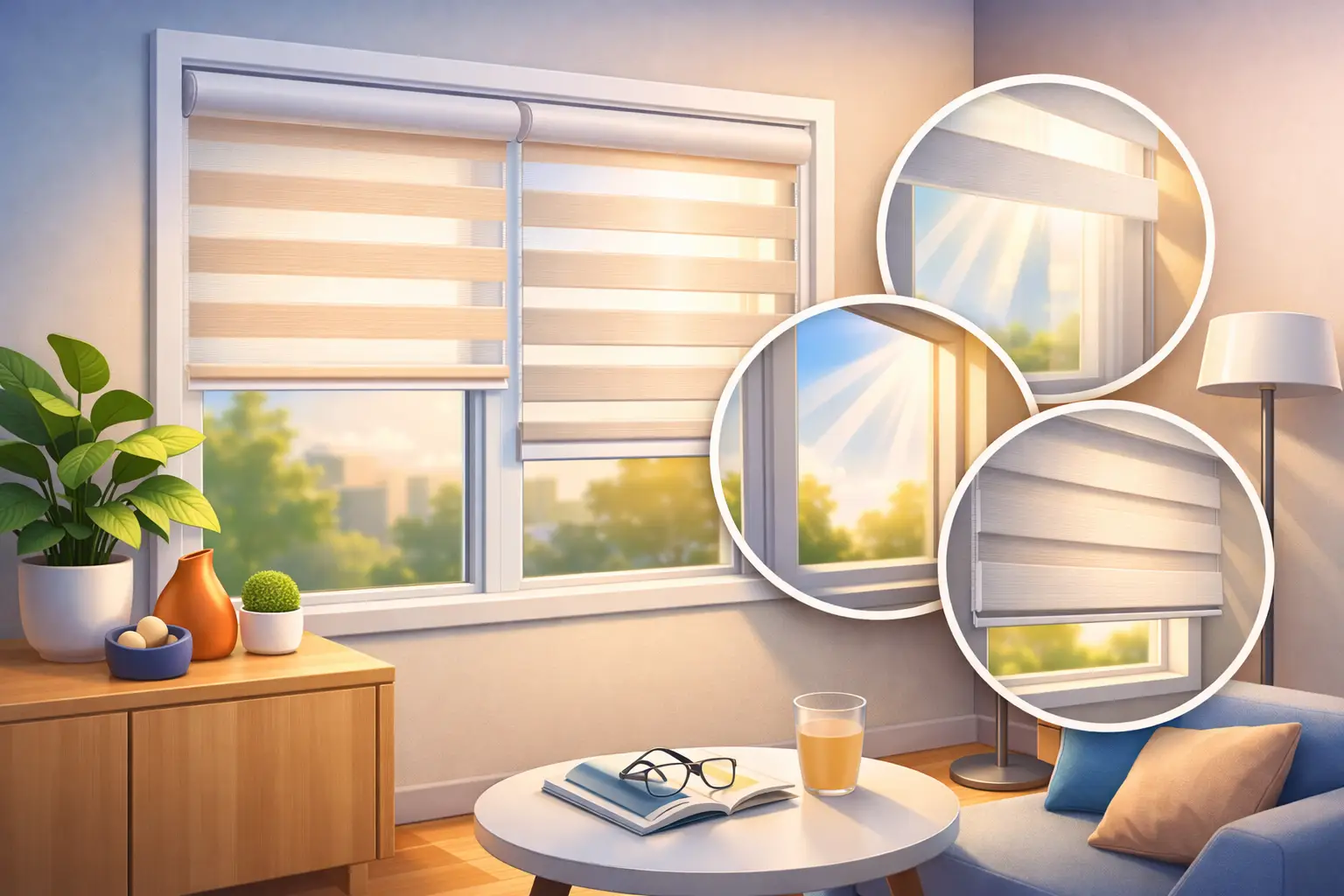
Light filtering shades are made with semi-opaque fabrics or materials that diffuse sunlight as it enters a room. Instead of direct, sharp rays crossing the floor or hitting a desk, the light is softened and spread more evenly. The room remains bright, but the atmosphere becomes calmer and more comfortable.
Think of the effect as similar to sunlight through a soft curtain. You can often still recognize daylight outside, but the details are muted and the glare is reduced. The exact result depends on the fabric color, weave, opacity, window direction, and how much sun the room receives throughout the day.
These shades are especially popular in living rooms, kitchens, breakfast areas, home offices, and open-concept spaces where homeowners want daylight without the intensity. They can also be a refined choice for bedrooms when complete darkness is not necessary.
The privacy trade-off homeowners should understand
Light filtering shades provide useful privacy during the day because they make it harder for people outside to see clearly into your home. At night, however, the equation changes. When your interior lights are on and it is dark outside, silhouettes and movement may be visible through many light filtering fabrics.
That does not make them a poor choice. It simply means they should be selected with the room and your privacy expectations in mind. A front-facing sitting room may benefit from a more opaque fabric, side panels, or a second layer. A private backyard window may need nothing more than a beautiful light filtering shade.
How Light Filtering Shades Compare With Other Options
The term can sound straightforward, but it helps to compare light filtering shades with nearby categories before choosing a fabric.
Light filtering shades soften daylight and reduce glare while maintaining a bright, open feeling. They offer moderate daytime privacy and can help protect interiors from the sun’s harshest effects.
Sheer shades are generally more transparent. They can provide a soft, elegant look and preserve more of the view, but they usually offer less privacy and less light control than a true light filtering material.
Solar shades are designed primarily to manage glare, heat, and UV exposure while preserving an outward view. Their openness factor affects how much you can see out and how much light comes in. They are a smart consideration for large windows, offices, and rooms with strong sun exposure, although nighttime privacy can be limited.
Room-darkening shades use denser materials that substantially reduce incoming light. They are well suited for bedrooms, media rooms, and nurseries, but they create a more enclosed look during the day.
Blackout shades are intended to block as much light as possible. Even then, small light gaps can appear around the sides of the shade depending on the mounting method and window shape. For homeowners seeking the darkest possible result, professional measuring and the right product configuration matter as much as the fabric itself.
The right choice is rarely about choosing the “best” category overall. It is about deciding what the room needs at 8 a.m., 2 p.m., and after sunset.
Where Light Filtering Shades Work Best
Light filtering shades are often the most versatile option in rooms where daily comfort matters as much as appearance. In a kitchen or breakfast nook, they reduce the harsh morning sun without making the space feel closed off. In a home office, they can lessen screen glare while keeping the room pleasant for video calls and focused work.
They are equally effective in formal living spaces where you want the architecture and natural light to remain part of the design. A well-selected fabric can add softness to expansive windows, balance hard surfaces such as stone and wood flooring, and give the entire room a more finished look.
For rooms with western exposure, light filtering shades can take the edge off strong afternoon light. Still, intense sun may call for a denser fabric, solar shade, or layered treatment. A custom consultation is valuable here because two rooms with similar windows can perform very differently depending on orientation, landscaping, and how the space is used.
Choosing the Right Fabric, Color, and Style
Not all light filtering shades create the same look. Fabric selection affects how much light comes through, how much privacy you receive, and whether the shade feels crisp and tailored or soft and decorative.
Lighter fabrics tend to make a room feel airy and expansive. They reflect more light and work beautifully in homes with a clean, transitional, or coastal-inspired design. Darker fabrics can create stronger visual definition and may offer a clearer outward view in some solar materials, but they can make a room feel more intimate.
The shade style also shapes the result. Roller shades have a clean, minimal profile and suit contemporary interiors. Roman shades bring texture and a more decorative presence, making them a natural fit for dining rooms, bedrooms, and tailored living spaces. Cellular shades offer a softer appearance with the added advantage of insulation, which can be appealing for rooms that feel too warm in summer or cool in winter.
For homeowners who want both daytime softness and nighttime privacy, layering is often the most polished solution. A light filtering shade paired with drapery panels, for example, offers flexible control and adds the kind of depth that makes a room feel professionally designed.
Can Light Filtering Shades Help Protect Furniture?
Yes, they can help reduce exposure to the sunlight that contributes to fading and wear on hardwood floors, rugs, upholstery, artwork, and wood furnishings. By diffusing direct light, they lessen the intensity reaching your interior surfaces.
However, no standard light filtering shade eliminates all UV exposure or heat gain. If you have a room with valuable art, delicate textiles, or strong all-day sun, ask about fabrics engineered for higher UV protection or consider solar shades and layered treatments. The best recommendation should reflect what you are protecting, not just the color of the shade.
Why Custom Measurement Matters
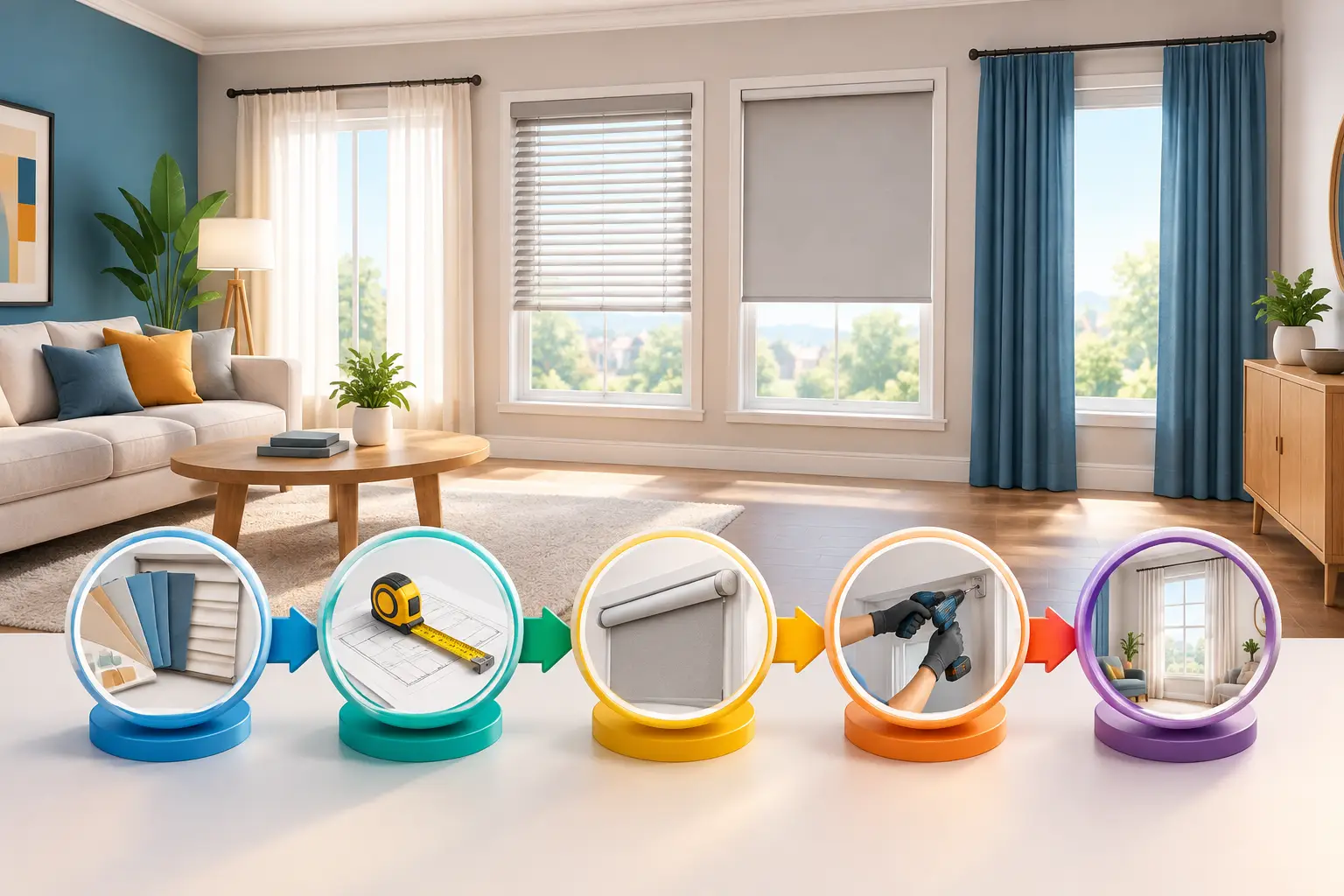
A shade may look simple, but its performance depends on details that are easy to overlook online. Inside versus outside mounting affects light gaps, proportions, and privacy. Window depth determines which products can be recessed properly. Handles, trim, French doors, and uneven surfaces can all change the right installation approach.
Custom sizing also creates the clean lines homeowners expect from premium window treatments. A properly fitted shade sits where it should, raises smoothly, and looks intentional rather than like a temporary addition. Motorization can make the experience even more practical, particularly for tall windows, hard-to-reach areas, or a home where you want shades to adjust on a schedule.
At Covering Windows, the goal is not to hand you a fabric swatch and leave you to solve the rest. Seeing materials in your actual lighting, reviewing privacy needs room by room, and handling professional installation helps turn a good product choice into a finished result that feels right in your home.
Are Light Filtering Shades Right for Your Home?
Light filtering shades are a strong choice when you want to enjoy natural light without the glare, exposure, and visual harshness that can come with uncovered windows. They are not the answer for every bedroom or every street-facing window, but they are one of the most flexible ways to make bright rooms more comfortable and beautifully composed.
Start with how you want each room to feel, not just how much light you want to block. The best window treatment should support the way you live there – from quiet mornings with coffee to sunny afternoons, private evenings, and everything in between.