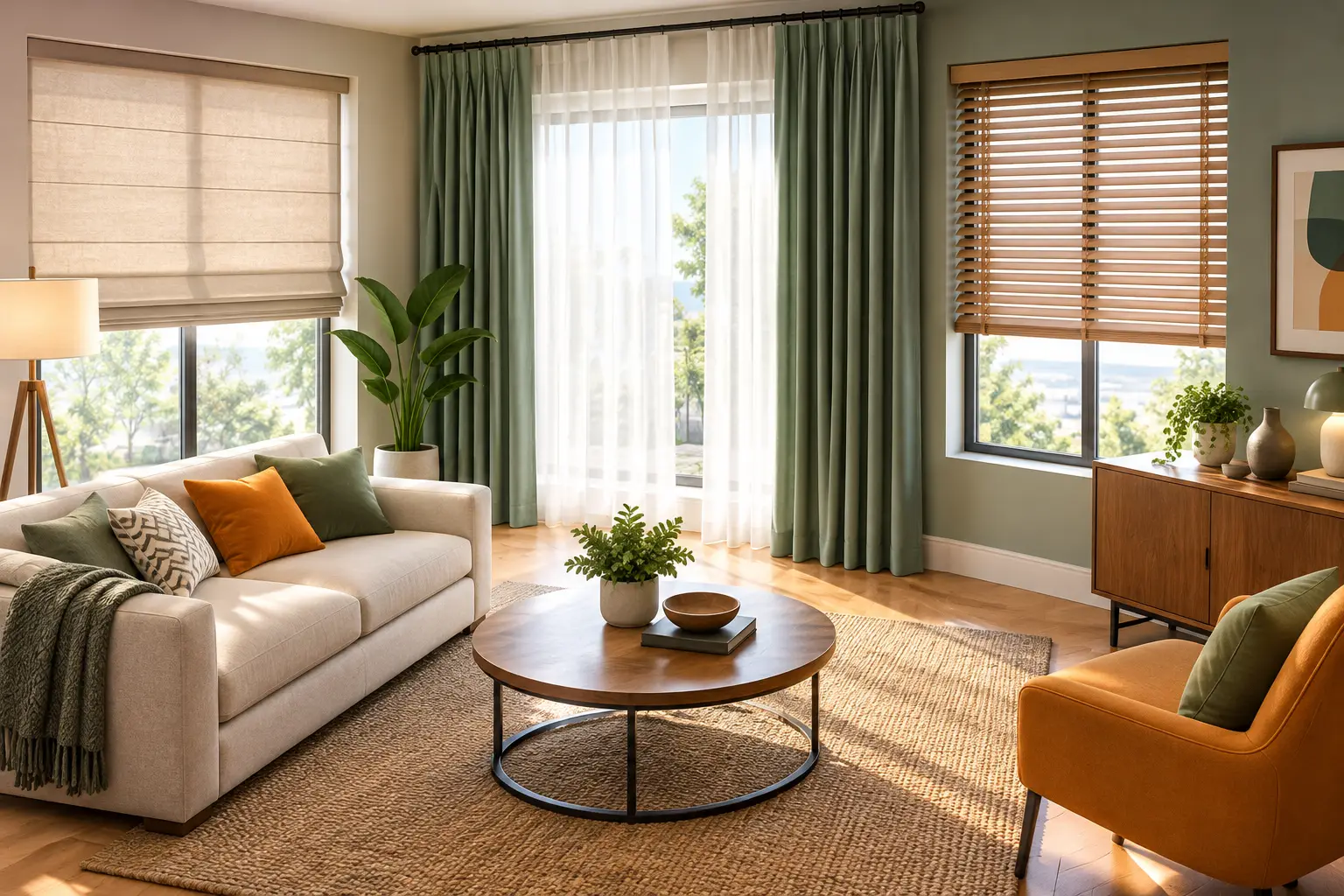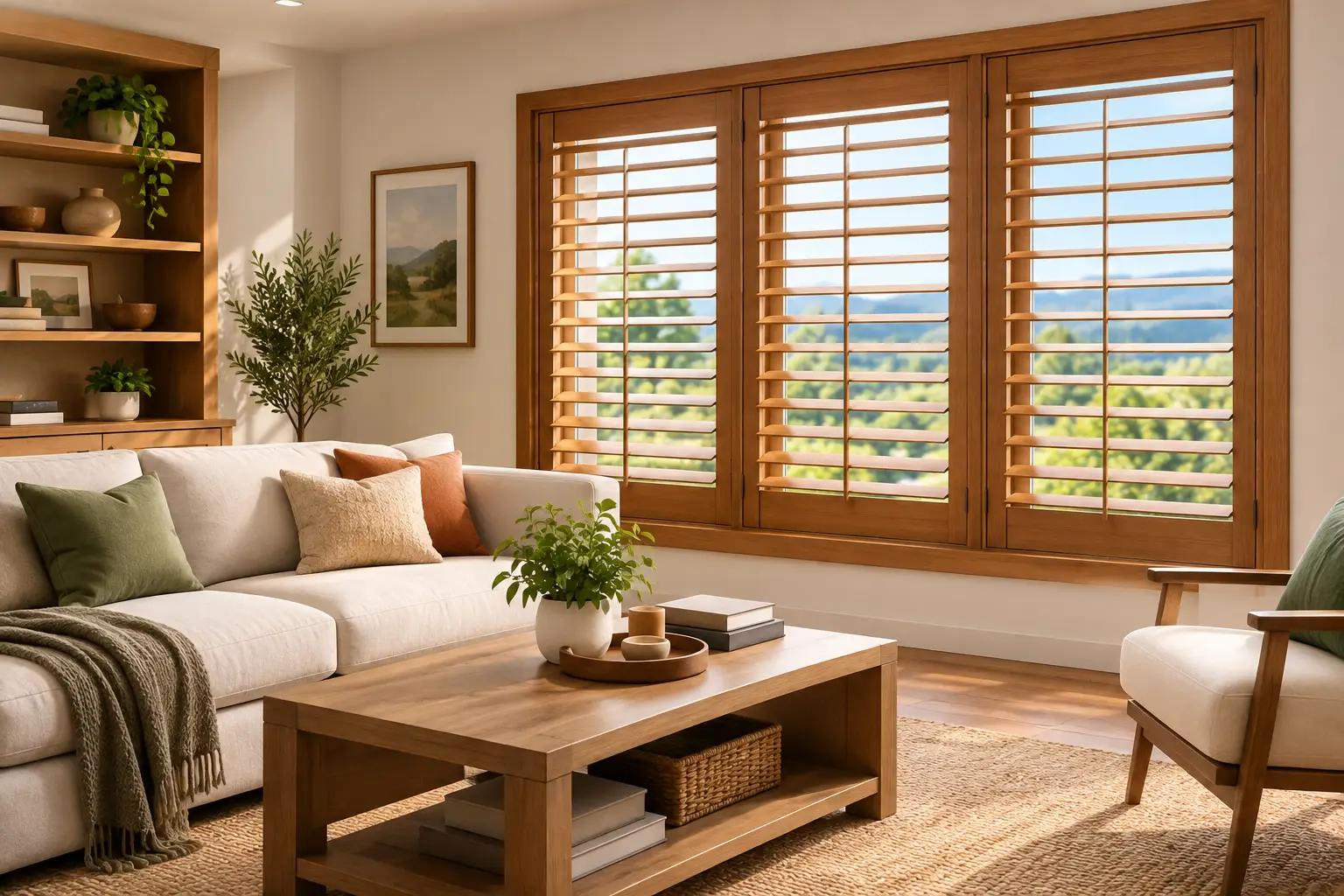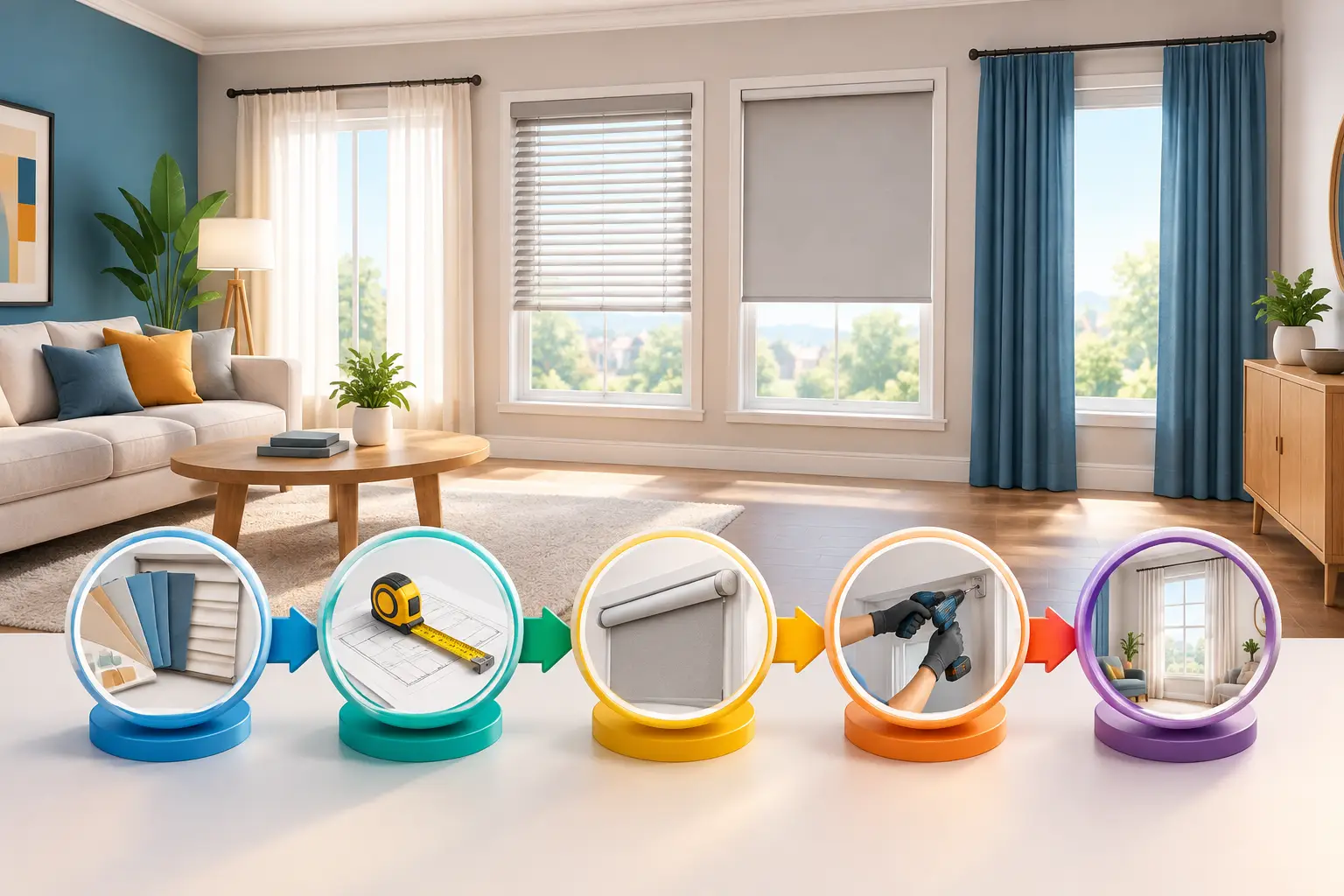
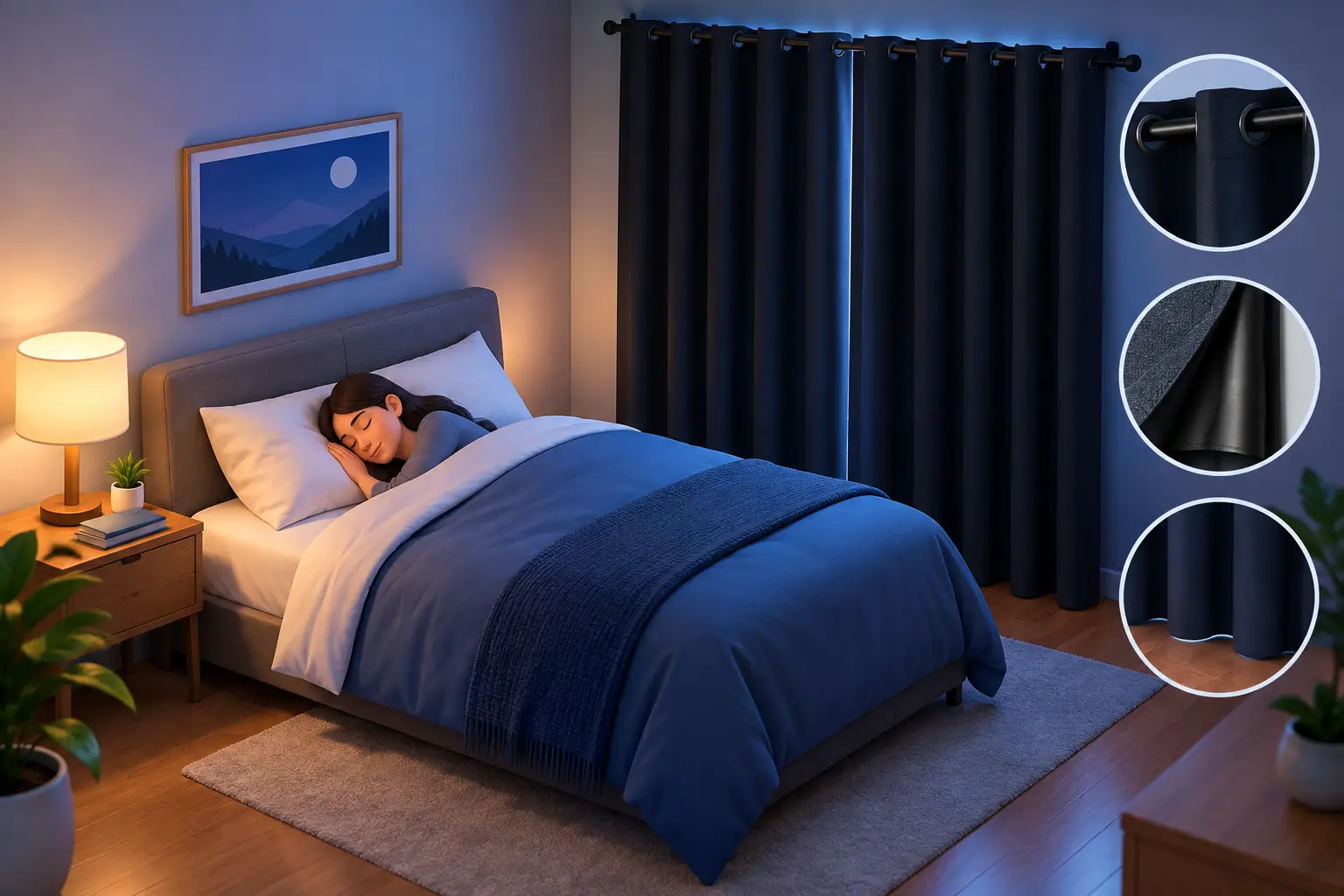
The light that disrupts sleep is rarely coming from just one place. It may be a bright strip at the edge of a shade, a streetlight shining through the top of the window, or a sunrise that reaches the room before you are ready to wake. Learning how to improve bedroom blackout starts with identifying those small gaps, then choosing window treatments designed to address the way your specific windows are built.
For homeowners across Northern Virginia, a darker bedroom is about more than sleeping late on a Saturday. It can make shift-work schedules more manageable, help young children settle into a routine, reduce glare on a bedroom television, and create the calm, finished feeling expected from a well-designed primary suite. The right solution should be effective without making the room feel heavy or sacrificing the style you want.
How to Improve Bedroom Blackout Without Guesswork
A common frustration is buying a product labeled “blackout” and discovering that the room is still noticeably bright. Blackout fabric blocks light through the material itself, but fabric alone cannot stop light that enters around the sides, above the headrail, or between uneven window frames. True room darkening depends on the product, the fit, the installation, and the window’s location.
Start by looking at the room during daylight and again after dark with exterior lights on. Notice where the light enters. The pattern tells you more than a product label can. A glow around all four sides often points to side gaps or an outside-mounted treatment that is too narrow. A bright band across the top may mean the headrail is positioned too low, while light near the sill can indicate a treatment that does not extend far enough.
Window shape matters, too. Deep-set windows may accommodate an inside-mounted shade with helpful side channels. Shallow frames, French doors, bay windows, and large sliding doors often need a different strategy. This is where a professional in-home consultation is especially valuable: measurements, mounting depth, trim details, and fabric choices all affect the final result.
Choose the Right Level of Darkness
Not every bedroom needs the same approach. A guest room with gentle morning light may be comfortable with room-darkening shades. A nursery beside a streetlamp, a media-focused bedroom, or a room used by a night-shift worker may call for a more complete blackout system.
Blackout roller shades offer a clean, modern foundation
Custom blackout roller shades are a strong option for homeowners who prefer streamlined design. Their opaque fabrics block light effectively through the shade, and they work beautifully in contemporary bedrooms, smaller spaces, and rooms where preserving a clean window profile matters.
The trade-off is edge leakage. Standard roller shades have clearance at each side so they can operate properly, which means a thin line of light may remain. To improve performance, choose an outside mount that overlaps the window opening generously, or ask about specialty side-channel systems where appropriate. The best choice depends on the trim, wall space, and whether the window needs to remain easily accessible.
Cellular shades add softness and insulation
Blackout cellular shades are valued for their insulating construction as well as their light control. The honeycomb-shaped cells help reduce heat gain and heat loss at the glass, a welcome benefit in bedrooms with sunny exposures or older windows. They also bring a softer, more tailored appearance than a roller shade.
For the darkest result, select a true blackout fabric rather than simply a darker color. Dark gray or navy fabric is not automatically blackout, and a white blackout shade can still block light extremely well. What matters is the fabric’s opacity and the fit around the opening.
Layered drapery creates the most polished blackout look
For many primary bedrooms, the most effective and luxurious option is a layered treatment: a blackout shade or blind close to the window, paired with lined drapery panels that extend beyond the frame. The shade manages the direct light, while the drapery covers side gaps and adds visual warmth, texture, and scale to the room.
This approach is particularly useful for large windows, windows with architectural trim, and spaces where a single shade would look too minimal. Drapery also gives the room a finished designer look during the day, even when the panels are open. To perform well at night, panels should be wide enough to overlap at the center and extend past the window on both sides. A properly selected blackout lining is essential.
Plantation shutters are beautiful, but not always fully darkening
Wood shutters bring exceptional craftsmanship, privacy, and architectural character to a bedroom. They can reduce light significantly, especially with well-fitted panels and a hidden tilt rod, but louvers and panel edges naturally allow some light through. They are often ideal when privacy, beauty, and light adjustment are the priority, rather than complete darkness.
If you love the look of shutters but need stronger blackout performance, consider layering them with drapery. This combination preserves the tailored, upscale appearance of shutters while giving you better nighttime control.
Installation Details That Make or Break Blackout Performance
Even premium window treatments can underperform if they are measured or mounted without attention to light gaps. This is one reason off-the-shelf shades frequently disappoint. Their fixed widths and limited mounting options may leave too much exposed glass or create an awkward fit around trim.
For a bedroom blackout project, pay close attention to four details:
- Side overlap: Outside-mounted shades and drapery should extend beyond the window opening enough to block light at the edges.
- Top coverage: A higher mounting position can prevent light from entering above the treatment and make the window appear taller.
- Bottom coverage: The treatment should reach the sill, apron, or floor as needed to avoid a bright strip below.
- Center closure: Drapery panels need sufficient fullness and overlap so light does not pass through the center when closed.
Motorization can also improve results in a practical way. A blackout treatment only helps when it is closed. With motorized shades or drapery, you can schedule bedroom coverings to lower before sunrise, close them from bed, or coordinate multiple windows with one control. For a home with tall windows or a busy family routine, that convenience often turns a beautiful treatment into one that gets used every day.
Consider the Light Source Beyond the Window
Window treatments handle most unwanted light, but they cannot solve every source on their own. Check for light leaking through an adjacent bathroom, under the bedroom door, from a nearby hallway, or from electronics. A dimmable bedside lamp, lower-temperature bulbs in adjoining spaces, and a simple door sweep can make a surprising difference once the windows are properly covered.
Exterior conditions can influence your selection as well. A bedroom facing a neighbor’s security light may need more side coverage than one facing a wooded yard. A top-floor room with intense early sun may benefit from a blackout cellular shade for added insulation. If the view is important during the day, a layered solution lets you open the drapery and raise the shade fully without leaving permanent visual clutter at the glass.
Design a Darker Room That Still Feels Like Home
The goal is not to make your bedroom feel sealed off. The goal is to give you control. During the day, you may want filtered light, a view, or an open, airy room. At night, you should be able to create privacy and darkness with confidence.
Color, texture, and hardware can make blackout treatments feel intentional rather than purely functional. A neutral blackout roller shade can disappear behind linen drapery. Richly textured panels can add depth to a quiet bedroom palette. A custom wood shutter can anchor a traditional room, while a discreet secondary shade handles sleep-time darkness. There is no single best treatment for every home, which is why seeing fabric samples and evaluating the windows in person matters.
Covering Windows helps homeowners turn those decisions into a complete, professionally measured and installed solution. Rather than hoping a standard size will work, you can compare the light control, design impact, and investment of options built for your room.
A better blackout bedroom should feel effortless: open and welcoming when morning arrives on your schedule, then calm, private, and genuinely dark when it is time to rest.