An arched window can be one of the most beautiful features in a home right up until it is time to cover it. Standard blinds rarely fit correctly, curtains can hide the shape entirely, and online measurements leave very little room for error. That is why plantation shutters for arched windows are often the solution homeowners choose when they want to preserve the architecture instead of working around it.
Arched windows deserve more than a close-enough treatment. They need a custom approach that respects the curve, fits the opening precisely, and still delivers the privacy, light control, and finished look you expect from a premium window covering. When done well, shutters turn a challenging window into a standout design feature.
Why plantation shutters work so well on arched windows
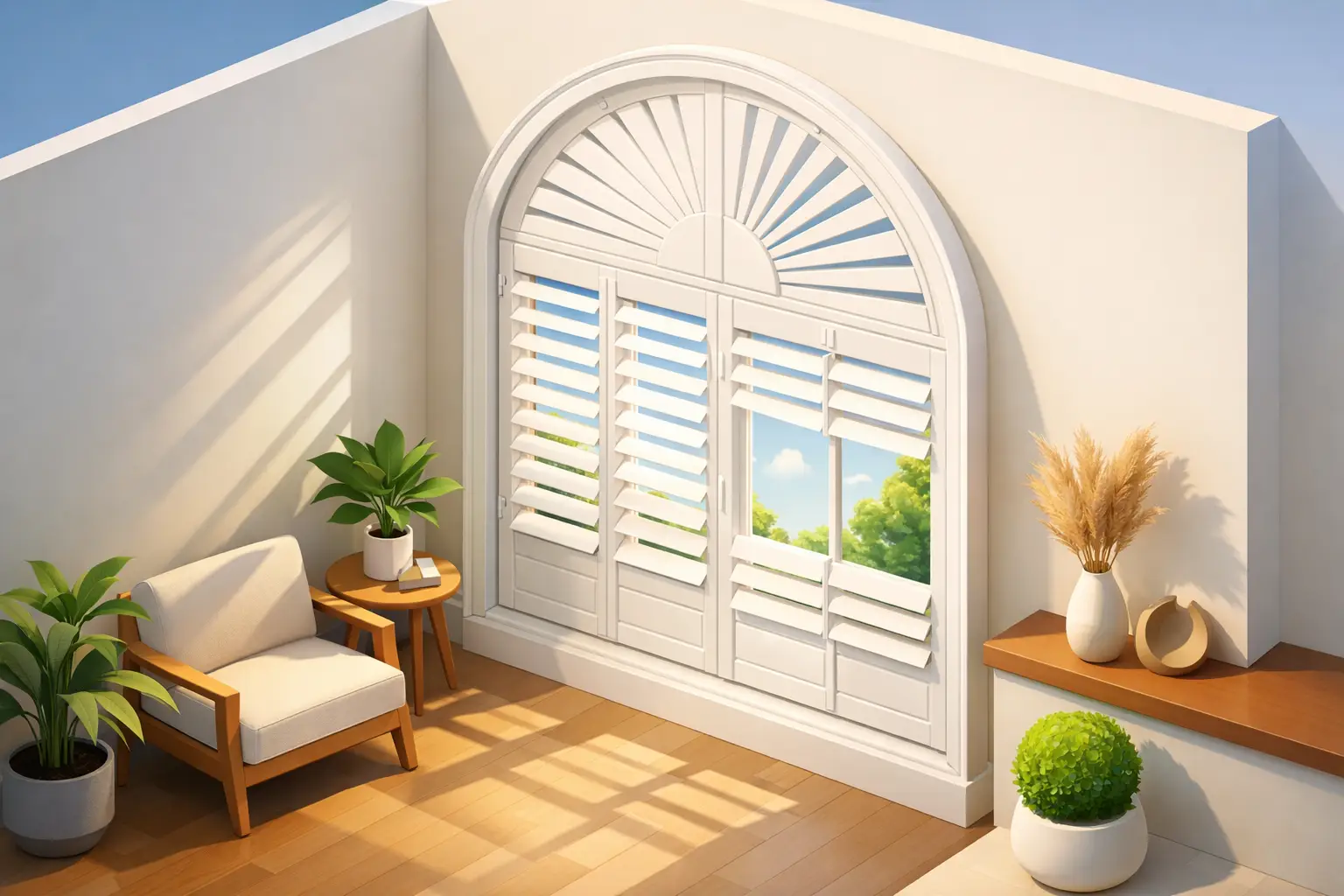
The main reason is simple. Shutters can be built to follow the exact shape of the window. Instead of forcing a rectangular product onto a curved opening, custom shutters are manufactured to match the arch, creating a clean, intentional look that feels built into the home.
That fit matters visually, but it also matters functionally. A properly designed shutter minimizes gaps, helps manage light, and gives the window a more polished appearance from both inside and outside the house. In homes with tall foyer windows, living room arches, or specialty windows over entry doors, that finished appearance can make a noticeable difference.
There is also a timeless quality to plantation shutters that suits arched architecture especially well. The louvers bring structure and symmetry to a shape that is already elegant, which is why homeowners often choose them in more traditional homes, transitional interiors, and upscale remodels.
Not every arched shutter works the same way
This is where many homeowners are surprised. Plantation shutters for arched windows are not one single product. The best design depends on the size of the arch, the height of the window, how much privacy you need, and whether you want the shutter to be decorative, operable, or both.
Some arched shutters are fixed in place. This is common when the arch is high on the wall, out of reach, or primarily there for architectural interest. A fixed arch panel can preserve the shape beautifully while the rectangular portion below has operable louvers for everyday light control.
Other designs allow the entire unit to function together. In some windows, the arched portion may have fixed louvers while the lower section opens and closes. In others, the arch may be fully custom and operable, although this depends on the window’s proportions and the shutter manufacturer’s capabilities. The right answer is rarely about what is theoretically possible. It is about what will look right and perform well long term.
Full arch or split design
One of the biggest design decisions is whether to cover the whole window with a shaped shutter or split the treatment into sections. A full arch shutter can look dramatic and elegant, especially on prominent front-facing windows. It highlights the curve and gives the opening a tailored, high-end feel.
A split design is often more practical. In this approach, the arched top is treated separately from the rectangular lower portion. That gives you more flexibility with privacy and light control where you actually need it, without overcomplicating the upper section. For many homeowners, this creates the best balance between beauty and everyday use.
There is no universal winner here. In a formal sitting room with a large feature window, a full custom design may be exactly the right move. In a bedroom or bathroom, function may carry more weight. The best choice depends on how the room is used and what you want the window treatment to do beyond simply look good.
Material choices matter more than most people expect
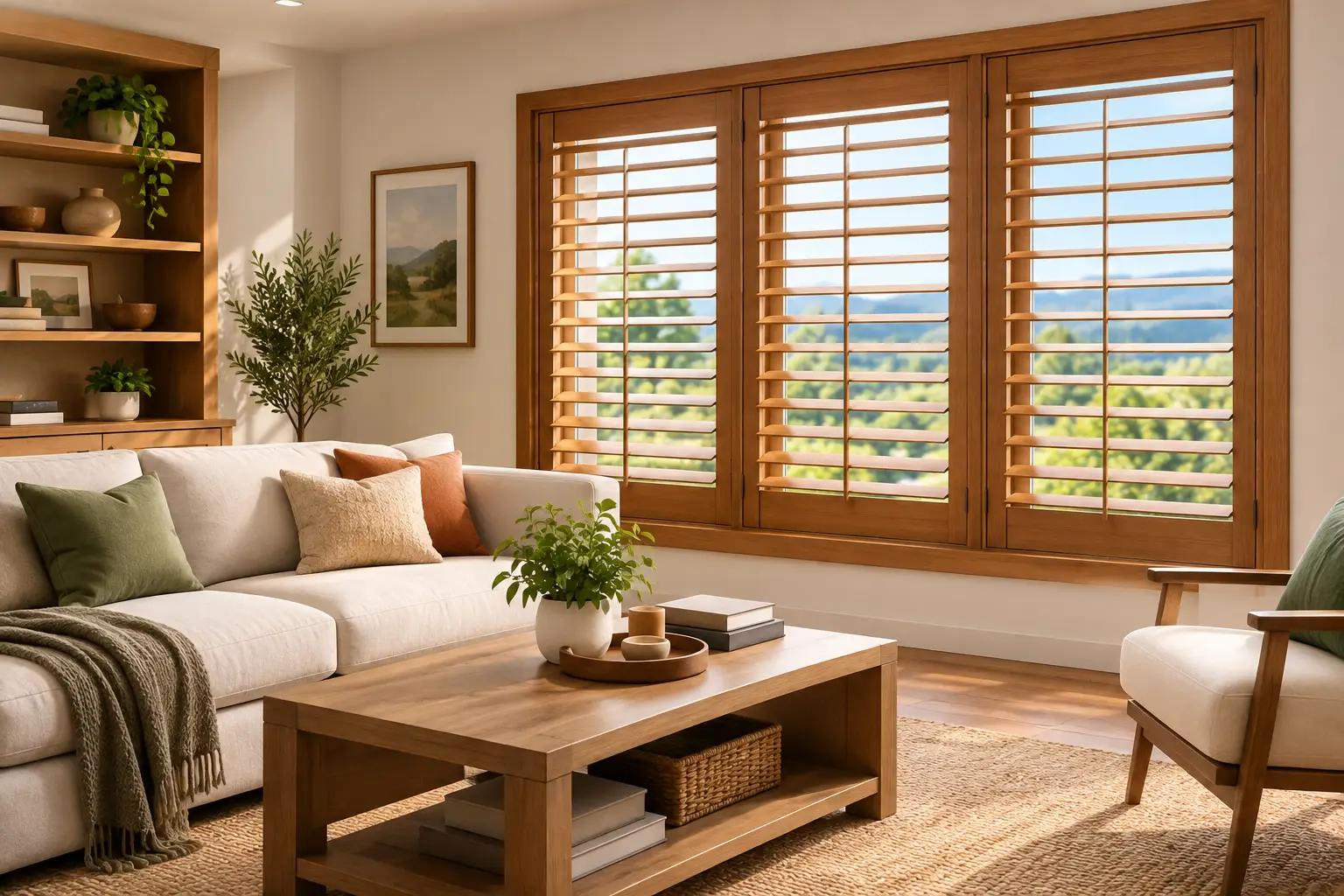
Wood shutters are often the preferred choice for arched windows because they offer a refined, furniture-quality look and can be crafted with impressive precision. They feel warm, architectural, and upscale, which is a natural fit for a specialty window that already adds character to the room.
Composite or faux wood options may also be available depending on the shape and location of the window. These can be a smart choice in humid areas or for homeowners who want durability with a lower-maintenance finish. That said, not every material handles every arch equally well. Tight curves, unusual radiuses, and intricate specialty shapes may narrow the available options.
This is one area where product depth and manufacturer access really matter. Two shutters may look similar in a sample book, but their construction quality, finish consistency, and shape limitations can be very different once you start designing for an actual arch.
What to expect on light control and privacy
Arched windows are beautiful because they bring in extra light, but that can also create glare and heat gain depending on the room’s orientation. Plantation shutters help manage that without making the window feel heavy or covering it with fabric.
Still, expectations should be realistic. If the arched section is fixed, you are not going to get the same level of adjustability there as you would from a standard rectangular shutter. In many cases, the lower section provides the day-to-day control while the arch remains a decorative frame for natural light.
For homeowners who want blackout performance, shutters alone may not always be the right answer for the entire opening. They can significantly reduce light, but specialty windows often involve trade-offs. If the goal is to soften brightness, improve privacy, and keep the architecture visible, shutters are an excellent fit. If total darkness is non-negotiable, the design may need a more layered approach.
The biggest mistake homeowners make
The most common problem is trying to treat an arched window like a standard one. Measuring an arch is more complicated than measuring width and height. The radius, spring line, frame depth, and mounting conditions all affect what can be built and how it will sit inside the opening.
A second mistake is choosing based on a photo alone. A shutter style that looks beautiful online may not suit your particular arch, trim detail, or room proportions. Even small inconsistencies become obvious on a shaped window because your eye is naturally drawn to the curve.
That is why in-home consultation matters so much with specialty windows. Seeing the space, checking the dimensions, reviewing samples in the actual light, and explaining the functional trade-offs helps prevent expensive guesswork.
How plantation shutters for arched windows affect home value
While no window treatment should be sold as a guaranteed return, custom shutters generally carry strong appeal because they feel permanent, intentional, and architecturally integrated. On arched windows especially, they can make the home feel more finished and more custom.
This matters in higher-end neighborhoods where buyers notice details. A well-designed shutter does not read like a temporary covering. It reads like part of the home. That can elevate the look of entryways, formal dining rooms, stairwells, and primary suites in a way that off-the-shelf products simply do not.
There is also a practical value in choosing a durable treatment for a difficult window. Once installed correctly, quality shutters tend to provide long-lasting performance with minimal daily maintenance.
What drives cost
Price depends on size, shape complexity, material, finish, and whether the unit is fixed or operable. A basic rectangular shutter will almost always cost less than a custom arch because specialty fabrication takes more design and manufacturing precision.
That does not mean the most expensive option is automatically the best one. Sometimes a thoughtfully designed split shutter delivers the look you want at a more comfortable investment level. Sometimes paying more for real wood is worth it because the window is a focal point and the finish quality is part of the value.
The key is comparing solutions, not just numbers. A lower quote may reflect fewer customization options, lower-grade materials, or installation shortcuts that become obvious later.
The installation side is not a minor detail
Even a beautifully made shutter can disappoint if it is installed poorly. On an arched window, alignment is everything. The curve needs to sit correctly within the opening, the frame must look balanced, and the louvers should operate as intended without strain or visible gaps caused by bad fit.
Professional installation is not just a convenience here. It protects the investment. In a market like Northern Virginia, where many homes feature specialty architecture and homeowners expect a polished result, this is where local expertise can make a real difference.
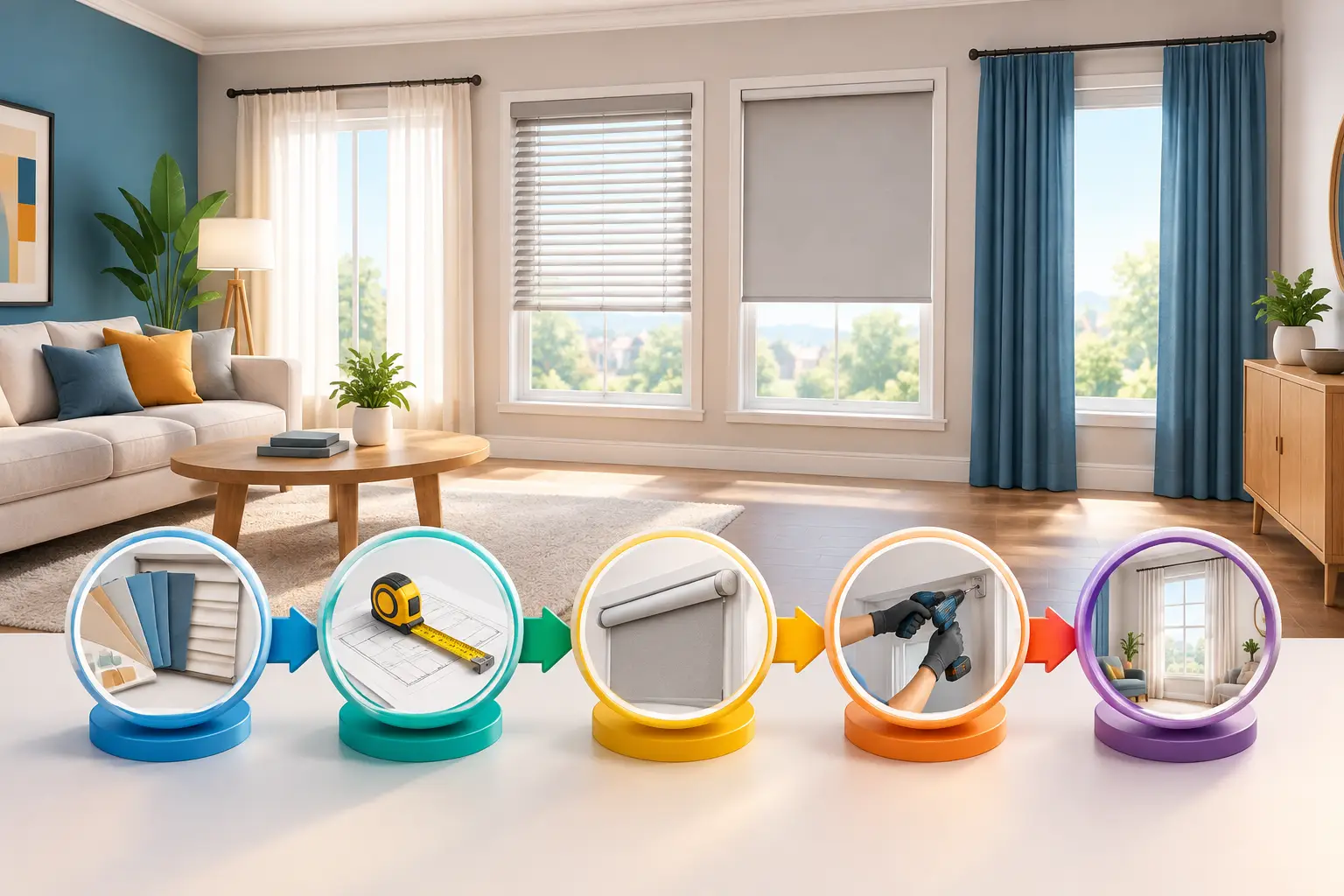
A company like Covering Windows helps take the uncertainty out of the process by handling design guidance, measurements, customization, and installation as one coordinated project. That tends to produce a better result than piecing it together from multiple sources.
Are plantation shutters for arched windows worth it?
If you want to preserve the shape of the window, add lasting elegance, and avoid the compromises of generic treatments, the answer is often yes. They are not the cheapest option, and they are not always the right answer for every privacy or blackout need. But for many homeowners, they strike the right balance of beauty, value, and function.
The best results come from treating the arch as a design opportunity, not a problem to hide. With the right material, the right configuration, and the right installation, that difficult window can become one of the most finished and impressive details in the room.
If you are considering shutters for an arched window, the smartest next step is not guessing from photos or ordering by dimensions alone. It is getting expert guidance on what will actually fit your home, your light needs, and the way you want the space to feel.