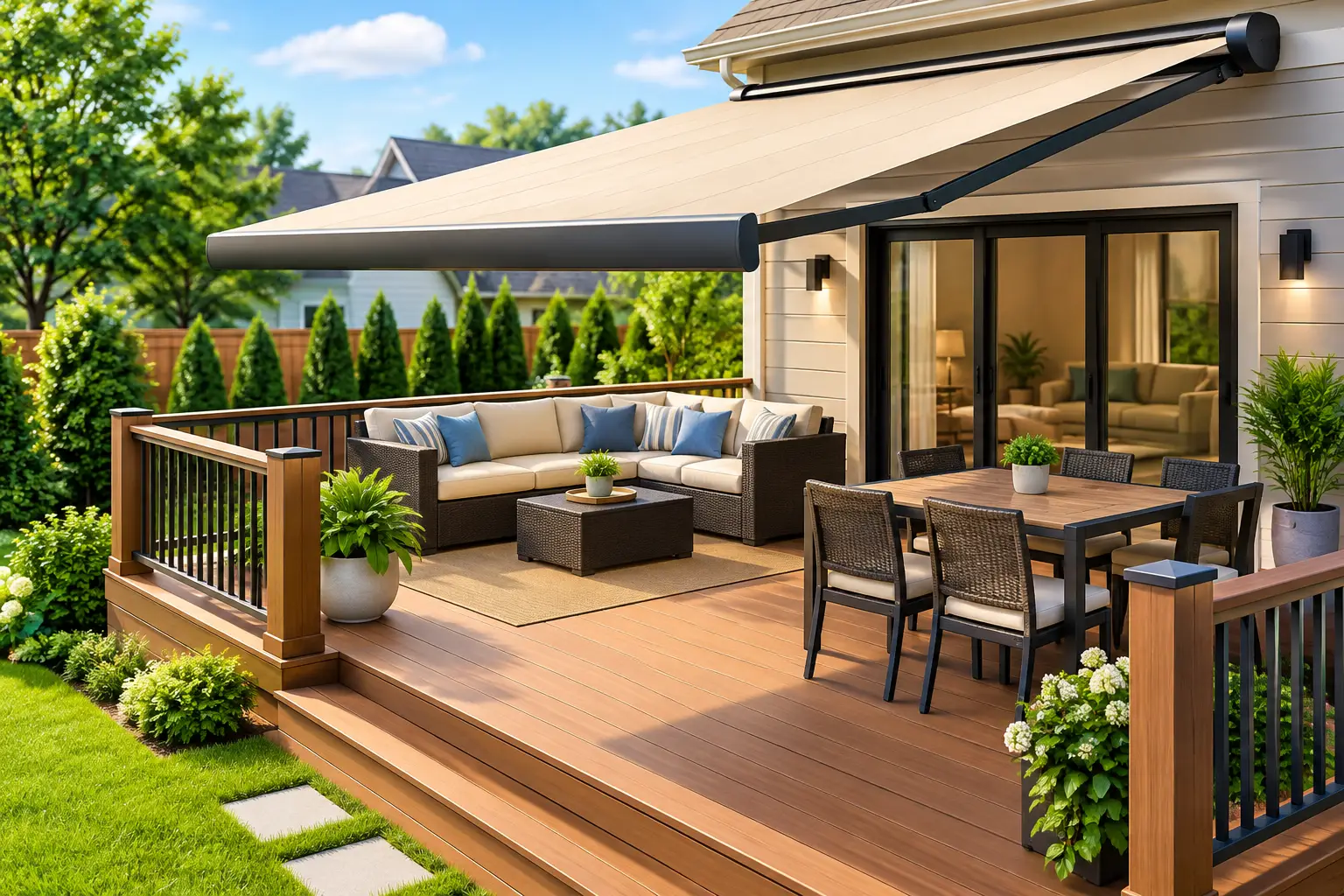
By mid-afternoon, the wrong windows can turn a beautiful room into the hottest spot in the house. That is exactly why window awnings remain one of the smartest exterior upgrades for homeowners who want more comfort, better light control, and a finished look that feels intentional from the curb. They are not just decorative accents. When chosen well, they help protect interiors, soften heat gain, and give a home or business a more polished, custom appearance.
For many property owners, the appeal starts with comfort but quickly becomes about design. Awnings can change how a facade feels. They add depth where an exterior looks flat, create visual rhythm across a row of windows, and bring in color or texture without committing to a larger renovation. The best results come from treating them as part of the architecture, not as an afterthought.
Why window awnings still make sense
There is a reason window awnings have stayed relevant even as building materials and glass technology have improved. Sun exposure is still one of the biggest factors in indoor comfort, especially on west- and south-facing windows. Even with quality glass, direct sun can create glare, raise room temperatures, and put extra pressure on cooling systems.
An awning helps by blocking sunlight before it reaches the glass. That matters because exterior shading is often more effective than trying to manage heat after it has already entered the home. In practical terms, that can mean a family room that stays more usable in the afternoon, a breakfast nook that is no longer washed out by glare, or a front bedroom that feels cooler during summer heat.
There is also the preservation factor. Sun can be hard on flooring, upholstery, rugs, and wood finishes. If you have invested in interiors you care about, reducing direct exposure is not just about comfort. It is about protecting what you have already paid for.
What window awnings add beyond shade
Good awnings do more than block light. They can strengthen curb appeal in a way that feels both tailored and approachable. On traditional homes, they often reinforce character and symmetry. On more contemporary homes, cleaner profiles and restrained fabric choices can add softness without making the exterior feel dated.
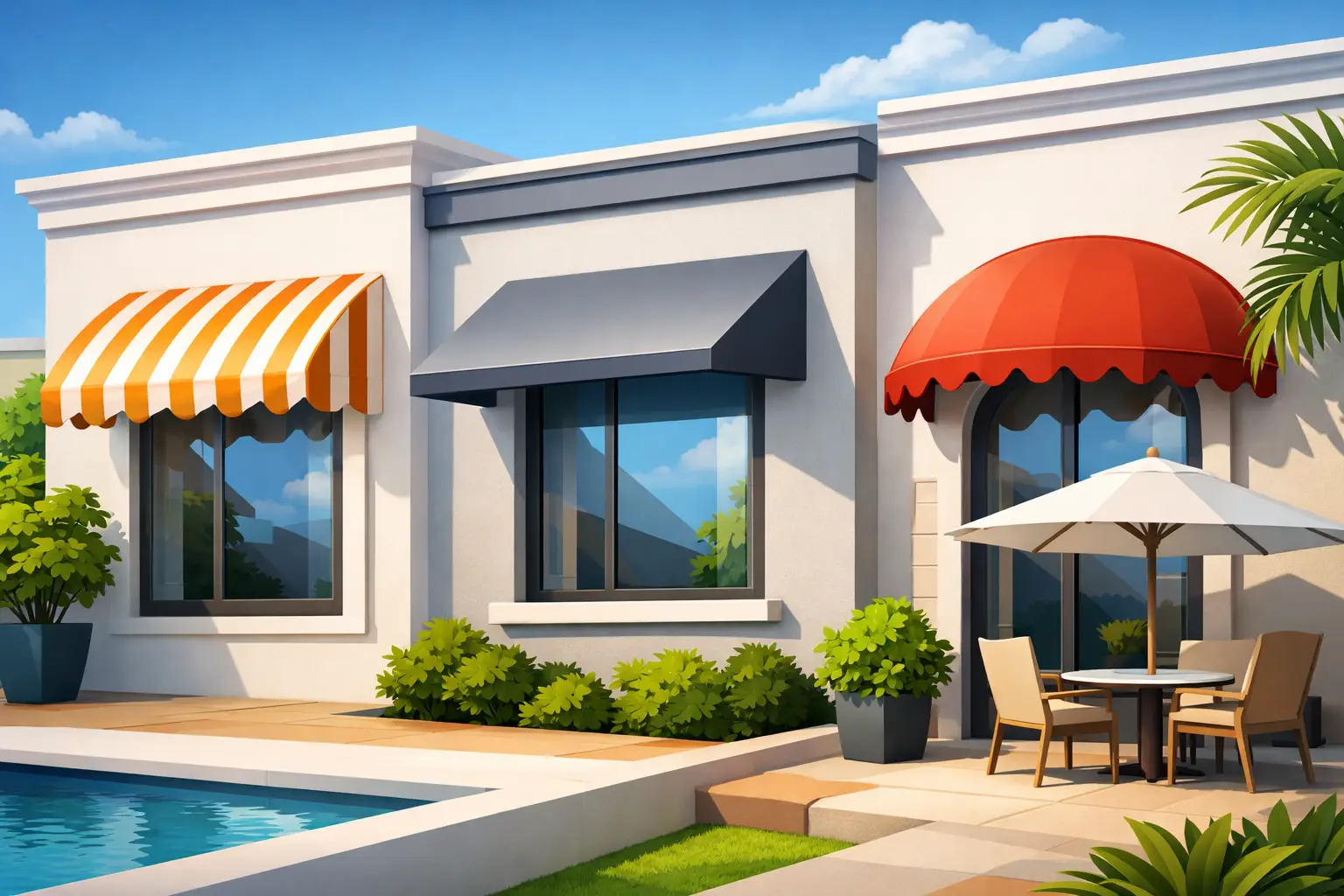
This is where customization matters. The shape, pitch, valance style, fabric pattern, and frame color all affect the final look. A striped fabric can feel classic and lively. A solid neutral can feel refined and architectural. A scalloped edge may suit one home beautifully and feel out of place on another. There is no single right answer, which is why a sample-based design process tends to produce better outcomes than choosing from photos alone.
For businesses, the design impact can be just as valuable. Awnings can make storefronts feel more established and welcoming while also improving comfort near front windows. In some cases, they support branding through color and style, but they still need to perform well. Function should lead, then appearance should elevate it.
Choosing the right type of window awnings
Not every window needs the same solution. Fixed awnings are a strong choice when you want dependable shade and a permanent architectural element. They tend to work well over windows that receive consistent sun and on homes where the awning is meant to become part of the exterior identity.
Retractable options offer more flexibility. If a homeowner wants shade during the hottest months but prefers a more open look at other times, retractable awnings can be appealing. The trade-off is that flexibility usually comes with more moving parts and a different maintenance profile. For some households that is worth it. For others, simplicity wins.
Shape matters too. Dome and quarter-round styles can suit select architectural settings, especially over narrower or more decorative windows. Traditional sloped awnings are often the most versatile. They provide effective coverage, work with a wide range of home styles, and generally feel timeless when proportioned correctly.
This is one of those areas where measurement and scale are easy to underestimate. An awning that is too shallow may not provide enough shade. One that is too large can overpower the facade. The best fit depends on sun orientation, window size, trim details, mounting height, and the visual balance of the whole elevation.
Fabric, frame, and performance details
Awnings live outdoors, so material quality matters. Fabric needs to resist fading, moisture, and mildew while still holding its color and shape over time. Homeowners often focus first on pattern, which is understandable, but performance should come first. A fabric that looks beautiful in a sample book but cannot stand up to strong sun exposure is not a smart buy.
Frame construction deserves the same attention. A sturdy frame supports a cleaner appearance and better long-term reliability. Wind exposure, mounting surface, and overall projection all affect what kind of support system makes sense. In Northern Virginia, where weather can shift quickly, durability is not a luxury feature. It is part of getting value from the investment.
Color selection also affects performance more than some people expect. Lighter tones can reflect more sunlight and keep the look airy, while darker colors may create a richer visual statement but absorb more heat. That does not mean dark fabrics are wrong. It just means the decision should account for both style and conditions.
Where window awnings work best
Some homes benefit from awnings across multiple elevations, but often the best results come from selective placement. West-facing windows are common priorities because they take the brunt of afternoon sun. South-facing windows can also be strong candidates, especially in rooms with large glass areas.
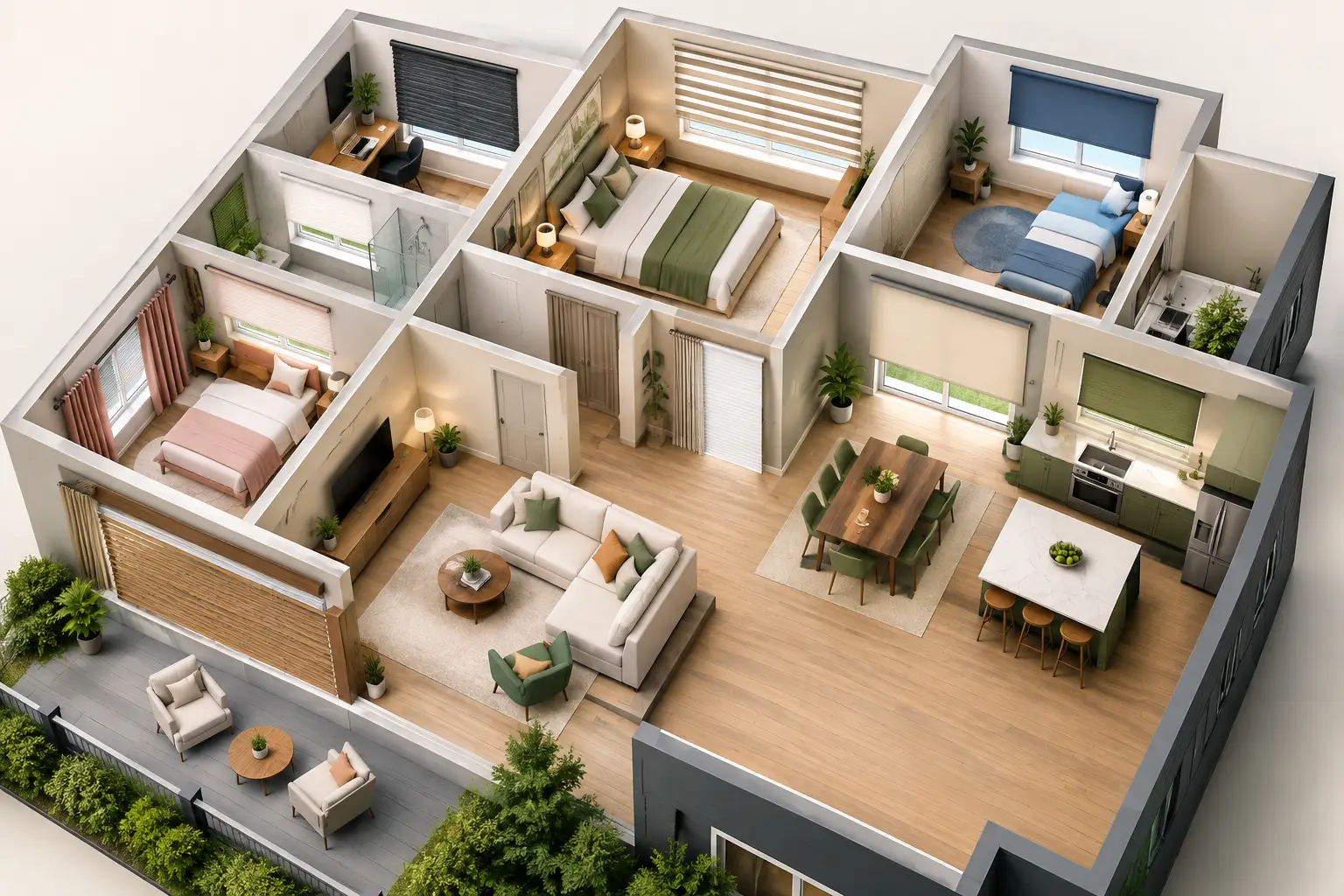
Bedrooms, sunrooms, breakfast areas, living rooms, and home offices are all worth evaluating. If a room is consistently too bright, too warm, or difficult to enjoy at certain times of day, exterior shading may solve the problem more effectively than interior treatments alone.
That said, not every window should automatically get an awning. Street-facing elevations may call for a stronger emphasis on appearance and proportion, while rear elevations may be driven more by heat control. Upper-story windows can also involve installation considerations that affect cost and design. The right plan usually comes from looking at the property as a whole rather than treating each opening in isolation.
Why custom design and installation matter
Window awnings look simple from a distance. Up close, the difference between custom work and a one-size-fits-all approach is obvious. Proper pitch, fabric tension, alignment, and mounting all influence how the awning looks and performs. If measurements are off or hardware is not suited to the surface, the finished result can feel awkward and wear out faster than it should.
This is where full-service guidance saves homeowners time and frustration. Instead of guessing from online dimensions or trying to match exterior colors from a screen, you can evaluate real samples, discuss the sun exposure on specific windows, and make decisions based on your architecture and goals. That process tends to prevent expensive mistakes.
At Covering Windows, that hands-on approach is a major part of the value. Homeowners are not left sorting through too many options without context. They get product guidance, design input, custom sizing, and professional installation so the final look feels intentional and the performance matches expectations.
What to expect from the investment
Pricing depends on size, style, fabric, mounting conditions, and whether the awning is fixed or retractable. A basic comparison across products can be misleading because lower upfront pricing often means less customization, fewer fabric choices, or weaker materials. A better question is what you are getting for the cost.
A well-made awning can improve comfort, reduce glare, help protect interiors, and add visible character to the home. For many homeowners, that combination makes it easier to justify than upgrades that are less noticeable day to day. The value is both practical and visual.
If budget is part of the decision, it helps to prioritize the windows that will have the biggest impact first. You do not always need to do every window at once. Starting with the hottest, brightest, or most visible areas can deliver meaningful results while keeping the project manageable.
Window awnings work best when they solve a real problem and make the home look better at the same time. When those two goals align, the upgrade feels less like an add-on and more like a thoughtful finish that should have been there all along.