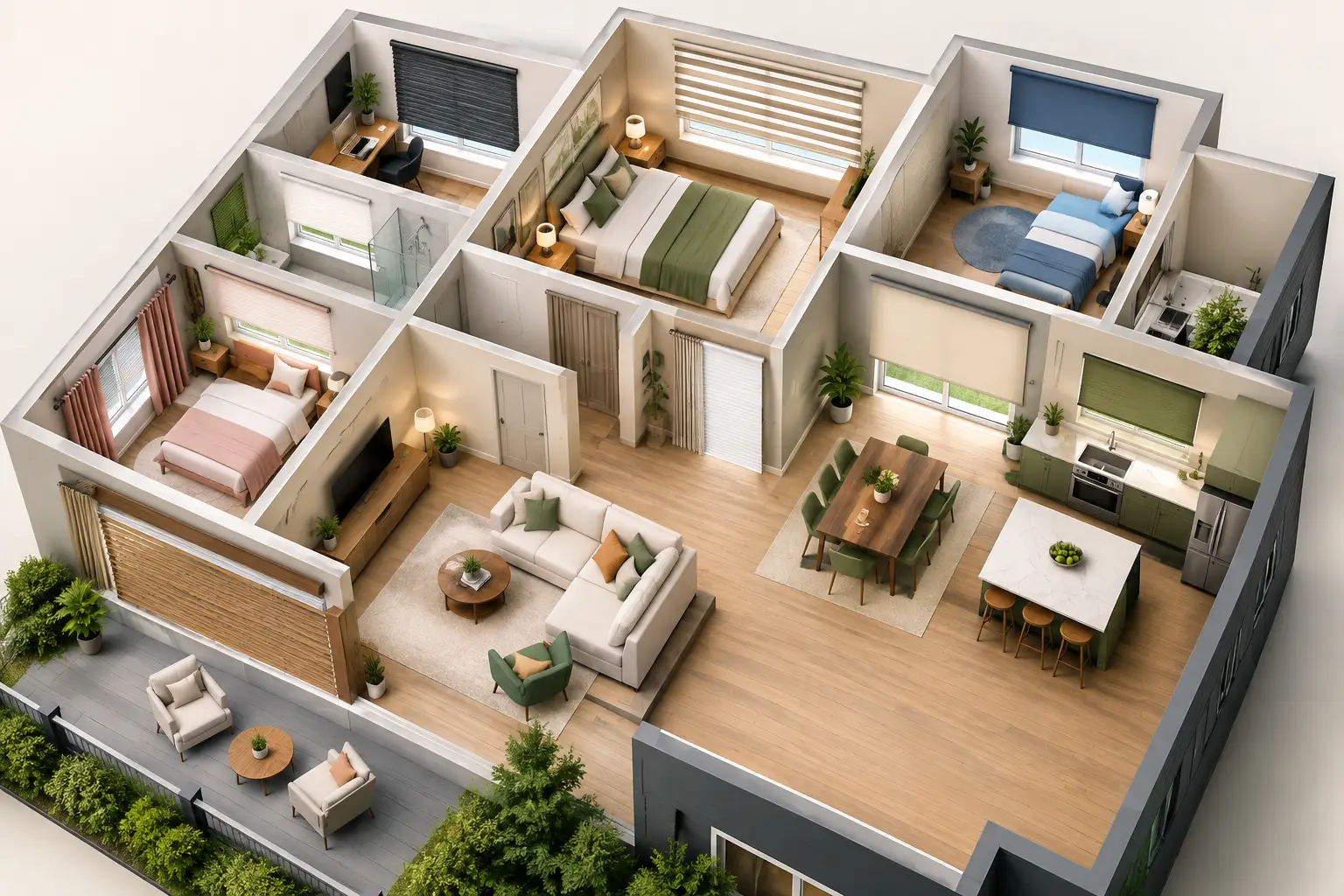

A beautiful room can still feel unfinished when the windows are treated as an afterthought. The right custom drapery design ideas do more than frame the view – they shape light, soften hard lines, improve privacy, and give a space the finished look that off-the-shelf panels rarely deliver.
For many homeowners, drapery is where style and function finally meet. You may want a more luxurious living room, better sleep in the primary bedroom, or a dining room that feels more tailored when guests arrive. Custom drapery gives you control over fabric, fullness, length, lining, hardware, and fit, which is exactly why the final result feels more intentional.
Why custom drapery changes the room
Ready-made curtains can work in a pinch, but they often create the same frustrations homeowners are trying to avoid. The length is slightly off, the fabric feels thin, the color misses the mark, or the panels never hang quite right. With custom drapery, the details are built around your windows and your home instead of asking your home to adapt to a standard size.
That matters most in rooms with tall ceilings, wide windows, transoms, bay windows, or layered treatments. It also matters when you want drapery to do real work, whether that means filtering glare, adding insulation, improving acoustics, or blocking early morning light. Good design starts with appearance, but lasting satisfaction usually comes from function.
Custom drapery design ideas that feel polished, not overdone
The best drapery choices usually look effortless, but there is real strategy behind them. Here are ten approaches that work especially well in homes that want comfort, refinement, and long-term value.
1. Hang panels higher and wider than the window
One of the simplest ways to elevate a room is to mount drapery above the top of the window and extend the rod beyond the frame. This makes ceilings feel taller and windows appear larger. In formal spaces like dining rooms and living rooms, that extra height creates a more architectural effect.
It does depend on the room. In some spaces, especially those with low ceilings or heavy crown molding, the ideal placement needs to be balanced carefully. Too high can look disconnected. Done correctly, though, this is one of the most reliable ways to make a room feel more custom.
2. Choose ripple fold drapery for a cleaner, modern look
If you prefer a more tailored style, ripple fold drapery offers soft, consistent waves and a streamlined profile. It works especially well in contemporary homes, open-concept spaces, and rooms with large expanses of glass.
The advantage is visual calm. The trade-off is that ripple fold tends to feel less traditional and less decorative than pleated styles. If your home leans classic or transitional, you may prefer something with more structure.
3. Use pinch pleat panels for timeless elegance
Pinch pleat drapery remains a favorite for good reason. It has shape, fullness, and a refined finish that suits formal living rooms, bedrooms, studies, and dining spaces. It also pairs beautifully with richer fabrics like linen blends, velvet, and textured woven materials.
This is often the right answer for homeowners who want a room to feel dressed without feeling fussy. Pleated drapery brings order to the fabric, which helps the panels hang beautifully over time.
How to match custom drapery design ideas to the room
A great design in the wrong room can still miss the mark. The most successful projects start by asking what the space needs first, then choosing a style that supports it.
4. Layer drapery over shades for softness and control
Layering is one of the smartest custom drapery design ideas because it solves several problems at once. A shade gives you privacy and light control during the day, while drapery adds softness, depth, and insulation.
This combination works particularly well in bedrooms, family rooms, and street-facing spaces. Roman shades under side panels create a tailored look. Solar or woven shades paired with drapery can feel relaxed but still polished. Layering does cost more than using one treatment alone, but it usually delivers a more complete result.
5. Add blackout lining where rest matters most
In bedrooms, nurseries, and media rooms, lining matters just as much as the face fabric. Blackout lining helps darken the room, protect fabrics from sun exposure, and give the drapery more body.
Not every room needs true blackout. In a breakfast nook or casual sitting room, a lighter privacy lining may feel more natural. The point is to match the lining to the purpose of the room, not just the color of the fabric.
6. Let the fabric set the mood
Fabric choice has a bigger effect than most people expect. Linen blends feel relaxed and airy. Velvet adds richness and warmth. Silks and silk-look fabrics bring a dressier, more formal finish. Heavier woven textiles can add texture without overwhelming the room.
This is where in-home design guidance makes a real difference. A fabric sample can look perfect under showroom lighting and feel completely different in your home. Wall color, flooring, natural light, and nearby furnishings all influence the final read.
7. Use neutral drapery when architecture should lead
In homes with strong millwork, statement lighting, or beautiful outdoor views, neutral drapery often works best. Soft whites, warm ivories, taupes, grays, and muted earth tones give the room polish without competing for attention.
Neutral does not have to mean flat. Texture, weave, trim, and lining all add dimension. If you want a quiet luxury look, this is usually the direction to consider.
8. Go bold in smaller spaces
Powder rooms, studies, guest rooms, and dining rooms can handle more personality. Patterned drapery, deeper color, or decorative banding can make these rooms feel distinctive without overwhelming the whole home.
There is a balance to strike. Large-scale prints can be stunning, but only if the room has enough visual breathing room. In tighter spaces with busy rugs or wallpaper, a strong solid may be the smarter choice.
9. Consider decorative hardware as part of the design
Hardware should not feel like an afterthought. The finish, scale, and profile of the rod and finials can reinforce the room’s style, whether that means sleek metal, warm bronze, or a more classic ornamental look.
In some rooms, concealed tracks create the cleanest finish. In others, exposed hardware adds just the right amount of detail. The best option depends on whether you want the drapery to feel architectural, minimal, or more traditionally styled.
10. Decide whether the drapery will be stationary or functional
This decision affects everything from stack-back space to hardware to fullness. Stationary side panels are often enough when shades or shutters handle privacy and light control. Functional drapery makes more sense when you want to open and close the panels regularly.
Many homeowners assume they need operable drapery everywhere, but that is not always true. In some rooms, stationary panels provide the beauty people want without extra bulk. In others, especially large windows and sliding glass doors, function matters every day.
Common mistakes that custom drapery helps you avoid
The biggest mistakes usually come down to proportion and fit. Panels that are too short can make an otherwise beautiful room feel unfinished. Fabric that is too skimpy lacks fullness and looks inexpensive. Hardware that is undersized can disappear or feel out of scale.
Then there is the issue of measuring. Windows are rarely as simple as they seem, especially when trim depth, projection, returns, floor clearance, and adjacent furniture are involved. This is why professional measuring and installation matter so much. A good drapery plan looks effortless because someone accounted for the details before the order was ever placed.
When custom drapery is worth the investment
Custom drapery is not the cheapest window treatment option, and that is worth saying plainly. But for homeowners who care about fit, finish, long-term appearance, and a room that feels truly complete, it often delivers more value than replacing disappointing ready-made panels again and again.
It is especially worth considering when the room is highly visible, the windows are oversized or unusual, or the space needs layered light control. In homes across Northern Virginia, where design expectations are high and homeowners want a finished result without guesswork, custom drapery offers both beauty and confidence. Companies like Covering Windows help simplify that process by bringing samples, design guidance, measuring, and installation together so the final look feels as good as it looked in your head.
The best drapery does not call attention to the effort behind it. It simply makes the room feel calmer, richer, and more complete every time you walk in.