If you are comparing wood shutters vs faux wood, you are probably already past the idea stage. You want a finished room that looks polished, works every day, and feels worth the investment. The real question is not which option is universally better. It is which one makes more sense for your windows, your style, and the way your home is used.
That distinction matters more than most homeowners expect. On the surface, both materials can deliver privacy, light control, and a clean architectural look. But once you start thinking about large windows, humid rooms, long-term appearance, and price, the differences become much more practical.
Wood shutters vs faux wood: the core difference
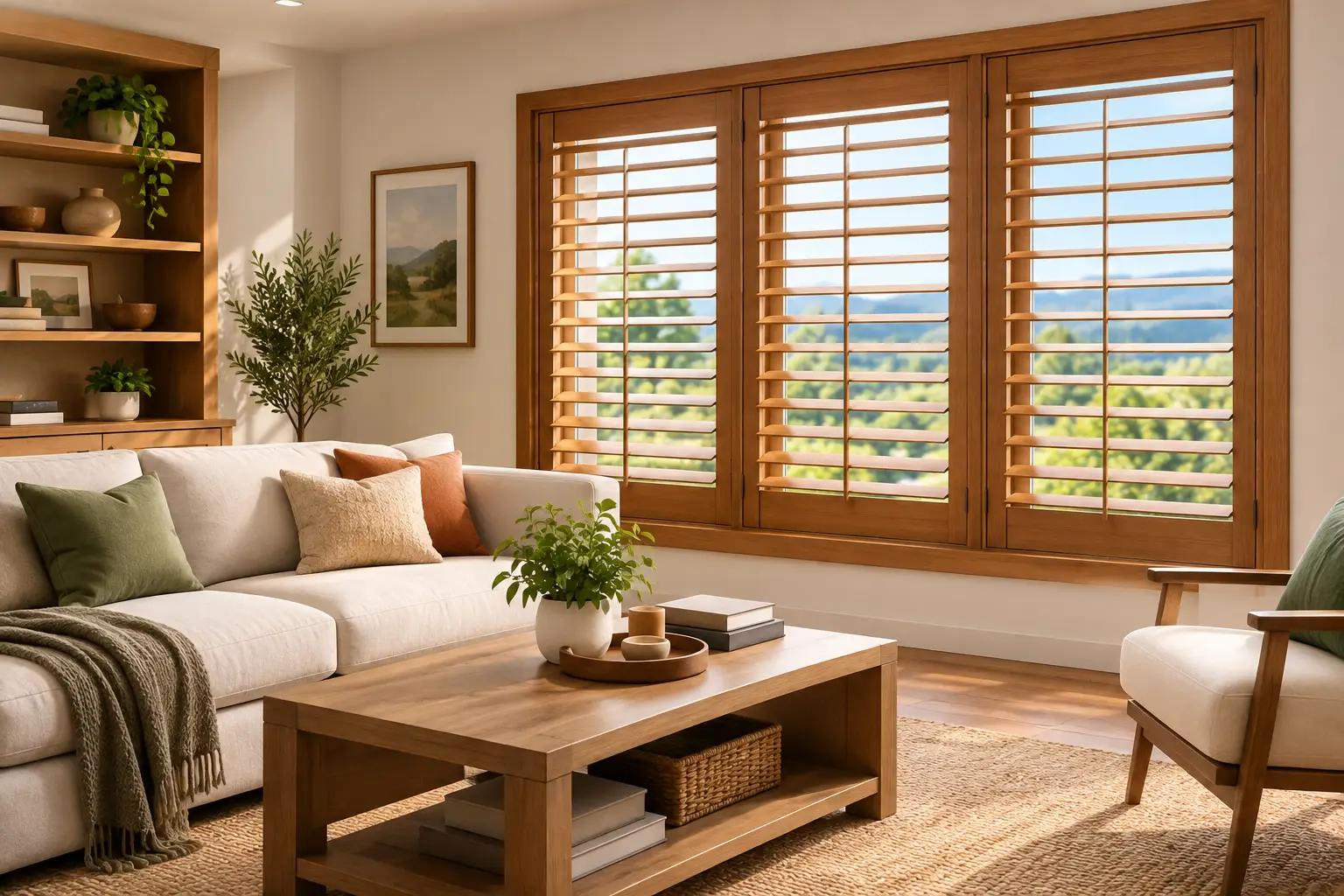
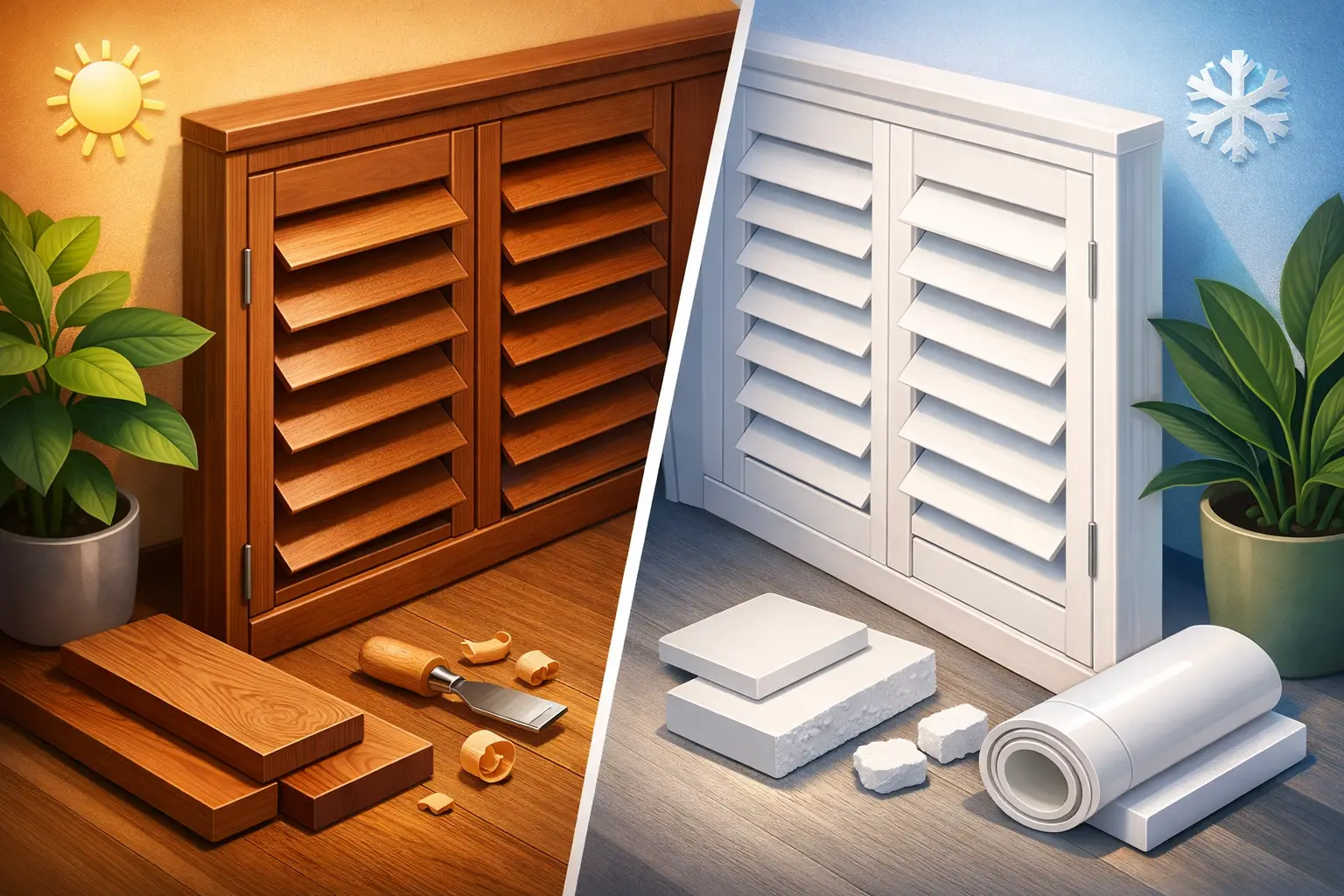
Wood shutters are made from real hardwood, which gives them a natural warmth and a more refined furniture-grade appearance. They are often chosen for formal living spaces, front-facing rooms, and homes where design details matter just as much as function. Because real wood is lighter than many composite alternatives, it is also a strong option for wider panels and larger window openings.
Faux wood shutters are manufactured from synthetic or composite materials designed to mimic the look of painted wood. They are valued for durability, moisture resistance, and cost control. For bathrooms, laundry rooms, and other humid areas, faux wood is often the practical choice because it is less likely to react to moisture over time.
For many homeowners, the decision starts with budget and ends with appearance. But that leaves out an important middle ground. A shutter has to look right in the room, perform well at the window, and hold up to daily life. If one of those factors is off, the lower price or premium material will not feel like a win.
Appearance and design impact
If your priority is beauty, wood usually has the edge. Real wood has subtle grain, depth, and a crispness that tends to read as more luxurious, especially in custom finishes. In homes with detailed trim, hardwood floors, or elevated interior design, wood shutters often feel more integrated with the architecture.
That does not mean faux wood looks cheap. Better-made faux wood shutters can look clean, substantial, and attractive, particularly in white or neutral painted finishes. In many casual and transitional interiors, the visual difference is modest at first glance. The gap becomes more noticeable in close-up views, large front rooms, or spaces where finish quality is part of the overall design statement.
This is one reason in-home samples matter. A material that looks great in a showroom or on a screen can feel very different once it is next to your wall color, flooring, and natural light.
Painted finishes vs natural wood character
If you want a stained finish that highlights natural wood grain, real wood is the clear answer. Faux wood is generally intended to imitate painted wood rather than showcase authentic grain character. If your home leans traditional, warm, or custom-crafted, that distinction can be significant.
For homeowners choosing bright white shutters throughout the house, faux wood can be a closer competitor. In that setting, the decision often shifts away from aesthetics alone and toward window size, room conditions, and price.
Durability and moisture resistance
Faux wood performs well where humidity is a concern. Bathrooms, kitchens, laundry areas, and some sunrooms can be tough on natural materials, especially when ventilation is inconsistent. Faux wood shutters are built for that kind of exposure and usually require less worry in damp environments.
Wood shutters are durable too, but they are best used where moisture is controlled. In the right setting, they can last for many years and continue to look exceptional. In the wrong setting, though, real wood is simply more vulnerable to expansion, contraction, or finish issues caused by humidity.
This is where the right answer depends on the room, not just the product category. A homeowner may choose wood shutters in the main living areas and faux wood in bathrooms, creating a consistent look while matching the material to the space.
Weight, panel size, and window fit
One of the most overlooked parts of the wood shutters vs faux wood decision is weight. Real wood is often lighter, which makes it a better solution for larger openings or wider shutter panels. Lighter panels can operate more smoothly and place less strain on hinges over time.
Faux wood is usually heavier. On smaller and standard-sized windows, that may not matter much. On larger windows, however, weight can affect panel width, divider rail requirements, and overall operation. This is not always obvious when browsing product photos, but it becomes very important in custom design and installation.
That is why professional measuring matters. The best material on paper can become the wrong choice if it is not ideal for the scale and proportions of the actual opening.
Price and long-term value
Faux wood has long been positioned as the budget-friendly choice, and in many cases it still is. If you are covering a lot of windows and want the shutter look at a more controlled price point, faux wood deserves serious consideration.
But homeowners are often surprised to learn that pricing is not always as far apart as expected. Depending on style, manufacturer, finish, and project scope, premium wood shutters can sometimes be available at pricing comparable to faux wood. That changes the conversation quickly, especially for buyers who assumed real wood was automatically out of reach.
The better way to think about value is not just material cost. It is how the product performs in your home and how satisfied you will be with the look five or ten years from now. In a formal dining room or front office, paying a bit more for wood may feel justified every day. In a bathroom, paying extra for real wood may offer no real benefit at all.
Maintenance expectations
Both materials are relatively easy to maintain. Routine dusting and occasional wiping usually keep shutters looking sharp. Faux wood has an advantage if you want something especially forgiving in high-use or moisture-prone spaces. Wood shutters do not demand difficult upkeep, but they do benefit from being used in the right environment.
Which material is better for different rooms?
In living rooms, dining rooms, bedrooms, and home offices, wood shutters are often the more design-forward choice. They bring a tailored look that suits spaces where comfort and appearance carry equal weight. They are especially appealing in homes with upscale finishes or strong curb appeal where windows are part of the interior architecture.
In bathrooms, laundry rooms, and kitchens with higher humidity, faux wood is usually the safer choice. It offers the shutter style homeowners want without asking the material to perform outside its comfort zone.
For whole-home projects, a mixed approach can be the smartest move. Many homeowners do not need to force one material into every room. Matching the product to the conditions of the space often delivers the best balance of beauty, performance, and budget.
Why custom guidance matters
Shutters are not a small decorative accessory. They are a fitted architectural feature, and mistakes tend to be visible. Material choice, louver size, panel configuration, frame style, and installation quality all affect the final result.
That is where a consultative process makes a real difference. An experienced window treatment specialist can help you compare wood shutters vs faux wood in the context of your actual home, not a generic product chart. The right recommendation should account for humidity, sun exposure, window scale, design style, and budget priorities all at once.
For homeowners in Northern Virginia, that kind of guidance can save time and prevent expensive second-guessing. At Covering Windows, we often find that clients come in expecting faux wood on price alone, then discover that custom wood shutters may be more attainable than they thought. Others start with their heart set on real wood and realize that faux wood is the better fit for certain rooms. Good advice is not about pushing one option. It is about getting the finished result right.
So which should you choose?
Choose wood shutters if you want the most elevated look, lighter panels for larger windows, or a natural material that complements a more refined interior. Choose faux wood if moisture resistance, durability, and practical value are higher on your list, especially in humid spaces.
If you are torn between them, that usually means both could work and the deciding factor is your home, not the category label. The smartest choice is the one that still feels right after installation, once the samples are gone and the shutters become part of how your home looks and lives every day.