A bright lobby can look impressive at 9 a.m. By 2 p.m., that same wall of glass can turn into a source of glare, heat, and constant complaints from staff and visitors. That is usually the moment businesses realize commercial window shading solutions are not a finishing touch. They are part of how a space performs every day.
For offices, medical practices, retail stores, restaurants, and mixed-use properties, the right shading system affects more than sunlight. It changes comfort, privacy, energy use, screen visibility, and the overall impression your business makes. The best result is not simply covering glass. It is choosing a tailored solution that fits the way the space is used, the direction of the sun, the look of the interior, and the level of control the business needs.
Why commercial window shading solutions matter
In commercial spaces, windows do a lot of work. They bring in natural light, create visibility, and support a more open, polished design. But unmanaged daylight can also create uneven temperatures, faded furnishings, and a frustrating work environment.
That tension is why commercial window shading solutions need to be selected with both design and function in mind. A front-facing office may need to reduce glare without making the room feel closed off. A conference room may need flexible privacy. A restaurant patio may need exterior shades that improve guest comfort while maintaining a clean, upscale appearance.
There is no single product that solves every problem. That is where many business owners lose time and money. Off-the-shelf options often look generic, fit poorly, and fail to address the real issue. Custom shading performs better because it is based on the specific room, window size, sun exposure, and business goals.
The most common business problems shading can solve
Glare is usually the first complaint, especially in offices where employees spend hours on screens. Even a beautiful glass-lined workspace becomes difficult to use if staff are adjusting blinds all day or moving around to avoid direct sun. Solar shades are often a strong fit here because they soften incoming light while preserving a clean, modern look.
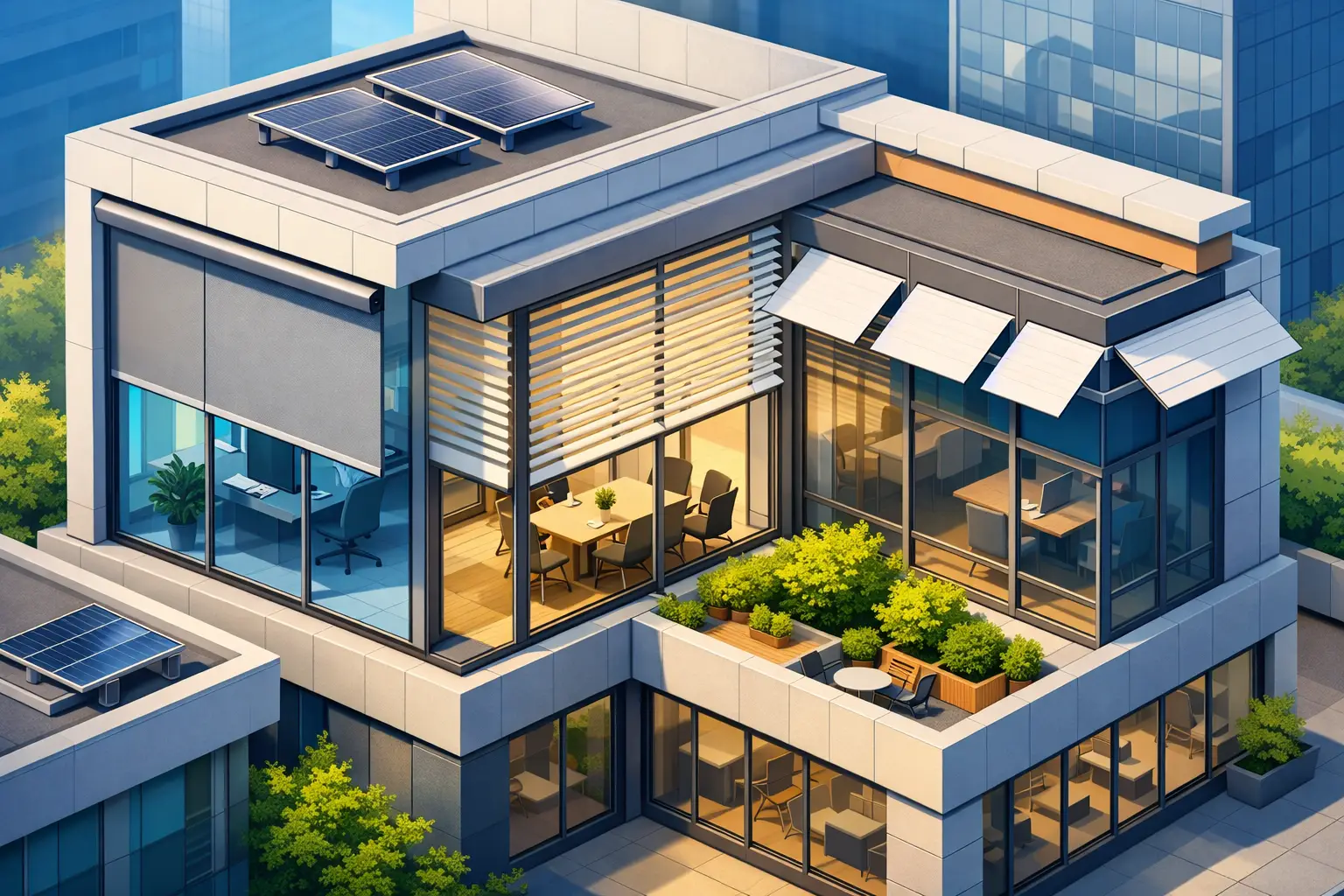
Heat gain is another major issue. Large windows can drive up cooling costs and make certain zones feel noticeably warmer than others. Shades help regulate that exposure, and in some settings exterior shading can make an even bigger difference by stopping harsh sunlight before it reaches the glass.
Privacy matters as well, but the answer depends on the business. A street-level storefront may want visibility during the day and privacy after hours. A medical office may need selective privacy in treatment rooms without making the space feel dark or clinical. A conference room may need full privacy during meetings but openness the rest of the time. The right product depends on how the room functions, not just what the window looks like.
Then there is appearance. Commercial interiors do not need to feel cold or purely utilitarian. Well-designed shading can sharpen a brand image, add texture, and make a business feel more finished and professional. Clients notice details, even when they do not say so directly.
Types of commercial window shading solutions
Solar shades are one of the most requested options for commercial environments because they offer a balanced answer to glare and light control. They are especially effective in offices, waiting areas, and storefronts where preserving daylight matters. Openness factors can be adjusted based on how much visibility and light filtering the space needs.
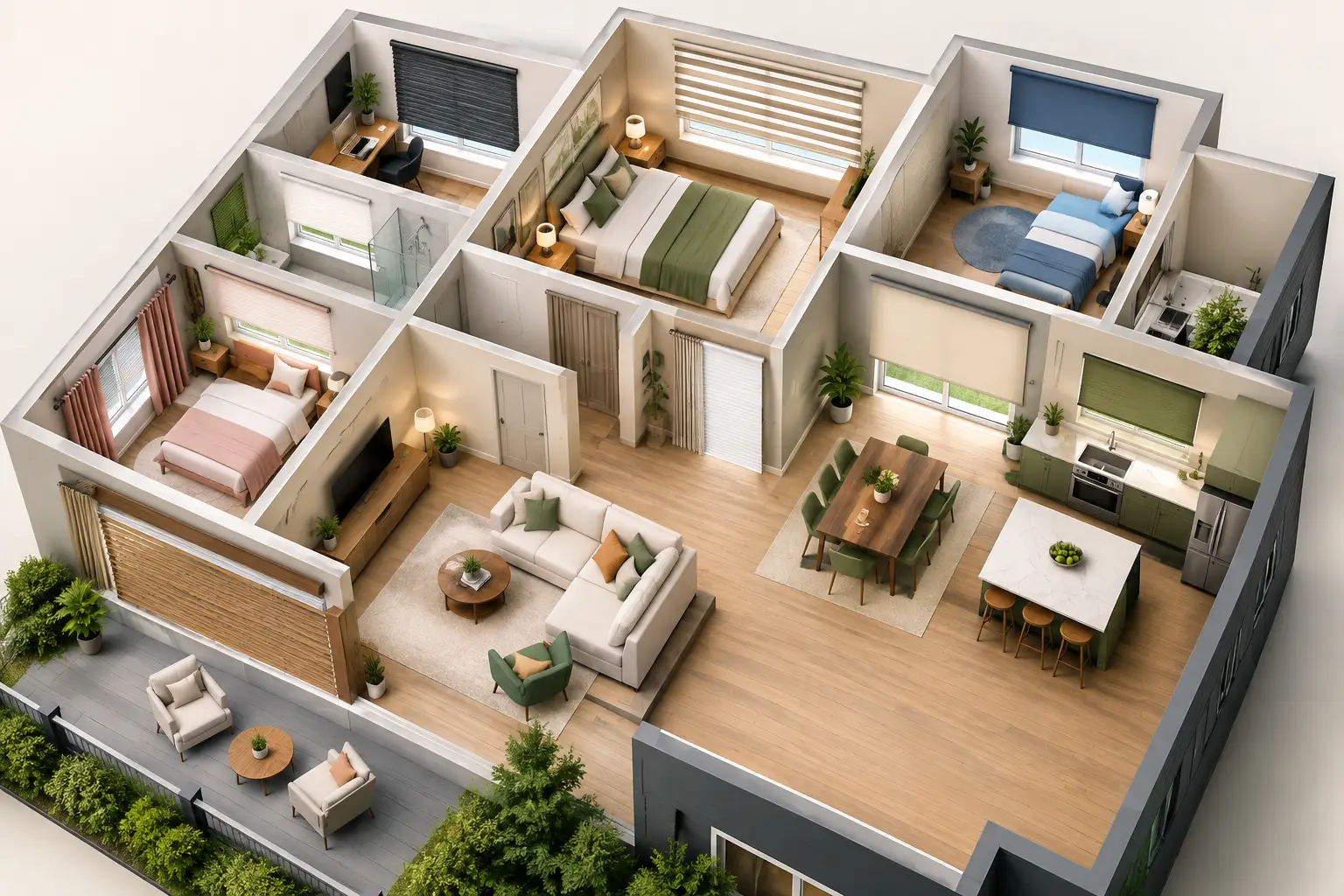
Roller shades are another versatile choice. Their simple profile works well in contemporary interiors, and they can be specified in a wide range of fabrics, colors, and performance levels. Some businesses prefer them because they maintain a neat, uncluttered look across multiple windows.
For spaces that need stronger room darkening, blackout shades may be appropriate. These are often used in presentation rooms, media spaces, or certain healthcare settings. They are effective, but they can feel too closed-off for areas that benefit from natural light, so product placement matters.
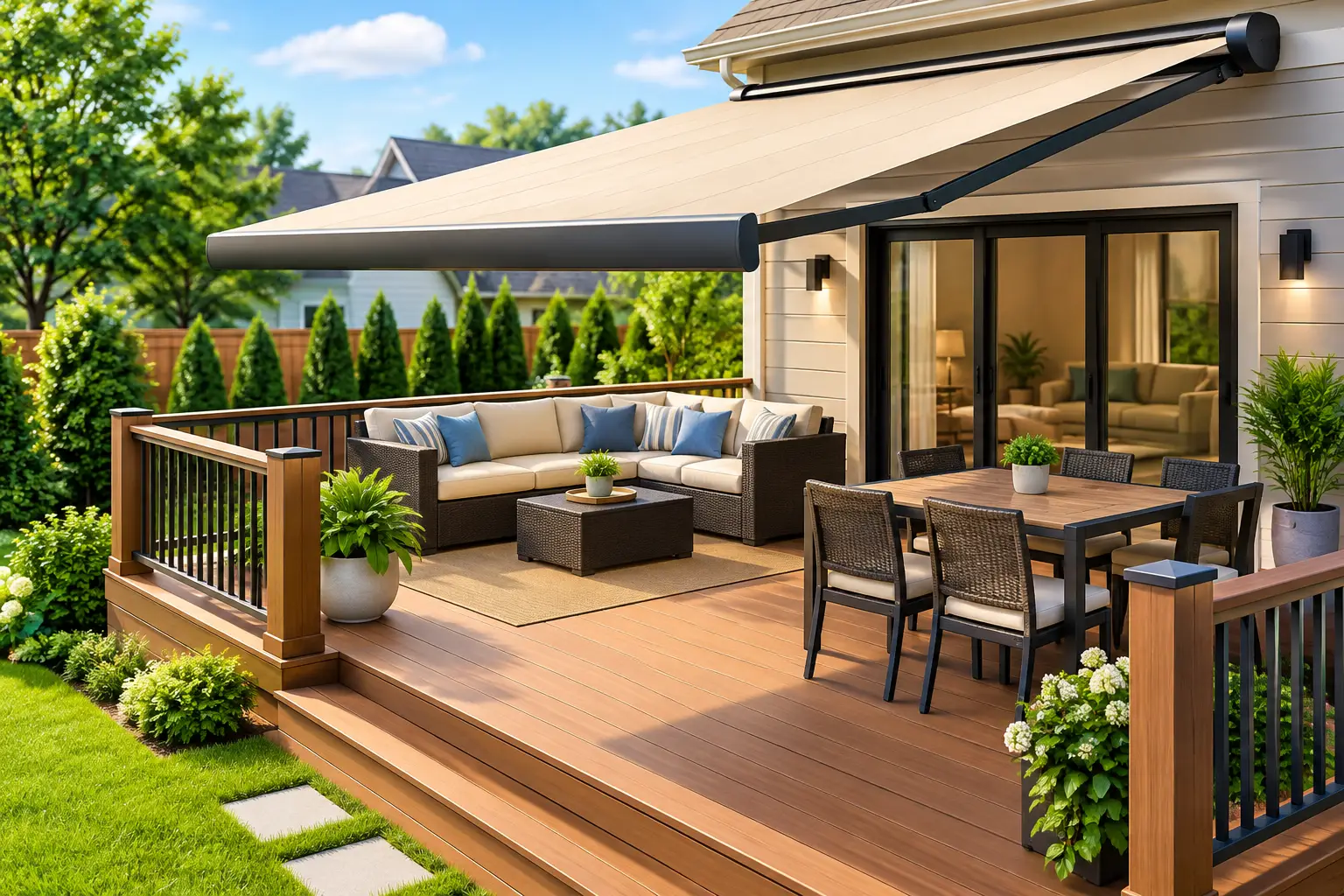
Exterior shades are worth serious consideration for patios, glass-heavy facades, and customer-facing outdoor areas. They can improve comfort, reduce solar heat, and extend how usable an outdoor space feels during warmer months. For hospitality and restaurant environments, they can also support a more polished guest experience.
Motorized shades have become increasingly valuable in commercial settings, especially where windows are tall, numerous, or difficult to access. They allow for more consistent control and a cleaner user experience. In spaces with changing daylight conditions throughout the day, automation can be practical, not just impressive.
How to choose the right shading system
The right selection starts with a simple question: what is the main problem you are trying to solve? If glare is the issue, the answer may be different than if your top concern is privacy or energy performance. A business that tries to solve everything with one generic product often ends up disappointed.
Window orientation matters more than many buyers expect. South- and west-facing glass usually create the biggest solar challenges. Morning light in east-facing spaces can also be disruptive, particularly in waiting rooms and open offices. Looking at the building as a whole helps avoid inconsistent performance from room to room.
Aesthetics should also be part of the decision early, not tacked on at the end. The most effective shading system still needs to support the style of the business. A law office, boutique, café, and medical practice will not all want the same visual effect. Fabric texture, color, hardware finish, and shade profile all contribute to the final impression.
Then there is operation. Manual shades may work perfectly well in some private offices or smaller settings. In larger commercial spaces, motorization can improve convenience, consistency, and long-term usability. It depends on scale, budget, and how frequently the shades need to be adjusted.
Why custom beats off-the-shelf in commercial spaces
Commercial windows are rarely as straightforward as they seem. Sizes vary, mounting conditions can be tricky, and one side of the building may behave completely differently than the other. Standard retail products are not built for those nuances.
Custom commercial window shading solutions allow for better fit, better appearance, and better performance. More important, they reduce the risk of expensive do-overs. In a business setting, poor measurements or awkward installation do not just create visual problems. They interrupt operations and reflect poorly on the space.
A full-service approach also makes the process easier for business owners, office managers, and property teams. Instead of guessing from samples online, they can review options in person, compare materials, understand trade-offs, and make decisions with confidence. That is especially valuable when aesthetics, budget, and function all need to be balanced at once.
For many businesses in Northern Virginia, that local guidance is what saves the project. A company like Covering Windows can evaluate the space, present options that truly fit the goals of the property, and handle installation professionally so the finished result looks intentional from day one.
What to expect from a professional consultation
A good consultation should feel less like a sales pitch and more like problem-solving. The conversation should cover how the space is used, where the light issues occur, what level of privacy is needed, and what kind of look the business wants to achieve.
This is also the time to discuss trade-offs. A lighter fabric may preserve brightness but offer less privacy. A darker solar shade may reduce glare more effectively while changing the feel of the room. Motorization adds convenience, but not every window needs it. Honest guidance matters because the best choice is rarely the most generic one.
Samples are important in commercial projects because materials look different in the actual space than they do in a catalog. Color, openness, and texture all interact with flooring, wall finishes, furniture, and natural light. Seeing those combinations in person leads to better decisions.
Professional measuring and installation complete the value. In commercial spaces, precision matters. Clean lines, smooth operation, and consistent alignment across windows make a noticeable difference in how polished the finished project feels.
The real value of getting it right
When businesses invest in the right shading system, the payoff shows up in daily comfort, visual consistency, and fewer operational headaches. Employees work better when glare is controlled. Customers stay longer in spaces that feel comfortable. Interiors hold up better when harsh sunlight is managed. And the overall space looks more refined.
That is the real purpose of commercial window shading solutions. They are not there to hide windows. They are there to make the building work better and look better at the same time.
If your space has bright spots, hot zones, privacy concerns, or windows that simply feel unfinished, the smartest next step is not guessing from a product shelf. It is looking at the room through the lens of how you want it to perform and choosing a solution built for that purpose.