You usually notice the wrong window treatment after it is installed. The room feels too stark, too dark, too exposed, or just slightly off from the look you had in mind. That is why the blinds vs shades decision matters more than most homeowners expect. Both can improve privacy, light control, and comfort, but they do it in very different ways, and the right choice depends on how you live in the space.
For many homeowners, this is not really a product question. It is a lifestyle and design question. Do you want crisp lines and adjustable slats, or a softer finished look? Are you trying to reduce glare in a sunny family room, add privacy in a street-facing bedroom, or give a formal dining room a more polished feel? Once you look at blinds and shades through that lens, the decision becomes much clearer.
Blinds vs shades: what is the actual difference?
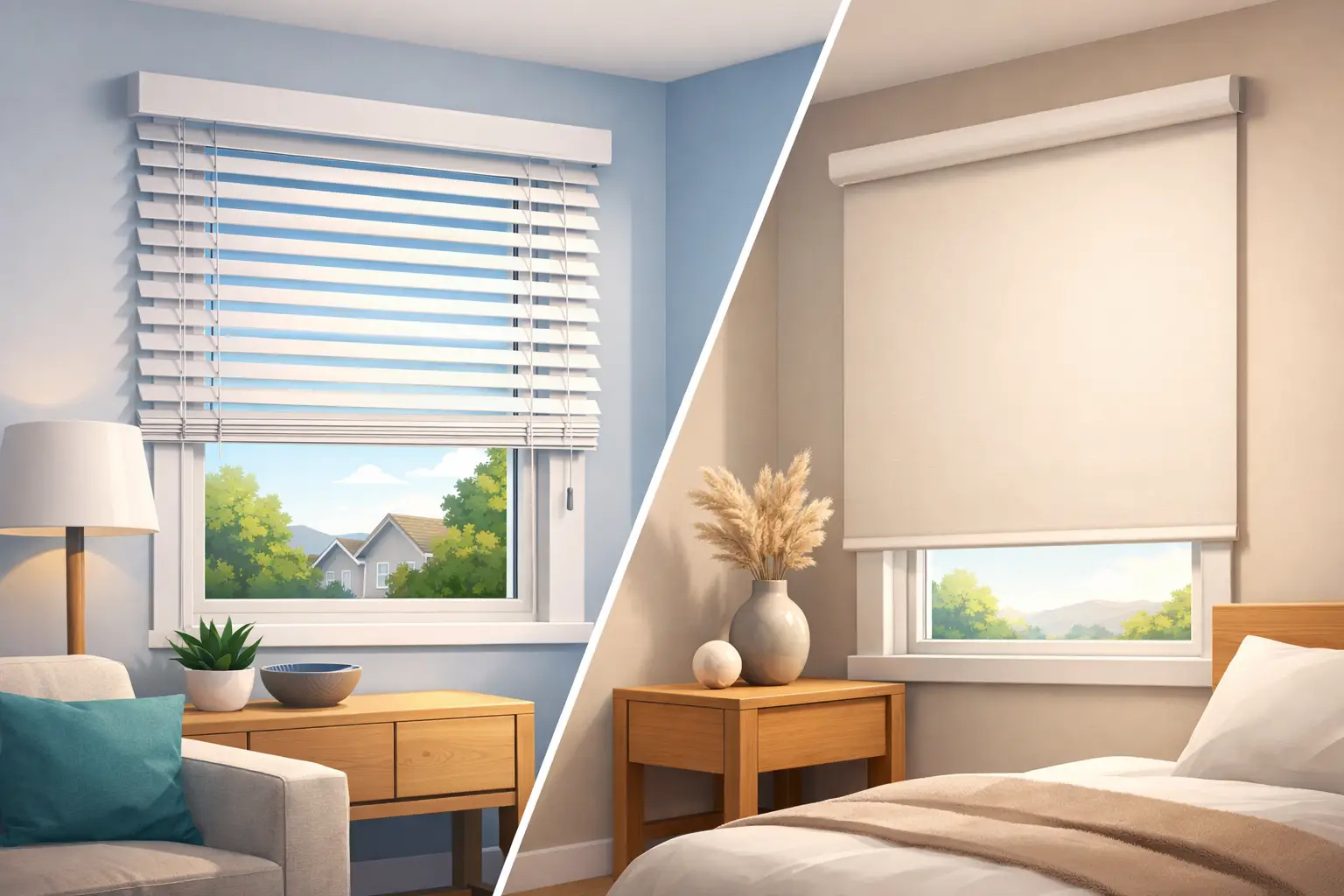
Blinds are made with hard slats, usually in wood, faux wood, aluminum, or composite materials. Those slats tilt open and closed, which gives you precise control over light and privacy without fully raising the treatment. That adjustability is the biggest reason blinds remain popular, especially in rooms where sunlight shifts throughout the day.
Shades are made from a continuous piece of material rather than slats. Depending on the style, that material may roll, fold, or stack as the shade is raised. Roman shades, roller shades, solar shades, woven wood shades, and cellular shades all fall into this category. Shades tend to create a cleaner, more tailored appearance, and many homeowners prefer them when the goal is softness, texture, or a more elevated finished room.
The difference sounds simple, but it affects everything from the look of the window to how the room feels at 3 p.m. when the sun is hitting directly through the glass.
When blinds make more sense
Blinds are often the practical favorite when flexibility matters most. Because the slats can tilt, you can let in daylight while limiting direct glare or blocking views from outside. That can be especially useful in kitchens, home offices, and living spaces where you want daylight but not the full exposure that comes with an uncovered window.
Wood and faux wood blinds also suit homes where architectural definition matters. If your interior leans traditional, transitional, or classic, blinds can reinforce that structure nicely. They have a more defined visual presence than many shades, and that can work beautifully with trim, molding, and more formal design details.
That said, blinds do come with trade-offs. Slats collect more dust than many shades, and lower-quality blinds can look dated quickly. In large windows, blinds can also feel heavier visually. If the room calls for softness or a quieter backdrop, shades may be the better fit.
When shades are the better choice
Shades are often selected for the way they finish a room. They bring in texture, fabric, and a more custom feel that many homeowners want when updating bedrooms, dining rooms, family rooms, and primary suites. If blinds feel functional, shades often feel intentional.
They also offer more variety in light filtering. A solar shade can reduce glare while preserving your view. A blackout shade can make a bedroom far more restful. A cellular shade can improve insulation and help with energy efficiency. A Roman shade can make the entire window feel dressed rather than simply covered.
The main trade-off is that shades generally do not offer the same in-between light control that blinds do. With many styles, the shade is either lowered or raised. Some products address that with dual shade systems or top-down bottom-up operation, but if your top priority is micro-adjusting light throughout the day, blinds still have an edge.
Blinds vs shades for privacy and light control
This is where the choice gets more specific room by room.
If you want adjustable privacy, blinds are hard to beat. Tilting the slats gives you the ability to fine-tune visibility and brightness without opening the window treatment completely. In front-facing rooms or spaces close to neighboring homes, that flexibility can be a real advantage.
If you want consistent privacy with a softer appearance, shades often win. A light-filtering shade can obscure views while still allowing the room to feel bright. A blackout shade can give you near-total privacy and darkness when needed. For bedrooms and media rooms, that can be more valuable than slat adjustment.
In sunny Northern Virginia homes with large windows, this often comes down to orientation. West-facing rooms may benefit from shades designed to reduce heat and glare. Bathrooms may need privacy-first solutions with moisture-friendly materials. Family rooms may need something that looks refined but still handles daily use well.
Style matters more than most people think
Window treatments take up a surprising amount of visual space. Even when you are focused on function, the product changes the mood of the room.
Blinds create cleaner lines and a more structured look. They can feel crisp, practical, and architecturally grounded. Faux wood blinds are a common choice for homeowners who want durability and a familiar look at a budget-conscious price point. Real wood blinds bring more warmth and richness, but they are typically better suited to lower-moisture spaces.
Shades, on the other hand, tend to feel more refined and design-forward. Fabric brings softness that balances hard flooring, cabinetry, stone, and painted walls. In open-concept homes, shades can also help create a quieter, more cohesive visual flow from one room to the next.
This is one reason a lot of full-home projects do not land on one product category throughout. The best result is often a coordinated mix. Blinds may make sense in secondary bedrooms or work areas, while shades create a more finished look in the main living areas and primary bedroom.
Cost, value, and the custom factor
Homeowners often begin with price, but the better question is value over time.
Basic blinds can be less expensive than many custom shades, especially in standard sizes. But off-the-shelf pricing rarely tells the full story. Once you factor in exact measurements, material quality, operating systems, and installation, there can be far less distance between products than expected.
Custom shades can cost more upfront, particularly in premium fabrics or motorized systems, but they also tend to deliver a stronger design payoff. If the room is one you use constantly and want to elevate visually, that investment is often easier to justify.
Blinds can be a very smart value when durability and control are the priority. Shades can be a better value when the goal is comfort, appearance, and a more tailored fit. Neither is automatically the budget choice or the luxury choice. It depends on the product, the room, and how important the finished result is to you.
Motorization changes the equation
If convenience is high on your list, shades often pair especially well with motorization. Roller shades, solar shades, cellular shades, and Roman shades can all become dramatically easier to use with the touch of a button or a programmed schedule. That is a major benefit for tall windows, wide expanses of glass, and daily-use rooms where cords and manual adjustment become a hassle.
Motorized blinds are available too, but shades tend to deliver the cleaner overall motorized experience from both a visual and operational standpoint. For busy households, this can be one of those upgrades that feels like a luxury at first and then quickly becomes something you would not want to give up.
How to choose the right option for each room
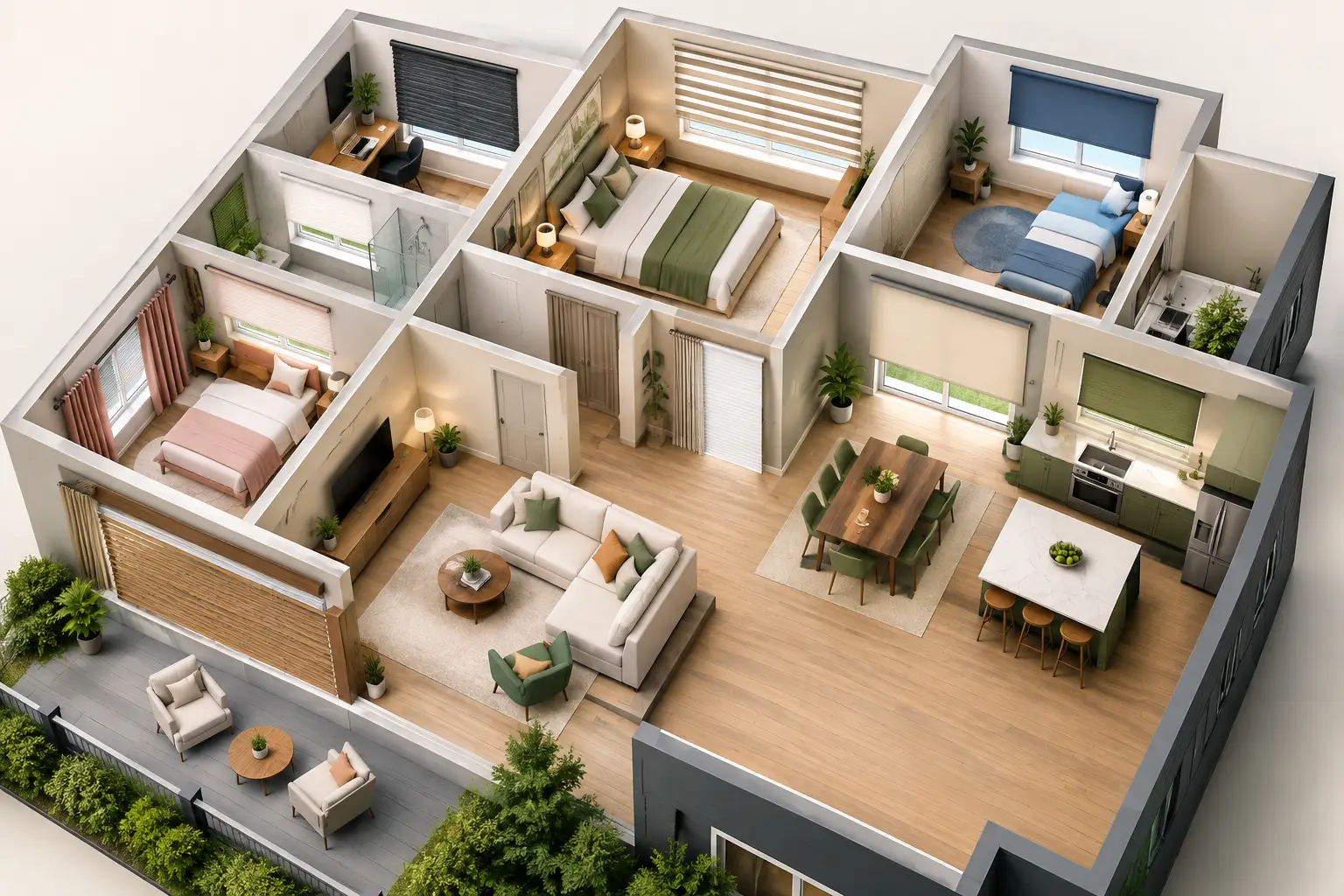
If you are still weighing blinds vs shades, stop trying to choose for the whole house at once. Choose by room purpose.
In kitchens, bathrooms, and workspaces, blinds are often selected for their adjustability and practical durability. In bedrooms, many homeowners prefer shades because they provide better softness and, in blackout options, better sleep support. In formal living spaces or primary suites, shades usually offer the more custom and polished appearance.
For large windows or rooms with strong sun exposure, solar or cellular shades can outperform blinds in comfort and glare reduction. For street-facing windows where you want privacy without losing daylight entirely, blinds may give you better control throughout the day.
This is also where professional guidance makes a real difference. A product that looks perfect online can feel completely wrong once you see the scale, color, and material in your own home. At Covering Windows, that is why in-home consultation matters so much. Seeing samples in your lighting, against your paint colors and furnishings, removes the guesswork and helps you make a choice you will still love after installation.
The best answer is rarely one-size-fits-all
The smartest homeowners do not ask whether blinds or shades are better in general. They ask which one solves the actual problem in each room. Better light control, better privacy, a more finished look, less glare, easier operation, improved comfort – those goals do not always point to the same product.
If you want structured control and everyday practicality, blinds may be the right fit. If you want softness, style, and a more custom feel, shades may be the better investment. And if your home needs both, that is not indecision. It is good design.
The right window treatment should do more than cover glass. It should make the room feel settled, intentional, and easy to live in every day.