A beautiful room can feel unfinished long after the paint dries if the windows are still bare. Privacy, glare control, insulation, and that polished designer look often depend on the last layer: the right shades, blinds, shutters, or drapery. Understanding window treatment timelines before you begin helps you plan around a move, renovation, holiday gathering, or new baby without settling for a rushed solution that does not fit your home.
Custom window treatments are not a grab-and-go purchase. They are made around your windows, your design preferences, and the way you live in each room. That takes some coordination, but it also delivers the tailored fit, dependable function, and finished appearance that off-the-shelf options rarely match.
Typical Window Treatment Timelines at a Glance
For most custom projects, plan on several weeks from the first consultation to final installation. The exact schedule depends on the product category, material availability, window complexity, and whether you are adding motorization or specialty details.
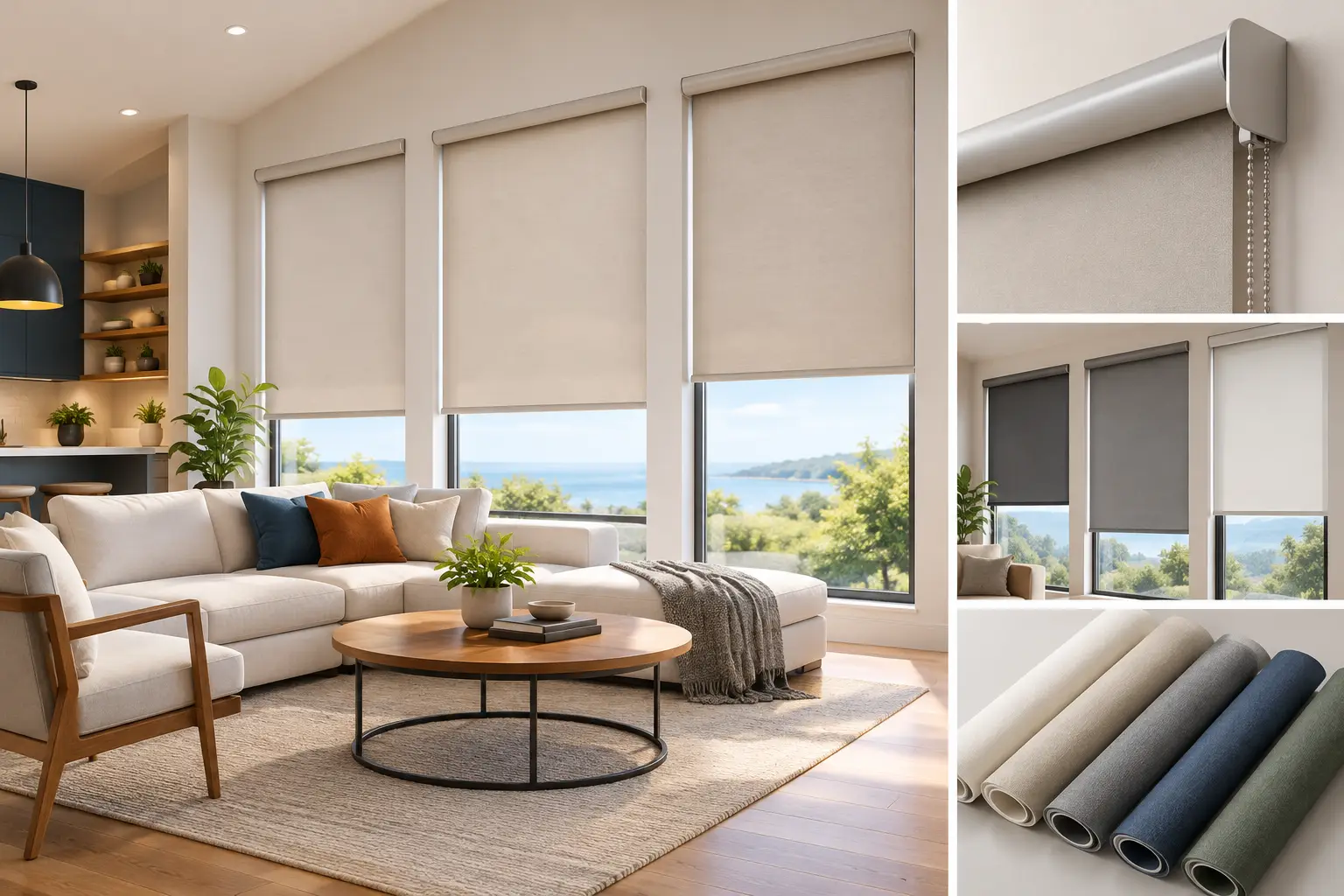
Custom blinds and shades may move relatively quickly when the selected fabric, color, and operating system are readily available. Plantation shutters generally require more production time because each panel is built to the window opening. Custom draperies can also take longer when they include specialty fabrics, decorative hardware, linings, trims, or layered treatments.
The most useful rule is simple: start earlier than you think you need to. If you want finished window treatments before a major event or move-in date, it is wise to begin the selection process well in advance rather than waiting until the room is otherwise complete.
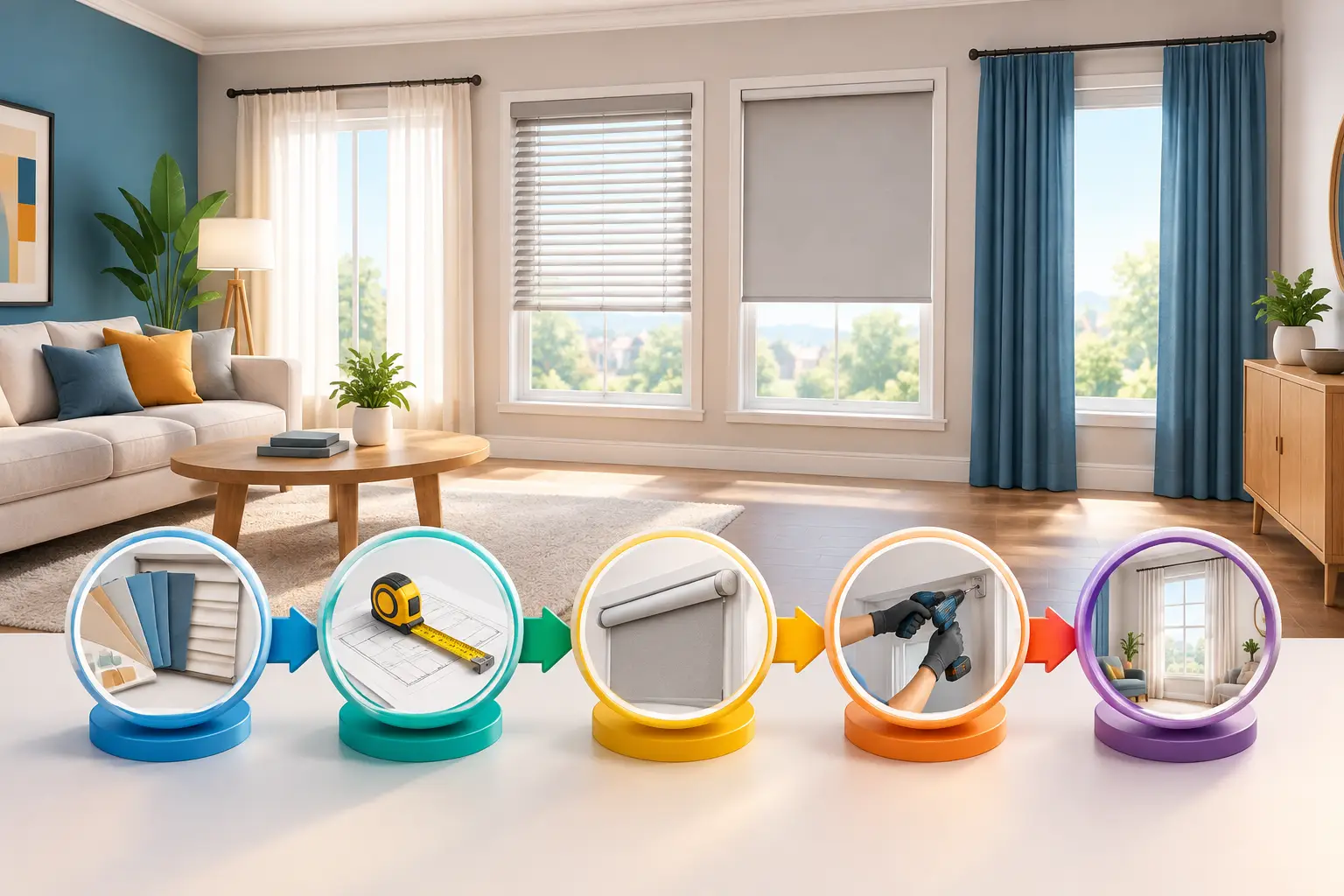
Stage 1: The In-Home Consultation
The first step is often the most enjoyable. During an in-home consultation, you can compare samples in the actual light of your space, discuss privacy needs, and see how colors and textures work with your flooring, paint, furnishings, and trim.
This stage can be as quick as one appointment when decisions are clear. It may take longer when you are furnishing a new home, coordinating multiple rooms, or considering several product types. A kitchen may call for easy-clean roller shades, while a formal living room may need woven shades with tailored drapery panels. Bedrooms may benefit from room-darkening shades or motorized options that make morning routines easier.
A professional consultation also prevents a common timeline problem: choosing a product online, then discovering it does not provide enough privacy, will not clear a door handle, or clashes with the room once installed. Seeing full-size samples and getting practical guidance upfront can save weeks of corrections later.
What to decide before the appointment
You do not need every design detail finalized, but it helps to know your priorities. Consider whether each room needs more privacy, better light control, improved energy efficiency, child-safe operation, a softer decorative finish, or all of the above. It is also helpful to share a realistic budget range and any firm deadline, such as a closing date or planned renovation completion.
If you are still deciding between wood shutters, Roman shades, cellular shades, or drapery, that is exactly what the consultation is for. The goal is not to force a quick choice. It is to narrow the options to solutions that suit your windows, lifestyle, and investment level.
Stage 2: Measuring and Finalizing Your Order
Once you select your treatments, precise measurements become the foundation of the project. Even windows that appear identical can vary slightly in width, depth, molding, and squareness. Those small differences matter with custom products.
Professional measuring helps ensure that inside-mounted shades clear the window frame, shutters align properly, and drapery hardware is positioned for the best visual effect and function. For motorized shades, the team will also consider power access, battery options, control preferences, and smart-home compatibility.
This part of the process is usually efficient, but changes after final measurement can affect the schedule. A new paint color, revised trim, changed furniture plan, or last-minute switch from manual to motorized operation may require an updated order. That does not mean changes are impossible. It simply means they should be made before production begins whenever possible.
Stage 3: Custom Production Time
Production is where window treatment timelines vary the most. Your selected products are fabricated to the approved measurements and specifications, then prepared for delivery and installation.
Custom roller shades, solar shades, cellular shades, and many blind styles may have shorter lead times than more detailed products. However, specialty fabrics, upgraded hardware, uncommon colors, and motorization can add time. Shutters are typically a longer-lead category because they are built as a permanent architectural feature, not simply cut to length.
Drapery production is similarly dependent on detail. A simple pair of panels may be more straightforward than a layered design with blackout lining, custom pleats, trim, and decorative rods. The results can be extraordinary, especially in rooms with tall ceilings or large windows, but craftsmanship has a schedule.
Supplier availability also plays a role. If a manufacturer has a component or fabric temporarily backordered, the project may take longer. A reputable local provider should communicate that clearly and help you weigh alternatives if meeting a deadline matters more than choosing one exact material.
Stage 4: Scheduling Professional Installation
When your products arrive, the installation is scheduled around your availability and the scope of the project. A single room may be completed quickly, while a whole-home installation with shutters, drapery, and motorized shades can require more time on site.
Professional installation is worth protecting in the schedule. This is where the details come together: brackets are secured, shades operate correctly, panels hang evenly, shutters are adjusted, and motorization is tested. The installer can also walk you through operation, charging or battery replacement where applicable, and care recommendations.
For homeowners managing contractors, try to schedule installation after dusty work such as drywall sanding, flooring replacement, or major painting is complete. It is better for your new treatments and avoids the risk of damage during the final stages of a renovation.
How to Plan Around a Move or Renovation
A move-in date is one of the most common reasons homeowners feel pressure around window coverings. The practical challenge is real: you want privacy on day one, but you also want treatments that belong in the home for years.
If construction is complete and final measurements can be taken, begin as early as possible before closing. If measurements cannot happen until you have access to the property, temporary paper shades can provide short-term privacy while custom treatments are being made. This approach is often better than buying low-cost temporary blinds for every window, then replacing them weeks later.
For renovations, avoid selecting window treatments based only on plans or rough dimensions. Final openings can shift after trim, tile, cabinetry, or new windows are installed. Waiting for verified measurements may feel slower at first, but it protects the accuracy of the finished order.
Factors That Can Extend the Timeline
Most delays are preventable with good planning, but some are part of the custom process. Four factors deserve special attention:
- Specialty materials, custom colors, premium fabrics, and decorative details may require additional manufacturing time.
- Large or unusually shaped windows can need specialty products, extra panels, or more complex installation planning.
- Motorized systems may require decisions about power, controls, and programming before fabrication is finalized.
- Last-minute changes to measurements, product style, fabric, or hardware can restart part of the ordering process.
None of these are reasons to avoid customization. They are reasons to work with a team that can explain the trade-offs before you commit. Sometimes the best choice is the exact fabric you love, even if it takes longer. Other times, a readily available alternative provides a similar look and keeps a move-in schedule intact.
The Best Time to Start
If your project has a hard deadline, build in a cushion. Start the conversation before your furniture arrives, before the renovation is fully wrapped up, or before you host family for the holidays. Early planning gives you better choices and reduces the temptation to compromise on privacy, light control, or style.
At Covering Windows, the process is designed to replace uncertainty with a clear plan, from samples and measuring through custom ordering and expert installation. You should know what is being selected, why it fits your space, and what to expect next.
The right window treatment does more than cover glass. It brings comfort, character, and a sense of completion to the room. Give the process enough time, and your finished windows can feel like they were always meant to be there.