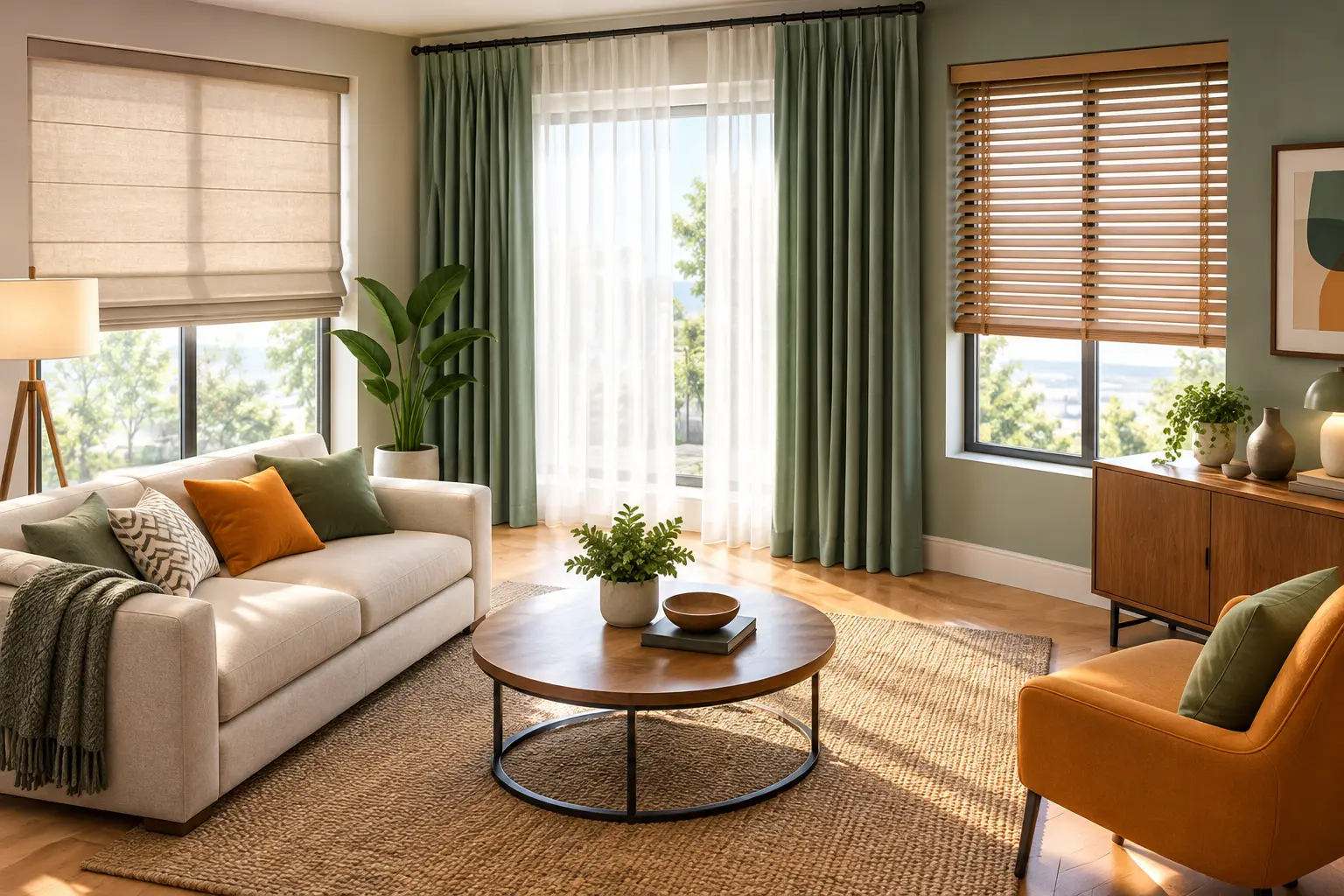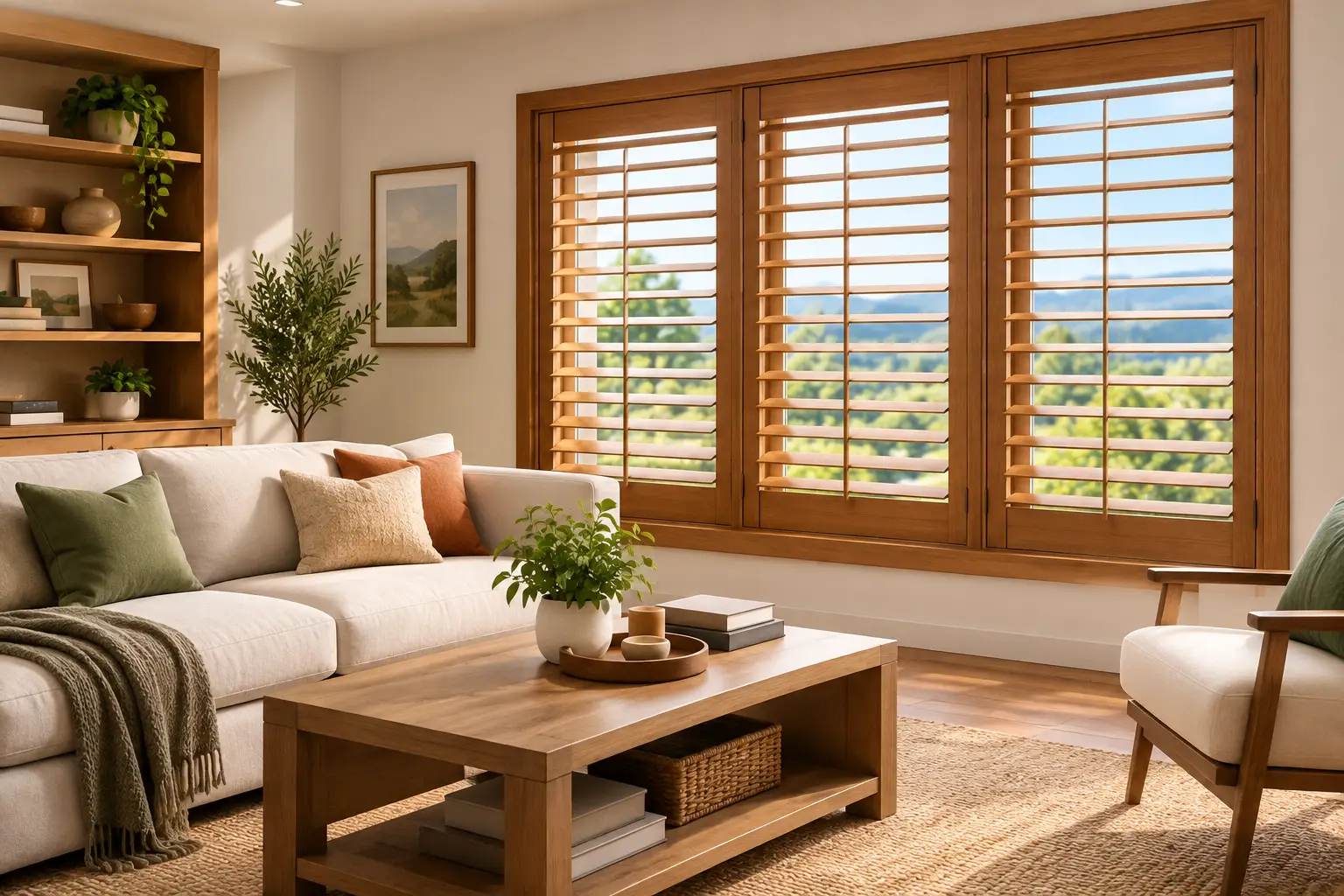
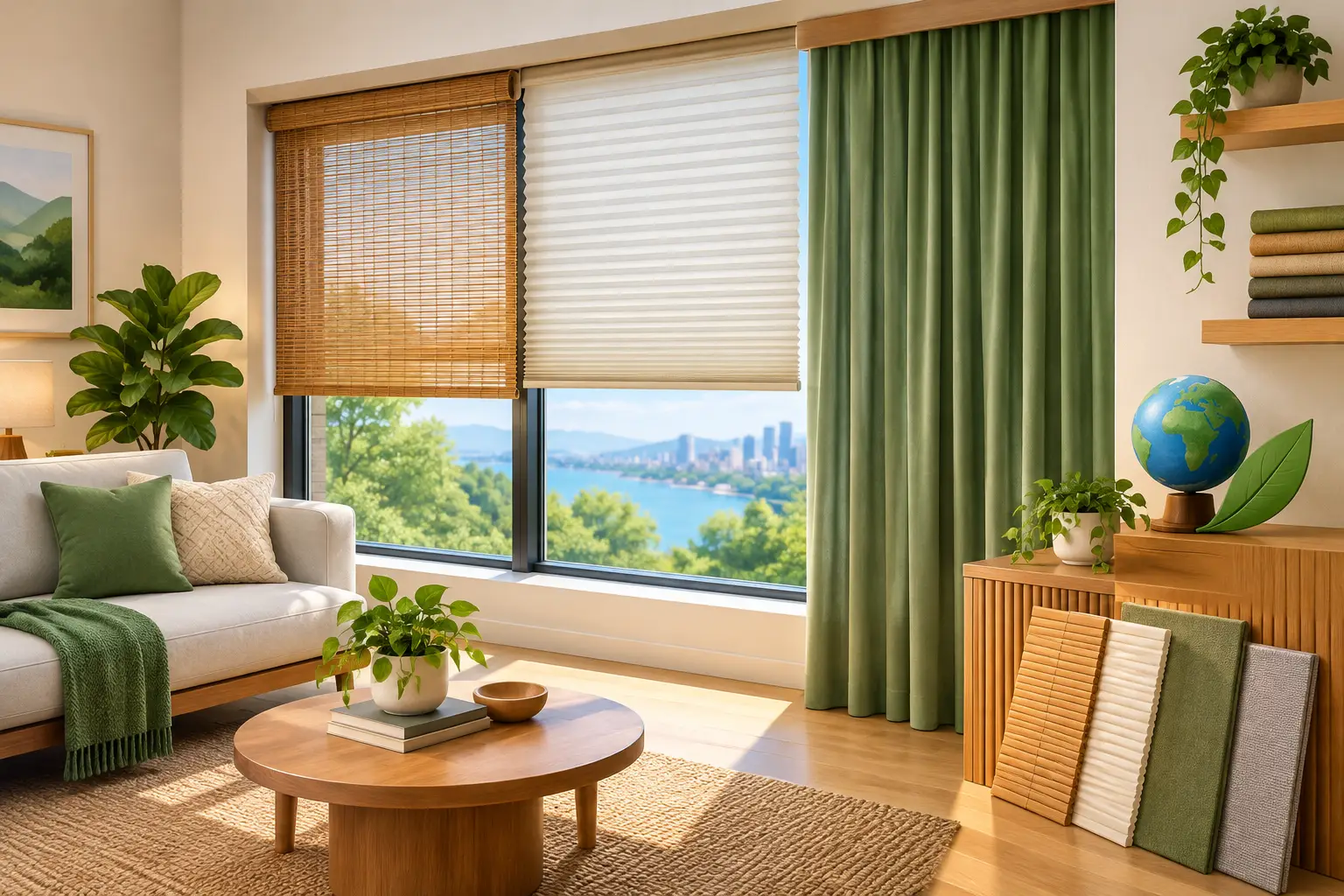
A west-facing family room can become uncomfortable long before the thermostat catches up. The right sustainable window coverings can soften that afternoon heat, protect hardwood floors and furnishings from harsh sun, and make a room feel more finished without relying on disposable, short-lived products.
For homeowners in Northern Virginia, sustainability is rarely about choosing one material with a green label. It is about choosing window treatments that fit correctly, perform well through humid summers and cold winters, and continue to look beautiful years from now. A custom shade, shutter, or drapery that solves a real comfort problem and stays in service has a much better story than a bargain treatment replaced after a few seasons.
What Makes Window Coverings Sustainable?
A sustainable choice considers the full life of the product: where materials come from, how much energy the treatment can help manage, how long it is likely to last, and whether it can be repaired or retained as your home evolves. That definition is more useful than treating every natural fiber as automatically eco-friendly or every synthetic material as a poor choice.
Natural materials can be excellent options, especially responsibly sourced wood shutters, woven wood shades, linen-look draperies, and cotton blends. They bring texture and warmth that work beautifully in homes from McLean to Ashburn. Still, a natural fabric may need a liner for privacy, light control, or longer life, while wood requires the right finish and care in high-humidity spaces.
Engineered materials also have a place. A well-made cellular shade, for example, can create an insulating air pocket at the window. Its energy-saving performance may outweigh a material decision made on appearance alone, particularly in a room with large expanses of glass. The goal is not perfection on paper. It is a thoughtful treatment that reduces waste and improves daily living.
Start With the Window’s Biggest Problem
The most sustainable solution is often the one that prevents you from adding more products later. Before choosing colors or fabrics, identify what the window needs to do.
A bedroom may need blackout performance and reliable privacy. A bright kitchen may need glare reduction without losing the view. A great room with tall, sun-facing windows may need insulation and UV protection. In a home office, light diffusion can reduce screen glare while preserving a clean, tailored look.
This is where custom design matters. An ill-fitting ready-made shade can leave heat-producing gaps at the sides, hang unevenly, or fail to cover the glass at the right depth. Accurate measuring and professional installation help a treatment perform as intended, which protects the investment and avoids unnecessary replacement.
Energy Efficiency Is More Than a Fabric Choice
Windows are a major source of heat gain in summer and heat loss in winter. Window coverings cannot replace efficient windows or proper insulation, but they can support both.
Cellular shades are a strong choice when thermal performance is the priority. Their honeycomb construction helps slow heat transfer, and options are available in light-filtering, room-darkening, and blackout styles. For a polished interior, they can also be paired with stationary drapery panels that add softness and visual scale.
Solar shades are another practical solution for rooms with abundant sunlight. They reduce glare and UV exposure while maintaining an outward view, depending on the openness factor selected. A more open weave preserves visibility but allows more light and heat through; a tighter weave delivers greater solar control and more daytime privacy. There is always a trade-off, and the right answer depends on the room’s orientation and how you use it.
Exterior shades and awnings can be particularly effective because they stop solar heat before it reaches the glass. They are worth considering for patios, sunrooms, commercial storefronts, and large west- or south-facing windows where interior treatments alone may not be enough.
Materials That Balance Beauty and Longevity
Sustainable design does not need to look rustic or restrained. The most refined rooms often rely on materials chosen for their ability to age gracefully.
Wood shutters are a lasting architectural choice when they are properly crafted and fitted. Look for responsibly sourced wood and durable finishes, especially in rooms exposed to direct sun. Real wood offers natural grain, depth, and a level of customization that can elevate traditional, transitional, and contemporary interiors alike. It is not the best choice for every bathroom or exceptionally humid area, where a quality alternative material may deliver more dependable performance.
Woven wood shades use materials such as bamboo, reeds, grasses, and natural fibers to create organic texture. They are especially appealing when a room needs warmth without visual heaviness. Because the weave may allow light through, a privacy or blackout liner can make them more functional in bedrooms and street-facing spaces.
Draperies can also be an enduring choice, particularly when made with durable fabrics and constructed with quality hardware. A lined drapery helps protect the face fabric from sun exposure and can improve insulation at the window. Rather than selecting a trend-driven print that may feel dated quickly, many homeowners choose a textured neutral or quiet pattern that can work through future furniture and paint changes.
For wood products, ask about responsible sourcing and third-party forestry standards. For fabrics, consider durability, cleanability, and whether the color and construction will still suit the room five or ten years from now. Longevity is one of the clearest forms of sustainability.
Why Custom Fit Reduces Waste
Online ordering can make window treatments appear simple until measurements are off, colors look different in your home, or a product arrives without the hardware needed for a finished installation. The resulting returns and replacements create frustration as well as waste.
A guided in-home consultation allows you to compare samples against your wall color, flooring, furniture, and natural light. It also makes room for the details that affect performance: window depth, trim, handle clearance, mounting options, child safety needs, and the amount of light that enters at different times of day.
Custom does not automatically mean extravagant. It means you are buying the right level of product for the window rather than trying to force a standard size into a specific space. Covering Windows helps homeowners weigh these decisions with samples, design guidance, precise measuring, and professional installation, so the final result feels intentional rather than improvised.
Motorization Can Support Smarter Energy Use
Motorized shades are often associated with convenience, and they certainly make hard-to-reach windows easier to manage. Their sustainability value comes from consistent use. A shade that automatically lowers during the hottest part of a summer afternoon or closes at night during winter can help moderate the room more reliably than a manual shade left open all day.
Schedules and sensors should support how you actually live. In a room with a prized view, you may want shades open when you are home and closed only during peak glare. In a vacation property or office, automated routines may offer greater value. The best system is not the most complicated one; it is the one your household will use.
Avoid the Shortcuts That Lead to Replacement
Low upfront price can be tempting, but window treatments are visible every day. Thin fabrics may fade, low-quality mechanisms may fail, and poorly sized panels can make an otherwise beautiful room look unfinished. Replacing those treatments quickly is rarely the economical or sustainable option.
Instead, prioritize dependable operating systems, fabrics suited to the room, and treatments that can be cleaned and maintained. Ask how a shade is repaired if a cord, clutch, or motor needs service. Consider whether the treatment can move with you through a repaint, a furniture refresh, or a new rug. A flexible neutral foundation with carefully chosen texture is often a wiser long-term investment than a highly specific trend.
Choose the window covering that earns its place in your home: one that controls light beautifully, supports comfort through every season, and still feels like a considered part of the room years from now.