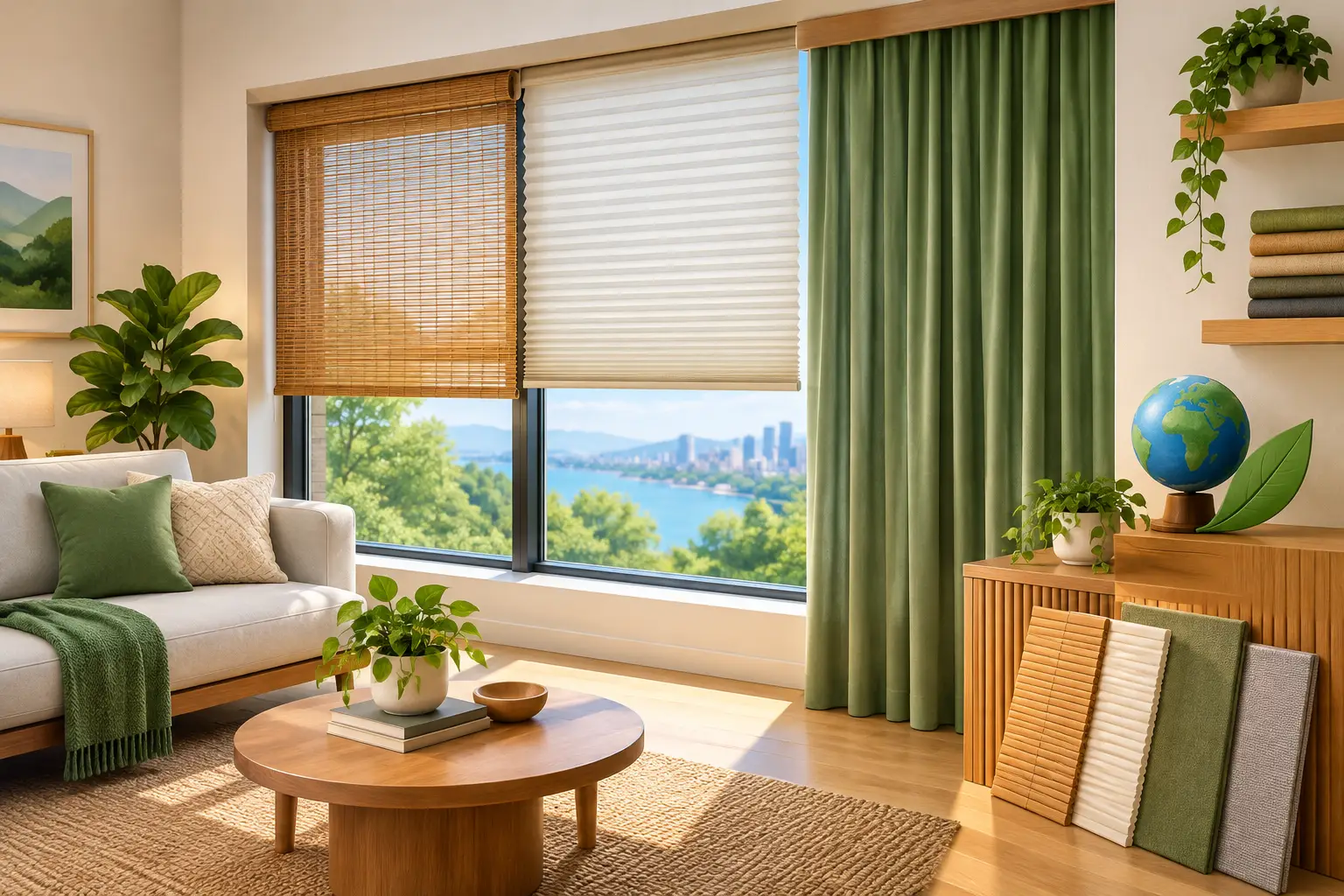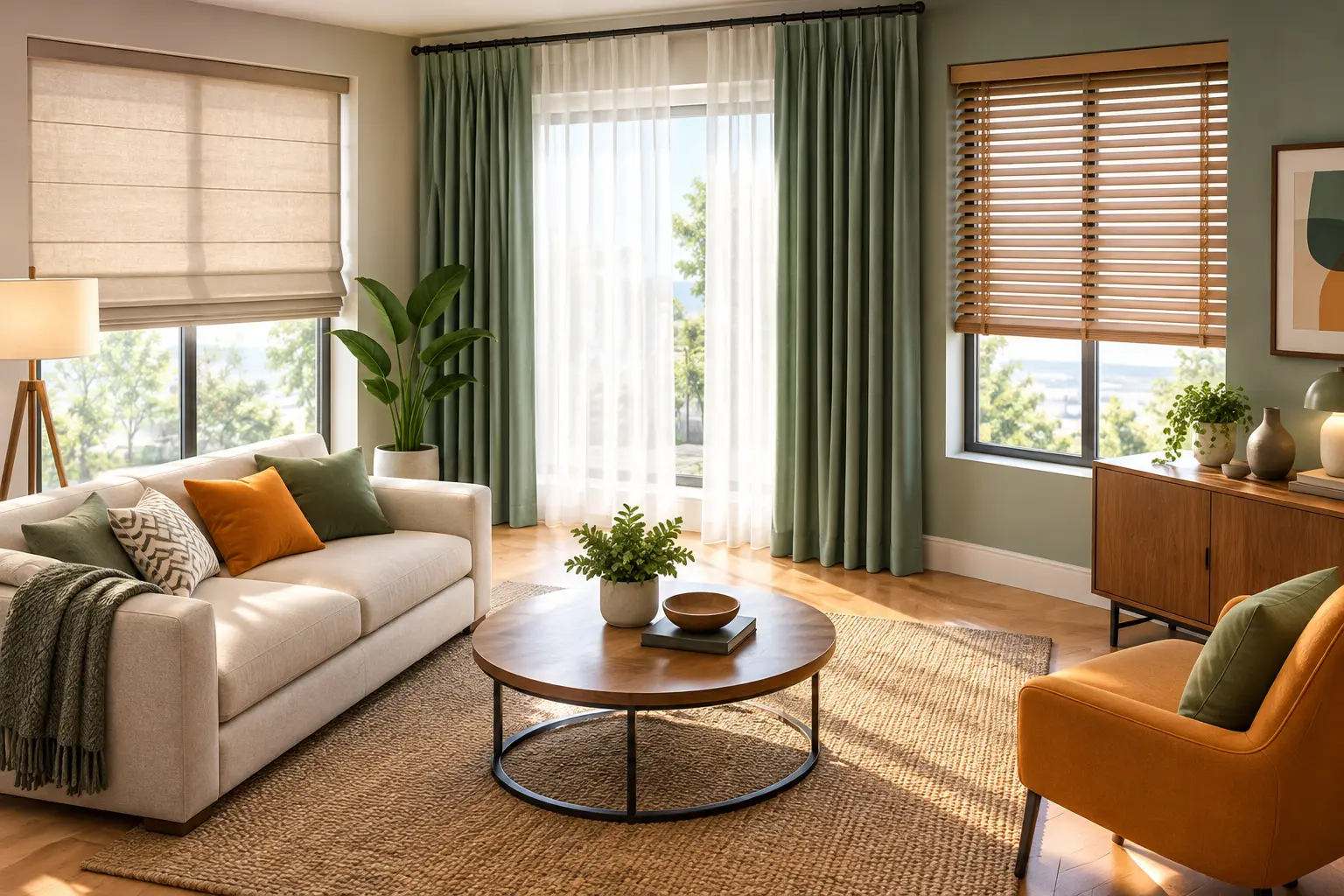
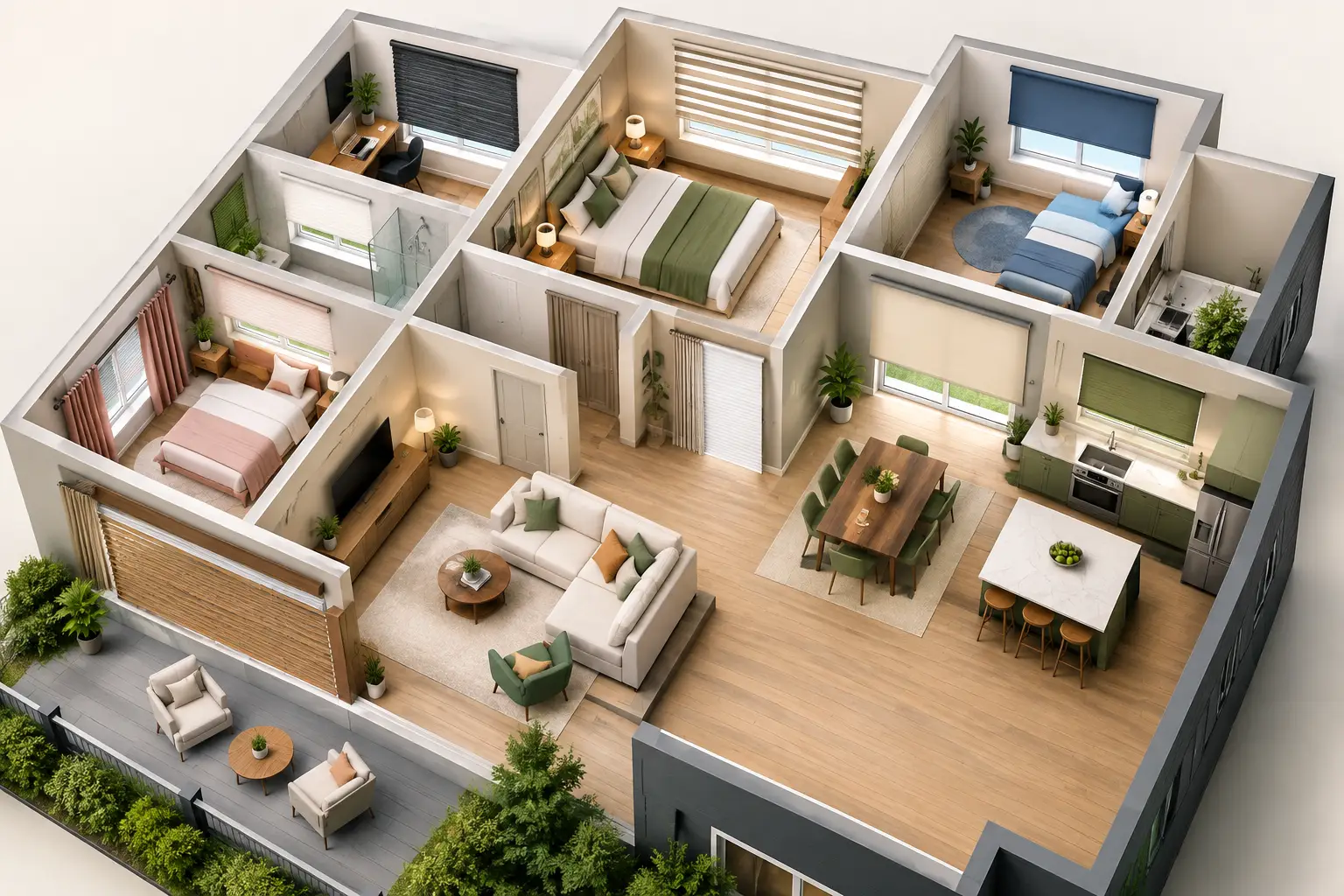
A whole home blind makeover rarely starts because every window treatment suddenly fails at once. More often, it begins with one frustrating room: a bright family room that overheats by midafternoon, a bedroom that never feels private enough, or an outdated blind that makes an otherwise beautiful renovation feel unfinished. Once you notice the difference well-designed window treatments can make, treating the rest of the home as a connected project becomes the smarter move.
For Northern Virginia homeowners, a coordinated approach creates more than a cleaner look. It gives each room the right balance of privacy, natural light, insulation, and daily convenience while keeping the home visually connected from the front entry to the primary suite.
Why a Whole Home Blind Makeover Works Better
Buying window treatments one room at a time can seem practical, especially when a move, renovation, or furnishing project is already demanding your attention. The challenge is that piecemeal decisions often lead to mismatched colors, inconsistent lift systems, and products that solve an immediate problem without supporting the larger design of the home.
A whole-home plan does not mean every window needs the same blind. In fact, the best projects usually mix products strategically. It means the selections share a clear point of view: complementary materials, a consistent level of quality, coordinated hardware, and similar operating preferences. Your kitchen may need easy-clean faux wood blinds, while the adjacent breakfast area calls for woven shades or soft drapery panels. They can feel intentional together without looking identical.
There is also a practical advantage. Looking at all the windows at once helps identify where investment matters most. A large wall of west-facing glass in a great room may deserve motorized solar shades. Less prominent guest rooms may need a beautiful, straightforward manual option. That is budget discipline, not compromise.
Start With How Your Home Actually Lives
The strongest window treatment plans begin with daily routines, not a color swatch. Before choosing slat sizes or fabrics, consider when each room gets direct sun, who uses it, and what needs to happen there.
A home office may need glare control for video calls without turning the room dark. A nursery needs reliable light blocking and child-safe operation. In a McLean or Great Falls home with expansive rear windows, preserving a wooded view may be just as important as reducing heat gain. For a busy family in Ashburn or Reston, easy operation and durable materials can matter more than a delicate finish.
Identify the windows that need the most help
Start with the rooms where poor window coverage affects comfort every day. These are often primary bedrooms, family rooms, kitchens, home offices, and street-facing spaces. Then look for architectural opportunities: an arched window, a bank of doors, a two-story great room, or a bay window that deserves more considered treatment.
This process prevents a common mistake: spending heavily on the most visible windows while leaving the rooms that truly need privacy or solar control unresolved. A professional in-home consultation brings these priorities into focus because measurements, sun exposure, wall color, flooring, and sightlines can all be evaluated in the actual space.
Set a design direction before selecting products
Your home does not need to follow one rigid style, but it should have a visual thread. For example, warm wood tones, linen-like textures, and soft neutrals can carry through a traditional or transitional home. Cleaner white blinds, tailored roller shades, and minimal hardware may better suit a more contemporary interior.
Bring the finishes that influence the room – paint samples, cabinet colors, flooring, upholstery, and even metal accents. Window treatments sit at eye level and cover a substantial amount of wall space. A color that looks right on a small showroom sample can read very differently beside cool gray paint or warm oak floors.
Choose Blinds by Room, Not by Trend
The right product depends on the window, the room, and the outcome you want. Trend-driven choices can be attractive, but they should still perform well for years of daily use.
Living areas: light control without losing the view
In family rooms and great rooms, horizontal blinds remain a versatile option because the slats can direct light while maintaining a connection to the outdoors. Wood blinds add natural warmth and a refined finish, particularly in homes with hardwood floors, stained built-ins, or traditional millwork. High-quality faux wood blinds are an excellent choice where humidity, strong sun, or active family life calls for durability and easier maintenance.
For large picture windows or sliding doors, consider whether blinds alone are the best answer. Solar shades can soften glare while protecting furnishings from harsh UV exposure. Layering them with drapery can bring dimension, better light control, and a more finished appearance in formal spaces.
Bedrooms: privacy and better sleep
Bedrooms usually call for a different approach. Privacy is nonnegotiable, and east- or west-facing windows can make light control a daily concern. Room-darkening shades, cellular shades, or lined draperies are often better suited to sleeping spaces than standard blinds alone.
If you prefer the look of blinds, pairing them with drapery panels or a blackout liner can improve coverage around the edges. The trade-off is a more layered look and a higher project cost, but for a primary bedroom, the comfort can be well worth it.
Kitchens and baths: materials that stand up to moisture
Kitchens, bathrooms, and laundry rooms need materials that can handle humidity, splashes, and frequent cleaning. Faux wood blinds are a dependable choice because they offer the structured appearance many homeowners want without the sensitivity of natural wood in moisture-prone areas.
The best option still depends on placement. A window directly behind a kitchen sink may benefit from a simple shade with a wipeable surface, while a breakfast nook can accommodate a softer, more decorative selection. Function should lead, especially in hardworking rooms.
Offices and media spaces: control the screen glare
For remote professionals, glare can be more disruptive than direct sunlight. Solar shades filter light and retain outward visibility during the day, making them a strong choice for offices with broad exposures. Dual shades offer another useful solution by pairing a light-filtering layer with a more private or room-darkening layer.
Motorization deserves serious consideration in offices, media rooms, and hard-to-reach windows. It is not only a luxury feature. Scheduled shades can lower before afternoon glare hits, and app or remote control eliminates the annoyance of adjusting several windows throughout the day.
Keep the Details Consistent
A polished whole home blind makeover comes from decisions homeowners may not notice individually but feel collectively. Matching or coordinating valances, headrails, control styles, and mounting choices helps the home feel settled rather than assembled over time.
Inside mounting creates a clean, tailored appearance when window frames have sufficient depth and are reasonably square. Outside mounting can make a small window appear larger, provide better light coverage, and solve challenges with shallow frames. Neither is automatically better. Accurate measurement is what determines whether a treatment looks custom or slightly off from the first day.
Cordless operation gives many homes a cleaner profile and is especially valuable where children or pets are present. For wide windows, consider the weight and reach required for manual operation. A beautiful product should also be easy for everyone in the household to use.
Professional Installation Protects the Result
Custom window treatments involve more than choosing the right product. Uneven frames, molding, door handles, alarm sensors, and furniture placement can all affect installation. Online ordering can appear less expensive until a measurement error, missing component, or poor fit turns the project into an expensive correction.
With Covering Windows, the process is designed to remove that uncertainty. An in-home consultation allows you to compare real samples in your lighting, receive design guidance across rooms, and understand the pricing and performance differences before making a decision. Professional installation then ensures each treatment is mounted, aligned, and operating as intended.
That support is particularly valuable when combining blinds, shades, shutters, and drapery throughout one property. Rather than managing multiple suppliers and installers, you have one local team accountable for the finished look.
A Better Time to Plan the Project
The ideal time for a whole-home project is before a major event forces rushed choices: moving into a new home, finishing a renovation, replacing furniture damaged by sun, or facing another summer with rooms that are too hot to enjoy. Planning early gives you more freedom to choose the right products and allocate your budget thoughtfully.
You do not need every room to have the same level of investment. Begin with the most visible and heavily used spaces, then create a coordinated plan for the remaining windows. The key is to make the first choices with the full home in mind.
A well-planned window treatment project should make your home feel more comfortable before guests ever notice the design. When the light is right, the privacy is effortless, and every window belongs to the same story, the upgrade earns its place in your everyday life.