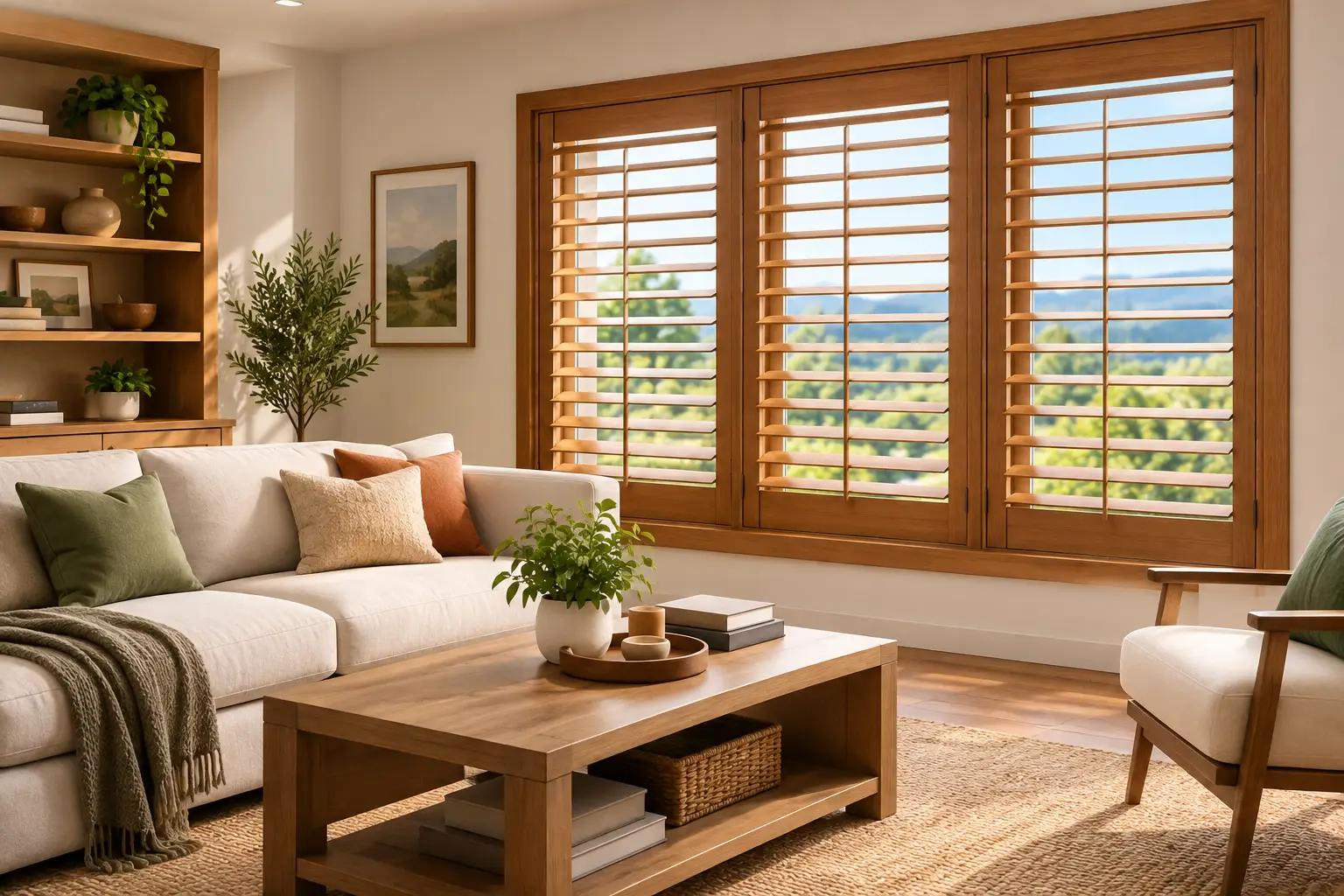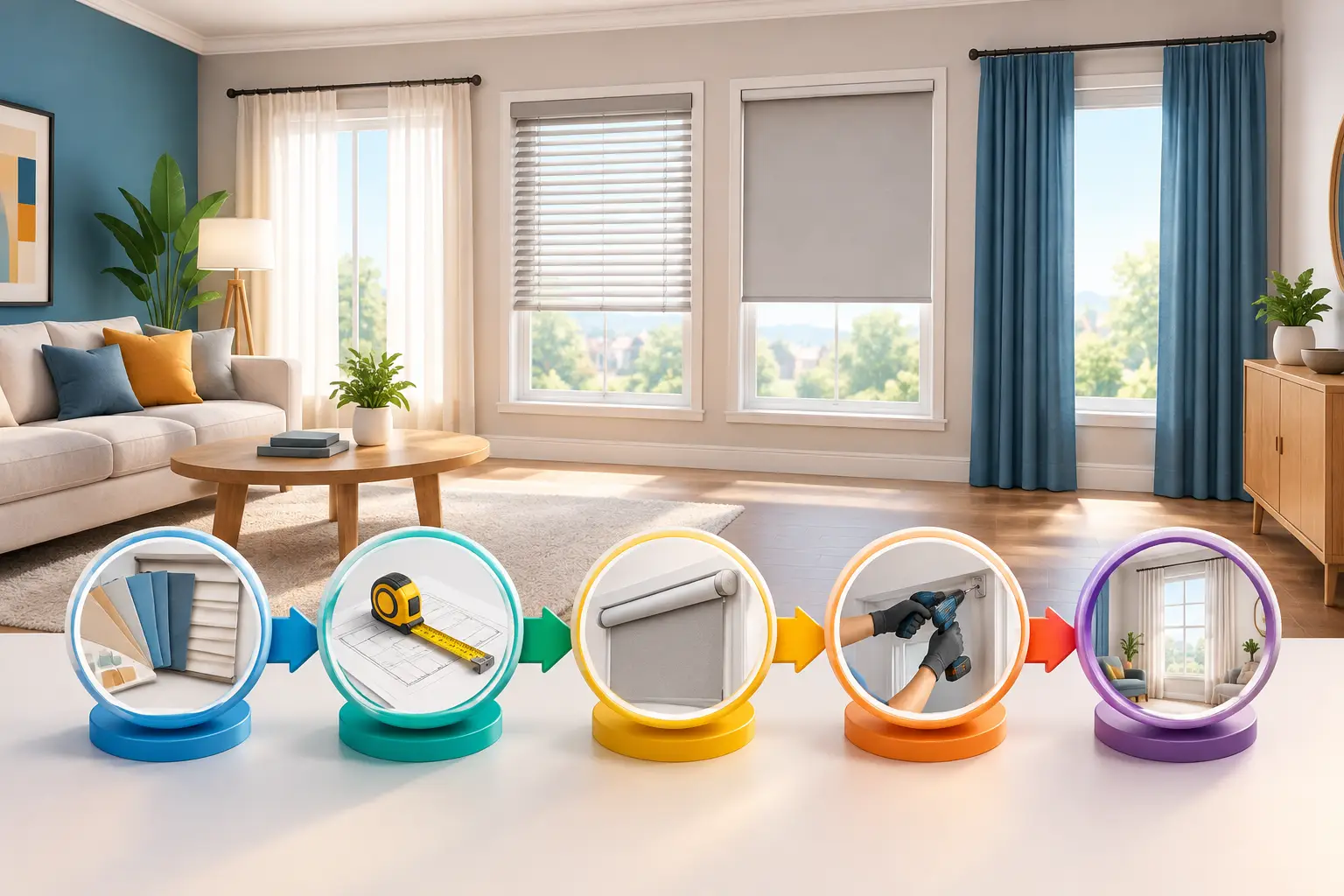
A shade can look perfect in a showroom and still feel wrong once it is on your windows. Maybe the fabric is too sheer for a front-facing bedroom, the fold is too bulky for a shallow frame, or the color that seemed soft in a sample suddenly turns yellow in afternoon sun. That is exactly why homeowners ask how to choose window shades so often – the right option is not just about style. It is about how you live, how your rooms face the sun, and how polished you want the final result to feel.
For most homes, the best choice comes from balancing five things at once: privacy, light control, window depth, design style, and daily convenience. When one of those gets ignored, regret usually follows. A beautiful shade that is hard to operate every day stops feeling beautiful very quickly.
How to choose window shades without guessing
The biggest mistake homeowners make is shopping by product name first. They decide they want Roman shades or roller shades before they have defined what the room actually needs. A better approach is to start with function, then narrow the style.
In a bedroom, you may want room darkening, softness, and better sleep. In a kitchen, you may care more about a clean profile and easy maintenance. In a family room with large windows, managing glare and preserving the view may matter more than full privacy. The right shade in one room can be the wrong answer in the next.
This is where custom guidance matters. Window shades are not one-size-fits-all, especially in homes with oversized windows, specialty shapes, layered interiors, or strong sun exposure. Choosing well means looking at the full picture, not just a swatch book.
Start with what the room needs most
Before you compare fabrics or colors, ask what problem the shade needs to solve. Some rooms need privacy first. Others need insulation, glare reduction, child-safe operation, or a softer design element to balance hard finishes.
If your home gets intense morning or afternoon sun, solar control should move higher on your list. UV exposure can fade floors, furniture, and rugs over time, and it can make a beautiful room uncomfortable for large parts of the day. In those spaces, a shade that filters or blocks sunlight is doing more than decorating the window.
Privacy is another major decision point, and it is more nuanced than many homeowners expect. A light-filtering fabric may look ideal during the day but offer very little privacy at night when interior lights are on. If the room faces a street, a neighbor, or a close backyard, that distinction matters.
Understand the most common shade styles
Roller shades are one of the cleanest and most versatile options. They work well in modern, transitional, and even classic homes when the fabric is chosen carefully. They are especially popular for homeowners who want a low-profile look, easy operation, and a wide range of light-filtering or blackout choices.
Roman shades bring more softness and decorative presence. If your room needs warmth or a tailored, finished look, they often deliver it beautifully. The trade-off is that they stack up more when raised, and certain fabrics can feel heavier in smaller spaces.
Cellular shades are often chosen for energy efficiency and comfort. Their honeycomb construction helps insulate windows, which can be a smart fit for rooms that run too hot in summer or too cool in winter. They can look crisp and understated, though they are usually more function-forward than statement-making.
Natural woven shades add texture and an organic, layered feel. They can make a room feel custom and elevated very quickly. At the same time, they do not always provide the privacy or light blocking some homeowners expect unless they are paired with a liner.
Sheer shades and dual shades can be excellent when you want light management with a softer visual effect. These styles can be ideal in living spaces where controlling glare matters but preserving brightness still feels important.
Match opacity to the way you use the room
One of the most practical parts of learning how to choose window shades is understanding opacity. This decision affects comfort every single day.
Sheer and light-filtering fabrics soften sunlight and reduce harsh glare while keeping a room bright. They are often a good fit for living rooms, dining rooms, and spaces where you want daytime ambiance more than darkness.
Room-darkening shades block much more light and work well in bedrooms, media rooms, and nurseries. Blackout options go further and are often best when sleep quality, screen visibility, or full privacy is the priority.
Still, blackout is not automatically the best choice. In some rooms it can feel too heavy or too closed-in, especially if you love natural light. That is why many homeowners choose a layered solution or use different shade types throughout the home rather than forcing one product into every room.
Think about inside mount versus outside mount
This detail changes the entire finished look. An inside mount sits within the window frame and gives a clean, built-in appearance. It tends to feel more architectural and tailored, which is why many homeowners prefer it.
But not every window is suited for an inside mount. Shallow depth, cranks, trim details, or uneven frames can limit your options. Outside mount shades can actually solve several problems at once. They can make windows look larger, improve light blockage, and hide imperfect framing.
This is one reason online ordering can be frustrating. A shade may seem simple until you realize the window depth is not adequate for the style you want. Precise measurement and product matching make a major difference here.
Choose a color and texture that support the room
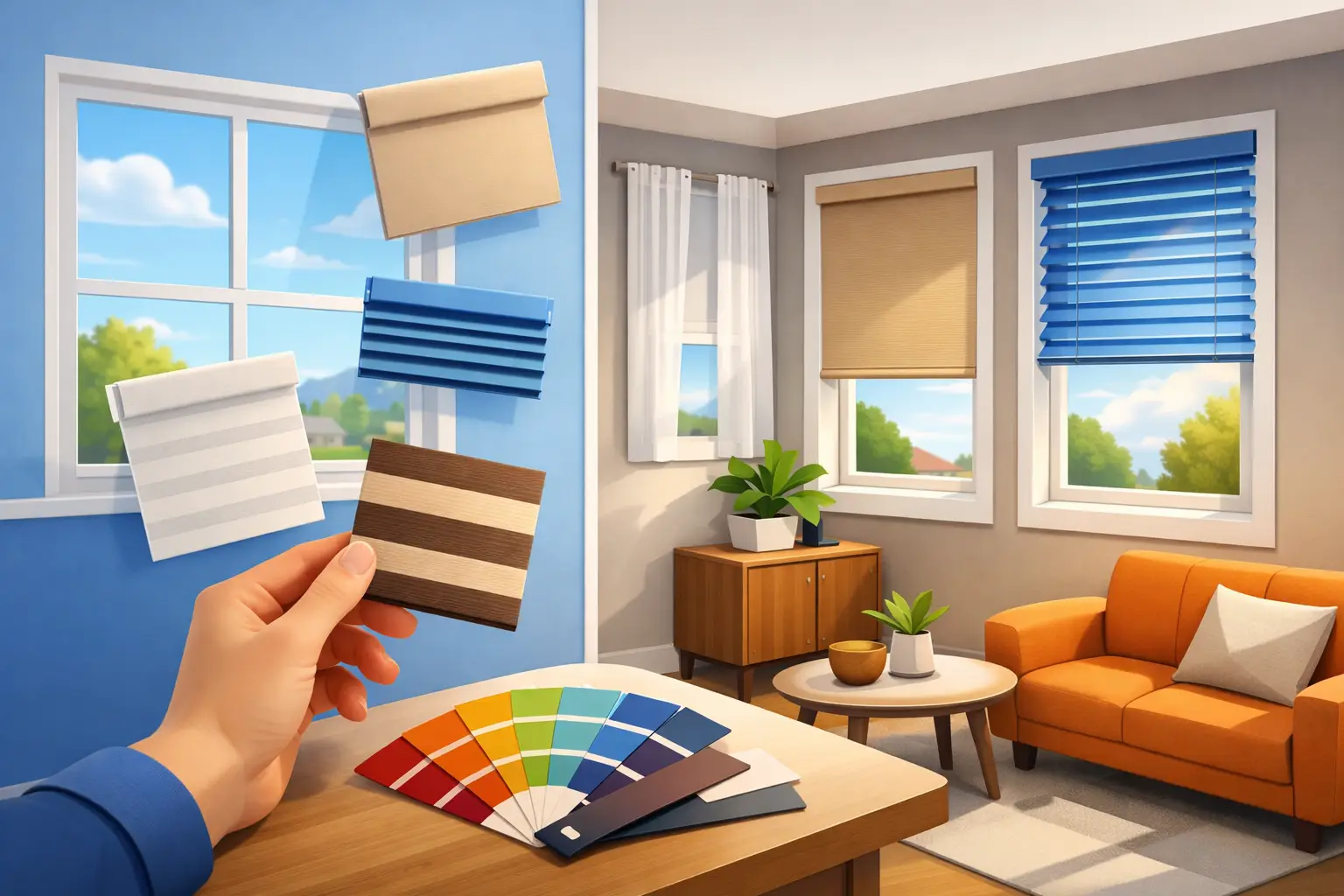
White is not always white, and neutral is not always safe. Undertones shift dramatically depending on wall color, flooring, and natural light. A cool white shade can feel stark in a warm-toned room, while a creamy fabric can look muddy against crisp trim.
Texture also matters more than many buyers expect. Smooth fabrics create a cleaner, more minimal effect. Woven textures, linen looks, and layered materials add warmth and depth. If your furnishings are already busy, a simpler shade may feel more refined. If the room has many hard surfaces like stone, metal, or glass, texture can soften the space beautifully.
The goal is not to make the shade stand out on its own. It is to make the whole room feel intentional.
Do not overlook operation and convenience
A shade that looks beautiful but is annoying to use every day will eventually stay in one position. That defeats the purpose.
For hard-to-reach windows, large banks of glass, and daily-use rooms, motorization is often worth serious consideration. It adds convenience, creates a cleaner look without dangling cords, and makes it easier to control light consistently throughout the day. In many homes, it also feels like the upgrade that brings comfort and luxury together.
Manual operation still makes sense in some rooms, especially when simplicity and budget are top priorities. The key is to be realistic about how often the shades will be adjusted and who will use them.
Budget wisely, not narrowly
Most homeowners have a number in mind before they shop, and that is smart. But it helps to think in terms of value, not just initial cost. The least expensive option is often less satisfying if the fit is off, the material looks flat, or the installation leaves gaps and inconsistencies.
Custom shades typically cost more than off-the-shelf products because you are paying for better sizing, broader material options, stronger design alignment, and a more finished result. In many cases, that investment also reduces waste, reorders, and installation problems.
If budget is a concern, prioritize the most visible or most used rooms first. You can also mix product categories throughout the home. A tailored Roman shade in a front room and a simpler roller shade in secondary spaces can be a very smart balance.
Why professional guidance changes the result
Window shades seem straightforward until dozens of decisions start stacking up. Fabric openness, liner choices, stack height, hardware, mount style, operation, sun exposure, privacy needs, and trim conditions all affect the outcome.
That is why a consultation in your home tends to produce better decisions than scrolling through product photos alone. You can see materials in your actual light, compare options against your walls and furnishings, and avoid expensive assumptions. For homeowners in Northern Virginia who want a polished look without the trial and error, that level of guidance often saves both time and money.
A well-chosen shade should make the room feel calmer, more comfortable, and more complete every time you walk in. If you are weighing options and want the confidence that comes from expert measurements, thoughtful design advice, and professional installation, Covering Windows helps turn that decision into a finished result you can feel good about for years.