A room can have beautiful floors, thoughtful furniture, and the right paint color yet still feel unfinished when the windows are treated as an afterthought. Custom wood shutters change that equation. Their clean architectural lines frame the view, add natural warmth, and create a level of permanence that off-the-shelf blinds rarely achieve.
For homeowners across Northern Virginia, shutters are often chosen for more than their appearance. They offer adjustable privacy, reliable light control, and a tailored finish that works in homes ranging from classic Colonials in McLean to new construction in Ashburn. The right design depends on the window, the room, and how you want the space to feel every day.
Why Wood Shutters Create a Different Look
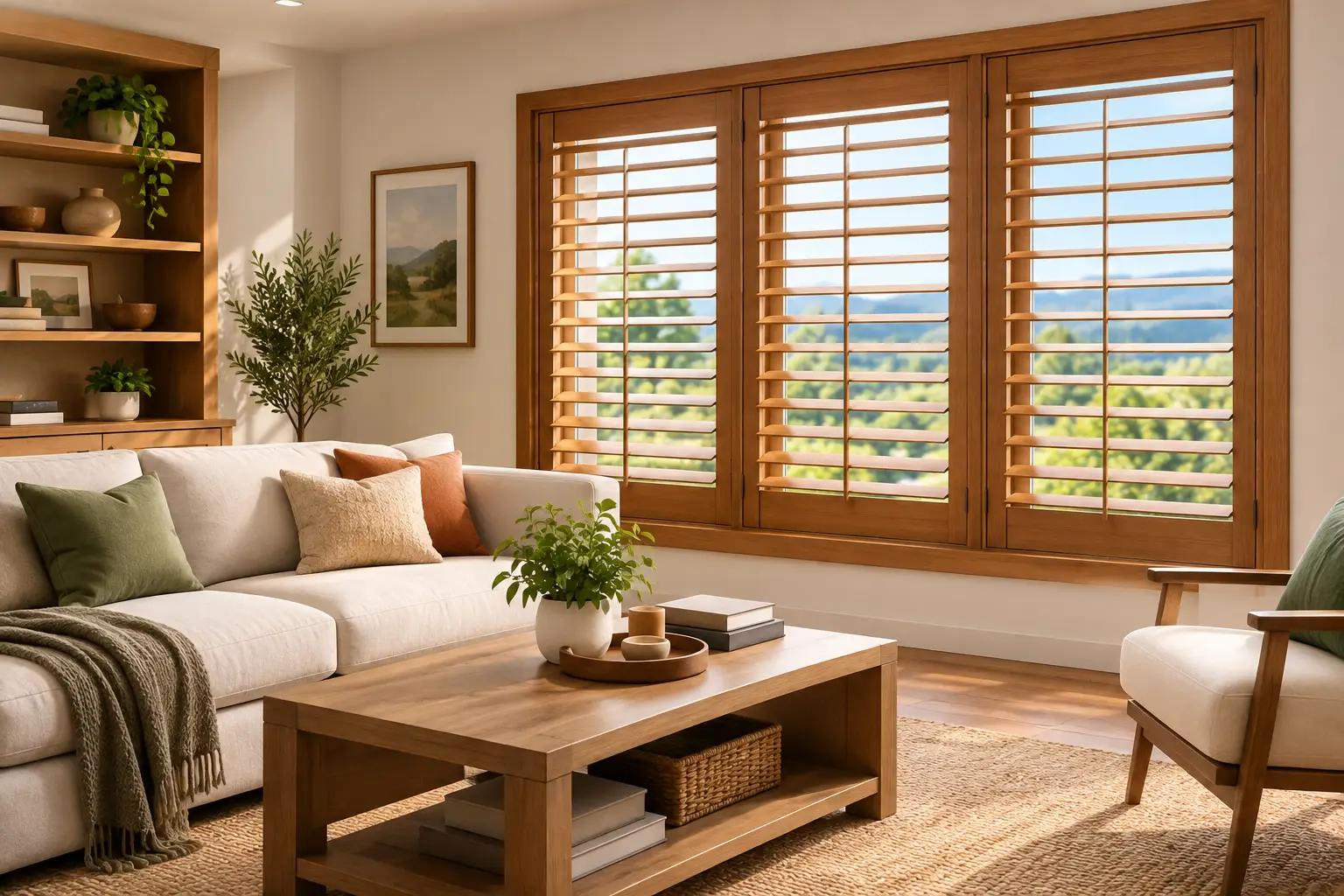
Wood has a visual depth that is difficult to duplicate. The grain, finish, and natural texture bring softness to painted walls and balance the harder surfaces common in kitchens, baths, and open-concept living spaces. Even when painted a crisp white, real wood shutters tend to look more refined because the material allows for clean details and furniture-quality finishing.
They also become part of the room’s architecture. Unlike a shade that recedes when raised or a drapery panel that frames the sides of a window, shutters remain a visible design feature. Well-proportioned panels and louvers can make a standard window appear more intentional, while a properly divided shutter layout can complement the proportions of nearby doors, millwork, and cabinetry.
That permanence is one reason shutters can be a smart investment for move-up homeowners. They are built for the window rather than selected from a standard shelf size, and they stay with the home. Buyers often recognize shutters as a finished, upgraded feature rather than another item they will need to replace after moving in.
The Practical Benefits of Wood Shutters
The design impact is immediate, but daily function is where custom shutters earn their place. Louvers can be tilted to redirect harsh afternoon sun while still letting daylight enter the room. In a bedroom, they provide a stronger sense of privacy than many standard blinds. In a home office, they can reduce glare on a screen without leaving the room dark.
Shutters also give homeowners more control over the view. Open the panels wide when you want an unobstructed window, close them for privacy, or adjust the louvers to filter light. This flexibility is especially useful in Northern Virginia neighborhoods where homes may be close together or where large rear windows face a patio, pool, or active outdoor space.
Energy performance is another consideration, although expectations should be realistic. Wood is a natural insulator, and shutter panels add a layer at the window. They can help moderate the feeling of direct sun and reduce some heat transfer, particularly when closed. They are not a replacement for efficient windows or proper insulation, but they can contribute to a more comfortable room.
Where Wood Shutters Work Best
Wood shutters are especially compelling in living rooms, dining rooms, offices, bedrooms, and entryways where their craftsmanship is on full display. They suit traditional architecture beautifully, but they are not limited to traditional homes. A wide louver in a simple white finish can feel clean and current in a contemporary space, while a stained finish brings richness to a study, library, or home with exposed wood accents.
They are also an excellent answer for challenging window shapes. Bay windows, tall narrow windows, sidelights, arches, and French doors often require more thought than a standard rectangular opening. A custom shutter design can account for handle clearance, panel breaks, opening direction, and the way the window is actually used.
Bathrooms and kitchens require a closer look. Real wood can perform well in many interior settings when it is properly finished and the room is well ventilated. However, a shower-adjacent window, a high-humidity bath, or a sink window that receives frequent splashing may be better served by a quality faux wood or composite shutter. The best choice is not always the most expensive material. It is the material that will look right and hold up well in that specific location.
Custom Wood Shutters Are About More Than Measurements
A shutter can be made to fit a window and still look wrong. That is why the design conversation matters. Louver size affects both the amount of light entering the room and the overall scale. Smaller louvers often feel more traditional and detailed. Larger louvers offer a broader view when open and can give a room a more relaxed, contemporary appearance.
Panel configuration matters just as much. Wide windows may need multiple panels, but where those panels divide should feel balanced with the window’s muntins and surrounding trim. A café-style shutter, which covers the lower portion of the window, can preserve privacy while allowing sunlight through the top. A tier-on-tier design separates the upper and lower panels so each section can be adjusted independently.
Color is another opportunity to make the shutters feel integrated rather than added on. White and soft neutral finishes create a bright, timeless look. A custom color can coordinate with existing trim. Stains can echo flooring, cabinetry, or beams, although matching wood tones requires an experienced eye because species, grain, lighting, and age all influence the final appearance.
At Covering Windows, the consultation is designed to resolve these details in the home, where samples can be viewed against your actual wall color, trim, and light conditions. That is a meaningful advantage over choosing from a small image online or trying to judge a finish under showroom lighting.
Wood Shutters vs. Faux Wood Shutters
Both materials can deliver the classic shutter look, and both can be custom built and professionally installed. The decision often comes down to the room, the design goal, and the budget rather than a simple question of which is better.
Real wood is lighter in weight and offers the most authentic grain and finish potential. It is an excellent choice for larger openings because lighter panels can be easier to operate and place less stress on hinges over time. It also gives homeowners more freedom when a painted custom color or premium stained look is the priority.
Faux wood or composite shutters are often preferred for moisture-prone spaces because they resist humidity more effectively. They can be an excellent practical choice for bathrooms, laundry rooms, and kitchens. Some homeowners assume authentic wood must come at a dramatically higher price, but pricing varies by design, window size, finish, and manufacturer. In many cases, high-quality wood shutters can be surprisingly competitive with faux wood options when sourced and specified well.
Rather than selecting a material based on a label alone, compare the actual samples, construction, warranty, and proposed design for each room. A mixed approach is often sensible: wood shutters in the main living spaces and a moisture-resistant shutter material in a bath or utility area.
Professional Installation Protects the Investment
Shutters require precise measuring because they must operate within the opening while leaving the right clearances for trim, cranks, locks, and handles. A small measuring error can cause panels to rub, louvers to bind, or gaps to look uneven. These details are hard to correct once a custom product has been manufactured.
Professional installation also ensures that panels are level, hinges are aligned, and the shutter operates smoothly from the first day. This is particularly valuable for older homes, where windows may not be perfectly square even if they appear that way at first glance. An experienced installer can plan for those conditions rather than forcing a standard solution into an irregular opening.
Caring for Wood Shutters Over Time
Routine care is simple. Dust the louvers occasionally with a soft cloth, feather duster, or vacuum brush attachment. For light marks, use a barely damp cloth and dry the surface promptly. Avoid soaking the wood, harsh chemicals, and abrasive scrubbers that can damage the finish.
Operate panels gently, especially if a window has settled seasonally or furniture is placed nearby. If a panel begins to catch or a hinge feels loose, address it early rather than forcing it. Quality shutters are made for years of use, and attentive care helps preserve their fit and finish.
The most successful shutter projects start with the way you live in the room: where the sun falls, which views you want to keep, when you need privacy, and what architectural details deserve to be highlighted. When those answers lead the design, wood shutters do more than cover a window. They make the entire room feel considered.