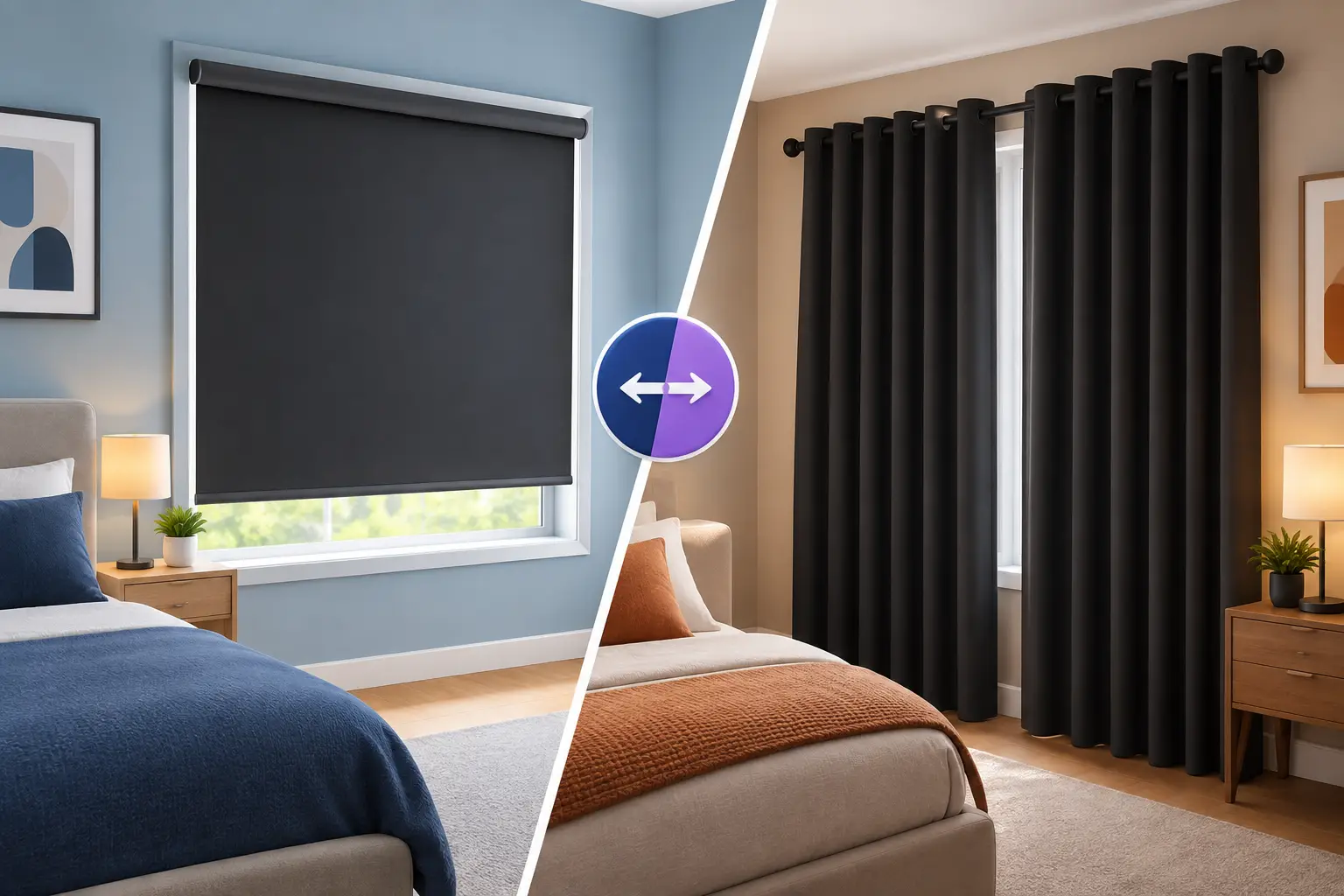
A bedroom can have beautiful furniture, a calming color palette, and premium bedding, then still feel unfinished when daylight spills around the windows at 6 a.m. That is where the decision between blackout shades vs blackout curtains becomes more than a decorating choice. The right treatment can improve sleep, protect privacy, soften a room’s design, and help your home feel more comfortable through every season.
Both options can make a dramatic difference, but they perform differently. Your best choice depends on the room, the window shape, how much darkness you truly need, and whether you want a clean architectural look or a more layered, luxurious finish.
Blackout Shades vs Blackout Curtains: The Main Difference
Blackout shades are a single, fitted window treatment designed to cover the glass closely. They are available in styles such as roller shades, cellular shades, Roman shades, and woven shades with blackout liners. Because they sit inside or just outside the window frame, they create a tailored appearance with minimal visual bulk.
Blackout curtains are fabric panels that hang from a rod or decorative track. They may be made with blackout lining, room-darkening fabric, or a combination of both. Curtains bring softness, texture, and visual height to a room, especially when mounted high and wide around the window.
The distinction matters because “blackout” does not always mean complete darkness. A shade or curtain can use opaque material and still allow some light to enter through the sides, top, or bottom. For the darkest result, the product, mounting method, and installation details all need to work together.
Light Control: Which Option Creates a Darker Room?
For most bedrooms, nurseries, media rooms, and guest rooms, blackout shades provide excellent daytime and nighttime light control. A properly sized blackout roller shade or cellular shade blocks light directly at the glass and keeps the window area visually clean. Outside-mounted shades, which extend beyond the window opening, generally reduce light gaps better than inside-mounted options.
Still, curtains often have an advantage when your goal is near-total darkness. Fullness in the fabric, wide side returns, overlap at the center, and a wraparound rod can help contain light around the edges. A lined drapery panel can also cover a shade’s side gaps, creating a more complete blackout effect.
For homeowners who are sensitive to light, the strongest approach is frequently a layered one: blackout shades for direct coverage and custom draperies for edge control, insulation, and design impact. This is especially effective in primary bedrooms with wide windows, French doors, or bright eastern exposures common in many Northern Virginia homes.
The details that affect blackout performance
The fabric label alone does not determine how dark the room will be. A black-lined Roman shade mounted inside a deep window frame may perform well, while the same shade in a shallow frame could allow visible light around the edges. Likewise, curtains that are too narrow or mounted directly above the window may look attractive but leave significant openings.
Professional measuring is valuable here. The difference between a room-darkening result and a true blackout result is often a matter of fractions of an inch, mounting depth, hardware placement, and fabric fullness.
Style and Design Impact
Blackout shades suit homeowners who prefer an uncluttered, polished look. Roller shades are particularly well suited to contemporary interiors, kitchens, home offices, and rooms with beautiful trim you do not want to hide. Cellular shades add a softer texture while offering insulation benefits, and Roman shades can introduce tailored fabric detail without the fullness of drapery panels.
Curtains make a stronger decorative statement. They can add warmth to rooms with hard surfaces, bring color or pattern into a neutral space, and make standard windows feel taller and more substantial. In a formal living room, dining room, or primary suite, full-length blackout draperies often create the sense of luxury homeowners are looking for.
There is no rule that says a functional window covering must disappear into the background. A blackout lining allows you to choose the face fabric for its beauty rather than its ability to block light. That opens the door to linen-look textures, refined solids, subtle patterns, and richly layered designs.
Privacy and Everyday Convenience
Both blackout shades and blackout curtains offer excellent privacy when closed. Shades are often easier for everyday use because they operate as one continuous treatment. Motorization makes them even more convenient, allowing you to raise, lower, or schedule shades with a remote, wall control, or smart-home system.
Curtains are simple to operate, but larger or heavier panels may be less practical for windows that need frequent adjustment. They are often best for rooms where privacy and darkness are needed primarily at night, rather than windows you open and close throughout the day.
For a home office, a shade may be the more efficient choice. It can reduce screen glare while keeping the space tidy and professional. In a bedroom, curtains may be worth the extra presence because they bring softness and help create a more restful environment.
Insulation, Energy Efficiency, and Noise
Window treatments cannot replace efficient windows, but they can improve comfort near the glass. Cellular blackout shades are especially useful because their honeycomb construction creates air pockets that help reduce heat transfer. This can be a meaningful benefit in rooms that feel too warm in the afternoon or chilly near the windows during winter.
Blackout curtains also provide insulating value, particularly when they are lined, full-length, and mounted close to the wall. Their fabric layer helps reduce drafts and can soften outside noise. A heavy drapery treatment may be a strong option for a street-facing bedroom, a media room, or a space where acoustics feel harsh.
If energy efficiency is your main priority, consider the specific shade construction instead of choosing based on darkness alone. A blackout roller shade may block light beautifully, while a blackout cellular shade may offer greater insulation. The best solution depends on what the room needs most.
Cost, Custom Fit, and Long-Term Value
Ready-made blackout curtains can appear less expensive upfront, but they often involve compromises in length, width, fullness, and color. Panels that are too short or too narrow can make an otherwise well-designed room feel incomplete. They may also fail to provide the privacy and light control you expected.
Custom blackout shades tend to have a more predictable, tailored fit. Pricing varies by window size, fabric, operating system, and whether motorization is included. Custom draperies can carry a higher investment because they involve fabric yardage, lining, fabrication, hardware, and installation. In return, they offer a level of craftsmanship and visual impact that off-the-shelf panels rarely match.
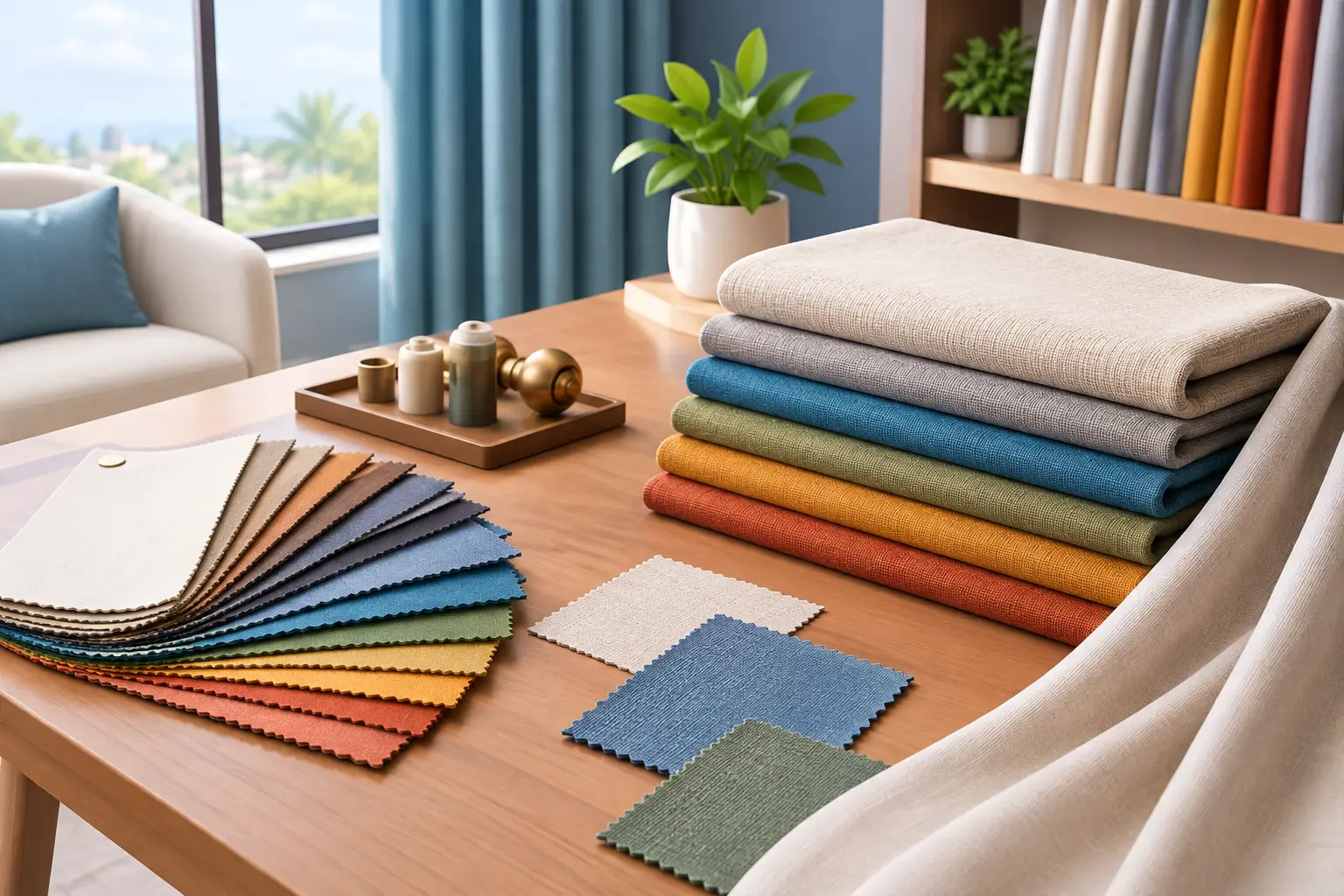
The most cost-effective choice is not always the least expensive product. It is the treatment that fits the window correctly, performs as promised, and continues to complement your home as your furnishings evolve. A consultation allows you to compare samples in your actual light, see how colors relate to your walls and flooring, and understand where it makes sense to invest.
When Blackout Shades Are the Better Choice
Choose blackout shades when you want a streamlined look, simple daily operation, and close-fitting coverage at the glass. They are a smart fit for contemporary bedrooms, offices, bathrooms, children’s rooms, and windows with limited space around them. They also work well when you want motorized control without adding layers of fabric.
A blackout cellular shade is particularly compelling for a bedroom that gets hot or cold near the windows. A blackout roller shade is ideal when clean lines and easy maintenance are the priority.
When Blackout Curtains Are the Better Choice
Choose blackout curtains when the room needs softness, dimension, and a more decorative finish. They are excellent for primary bedrooms, formal spaces, tall windows, and wide expanses of glass. They can also help disguise uneven window sizes or make a modest window feel more generous.
Curtains are often the better choice when you want to build a room around fabric, texture, and color. With the right lining and professional installation, they can provide impressive darkness while making the entire space feel more intentional.
A Layered Treatment May Be the Right Answer
Some windows should not be forced into an either-or decision. Combining blackout shades with custom draperies delivers flexible light control during the day and a richer, more complete look at night. It also lets each product do what it does best: shades handle precision and convenience, while draperies add softness and edge coverage.
At Covering Windows, this is the kind of decision that becomes easier when you can see fabrics, shade materials, and hardware in your own home. The right treatment should look beautiful in your space, fit your routines, and perform well long after installation day.
Before choosing, stand in the room at the time of day when light bothers you most. Notice where it enters, how often you need privacy, and whether the room needs a quiet backdrop or a finishing layer of color and texture. Those answers will lead you to a blackout solution that feels designed for your home, not simply added to it.