That bright west-facing room feels beautiful at 10 a.m. By 4 p.m., it can feel like a greenhouse. In winter, the same windows that frame the view can also make a room feel noticeably colder. That is where energy efficient window coverings earn their place. The right shades, shutters, draperies, or exterior solutions do more than finish a room – they help regulate temperature, improve comfort, and make your home feel better every day.
For many homeowners, the challenge is not deciding whether energy savings matter. It is figuring out which product actually works, which one suits the style of the home, and whether the result will look custom rather than improvised. That is where a thoughtful, room-by-room approach makes all the difference.
What makes window coverings energy efficient?
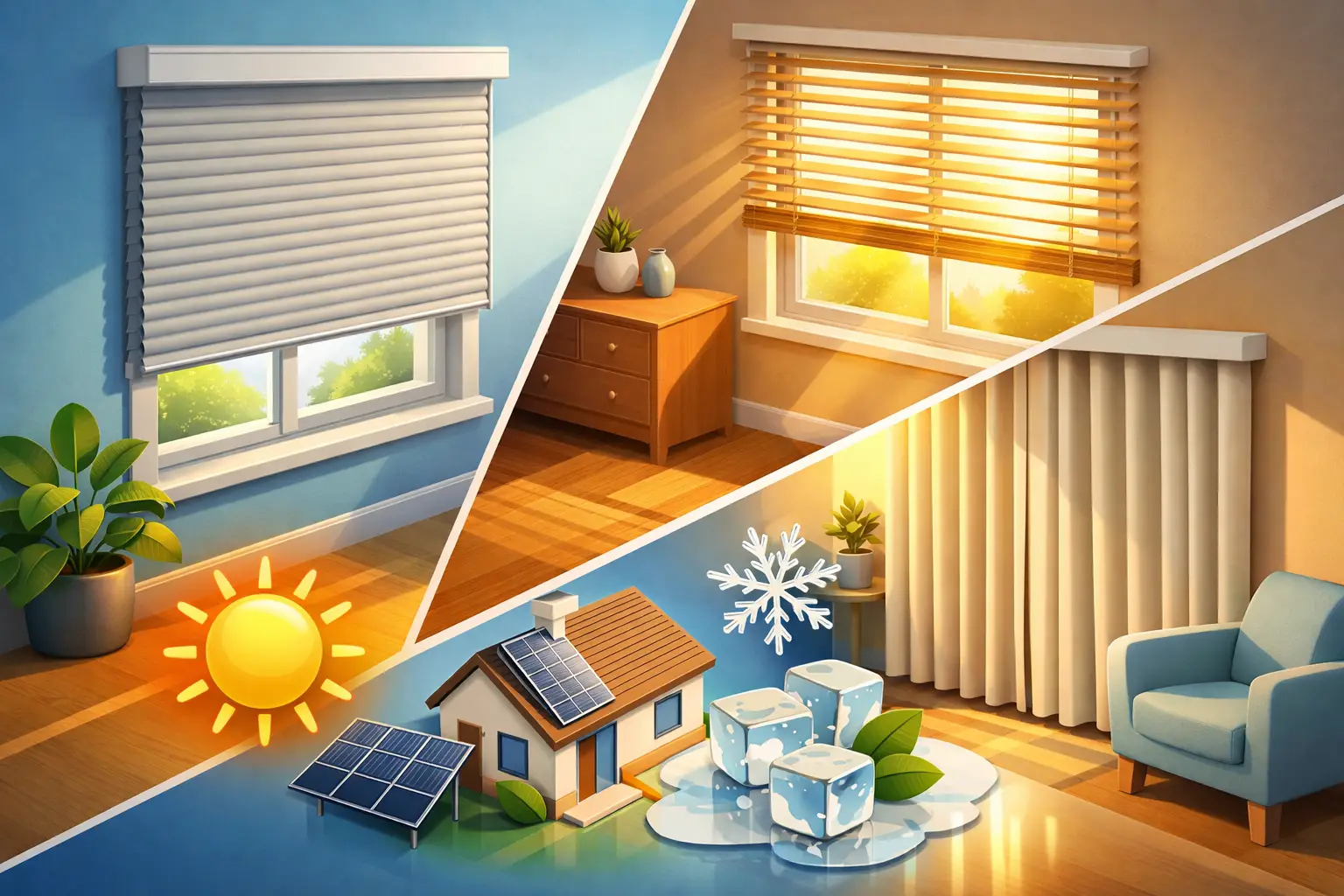
Windows are one of the biggest sources of heat gain and heat loss in a home. In summer, sunlight pours in and raises indoor temperatures. In winter, interior heat escapes through the glass. Energy efficient window coverings help slow that transfer.
Some products do this by trapping air between the window and the room. Others block solar radiation before it enters the house. Some create a tighter seal around the window opening. The best option depends on the direction the window faces, the size of the opening, the amount of sun it receives, and what you need from the space beyond efficiency alone.
Privacy, light control, child safety, convenience, and design all matter too. A product that performs well on paper but does not suit the way you live usually ends up half-open, rarely used, or replaced too soon.
The best energy efficient window coverings for different needs
There is no single winner for every room. The strongest results usually come from matching the product to the problem.
Cellular shades for insulation
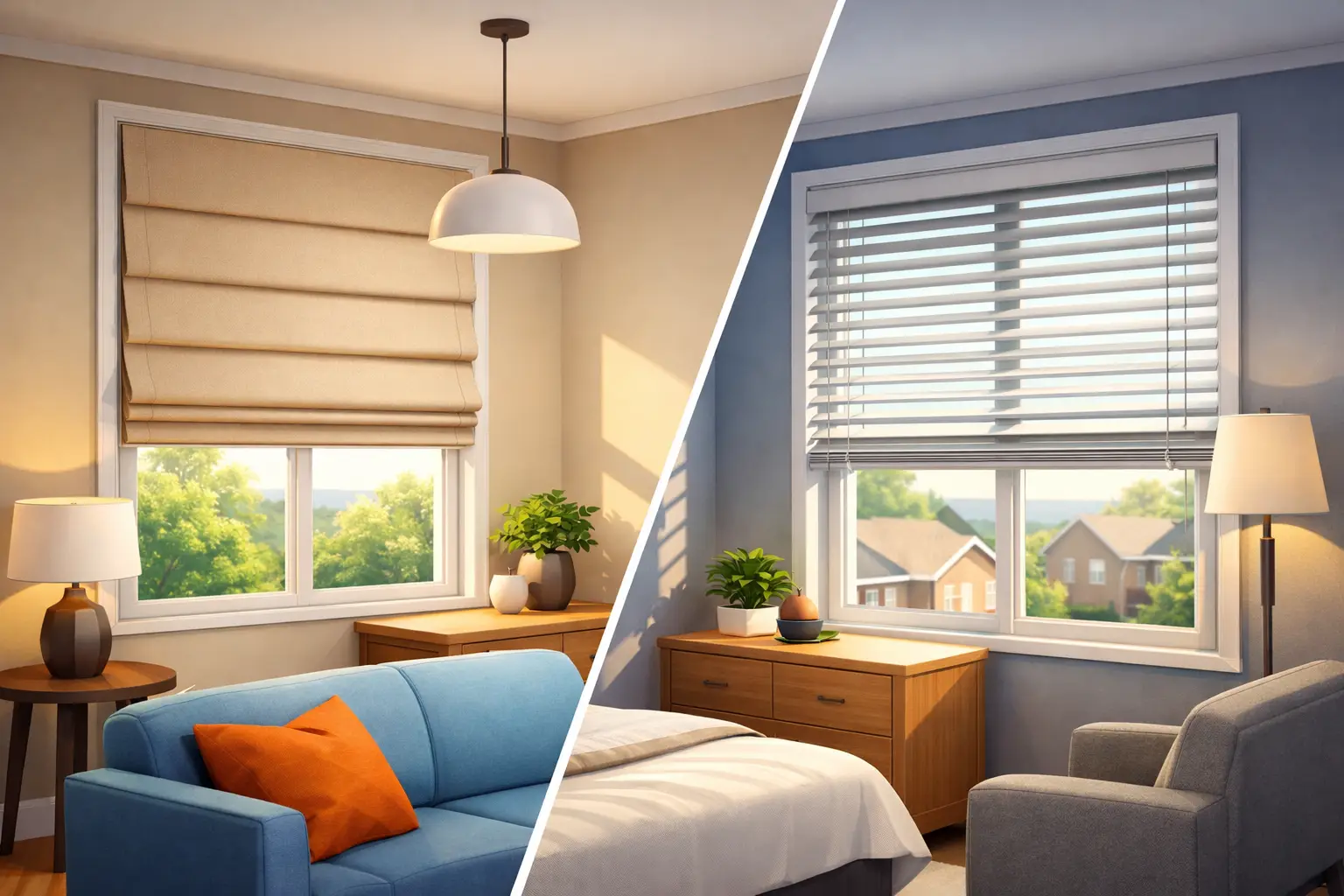
Cellular shades are often one of the first recommendations for homeowners who want better insulation. Their honeycomb-shaped pockets trap air and create a buffer between the glass and the room. That extra layer helps keep warm air out in summer and indoor heat in during winter.
They are especially useful in bedrooms, upstairs living spaces, and rooms with temperature swings. They also deliver a clean, tailored look that works well in both traditional and modern homes. If you want a window treatment that feels quiet and understated while doing serious work behind the scenes, cellular shades are a strong choice.
The trade-off is aesthetic preference. Some homeowners love their simplicity. Others want more architectural presence or a softer decorative finish.
Plantation shutters for long-term performance
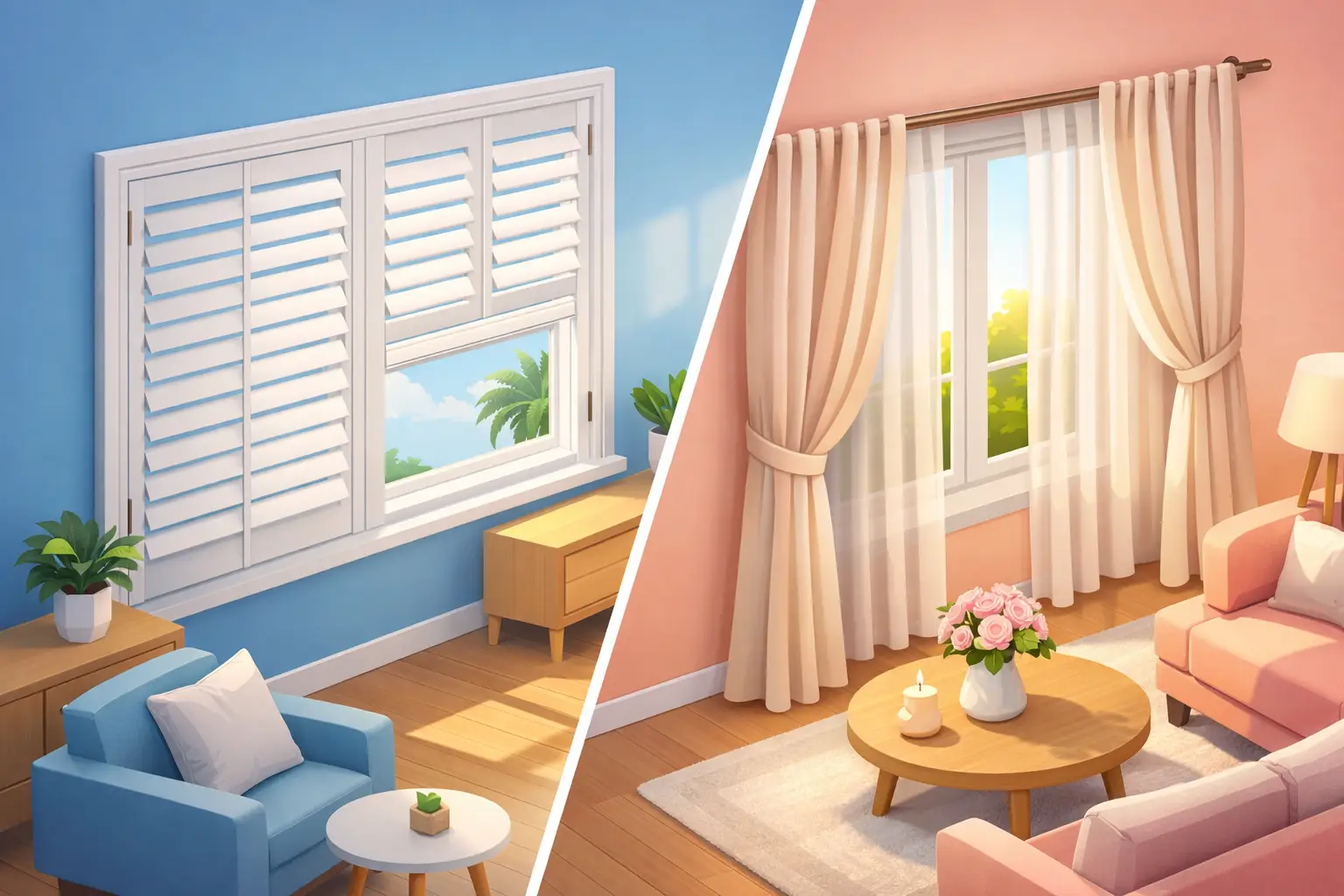
Well-made shutters can be excellent for energy control, especially when custom fit to the window. Their solid construction creates a durable barrier, and adjustable louvers let you manage light and privacy throughout the day without fully opening the treatment.
Shutters are often a smart fit for front-facing rooms, street-level windows, and homes where long-term value matters as much as immediate savings. They look finished, permanent, and upscale. In many homes, they also complement the architecture better than off-the-shelf blinds ever could.
The quality of fit matters here. Gaps, poor measuring, or a basic install can reduce both appearance and performance. Custom shutters tend to justify their cost because they are built for the opening rather than adapted to it.
Draperies as a practical layer
Draperies are often underestimated in conversations about efficiency. Lined drapery panels can make a noticeable difference, especially on larger windows and glass doors. When installed correctly, with enough fullness and coverage, they help reduce drafts and soften solar heat gain.
They also bring something shades and shutters do not always provide on their own: richness. If a room feels hard, bright, or acoustically sharp, draperies can improve comfort in more ways than one.
For the best performance, draperies should not be treated as a decorative afterthought. Fabric weight, lining, mounting height, and panel width all affect how well they function.
Solar and exterior shades for intense sun
In rooms with heavy glare or strong afternoon exposure, blocking heat before it comes through the glass can be the best strategy. Exterior shades and solar screen solutions can reduce heat gain significantly because they intercept sunlight earlier.
This approach is especially valuable for patios, sunrooms, large family rooms, and commercial spaces with broad glass expanses. It can also protect flooring and furnishings from fading while making interior spaces easier to cool.
The main consideration is visibility and design preference. Some exterior solutions are more utilitarian than decorative, so the right product should balance performance with curb appeal.
Why custom energy efficient window coverings outperform off-the-shelf options
A beautiful product that does not fit correctly leaves performance on the table. Gaps at the sides, insufficient coverage, and poor mounting decisions all reduce efficiency. This is one reason homeowners often feel disappointed after trying retail options that looked promising in the box.
Custom energy efficient window coverings are built to the actual window, not an approximate size. That matters for insulation, but it also matters for the finished look. Wider windows, specialty shapes, French doors, and oversized openings usually need a more precise solution than ready-made products can offer.
There is also the issue of coordination. A home rarely has one identical window repeated everywhere. You may need room-darkening in the bedrooms, filtered light in the kitchen, UV protection in the family room, and a more architectural look in the dining room. Custom design allows those needs to be solved together so the home feels cohesive rather than pieced together.
Choosing the right option by room
A practical selection process starts with how the room behaves.
Bedrooms usually benefit from insulation and light control, which makes blackout cellular shades or layered treatments a strong fit. Living rooms often need a balance of efficiency, privacy, and style, so shutters, solar shades, or drapery combinations work well. Kitchens and bathrooms call for materials that handle moisture and daily use while still helping with heat and glare. Large glass doors and two-story windows often need motorization simply because the best-performing treatment is only useful if you will actually adjust it.
Orientation matters too. South- and west-facing windows usually need the most attention because they take on stronger sun and more afternoon heat. North-facing windows may feel cooler and draftier in winter, where insulation becomes the bigger priority.
Motorization helps efficiency in real life
One detail homeowners often overlook is consistency. Even the best product cannot improve comfort if it stays open at the hottest part of the day because no one wants to walk room to room adjusting shades.
Motorized window treatments solve that problem elegantly. You can schedule shades to lower during peak sun hours, raise in the morning, and adjust with a remote or app when the light changes. In a busy household, that convenience often turns a good energy-saving idea into a routine that actually happens.
Motorization also helps with tall windows, stairwells, and wide banks of glass that are difficult to reach. For many homes, it is less about luxury for its own sake and more about making the product perform the way it was intended.
Style and savings should not be competing goals
Some homeowners assume the most efficient product will look overly functional. Others choose based on appearance first and hope the product helps with comfort as a bonus. The better outcome is to choose a treatment that does both.
That is entirely possible when product selection is guided by the room, the architecture, and the way the home is used. The right shutters can elevate a formal space while improving insulation. Tailored draperies can add softness and reduce heat gain. Modern shades can preserve clean lines without making a room feel bare.
This is where expert guidance pays off. Samples in your home, side by side with your floors, paint, and furnishings, tell a much clearer story than a small online swatch ever can. A local specialist like Covering Windows can also spot issues that are easy to miss, from shallow mounting depth to uneven trim to windows that need a layered solution rather than a single product.
Energy efficiency is not only about lowering utility bills, although that certainly helps. It is also about comfort when you sit near the window, better sleep in a sun-filled bedroom, less strain on your HVAC system, and rooms that feel polished instead of compromised. When window coverings are chosen with both performance and design in mind, the result is a home that looks better and lives better.