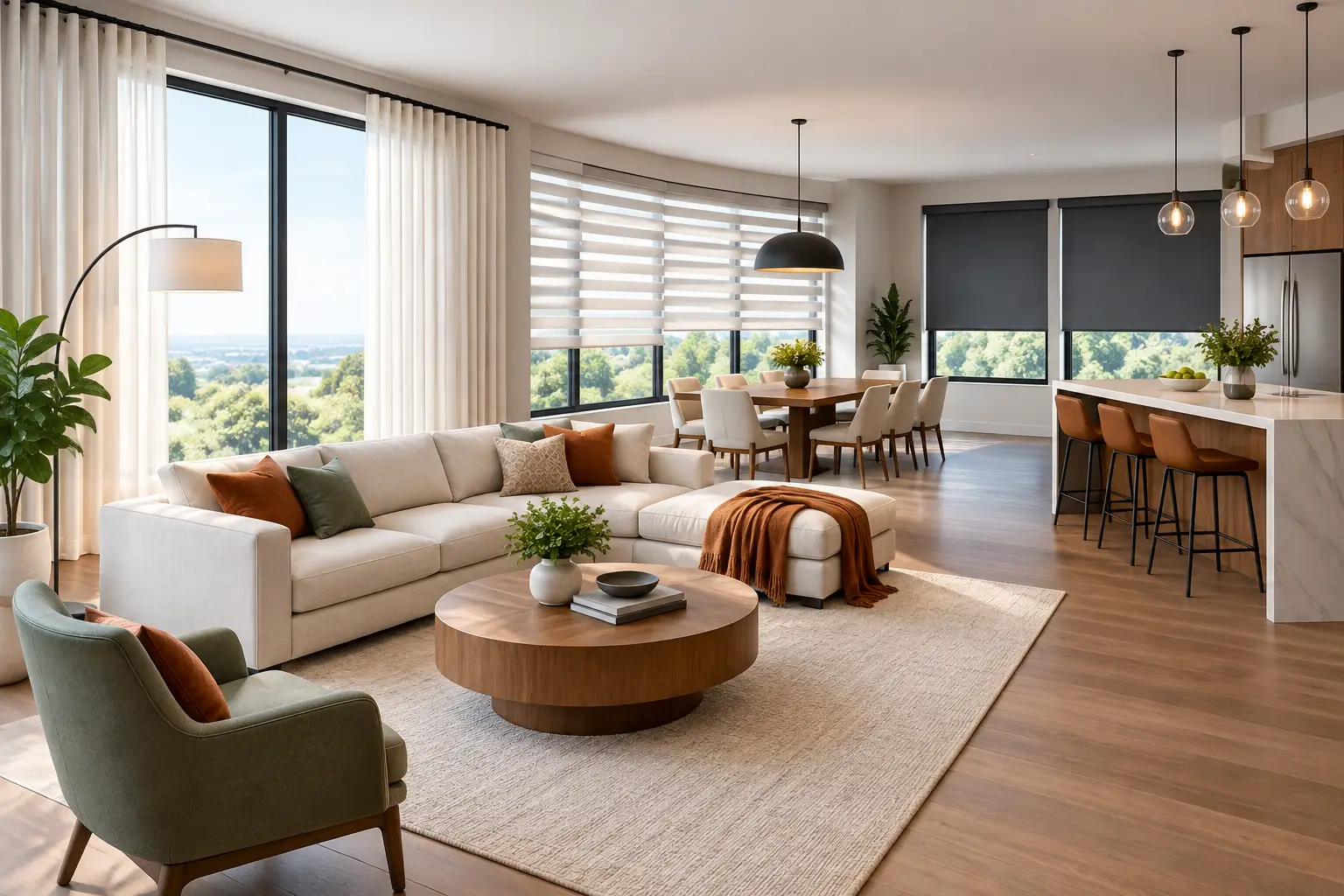

A room can feel completely finished when the window treatments are right. It can also feel oddly unfinished when a beautiful paint color, furnishings, and flooring are paired with blinds that are too narrow, drapery hung too low, or a fabric that fights the light. Designer window treatments on a budget are not about settling for less. They are about putting your investment where it will make the biggest visual and practical difference.
For homeowners across Northern Virginia, the challenge is rarely finding something to cover a window. The challenge is choosing a solution that looks tailored, handles privacy and sun control, fits the architecture, and does not create another project to replace in a few years. A thoughtful plan can deliver that polished, custom look without paying for upgrades that will not improve your daily life.
Start With the Function, Then Build the Look
The most expensive mistake in window coverings is choosing based on appearance alone. Before selecting a color, material, or operating system, decide what each room needs the treatment to do.
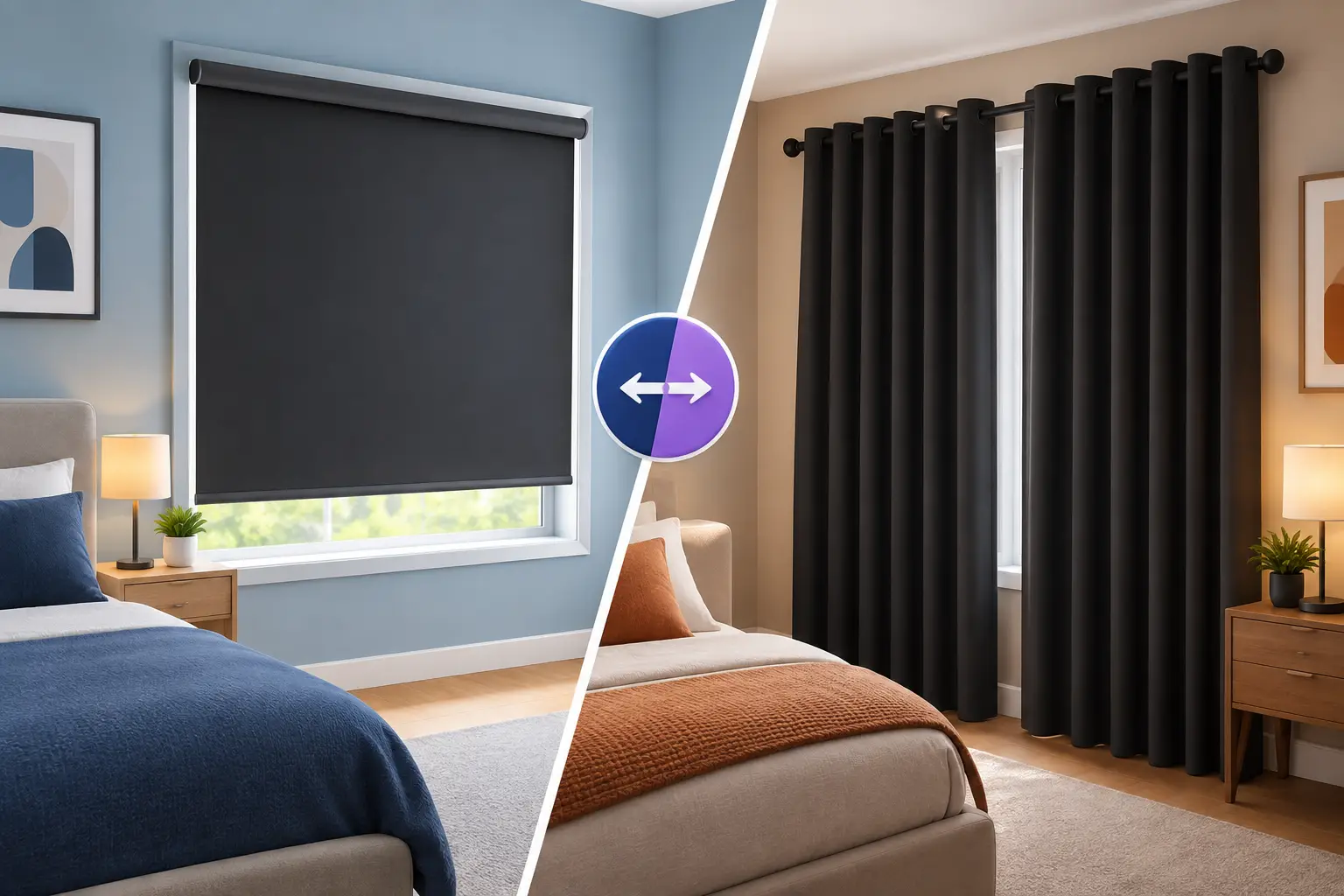
A bedroom may call for room-darkening shades and a secondary layer of drapery for softness. A street-facing living room may need daytime privacy without blocking natural light. In a sunny family room, solar shades can reduce glare and protect furnishings while preserving a view. For a bathroom, moisture resistance and privacy typically matter more than dramatic fabric panels.
This step helps prevent overbuying. A premium blackout liner is valuable where sleep is affected, but it may not be necessary in every guest room. Motorization can be a smart investment on a high, difficult-to-reach window, while a simple cordless lift may be the better value on an easily accessible window. Good design is not about choosing the most features. It is about choosing the right features for the room.
Where Designer Window Treatments on a Budget Deliver Value
Custom does not automatically mean extravagant. In many cases, a made-to-measure treatment is the more economical decision over time because it avoids the gaps, awkward proportions, and installation problems that lead homeowners to buy twice.
Get the proportions right
Window treatments should relate to the wall, not just the glass. Drapery installed higher and wider than the window can make ceilings feel taller and rooms feel more generous. It is one of the strongest designer techniques available, yet it does not always require the most expensive fabric.
The same principle applies to shades and blinds. An inside-mounted shade needs precise measurements to sit cleanly within the frame. An outside mount can make a smaller window appear larger and improve light control, but it must be sized carefully to avoid visible light gaps. Correct scale creates a luxury look before material upgrades ever enter the conversation.
Choose a focused material strategy
A whole-home project does not need one premium product in every room. Use your budget to create impact in the spaces people see and use most, then choose coordinating, practical options elsewhere.
For example, a living room might deserve full drapery panels over woven shades or tailored roller shades. Bedrooms may benefit from clean, durable cellular shades with blackout capability. A laundry room or secondary bath can often use a straightforward faux wood blind or moisture-friendly shade in a finish that connects with the rest of the home.
This approach creates continuity without forcing every opening into the same price category. It also respects how households actually live. The best window treatment for a formal dining room may not be the best choice for a child’s playroom or a busy kitchen.
Use layers selectively
Layering a shade with drapery adds depth, softness, and insulation. It can also add cost, so it works best in rooms where the visual return is high. Consider layered treatments in a primary bedroom, front living room, dining room, or great room with prominent windows.
In more functional spaces, one well-chosen treatment can look refined on its own. A woven wood shade, Roman shade, wood blind, or carefully selected roller shade can provide a finished look without the added expense of decorative panels. The key is not to force layers everywhere. A home feels more intentional when each room has a clear reason for its treatment.
Spend More Where Performance Matters
Window treatments are a design element, but they also affect comfort every day. Spending wisely means identifying the problems worth solving permanently.
Privacy and sleep
If your bedroom faces a neighbor’s window, a busy street, or a strong morning sun exposure, privacy and light control should be priorities. Room-darkening or blackout shade options can make a noticeable difference in sleep quality. In this case, a less expensive decorative fabric paired with a high-performing shade may be a better allocation than putting the entire budget into elaborate drapery.
Heat, glare, and energy use
Large sunny windows can make a room uncomfortable and cause floors, artwork, and upholstery to fade. Cellular shades, solar shades, and certain lined drapery treatments can help manage heat and glare. The right choice depends on whether preserving the view or maximizing insulation matters most.
Solar shades are excellent when a view is part of the room’s appeal, but they do not provide full nighttime privacy on their own. Cellular shades can provide stronger insulation, though their appearance is more streamlined than decorative. Understanding that trade-off keeps the decision grounded in how the room is used.
Hard-to-reach windows
Motorized shades are often associated with luxury, and they can certainly add convenience. But they are also practical on tall foyer windows, behind furniture, or in rooms with several shades that need to move together. Rather than automating every treatment, prioritize motorization where manual operation is inconvenient or where consistent adjustment will improve comfort.
Avoid the Budget Traps That Cost More Later
Online ordering and big-box options can look inexpensive at first glance. The final cost can change quickly when measurements are off, a color looks different in the room, hardware is missing, or installation proves more complicated than expected.
Fabric samples and finish samples matter because light changes color throughout the day. A warm white that looks clean in a showroom may read yellow beside a cool wall color. A gray woven shade may look much darker against bright trim than it did on a screen. Seeing materials in the home helps avoid a costly mismatch.
Installation is another area where value is easy to underestimate. Uneven mounting, incorrect bracket placement, or drapery hardware that cannot support the panel weight can undermine even a beautiful product. Professional installation protects the appearance and operation of the treatment, especially for shutters, heavy drapery, motorized systems, and wide window spans.
A Practical Budget Plan for a Whole Home
If you are furnishing or renovating multiple rooms, resist the pressure to complete every window at once. Start with the rooms that affect daily comfort and the spaces visible from the entry or main living areas. Then create a coordinated plan for the remaining windows so future additions feel connected rather than improvised.
Keep the color story simple. Neutral base shades in white, soft gray, natural woven tones, or warm taupe work well across many rooms. Add personality through drapery in one or two focal spaces rather than introducing a different pattern or color at every window. This approach is easier on the budget and tends to age better as furnishings evolve.
It is also wise to ask where a manufacturer’s standard offering can meet your needs. A standard fabric or finish may provide nearly the same visual effect as a premium upgrade, while a specialty color, unusual lift system, or complex fabrication may be worth the additional cost only in a key room. A skilled consultant can show the differences clearly, rather than asking you to make those decisions from a tiny online swatch.
The Advantage of a Guided, Custom Approach
A free in-home consultation gives you the chance to compare materials against your walls, flooring, trim, and natural light. It also allows measurements, mounting options, privacy concerns, and budget priorities to be addressed before an order is placed. That guidance is especially valuable in homes with bay windows, oversized openings, French doors, angled windows, or mixed window styles.
Covering Windows helps homeowners balance beauty, performance, and price by presenting options that fit the room rather than pushing a one-size-fits-all product. With design guidance, direct manufacturer access, and professional installation, the process becomes less about guessing and more about making confident choices.
The best budget is not the smallest number on an initial receipt. It is the amount that gives your home treatments you will enjoy seeing, using, and living with long after the renovation dust has settled.