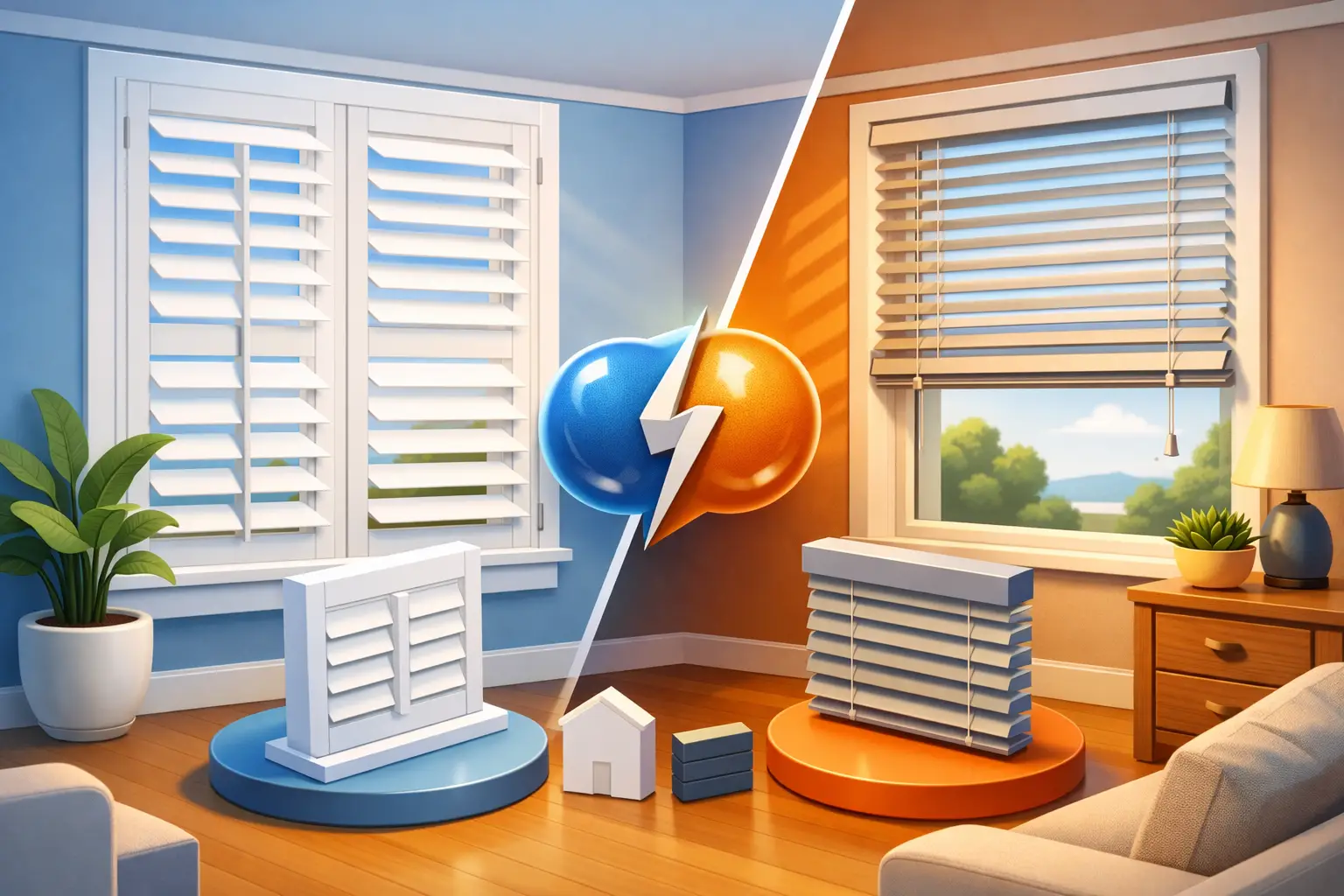
You usually know this decision matters the moment you stand in a room with bare windows and realize the wrong choice will be visible every single day. When homeowners compare plantation shutters vs blinds, they are rarely choosing between two equal-looking options. They are deciding how formal or relaxed a room should feel, how much maintenance they want, how long they expect the treatment to last, and whether this is a quick update or a long-term investment.
For many homes in Northern Virginia, that difference is especially noticeable. Large front-facing windows, open-concept living spaces, and rooms that get strong afternoon sun all put more pressure on the choice. The right window treatment should look beautiful, perform well, and feel worth the money after installation day is long gone.
Plantation shutters vs blinds: the real difference
At a glance, both products control light and privacy. That is where the similarity starts to thin out.
Plantation shutters are structured, custom-fit interior shutters with wider louvers and a more architectural presence. They become part of the room. They frame the window, create clean lines, and often make the space feel more finished and more custom overall.
Blinds are more flexible in style and budget. They can be wood, faux wood, aluminum, or other materials, and they sit more lightly in the visual design of a room. In some spaces, that is exactly the point. Blinds can give you practical control without asking to be the centerpiece.
If your priority is a polished, built-in look, shutters usually pull ahead. If your priority is affordability and function across multiple windows, blinds often make more sense.
Style and first impressions
This is where shutters tend to have a clear advantage. Plantation shutters bring a level of permanence and craftsmanship that blinds usually do not. They read as intentional. In living rooms, dining rooms, home offices, and primary suites, they can elevate the whole space because they look less like an add-on and more like part of the home itself.
That matters if you are renovating, decorating around a higher-end finish palette, or simply tired of window treatments that look temporary. Shutters work especially well in homes with traditional, transitional, coastal, and modern farmhouse interiors, but they can also look sharp in cleaner contemporary spaces when the design is kept simple.
Blinds can still look excellent, especially custom wood or faux wood blinds in the right color and slat size. They are often the better visual fit when you want a lighter treatment, when the room already has strong design features, or when you need a cohesive look across many windows without pushing the budget too far.
So the style question is less about which is prettier in the abstract and more about the effect you want. Shutters make a statement. Blinds stay more in the background.
Cost and long-term value
For most homeowners, this is the turning point.
Blinds usually cost less upfront than plantation shutters. If you are outfitting an entire home, especially with many windows or secondary spaces like guest rooms, laundry rooms, and finished basements, blinds can be the smarter financial move. They give you strong everyday function without the higher initial investment.
Plantation shutters cost more because they are custom-built, more substantial in material, and more labor-intensive to install. But that higher price is not just about appearance. You are paying for longevity, fit, and the way they contribute to the home over time.
This is where value gets more nuanced. If you know you may replace lower-cost blinds in several years due to wear, warping, discoloration, or changing design preferences, the lower entry price may not feel like a bargain forever. Shutters often last longer and stay relevant stylistically, which can make the investment easier to justify.
The best answer depends on the room and your timeline. If you are designing for the long haul, shutters often earn their place. If you want strong performance at a more controlled budget, blinds remain a very good choice.
Light control and privacy
Both products do this well, but they do it differently.
Blinds allow for detailed light adjustment because the slats can be tilted in smaller increments, and many homeowners like that level of control during the day. They are practical in bedrooms, media rooms, and family spaces where you may want to fine-tune glare or direct sunlight.
Plantation shutters also offer excellent light control, especially with larger louvers that can be adjusted to welcome light while maintaining privacy. They tend to create a softer, more tailored look when partially open. Depending on the window and louver size, they can also provide a cleaner view to the outside.
Privacy is often stronger with shutters when closed because of their fitted design. There is less visual looseness around the edges. In front-facing rooms or street-level spaces, that can be a meaningful advantage.
Still, no product is universally better. If maximum blackout is the goal, neither shutters nor standard blinds may be enough on their own. That is when layered solutions or other treatment types become worth discussing.
Durability and maintenance
If you have children, pets, high-traffic rooms, or simply no patience for fragile products, durability matters a lot.
Plantation shutters are typically sturdier. Because they are fixed to the window opening and built as a solid installation, they tend to hold up well in everyday use. They are easier to dust than many people expect, and they avoid some of the tangling, bending, or cord-related wear that can happen with blinds.
Blinds vary more by material. Faux wood blinds are often a strong choice for bathrooms, kitchens, and humid spaces because they resist moisture better than some natural materials. Wood blinds can look rich and warm, but they may require a little more care depending on placement. Lower-end blinds, especially in busy households, can show wear faster.
Maintenance is also a quality issue, not just a product-type issue. Well-made custom blinds will perform differently than a basic off-the-shelf option. That is one reason in-home guidance matters. The right material for the room can prevent a lot of frustration later.
Energy efficiency and comfort
Window treatments are not just about appearance. In sunny rooms, oversized windows, or spaces with noticeable temperature swings, comfort becomes part of the buying decision.
Plantation shutters can help insulate a room because of their fitted construction and substantial materials. They often reduce heat gain and help rooms feel more controlled, especially on windows that get strong direct sun.
Blinds can also improve comfort, particularly when closed during peak sun hours, but they generally do not create the same sealed, built-in feel. That does not make them ineffective. It simply means the performance difference may be more noticeable in rooms where sunlight and temperature are already a problem.
For homeowners trying to balance beauty and practicality, this is where shutters often feel like more than a decorative upgrade.
Which rooms are better for shutters or blinds?
Living rooms, dining rooms, entryways, and primary bedrooms often benefit most from plantation shutters because these spaces carry more visual weight. You notice them, guests notice them, and the finished look adds to the overall impression of the home.
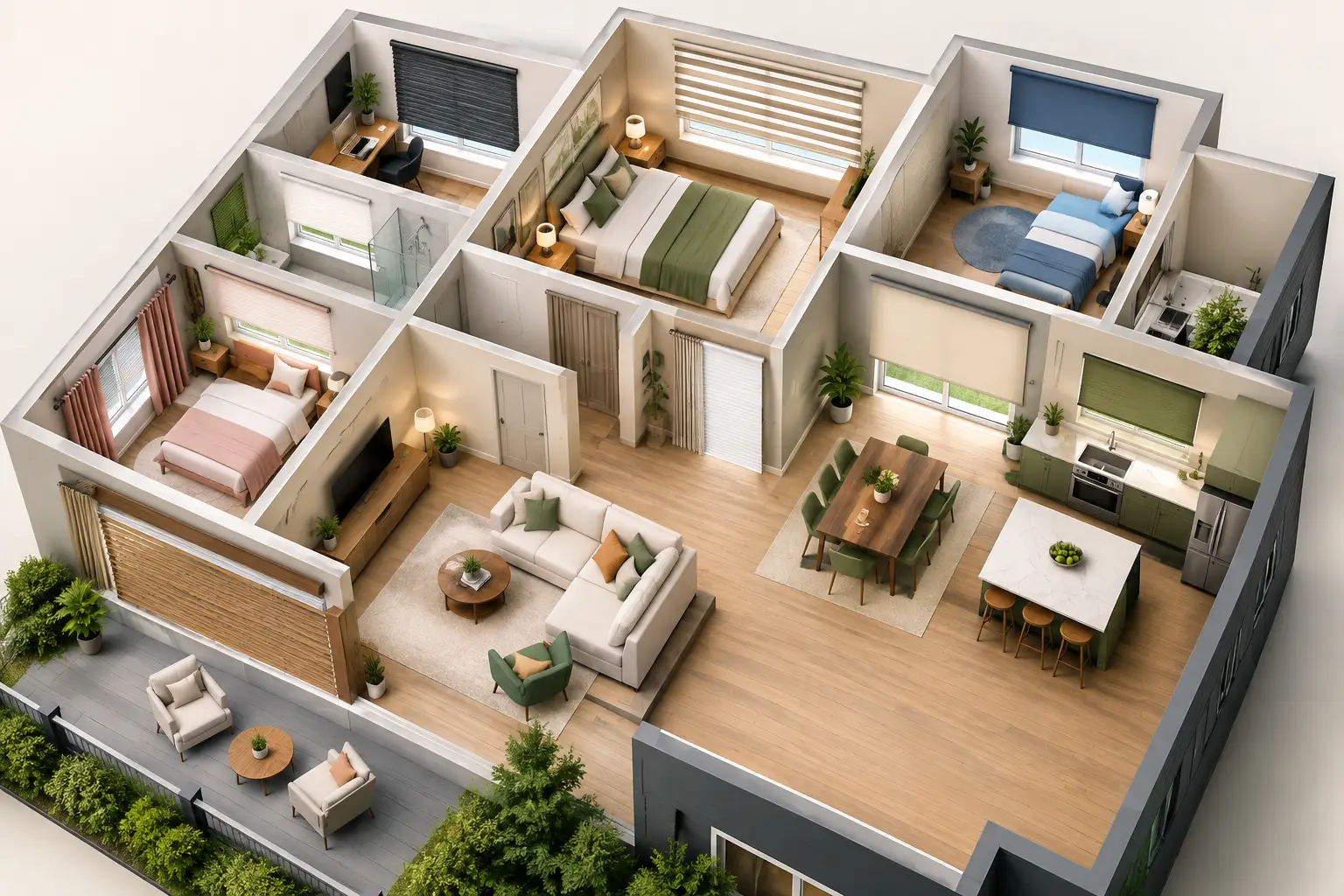
Blinds are often a great fit for secondary bedrooms, kitchens, bathrooms, playrooms, and offices where function, moisture resistance, or budget flexibility matters more. They are also useful when you need a consistent look across many openings without committing every room to a premium price point.
Many homeowners do not choose one product for the whole house. They mix solutions. That is often the smartest approach.
The biggest mistake homeowners make
The biggest mistake is treating this as a catalog decision instead of a room-by-room design decision.
A photo online cannot tell you how the afternoon sun hits your family room, whether your window depth can accommodate a cleaner shutter fit, or how a certain finish will look next to your flooring, trim, and wall color. Measurements, proportions, and material selection all matter more than most people expect.
That is why a consultative process makes such a difference. A local expert can show samples in your actual lighting, explain the trade-offs clearly, and help you decide where it makes sense to invest and where a more budget-conscious option will still look excellent. At Covering Windows, that kind of guidance is often what turns a stressful purchase into a confident one.
If you are stuck between plantation shutters vs blinds, the best choice is usually the one that fits the way you live in the room, not just the way you want it to look on day one. Beautiful window treatments should still feel right a year later, when the sun is hitting the same windows, the room is in daily use, and you are glad you chose something designed for your home instead of just bought for it.