Sticker shock usually happens for one of two reasons – either the blinds were priced too vaguely at the start, or the homeowner was comparing custom work to an off-the-shelf product that was never built for the same result. If you are asking how much do custom blinds cost, the honest answer is that most projects land somewhere between a few hundred dollars for a single window and several thousand for a whole-home installation, depending on size, material, controls, and installation complexity.
That range sounds broad because custom blinds are not one product. They are a category. A small bathroom faux wood blind and a motorized blind wall in a two-story family room are both custom, but they live in very different pricing tiers. The real value of a custom quote is not just the number. It is knowing what you are paying for, what can flex, and where it makes sense to invest.
How much do custom blinds cost by window
For most homeowners, custom blinds for a standard window often start around $300 to $700 installed for quality manual products, with larger windows, upgraded materials, or specialty finishes pushing the cost higher. If you are outfitting several windows at once, the total can range from roughly $2,000 to $8,000 or more, especially when the project includes premium wood blinds, large openings, or motorization.
Those numbers are not meant to be evasive. They reflect how custom pricing actually works. A 24-inch bedroom window costs less than a wide living room picture window. A simple cordless blind costs less than a motorized system integrated into a smart home setup. The same is true for architectural details. Bay windows, French doors, arches, and extra-deep frames can all change labor and product requirements.
If you are comparing online prices, remember that many advertised numbers do not include measuring errors, trim options, upgraded lift systems, shipping, or installation. A lower starting price can look attractive until one wrong measurement turns the savings into a replacement order.
What drives custom blinds pricing
The biggest factor is size. Larger windows need more material, stronger headrails, and sometimes different operating systems to support the added weight. Wide windows can also cross into specialty manufacturing categories, where pricing jumps more noticeably.
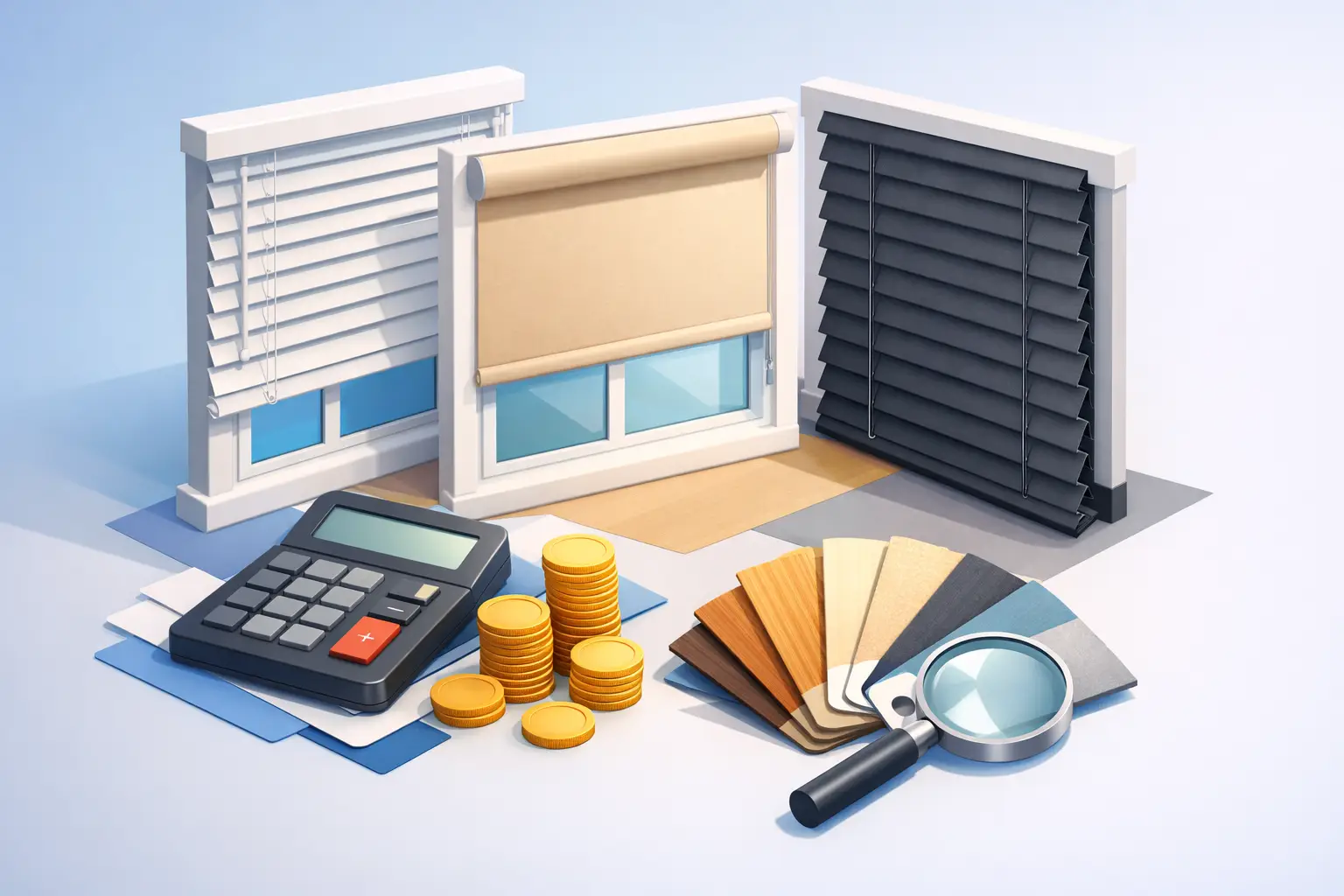
Material is another major driver. Faux wood is often one of the most budget-friendly choices for homeowners who want the look of painted wood with good durability, especially in kitchens, bathrooms, and busy family spaces. Real wood blinds typically cost more because they bring a warmer, more refined finish and a lighter overall weight for large spans. Aluminum and vinyl options can be less expensive in some applications, but they usually do not deliver the same design impact in a polished residential setting.
Control type matters too. Cordless is now a common upgrade because it looks cleaner and improves child safety. Motorization raises the investment further, but for tall windows, hard-to-reach openings, media rooms, or whole-home convenience, many homeowners decide the added comfort is worth it.
Finally, installation affects the final total. A straightforward install on standard windows is one thing. Mounting blinds on unusually tall windows, aligning multiple blinds across a wall of glass, or working around trim conditions and recessed openings takes more time and precision.
Typical cost ranges by blind type
Faux wood blinds are often the sweet spot for value. Many homeowners choose them because they balance appearance, durability, privacy, and price. Installed, they commonly fall in the midrange and work especially well when you want a clean, tailored look without moving into premium wood pricing.
Real wood blinds usually cost more, but they also elevate the room. In dining rooms, studies, formal living spaces, and primary suites, the richer grain and furniture-like finish can make a visible difference. They tend to appeal to homeowners who want the window treatment to feel like part of the design, not just a utility item.
Vertical blinds can still be a practical solution for sliders and large openings, though today many clients prefer shades or drapery for those spaces. When vertical blinds are selected, pricing depends heavily on width and vane material.
Motorized blinds sit at the higher end of the range. The added cost comes from the motor, power source, controls, and programming. Still, for a wall of windows or a home with strong afternoon sun, they can improve comfort enough that the upgrade feels less like a luxury and more like a quality-of-life decision.
Why custom costs more than store-bought blinds
The short answer is fit, finish, and accountability.
Custom blinds are made for your exact openings. That means fewer light gaps, better proportions, cleaner lines, and a more intentional final look. They also come with more choices in slat size, color, valance style, control type, and mounting configuration, which matters if you are trying to match trim, flooring, wall color, or the overall character of your home.
Store-bought blinds can work in a pinch, but they often require compromise. Maybe the width is close enough, the color is almost right, or the projection interferes with trim. Those issues are easy to overlook in the box. They are harder to ignore once everything is installed and the room still feels unfinished.
There is also the service side. With custom work, you are not just buying a blind. You are buying measuring, product guidance, ordering accuracy, installation, and a local point of contact if something needs adjustment. For busy homeowners, that support is often the difference between a smooth project and a frustrating one.
How to budget without overbuying
A smart custom blinds budget starts with priorities, not products. Ask yourself which rooms matter most visually, which windows need the most privacy or sun control, and which areas are hard to reach. That helps you decide where premium upgrades belong and where a simpler solution is perfectly appropriate.
For example, many homeowners spend more in front-facing rooms, open-concept living areas, and primary bedrooms because those spaces carry the most visual weight. Guest rooms, laundry rooms, and secondary spaces can often use a more cost-conscious product without sacrificing the overall look of the home.
It also helps to think in terms of performance. If moisture is a concern, faux wood may be the better investment than real wood. If glare is a daily issue, motorization or a better light-control option may deliver more value than a decorative upgrade. Good budgeting is not about picking the cheapest blind. It is about matching the product to the room.
Hidden costs homeowners should watch for
The most common hidden cost is reordering after a bad measurement. That risk is highest when people try to piece together a project online or mix products from different sellers. Another common issue is upgrade creep. A low advertised price can rise quickly once cordless lift, wider slats, custom colors, valances, and installation are added.
There can also be structural surprises. Uneven frames, limited mounting depth, door handles, or trim details sometimes require a different product than the homeowner originally planned. That is not a sales tactic. It is simply the reality of making a custom product look right and operate properly.
This is where a guided consultation earns its keep. Seeing samples in your home, against your lighting and finishes, often prevents expensive second-guessing later.
Are custom blinds worth the cost?
For many Northern Virginia homeowners, yes – especially when the goal is to improve both appearance and day-to-day function. Custom blinds tend to last longer, fit better, and look more finished than ready-made alternatives. They can also support energy efficiency, privacy, light control, and resale appeal in ways that generic products often do not.
That does not mean every window needs the most expensive option. The best projects are thoughtfully layered. Some rooms call for premium materials. Others simply need a durable, attractive blind installed correctly. A company like Covering Windows helps homeowners sort through those trade-offs without turning the process into guesswork.
If you are wondering how much do custom blinds cost for your home, the most useful answer will always come from seeing the windows, understanding your priorities, and recommending products that fit both the design and the budget. Good window treatments should feel like they belong in the room from day one. When they do, the cost makes more sense because the result does too.