A beautiful shutter can make an ordinary window feel architectural. But the difference between shutters that look tailored to your home and shutters that feel too heavy, too busy, or slightly off is usually in the details: louver size, panel layout, color, and how the shutter relates to the room around it. This plantation shutter style guide is designed to help Northern Virginia homeowners make those choices with confidence before ordering a custom installation.
Plantation shutters are a long-term design decision. Unlike a temporary shade or ready-made curtain panel, they become part of the room’s visual structure. The right selection can add privacy, light control, insulation, and a polished finish that supports your home’s style for years.
Start With the Architecture, Not the Window Alone
Shutters should look as though they belong to the house. A crisp white frame and wide louvers may be perfect in a newer Ashburn home with clean trim and open sightlines, while a painted wood shutter with a more traditional panel configuration may better suit a Colonial in McLean or Vienna.
Look at the elements already in the room: crown molding, baseboards, door profiles, flooring, cabinet finishes, and hardware. Shutters do not need to match every finish exactly, but they should speak the same design language. Traditional homes often benefit from a more classic white or off-white shutter with narrower louvers and divided panels. Transitional interiors can handle wider louvers, clean frames, and softer neutrals. In a contemporary setting, a simple wide-louver shutter in a bright white, charcoal, or custom paint color can feel intentional rather than decorative.
Window shape matters, too. Wide banks of windows, French doors, bay windows, arches, and specialty shapes all call for careful panel planning. A custom consultation is valuable here because the goal is not simply to cover glass. It is to preserve symmetry, function, and the view.
Plantation Shutter Style Guide: Choose the Right Louver Size
Louver size has a major influence on both appearance and light control. The wider the louver, the more open and current the shutter tends to feel when adjusted. Smaller louvers create a more detailed, traditional look.
A 2 1/2-inch louver is a versatile middle ground for many Northern Virginia homes. It offers good privacy and light control without overwhelming average-size windows. A 3 1/2-inch louver is especially attractive for larger windows, rooms with high ceilings, or homeowners who want a cleaner, more expansive view when the shutters are open.
There is a practical trade-off. Wider louvers let in more daylight and provide a clearer view, but they can look oversized on narrow windows or in rooms with delicate, historic trim. Narrower louvers complement smaller openings and traditional architecture, although their additional lines create a busier visual effect. The best choice depends on the scale of the room as much as personal preference.
Consider the View and Privacy at the Same Time
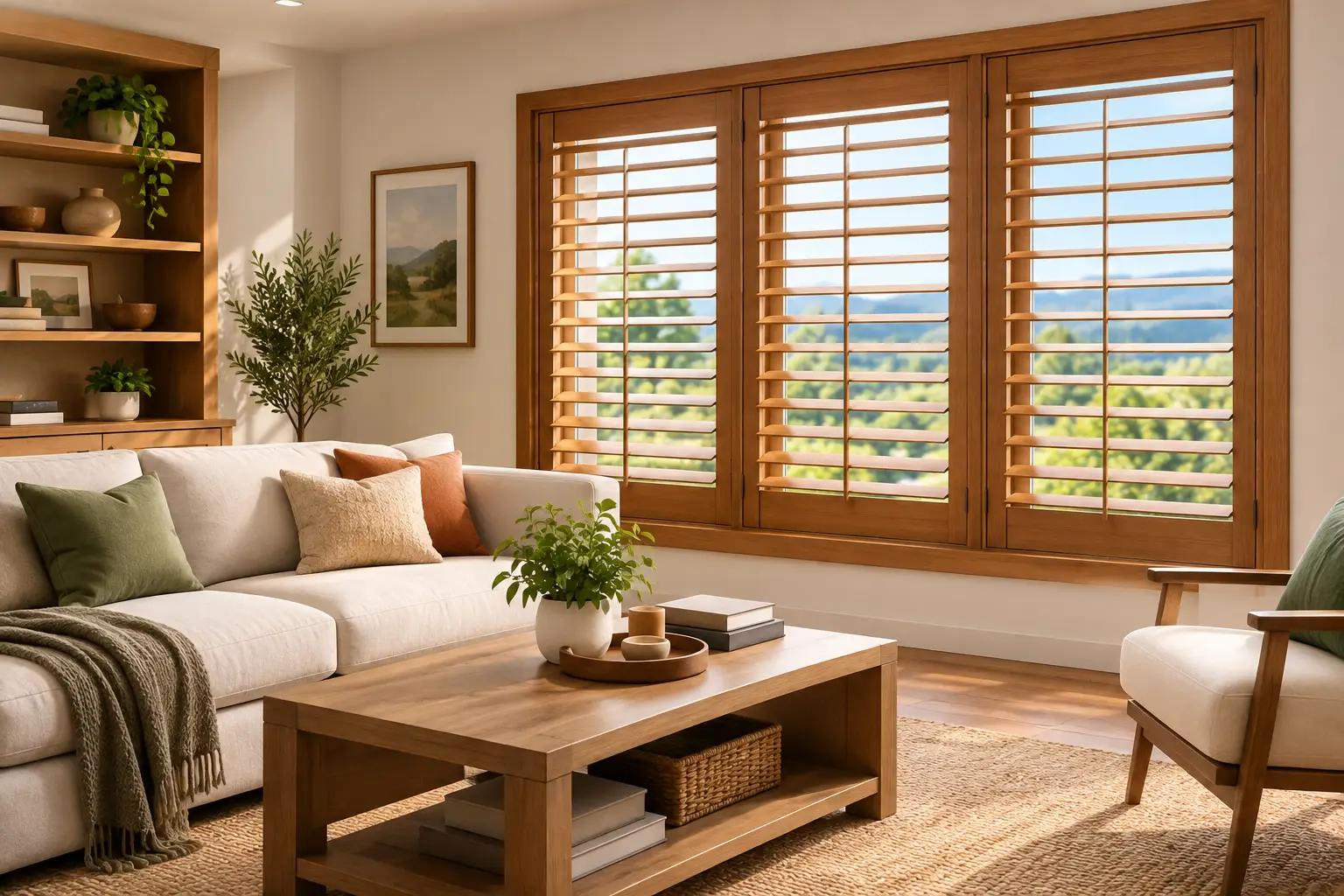
For a family room facing a wooded yard or a great view, larger louvers can make the most of the scenery. In a front-facing living room or street-level bedroom, you may prefer a configuration that gives you more flexible privacy throughout the day.
A split tilt can be particularly useful. It allows the top louvers to open for daylight while the bottom section remains closed for privacy. This feature is ideal for homes near sidewalks, neighboring houses, or active streets, where you want natural light without feeling exposed.
Match the Panel Design to How You Live
Panel configuration determines how shutters open, fold, and divide across the window. It may sound technical, but it has a noticeable effect on the finished appearance and daily usability.
For standard windows, full-height panels create a clean, classic result. They are simple to operate and work beautifully in bedrooms, living rooms, offices, and dining rooms. Tier-on-tier shutters divide the top and bottom sections into separately operating panels. They bring extra flexibility to bedrooms and front rooms, where daylight and privacy often need to work together.
Café-style shutters cover the lower part of the window while leaving the upper glass open. They can feel airy and charming in kitchens, breakfast areas, and bathrooms, especially where privacy is needed but full coverage would block too much light. They are not always the best choice for bedrooms or highly visible street-facing windows, where full nighttime privacy may matter more.
For sliding doors and large openings, bypass or bi-fold shutter panels can be the right solution. These require precise measuring and professional installation so the panels move smoothly, align properly, and do not interfere with handles or traffic flow.
Select Color and Finish With Intention
White shutters remain popular for good reason. They are timeless, brighten a room, coordinate with most trim, and support resale appeal. Yet “white” is not one universal color. A bright white shutter can look fresh beside modern white trim, while a softer white or warm ivory may be a better fit with cream walls, warmer flooring, or traditional interiors.
Matching shutters to the trim creates a built-in appearance that makes windows feel larger and more finished. Choosing a contrasting color can also be striking, particularly in a study, dining room, or moody bedroom. Soft gray, deep navy, and dark stained wood can add depth when the room has enough light and a clear design direction.
Wood shutters offer natural grain, warmth, and a refined furniture-like quality. They are especially compelling in formal rooms, homes with rich millwork, and spaces where stain is part of the broader design plan. High-quality wood can also be a smart choice for unusually large openings because it is lighter than many composite materials.
Faux wood or composite shutters are often a practical fit for bathrooms, laundry rooms, kitchens, and sunny areas where humidity or temperature changes are a concern. They can deliver the tailored shutter look with strong durability and straightforward maintenance. Material selection is not only about budget. It is about the room’s conditions, window size, desired finish, and the level of detail you want to achieve.
Use Shutters to Solve Room-by-Room Challenges
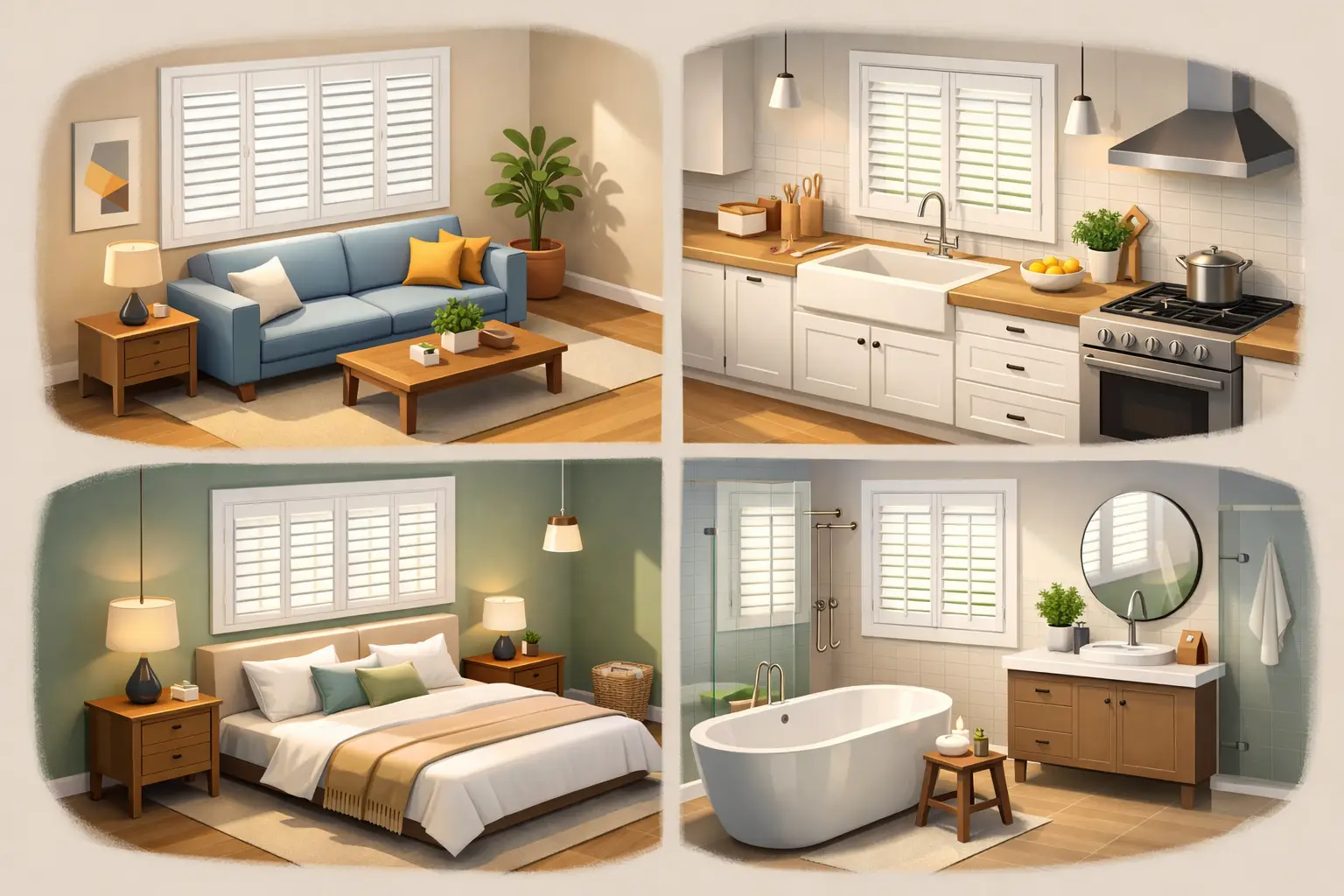
In bedrooms, shutters should support sleep as well as style. Full-height panels with good light control are usually the strongest choice, and a split tilt offers welcome flexibility during the day. For a nursery or child’s room, cordless operation and a sturdy, easy-clean surface are practical advantages.
In kitchens, consider how often the window is near a sink, cooktop, or high-traffic area. Moisture-resistant shutters are easy to wipe down and look far more finished than many standard blinds. Café shutters can work beautifully over a sink if the upper view is worth preserving.
Bathrooms call for privacy and humidity resistance. Composite or faux wood shutters are often the sensible selection, with louvers sized to balance daylight and coverage. In a home office, shutters reduce glare on screens while letting you fine-tune daylight for video calls and focused work.
Living rooms and dining rooms offer more freedom. This is where shutters can become a visible design feature, particularly on a bay window, a wall of windows, or a formal front-facing room. If you plan to layer drapery panels over shutters, choose a shutter color and frame that will still look complete when the drapery is open.
Do Not Overlook Frames, Tilt Options, and Installation
The frame is the finishing detail around the shutter. A frame that relates well to existing trim can make the installation appear original to the house. In some situations, shutters are designed to sit within the window opening; in others, an outside-mounted frame is needed to accommodate depth, handles, or trim conditions. There is no one-size-fits-all answer, which is why measuring from an online diagram can create expensive surprises.
Traditional center tilt rods provide a classic look and allow you to adjust louvers quickly. Hidden tilt systems offer a cleaner, more contemporary face with fewer visible lines. Both are attractive options. The better choice comes down to whether you prefer traditional detail or a more streamlined finish.
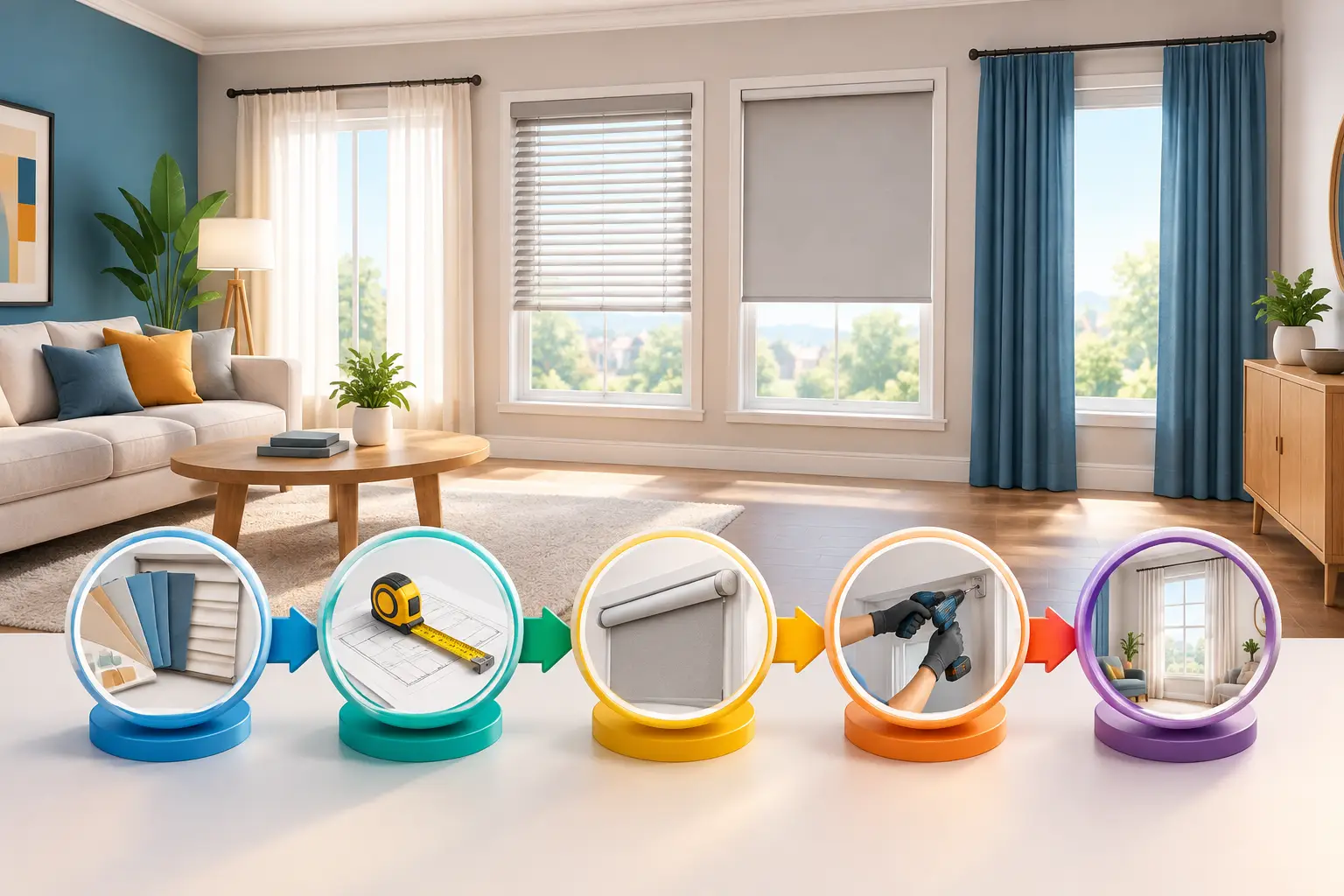
Professional installation is where the design becomes reality. Windows are rarely perfectly square, especially in older homes. An experienced installer accounts for small variations, confirms clearances, aligns panels, and makes sure doors and shutters operate as intended. That level of care protects the investment and gives the room the crisp, custom result homeowners expect.
The most successful shutters do more than cover a window. They make the room feel calmer, more complete, and easier to live in. If you are weighing louver sizes, materials, or panel styles, Covering Windows can bring samples to your home and help you see the right combination in your actual light, alongside your actual finishes. That is often the moment a good choice becomes the right one.