A window can have a beautiful view and still feel unfinished. The difference is often dimension: a tailored shade handling privacy and light, with drapery adding softness, color, and architectural presence. Learning how to layer drapes and shades gives you more control over how each room looks and lives, from bright family rooms in Ashburn to formal dining spaces in McLean.
This pairing is not simply about adding fabric. Done well, layered window treatments make ceilings appear taller, windows feel larger, and a room feel intentionally designed. Done poorly, they can crowd the window, block too much daylight, or leave you with drapes that do not function as expected. The right solution depends on your window shape, the room’s purpose, your privacy needs, and the finished look you want.
Why Layer Shades With Drapes?
Shades and draperies solve different design problems. A shade sits close to the glass, where it can provide daily light control, glare reduction, privacy, insulation, or blackout performance. Drapery adds the visual finish – framing the window, softening hard edges, and introducing texture or pattern that can connect the room’s furnishings.
Together, they make a room more flexible. In a bedroom, a room-darkening shade can handle sleep while decorative drapery adds warmth during the day. In a living room, solar shades can preserve a view and reduce harsh afternoon glare, while side panels make the space feel more complete. For many Northern Virginia homes with large windows and open floor plans, this combination delivers a more luxurious look without asking one product to do every job.
There is also a practical benefit. Drapes can add another layer of insulation near the window, particularly when lined, while a well-chosen shade manages the sun before it overheats a room. The result is comfort that feels as good as it looks.
How to Layer Drapes and Shades in the Right Order
Start with the shade. Because it is the performance layer, choose it based on what the room needs most: privacy, filtered daylight, complete darkness, energy efficiency, or view-through solar control. Then select drapery to support the room’s style and add visual scale.
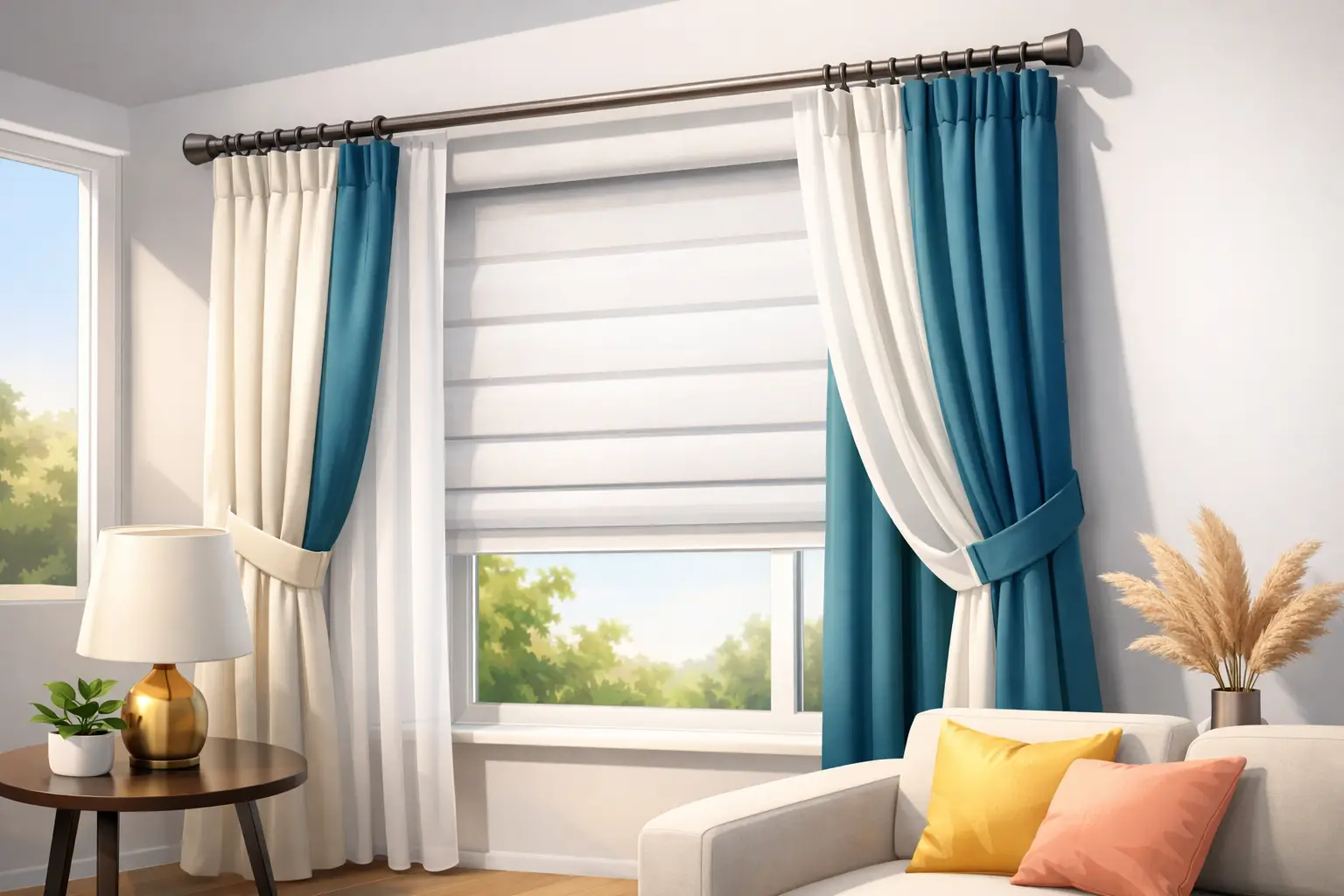
In most homes, the shade mounts inside the window frame for a clean, recessed appearance. The drapery rod is mounted above and beyond the frame, allowing panels to sit at the sides rather than cover the glass when open. This is the classic custom approach because it gives the window more height and lets in more natural light.
An outside-mounted shade can also work, especially when the window frame is shallow, when you need stronger light blocking, or when the window itself is visually awkward. The key is planning the depth. You need adequate clearance so the shade operates freely and the drapery hangs without rubbing against it.
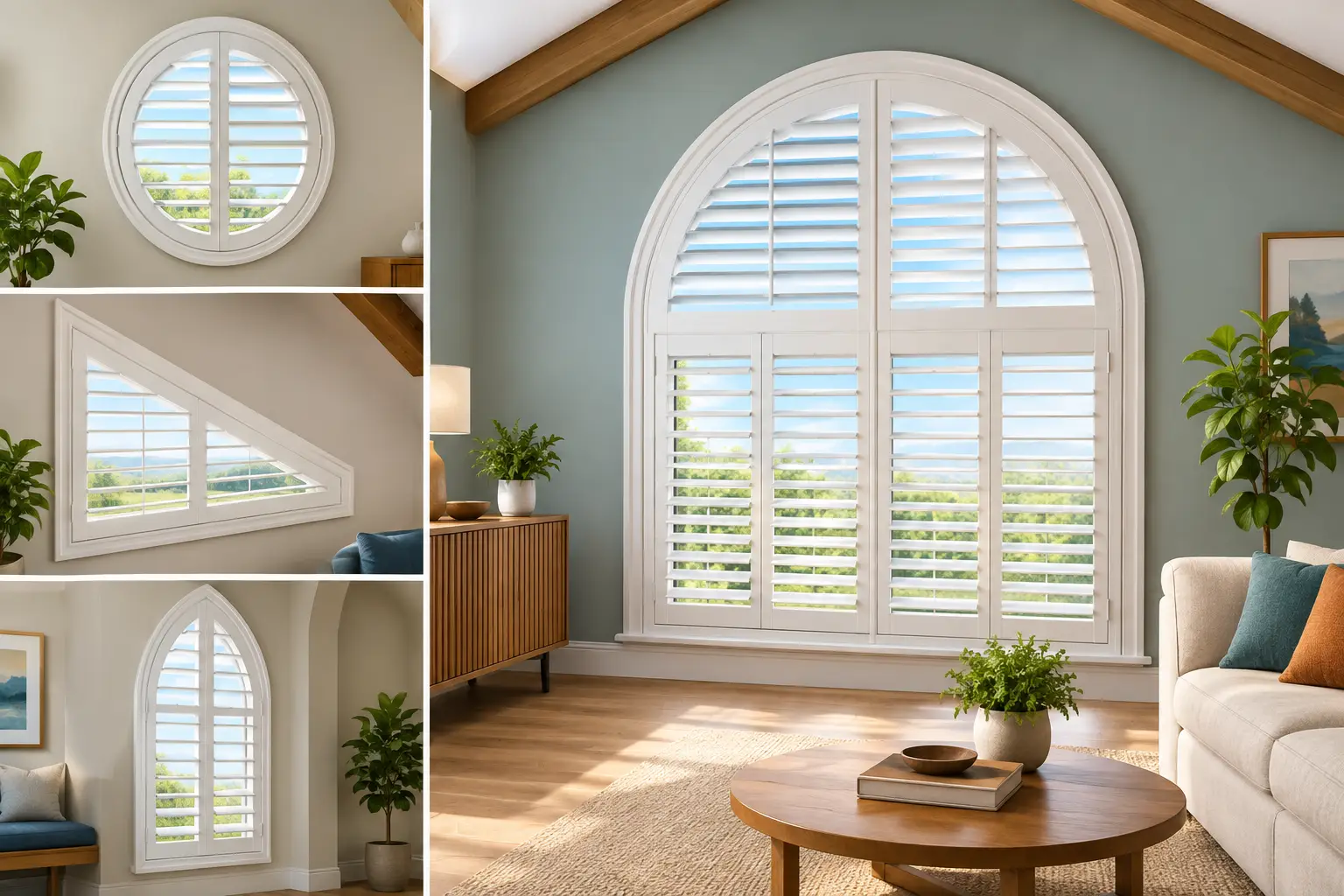
For a polished installation, think about the layers from the wall outward: shade closest to the glass, then drapery panels, with optional sheers between them when a room calls for a softer, more traditional look. A professional consultation is particularly useful for deep windows, bay windows, French doors, and rooms with molding, because small measurement decisions can determine whether the finished treatment feels tailored or cramped.
Choose the Shade for Function First
The best shade beneath drapery varies by room. Roman shades bring fabric texture and work beautifully under more formal panels, but they add depth when raised and need enough space around the window. Roller shades offer a slimmer, more contemporary profile and are an excellent choice behind drapery in great rooms, offices, and media spaces.
Cellular shades are worth considering where insulation is a priority. Their structure helps reduce heat gain and heat loss, which can be valuable on expansive windows or in rooms that feel too warm in the afternoon. Woven wood shades add natural texture and character, though they are usually better paired with a privacy liner if the room needs evening coverage.
For bedrooms and nurseries, a blackout or room-darkening roller shade behind drapery is a dependable combination. Do not assume a dark-colored fabric is automatically blackout. The opacity, liner, mounting method, and gaps around the treatment all affect how much light enters the room.
Motorization can make the layered approach even more useful. A motorized shade can be scheduled to lower during intense sun or raised in the morning, while drapery panels remain largely decorative. It is an especially convenient option for tall, hard-to-reach windows and busy households that want daily comfort without constant adjustment.
Let Drapery Set the Mood
Once the shade is chosen, drapery becomes the opportunity to shape the room’s personality. Linen and linen-look fabrics feel relaxed and airy. Velvet, heavier woven fabrics, and interlined panels create a richer, more formal effect. A subtle neutral can add softness without competing with artwork or furniture, while a patterned fabric can give a quiet room a focal point.
Fullness matters as much as fabric. Flat, skimpy panels can make even a beautiful material look underwhelming. Custom drapery is typically made with enough width to create proper folds when closed and a graceful stack when open. The specific fullness depends on the heading style, fabric weight, and whether the panels are meant to operate or remain stationary.
Stationary side panels are often the right choice when the shade provides all the necessary privacy and light control. They create the appearance of full drapery while keeping the window clear and the budget focused on the visible design impact. Operable panels make more sense where you want the option to close a second layer, reduce drafts, or completely change the mood of the room at night.
Use Height and Width to Make Windows Look Better
One of the most common mistakes in layered treatments is hanging the drapery rod directly at the top of the window frame. That placement can make ceilings feel lower and leave the treatment looking undersized. Mounting the rod closer to the ceiling, when the architecture allows, creates a longer vertical line and a more elevated result.
Extend the rod beyond each side of the window so open panels can clear the glass. This matters on windows with a view, where you do not want fabric covering valuable daylight. It also makes a modest window appear wider and more substantial.
For floor-length drapery, the most refined look is usually a clean break at the floor or a very slight, intentional touch. Panels that stop several inches above the floor often look accidental. There are exceptions, including windows above radiators, built-ins, or furniture, but those conditions should guide the design early rather than force a last-minute compromise.
Coordinate Color and Texture Without Overmatching
Layered treatments look best when the materials relate without becoming too busy. If the shade has visible texture, such as woven wood or a textured Roman shade, choose a drapery fabric that provides contrast in scale. A smooth linen drape beside a heavily textured shade often feels balanced. If the shade is a simple neutral roller shade, drapery can carry more color, pattern, or richness.
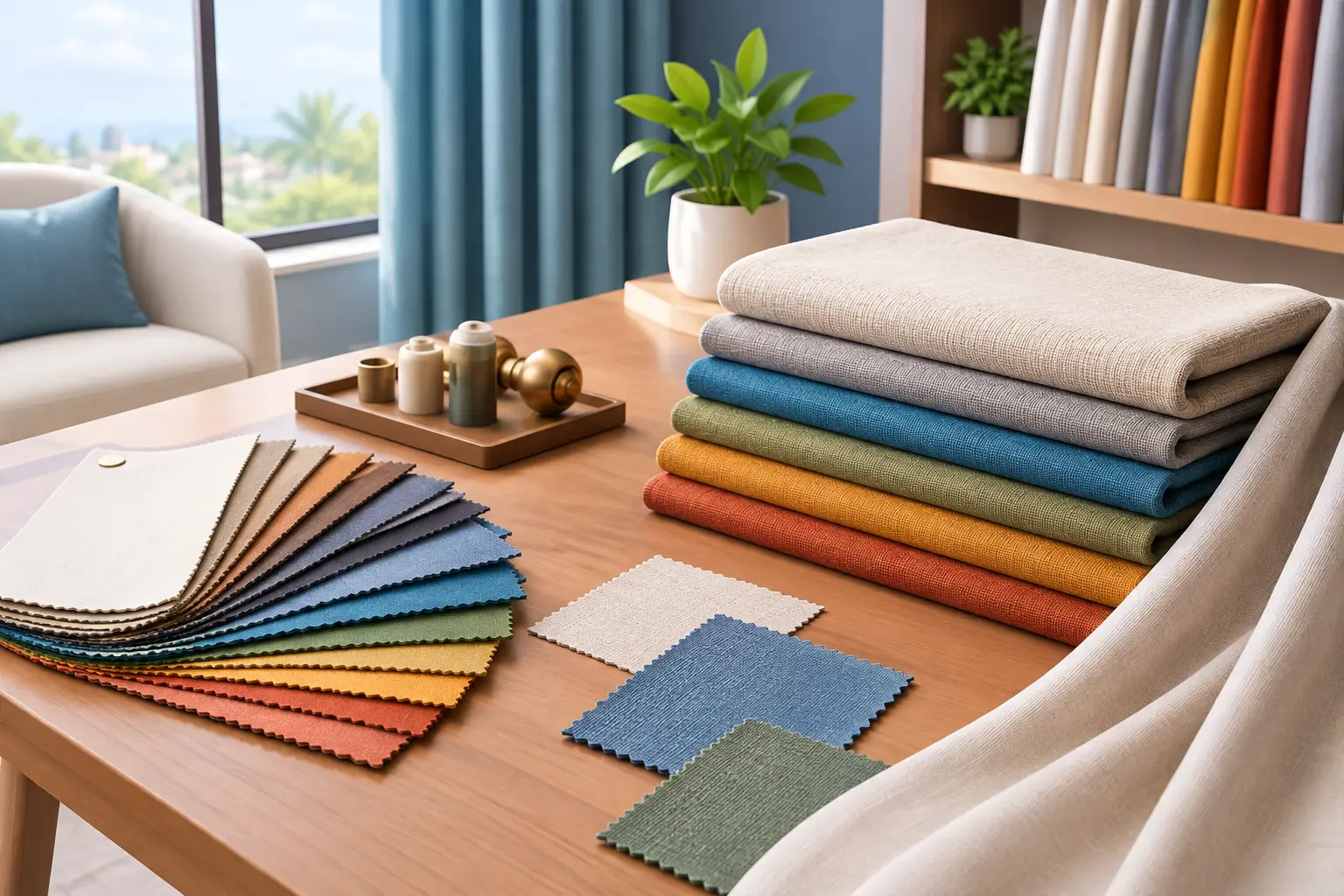
You do not need to match the shade and drapes exactly. In fact, exact matching can flatten the design. Instead, connect them through undertones. Warm white drapery pairs well with warm natural wood or beige shades; cooler grays and soft whites work better with crisp contemporary palettes. Bring fabric samples into the room and view them in morning, afternoon, and evening light before committing.
Hardware deserves the same attention. A simple black, bronze, or brushed metal rod can provide definition, while a more concealed track lets the fabric take center stage. For a clean, contemporary home, ripplefold drapery on a ceiling-mounted track can be striking. For a traditional room, pleated panels and a decorative rod may better suit the architecture.
Avoid the Details That Make Layers Feel Bulky
Layering should create depth, not clutter. Avoid combining a thick shade, oversized decorative rod, heavy lined drapes, and ornate hardware in a small room unless the space intentionally calls for that level of drama. A slimmer roller shade with tailored panels may give you the same function with a lighter visual footprint.
Be realistic about side clearance, too. If a window is tight against a wall or bookcase, full operable panels may not have room to stack. A single panel, a carefully designed stationary treatment, or a shade-only approach may be the better answer. Custom design is valuable because it works with the room you have rather than forcing a catalog image onto it.
Measurements are another place where online ordering can create expensive surprises. The shade needs the correct depth, the rod needs the correct projection, and the panels need precise finished length. Covering Windows helps homeowners evaluate these details in the home, with samples and installation planning that make it easier to see the complete picture before anything is ordered.
The most successful layered windows do more than look dressed. They make the morning light gentler, the evening more private, and the room feel considered from every angle. Choose the functional layer first, then let the drapery bring the warmth, proportion, and finish that make the space feel like home.