A bright Great Falls living room can feel spectacular at 10 a.m. and unbearably exposed by 4 p.m. A primary bedroom in Ashburn may need blackout darkness for sleep without losing the soft, finished look that makes the room feel luxurious. That tension between beauty and daily performance is defining window treatment trends 2026. Homeowners are moving beyond basic coverings and choosing custom solutions that manage light, privacy, temperature, and style at the same time.
The strongest trend is not one fabric, color, or product category. It is intentionality. The most successful window treatments are designed around how a room is used, which direction it faces, and what the home needs to feel comfortable year-round. For Northern Virginia homeowners, that often means balancing large windows, changing seasons, busy family schedules, and a desire for polished interiors that do not feel overdone.
Window Treatment Trends 2026: Warm, Tailored, and Functional
The cool gray, stark white look that dominated many interiors is giving way to warmer, more layered spaces. Window treatments are following suit. Think woven textures, soft neutrals with depth, natural wood tones, and fabrics that bring quiet character rather than bold visual noise.
This does not mean every room needs heavy drapery or dark wood blinds. Clean-lined roller shades and modern shutters still have a place, especially in contemporary homes around Reston, McLean, and Fairfax. The difference is in the finish. Homeowners are selecting materials that make a room feel considered: linen-inspired fabrics, textured woven shades, warm white shutters, and drapery panels with a fuller, custom-made presence.
Layering becomes a practical luxury
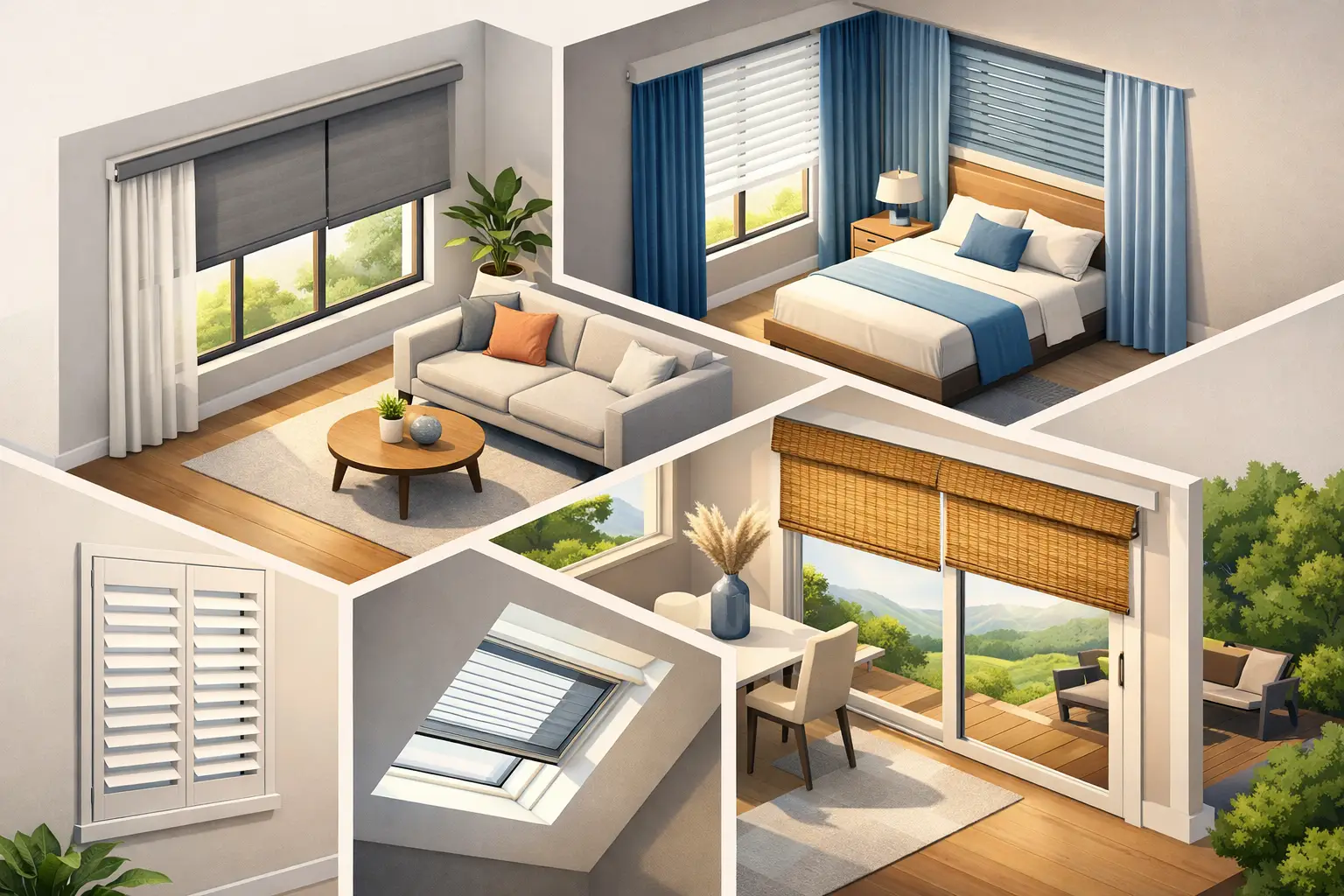
Layered window treatments are one of the most useful design directions for 2026. A solar shade paired with side panels, for example, can reduce glare during the day while adding softness and privacy at night. A room-darkening shade behind decorative drapery gives bedrooms both better sleep conditions and a more elevated appearance.
Layering works especially well in homes with open floor plans and oversized windows, where a single treatment can sometimes look too sparse. It also allows each layer to do a specific job. The shade handles light control and privacy; the drapery adds color, scale, insulation, and visual warmth.
There is a trade-off: more layers require better planning. Mounting height, fullness, stacking space, and operation all matter. A drapery panel that covers too much glass or a shade that interferes with a door handle can make an otherwise beautiful choice frustrating. Professional measuring and installation are particularly valuable when treatments need to work together rather than simply hang beside one another.
Motorization Moves From Convenience to Everyday Comfort
Motorized shades are no longer reserved for hard-to-reach windows or dedicated smart homes. In 2026, homeowners are choosing automation because it solves ordinary problems well. Shades can rise with the morning, lower during the strongest afternoon sun, or close at night for privacy without anyone walking through the house adjusting cords.
This is especially appealing for tall foyer windows, banks of windows in family rooms, and bedrooms where light control affects sleep. It also creates a clean, cordless look that suits modern interiors and is a safer choice for homes with young children or pets.
The most practical motorization plans are not necessarily the most complex. Some homeowners prefer simple remote control or wall-mounted operation. Others want shades connected to scheduled scenes or home automation systems. The right choice depends on how the household actually lives. A fully automated solution may be worthwhile in a sun-filled great room, while rechargeable motorized shades with a remote may be the better value for a guest suite or secondary space.
Natural Texture Without Sacrificing Privacy
Woven wood shades, textured Romans, and natural-looking materials continue to gain attention because they add dimension that painted drywall and smooth cabinetry cannot provide. They work beautifully with the organic, collected interiors many homeowners now prefer, from transitional kitchens to relaxed modern bedrooms.
But natural texture should not require sacrificing function. A woven shade can look beautiful during the day while still allowing too much visibility into a room after dark. Privacy liners, room-darkening liners, and properly selected weaves make a significant difference. In a home close to neighboring properties, that detail matters as much as the fabric itself.
For rooms that need more exact light control, a textured roller shade or Roman shade can offer a similar softness with greater consistency. The best material is not always the most photographed one. It is the one that delivers the right balance of texture, privacy, and ease of use for the room.
Shutters Stay Classic, With a Softer Point of View
Plantation shutters remain a smart long-term choice for Northern Virginia homes because they offer architectural presence, durable privacy control, and a finished look that appeals across design styles. In 2026, the preference is shifting toward softer whites, warmer stains, and proportions that suit the home rather than following a one-size-fits-all formula.
Wood shutters are particularly compelling when homeowners want the richness and craftsmanship of real wood without making windows feel bulky. They can be an excellent fit for formal dining rooms, studies, primary bedrooms, and homes with distinctive trim details. Faux wood remains a practical performer in high-humidity areas such as bathrooms, laundry rooms, and kitchens.
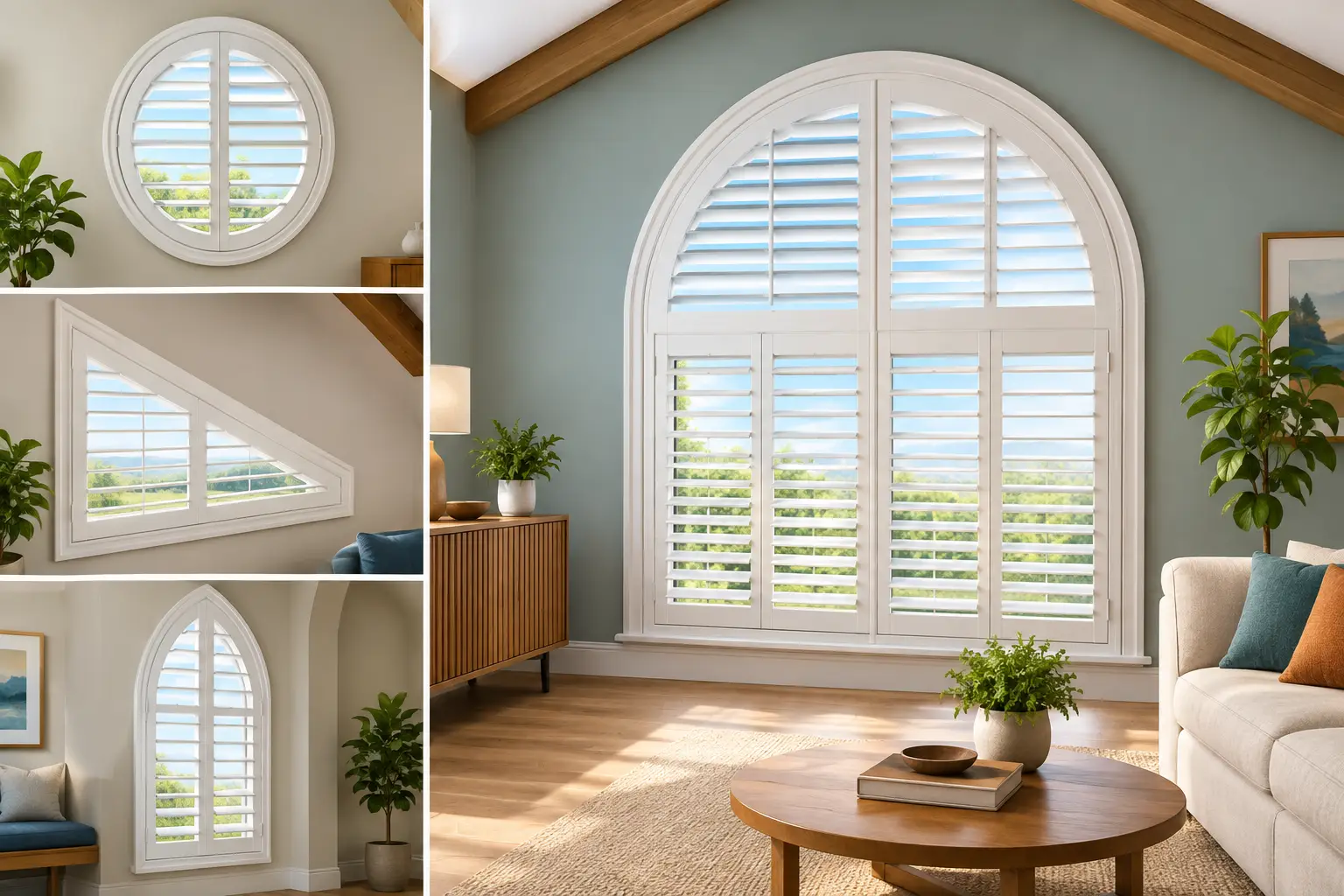
The decision often comes down to appearance, window size, and budget. Larger openings may benefit from the lighter weight and refined look of wood, while faux wood can make sense where moisture resistance is the priority. What matters most is proper customization. Panel configuration, louver size, divider rails, and mounting style all influence how shutters look and function once installed.
Energy Efficiency Becomes More Design-Conscious
Energy efficiency is a continuing priority, but homeowners no longer want treatments that look purely utilitarian. Cellular shades remain an effective option for insulation, particularly in bedrooms, home offices, and rooms with persistent drafts or strong sun exposure. Modern cellular fabrics offer more refined colors and opacity choices than many people expect.
Solar shades are another strong option for sun-facing spaces. They preserve a connection to the outdoors while cutting glare and helping protect floors, furnishings, and artwork from harsh UV exposure. Openness factor is the key consideration. A more open weave preserves more of the view but provides less daytime privacy and solar control. A tighter weave offers greater protection but can make the room feel more enclosed.
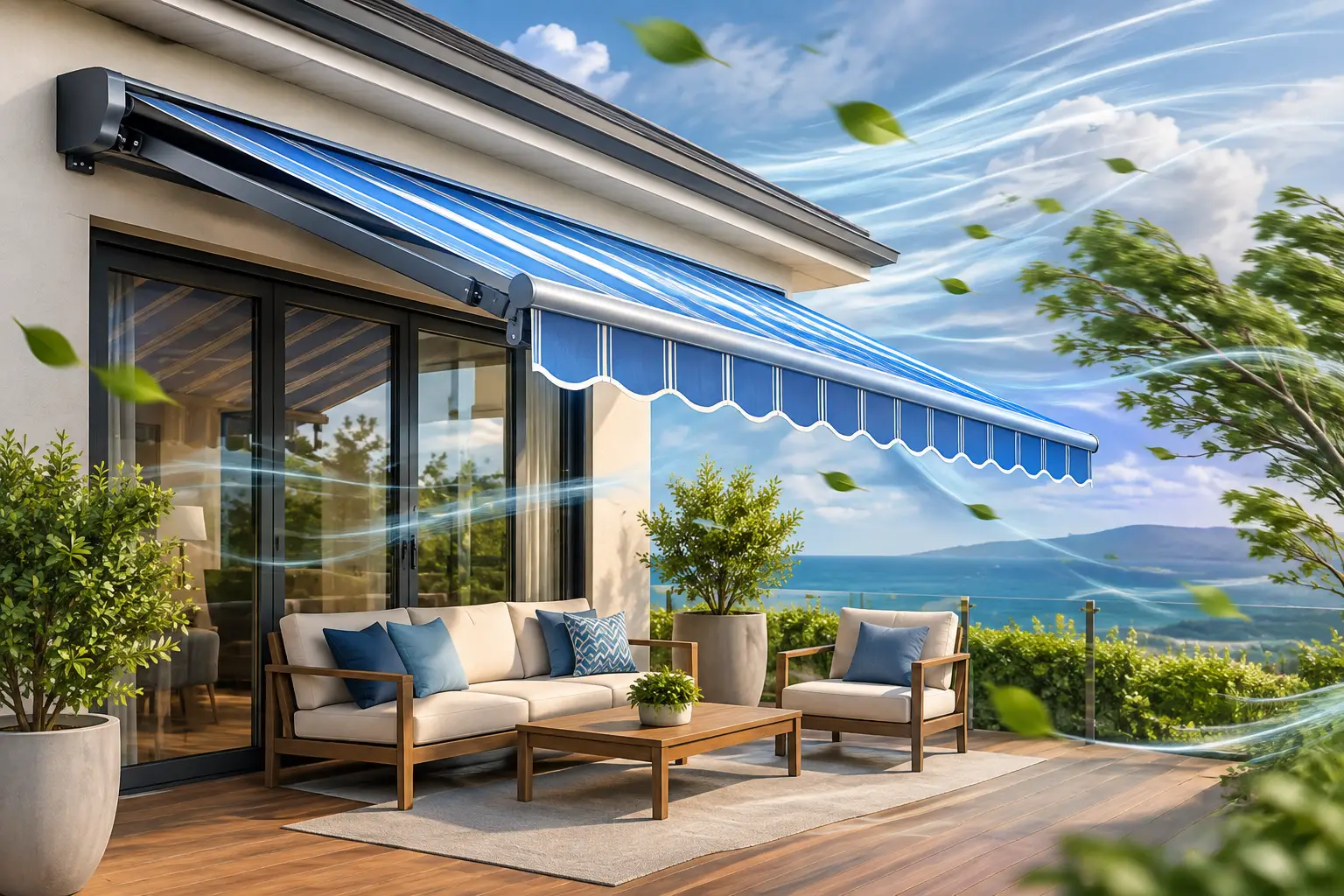
For homeowners with expansive west-facing windows, exterior shades and awnings deserve a closer look. Stopping sunlight before it reaches the glass can improve comfort dramatically on patios, porches, offices, and sun-heavy rooms. Exterior solutions are not right for every façade, but where they fit, they can make outdoor and indoor spaces much more usable during Virginia summers.
The Return of Custom Drapery Details
Drapery is becoming more tailored, not more fussy. Ripplefold styles, clean pleats, discreet hardware, and panels mounted high above the window are creating a sense of height and elegance in both newer construction and established homes. The aim is a finished, custom look that supports the room instead of competing with it.
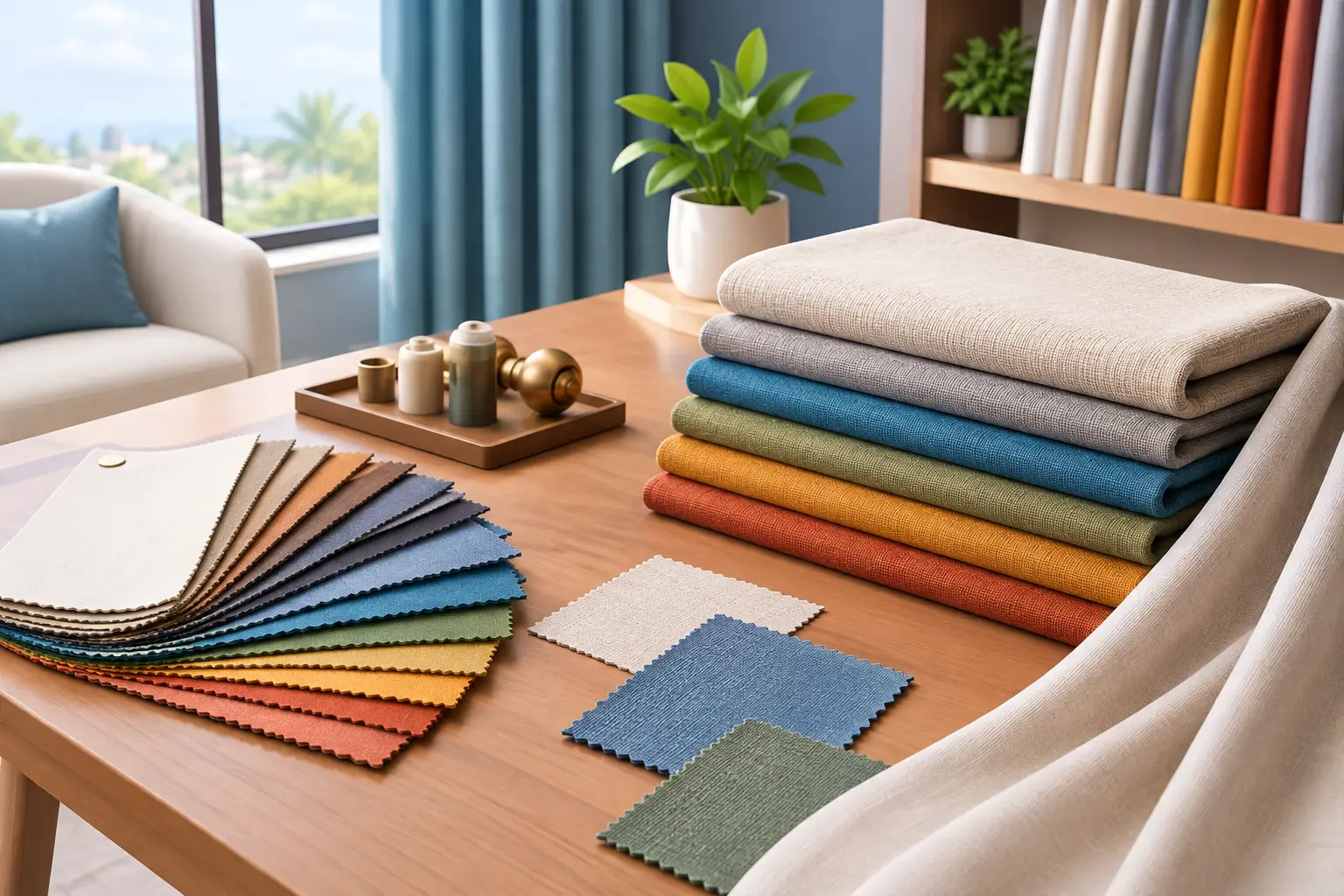
Neutral drapery remains popular, but neutral does not have to mean plain. Subtle stripes, tonal patterns, warm taupes, soft greens, clay tones, and tactile fabrics can add interest without committing the room to a passing trend. In more formal spaces, drapery can also be the element that connects upholstery, rugs, and wall color into a cohesive design.
Fabric selection should account for sun exposure and maintenance. A delicate fabric in a heavily exposed window may fade or wear faster, while a washable or performance-oriented fabric can be a better fit for a busy family room. The right choice should look beautiful on installation day and continue to perform well years later.
Choose Trends That Fit Your Home, Not Just the Photo
The most lasting 2026 trend is a custom plan built around real life. Before selecting a treatment, consider when the room receives direct sun, whether privacy is needed day and night, how often the window or door is used, and whether the treatment must coordinate with existing finishes. Those answers narrow the choices quickly and prevent costly compromises.
A free in-home consultation gives homeowners the advantage of seeing samples in their own light, beside their flooring, paint, and furnishings. At Covering Windows, that hands-on process helps turn broad inspiration into a treatment that fits the window, the budget, and the way the space is meant to feel. The best choice is the one that makes you notice the room, not the mechanics of the window covering.