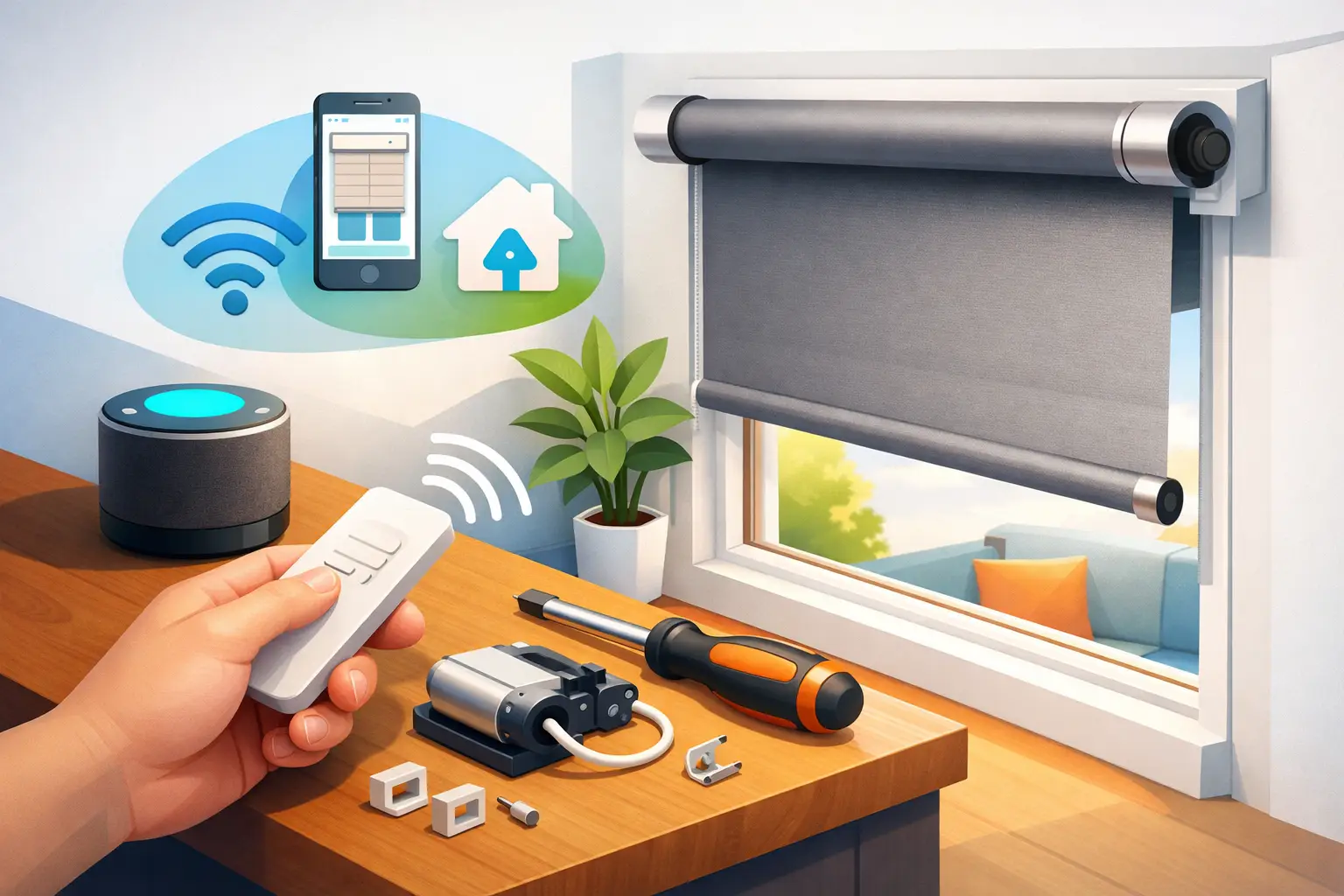
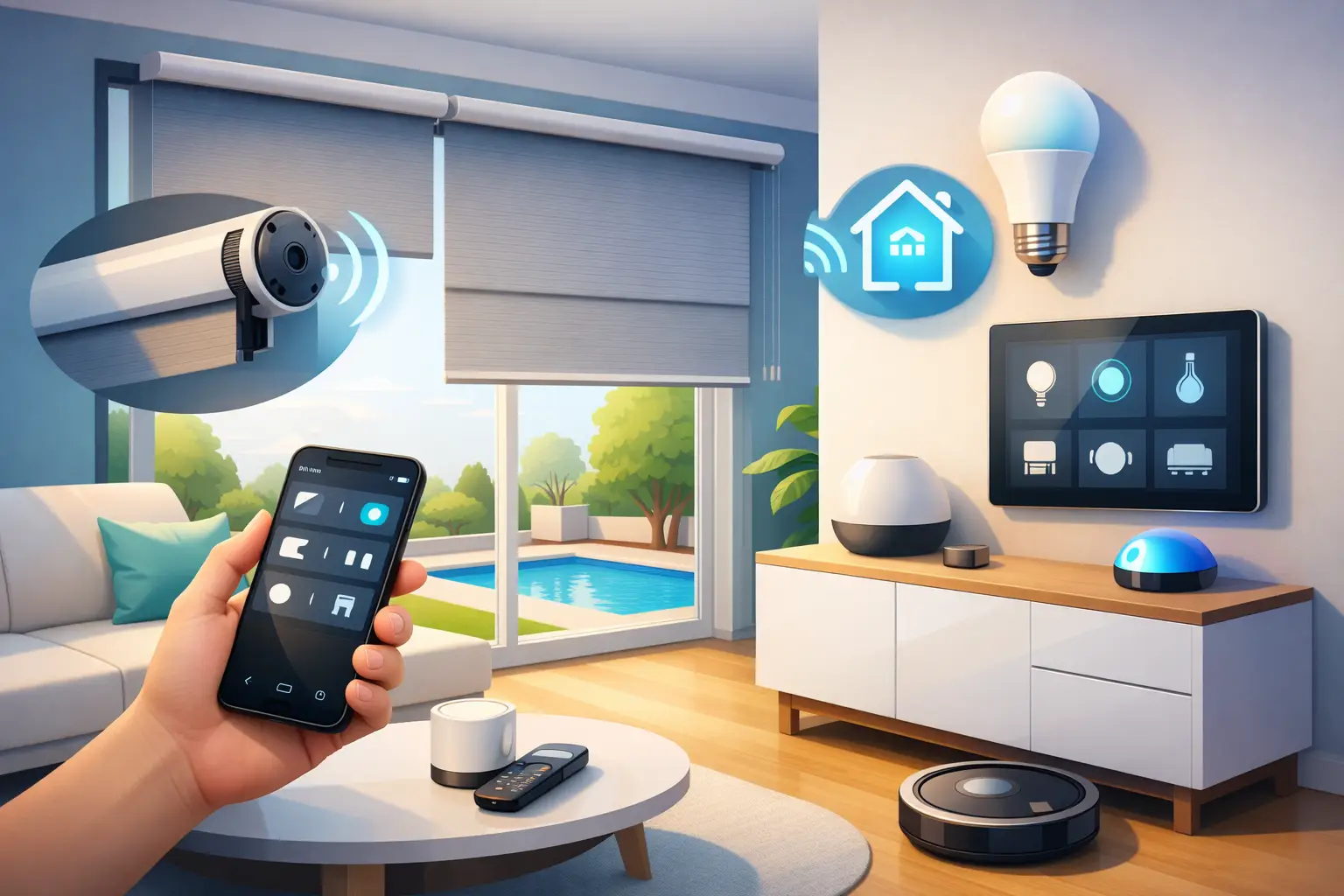
You notice it most on the busiest days. The sun starts heating up the family room before breakfast, glare hits the home office by midmorning, and by evening you are walking room to room adjusting window coverings that never seem to be in the right position. Motorized shades for smart homes solve that problem in a way that feels both practical and elevated – less daily hassle, better light control, and a home that responds to your routine.
For many homeowners, the appeal starts with convenience, but that is only part of the story. When motorization is planned well, it can improve privacy, protect interiors from harsh UV exposure, reduce strain on hard-to-reach windows, and give the entire room a cleaner, more refined finish. The key is choosing the right shades, the right control system, and the right installation approach for your home rather than buying a one-size-fits-all product and hoping it works.
Why motorized shades for smart homes make sense
Smart home upgrades are often sold as flashy features. Good window automation is different. It earns its value every day.
In a primary bedroom, motorized shades can open gradually in the morning instead of jolting you awake with full sunlight. In a two-story living room, they eliminate the awkward reality of windows you cannot comfortably reach. In media rooms and home offices, they let you quickly control glare without interrupting what you are doing. And in large open-concept homes, they help keep lighting conditions more balanced from one part of the house to another.
There is also the design factor. Traditional cords and chains can visually interrupt a well-finished space. Motorized shades create a cleaner presentation because the operation is hidden and the shade line stays crisp. For homeowners investing in custom interiors, that detail matters.
Still, motorization is not automatically the right choice for every window. A small guest room with limited sun exposure may not need it. A heavily used kitchen window near moisture or splatter zones may call for a very specific shade material and control setup. The best results come from matching the product to the room, not forcing the same solution everywhere.
What to look for in motorized shades for smart homes
Not all motorized systems perform the same way, and not all are equally easy to live with. The right selection usually comes down to how you want the shades to operate, how visible the hardware will be, and how much integration you actually plan to use.
Battery, hardwired, and rechargeable options
Battery-powered shades are often the easiest fit for existing homes because they do not require opening walls or adding new wiring. They are especially attractive in finished spaces where homeowners want a clean upgrade without a larger electrical project.
Rechargeable systems can also be a strong choice, particularly when the window layout allows for easy access. They offer a tidy look and lower maintenance than many people expect, but they still need periodic charging. If a window is twenty feet above the floor, that detail matters.
Hardwired motorized shades are often ideal in new construction or major renovations. They can provide a very polished long-term solution, but they require planning early. If your home is already complete, retrofitting hardwired shades may or may not be worth the added cost depending on access and wall construction.
Controls that fit real life
Some homeowners want full app control, voice commands, and schedules tied to sunrise and sunset. Others simply want a remote and a wall switch. Both are valid.
The mistake is paying for a level of automation you will never use. Smart integration sounds impressive, but for many families the most valuable feature is one-touch control for several shades at once. In other homes, scheduling is the game changer because it helps manage heat gain in west-facing rooms every afternoon without anyone thinking about it.
A good consultation should clarify how you actually live. If the system feels complicated on day one, it probably will not become easier later.
Fabric and opacity matter as much as the motor
Homeowners sometimes focus so much on the technology that they overlook the shade itself. That is where comfort and appearance are really decided.
Solar shades can reduce glare while preserving outward views, which makes them popular in bright living spaces and offices. Roller shades offer a streamlined look and wide fabric selection. Roman shades bring softness and a more decorative finish. Dual shades can offer flexible privacy and filtered light in one treatment.
Opacity matters room by room. A sheer fabric that looks beautiful in the front sitting room may feel completely wrong in a bedroom facing the street. The motor makes operation easier, but the fabric determines how the room feels at noon, at sunset, and after dark.
Where smart motorization has the biggest payoff
The best applications are usually the windows homeowners struggle with now or the spaces where light changes throughout the day create real frustration.
Great rooms with tall windows are one of the clearest examples. These areas often have impressive architecture but difficult light control. Motorization gives you access to the beauty of the windows without turning them into a maintenance issue.
Bedrooms are another strong candidate. Quiet operation and preset schedules can make the room feel more restful and more private. In nurseries, they can also help with nap routines, especially when blackout fabrics are selected correctly.
Home offices deserve special attention. In Northern Virginia, many professionals spend long hours on video calls and in front of screens. A well-positioned motorized shade can soften glare and improve comfort without darkening the room too much. That balance is hard to achieve with basic off-the-shelf products.
Homes with large rear exposures, especially those with strong afternoon sun, can also benefit from scheduled shade adjustments. It is not just about comfort. Flooring, furniture, and artwork all last better when sunlight is managed consistently.
The trade-offs homeowners should know
Motorization adds cost. That is the most obvious trade-off, and it should be discussed honestly.
For some households, the return is immediate because the shades are used constantly and solve a daily annoyance. For others, it is more of a luxury upgrade that supports the overall design and convenience of the home. Both can be worthwhile, but they are not the same purchase decision.
There is also a service difference between custom and mass-market options. Lower-cost online systems may look similar at first glance, but sizing errors, fabric surprises, programming issues, and installation problems are much more common when no one has evaluated the windows in person. Smart shades are less forgiving than manual shades. If the measurements are off or the mounting conditions are tricky, the final result suffers fast.
That is why professional specification matters. Window depth, trim detail, casing condition, power access, sunlight direction, and even nearby furnishings can affect what will work best. A product that seems perfect online may be wrong once you see the room as a whole.
Why custom installation changes the outcome
A well-designed motorized shade system should feel easy from the first consultation through final programming. That means seeing fabric samples in your actual lighting, understanding what each control option does, and getting guidance on where to invest and where to simplify.
Professional installation also protects the visual result. Shade alignment, bracket placement, hembar clearance, and programming consistency all affect whether the finished project looks polished or pieced together. In higher-end homes, those details are not small.
This is where a service-led local company has a real advantage. Covering Windows works with homeowners who want the convenience of smart shading without the uncertainty that often comes with online ordering or generic showroom advice. When the measurements, product selection, and installation are handled as one coordinated process, there is far less guesswork and far more confidence in the final look.
Choosing a system that still makes sense five years from now
The smartest choice is not always the most complex one. It is the system you will still be happy using after the novelty wears off.
If your priority is simplicity, a quiet motor with dependable remote control may be enough. If your household already uses home automation throughout the property, integrated motorized shades may fit naturally. If you are furnishing a forever home, investing in higher-quality custom materials and better installation is often the better long-term decision than chasing the cheapest motor package available.
Motorized shades should make your home more comfortable, more beautiful, and easier to live in. When they are selected with care, they do exactly that – not as a gadget, but as a thoughtful upgrade that supports the way your home works every day. If you are considering them, start with the rooms that ask the most of you now, and build from there.