Updating your home interior gives you the perfect opportunity to make environmentally conscious decisions. Many homeowners overlook their windows when planning a room refresh. However, your choice of blinds, shades, or curtains plays a massive role in your home’s energy efficiency and overall environmental impact.
Eco-friendly window coverings offer a brilliant solution for design-conscious homeowners who want to protect the planet. These sustainable window treatments merge stunning aesthetics with serious environmental benefits. When you choose the right materials, you lower your utility bills, improve your indoor air quality, and reduce your carbon footprint.
This guide will show you exactly how to select sustainable interior design elements for your windows. You will learn about the best materials available, discover smart design strategies, and find practical tips for making your green home decor both beautiful and functional.
What Are Eco-Friendly Window Coverings?
Eco-friendly window coverings utilize renewable, biodegradable, or recycled materials rather than petroleum-based plastics. Manufacturers create these sustainable window treatments using ethical production methods that minimize waste and water usage.
Unlike traditional synthetic blinds that sit in landfills for centuries, sustainable options come from nature or repurposed goods. Companies prioritize ethical harvesting and non-toxic dyes during the manufacturing process. This commitment to the environment means you bring fewer harsh chemicals into your living spaces. By choosing these products, you actively support green manufacturing practices while adding natural beauty to your home.
Best Sustainable Materials for Window Coverings
Finding the right material serves as the foundation of sustainable interior design. The industry standard for eco-friendly decor focuses on materials that regenerate quickly or keep waste out of landfills.
Bamboo Shades
Bamboo stands out as one of the most renewable resources on the planet. This durable grass grows exceptionally fast, requiring zero pesticides and very little water. Bamboo shades bring a warm, organic texture to any room. They filter sunlight beautifully while providing excellent privacy. You can easily wipe them down with a damp cloth, making them perfect for busy households.
Organic Cotton Curtains
Conventional cotton farming uses massive amounts of water and toxic chemicals. Organic cotton solves this problem. Farmers grow organic cotton without harmful pesticides, protecting both the soil and local water systems. Curtains made from this material offer a soft, elegant drape that works perfectly in living rooms and bedrooms. They feel incredibly luxurious and wash easily in a standard machine.
Linen Fabrics
Flax plants produce linen, a highly sustainable and resilient fabric. Flax grows well in poor soil and requires minimal water. Linen fabrics create a breezy, relaxed atmosphere in your home. They naturally resist bacteria and allergens, which keeps your living environment healthy. Over time, linen actually grows softer and stronger, ensuring your window treatments last for decades.
Recycled Polyester or Eco-Blends
If you need highly durable or moisture-resistant options, look for recycled polyester. Manufacturers create this fabric by breaking down discarded plastic water bottles and spinning them into soft yarn. These eco-blends perform exactly like virgin polyester but require significantly less energy to produce. They work exceptionally well for blackout curtains and roller shades.
Benefits of Sustainable Window Coverings
Upgrading your home with eco-friendly materials delivers immediate and long-term advantages. You will notice improvements in your daily comfort and your monthly budget.
Energy Efficiency and Insulation
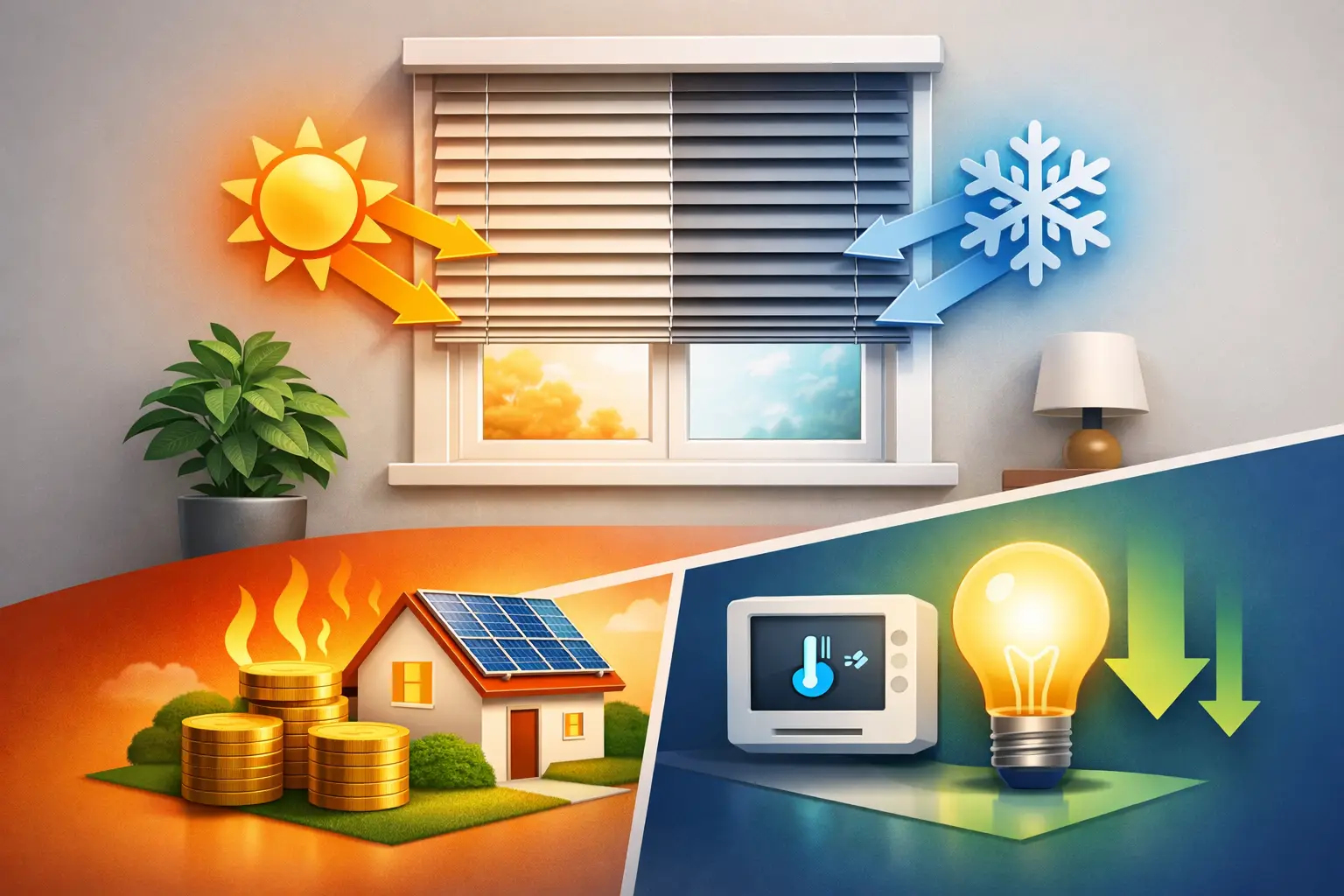
Windows account for a massive amount of heat loss in the winter and heat gain in the summer. Energy-efficient blinds and shades act as a barrier against these temperature fluctuations. Cellular shades made from recycled materials trap air inside their honeycomb pockets. This insulation keeps your home warm in December and cool in July, which dramatically lowers your reliance on heating and cooling systems.
Reduced Carbon Footprint
Every sustainable purchase you make removes demand for fossil fuels. When you buy renewable materials like bamboo or recycled fabrics, you actively lower greenhouse gas emissions. You also prevent plastic waste from accumulating in global ecosystems. Small choices in your home design create a ripple effect that benefits the entire planet.
Improved Indoor Air Quality
Traditional synthetic curtains often undergo treatments with volatile organic compounds (VOCs). These chemicals slowly release gases into your home over time, causing headaches and respiratory issues. Eco-friendly window coverings use natural dyes and non-toxic finishes. By installing these chemical-free options, you ensure your family breathes clean, healthy air every single day.
Long-Term Durability and Cost Savings
Sustainable materials boast incredible strength. Bamboo and linen outlast cheap plastic blinds by many years. While you might pay a slightly higher price upfront, you will save money over time. You replace these high-quality coverings less frequently. Furthermore, the insulation properties slash your monthly utility bills, putting money back into your pocket.
Eco-Friendly Design Ideas for Modern Homes
Green home decor never requires you to sacrifice style. You can easily achieve a high-end, sophisticated look using environmentally friendly materials.
Minimalist Natural Looks
Embrace the beauty of raw textures. Hang unbleached linen panels from a sleek metal rod to create an airy, minimalist vibe. Pair this look with natural wood furniture and thriving house plants. The neutral tones of natural fibers complement almost any color palette, making them incredibly versatile for modern interiors.
Layered Window Treatments
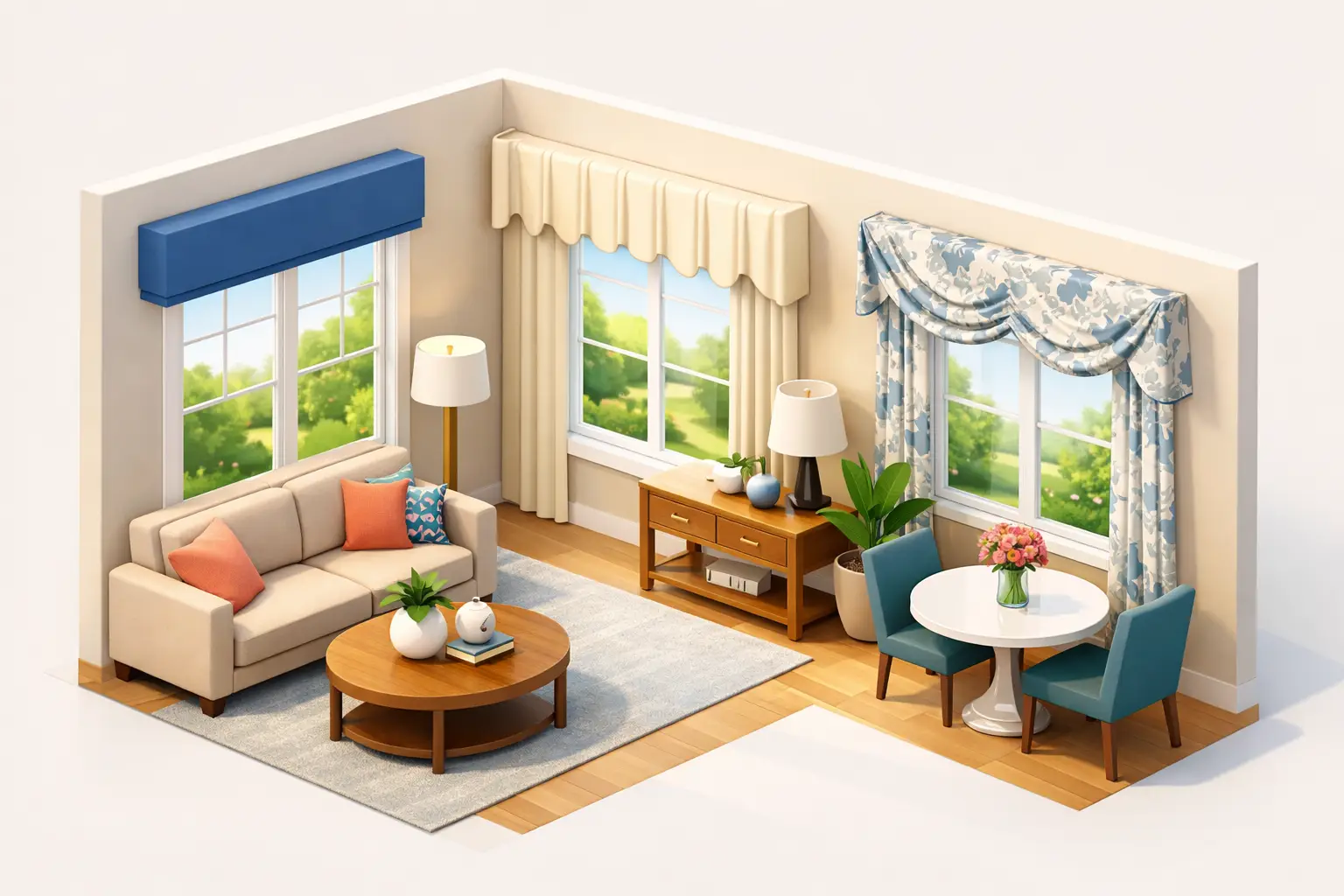
Layering adds depth and luxury to your windows. Start with an energy-efficient bamboo roman shade as your base. Then, frame the window with flowing organic cotton curtains. This strategy gives you precise control over your privacy and lighting. You can close the bamboo shades during the hottest part of the day and pull the curtains shut for cozy evenings.
Light Control and Thermal Efficiency
Maximize your home’s natural resources through smart design. Install light-filtering cellular shades in rooms that receive direct sunlight. These shades block harmful UV rays from fading your furniture while still brightening the space. For bedrooms, select heavy recycled-polyester blackout curtains to block streetlights and trap warmth during winter nights.
How to Choose the Right Sustainable Window Coverings
Selecting the perfect window treatment requires a bit of strategic planning. Consider these essential factors before making your purchase.
Climate Considerations
Examine your local weather patterns. If you live in a scorching climate, prioritize solar shades made from eco-friendly materials to block intense heat. If you face freezing winters, choose thick, insulating cellular shades or heavy organic cotton drapes. Match your material to your climate to maximize your energy savings.
Room Usage
Different rooms demand different functionalities. Kitchens and bathrooms experience high humidity, so moisture-resistant recycled eco-blends work best in those spaces. Bedrooms require complete darkness, making thick linen or recycled blackout fabrics ideal. Reserve delicate organic cottons for formal dining spaces or quiet home offices.
Maintenance and Lifespan
Evaluate how much time you want to spend cleaning. Bamboo shades require a simple dusting, while organic cotton curtains need occasional machine washing. Read the manufacturer instructions carefully. Choose materials that fit your lifestyle so you can properly maintain them and extend their lifespan.
Common Mistakes to Avoid
Many homeowners accidentally make poor choices when shopping for green products. Keep an eye out for these frequent pitfalls.
Choosing Style Over Sustainability
Never let a trendy pattern blind you to poor manufacturing. Some brands hide toxic dyes and synthetic blends behind beautiful designs. Always investigate the materials list before you buy. You can easily find options that offer both stunning aesthetics and true environmental benefits.
Ignoring Certifications
Do not take marketing claims at face value. Look for official environmental certifications to verify a company’s claims. Organizations like OEKO-TEX, Global Organic Textile Standard (GOTS), and the Forest Stewardship Council (FSC) rigorously test products. These labels guarantee that your window coverings meet strict sustainability standards.
Low-Quality Synthetic Materials
Avoid ultra-cheap plastic blinds at all costs. Manufacturers produce these flimsy products using petroleum, and they frequently break within a year. Once they break, they head straight to the landfill. Invest in durable, natural materials that will stand the test of time and add real value to your home.
Conclusion
Eco-friendly window coverings transform your living space into a stylish, sustainable sanctuary. By choosing renewable materials like bamboo, organic cotton, and linen, you directly support ethical manufacturing and environmental conservation. These high-quality treatments lower your energy bills, improve your indoor air quality, and bring gorgeous natural textures into your rooms.
Take the next step in your sustainable interior design journey today. Evaluate your current windows, identify areas where you lose energy, and upgrade to sustainable window treatments. Every green choice you make helps build a healthier home and a much happier planet.