You already talk to your thermostat, control your lights from your phone, and let a robot vacuum your floors. Yet, you likely still walk around your house manually yanking on plastic cords to open and close your blinds.
Home technology evolved rapidly, but window treatments largely stayed in the past. That changes completely as we push deeper into smart home automation 2026. Homeowners now realize that smart window coverings offer much more than a neat party trick.
These advanced systems actively manage your home’s temperature, protect your privacy, and elevate your daily routine. They represent the missing link in true whole-house climate and security control.
Let’s explore exactly how automated blinds and curtains transform modern living spaces, what you need to know before buying them, and why they qualify as the next essential upgrade for your home.
What Are Smart Window Coverings?
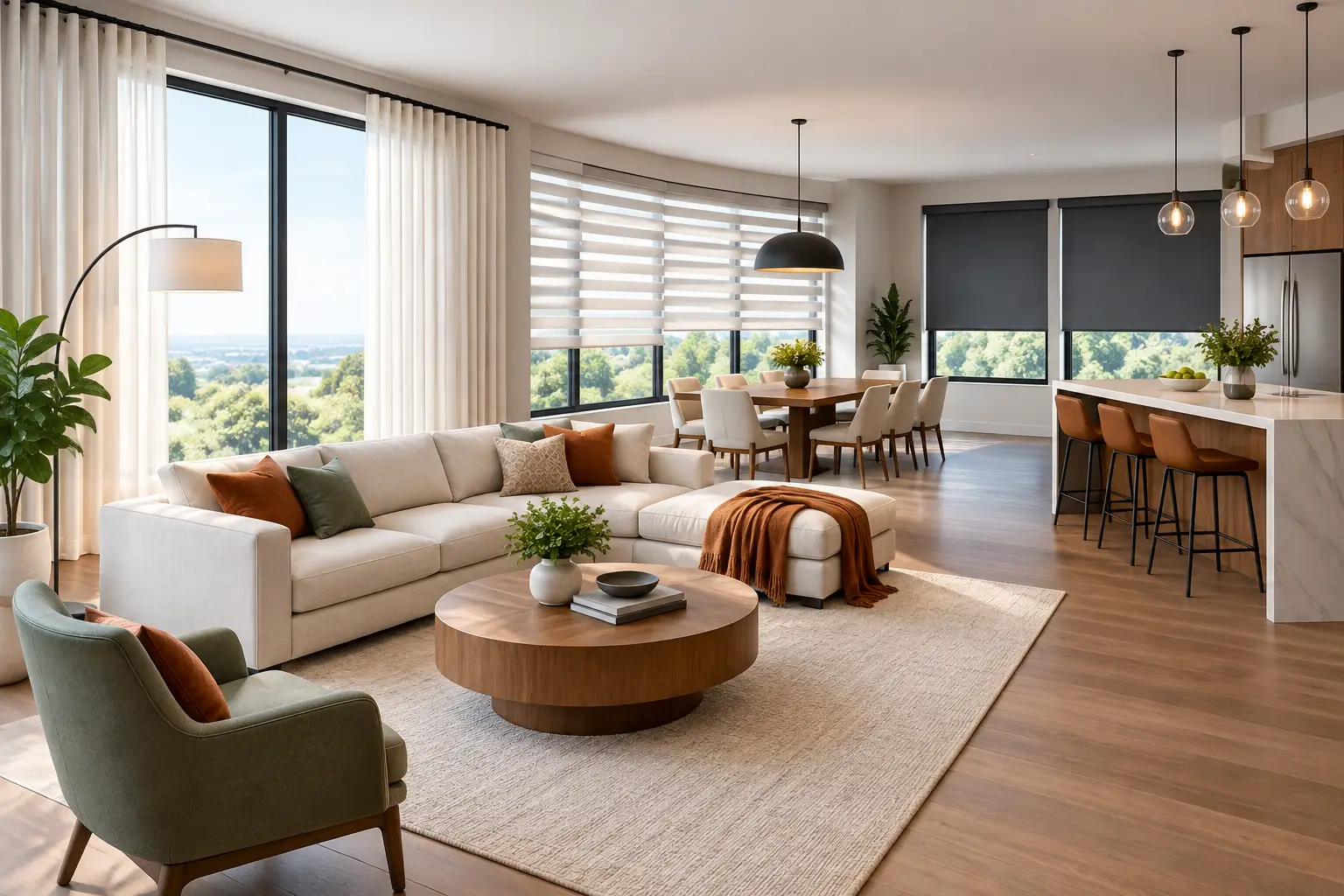
Smart window coverings include any blinds, shades, or curtains equipped with built-in motors and wireless connectivity. These devices connect directly to your home network, allowing you to operate them without touching a single cord or wand.
Manufacturers hide small, whisper-quiet electric motors inside the headrail or roller tube. These motors communicate via Wi-Fi, Bluetooth, Zigbee, or Matter protocols. This wireless connection links the window treatments to your smartphone, a dedicated remote, or a central smart home hub.
You can choose from several distinct types of smart window treatments:
- Motorized shades: Cellular shades and roller shades that roll up or fold neatly into a top casing.
- Smart blinds: Traditional wood, faux wood, or aluminum blinds that tilt their slats automatically to control glare.
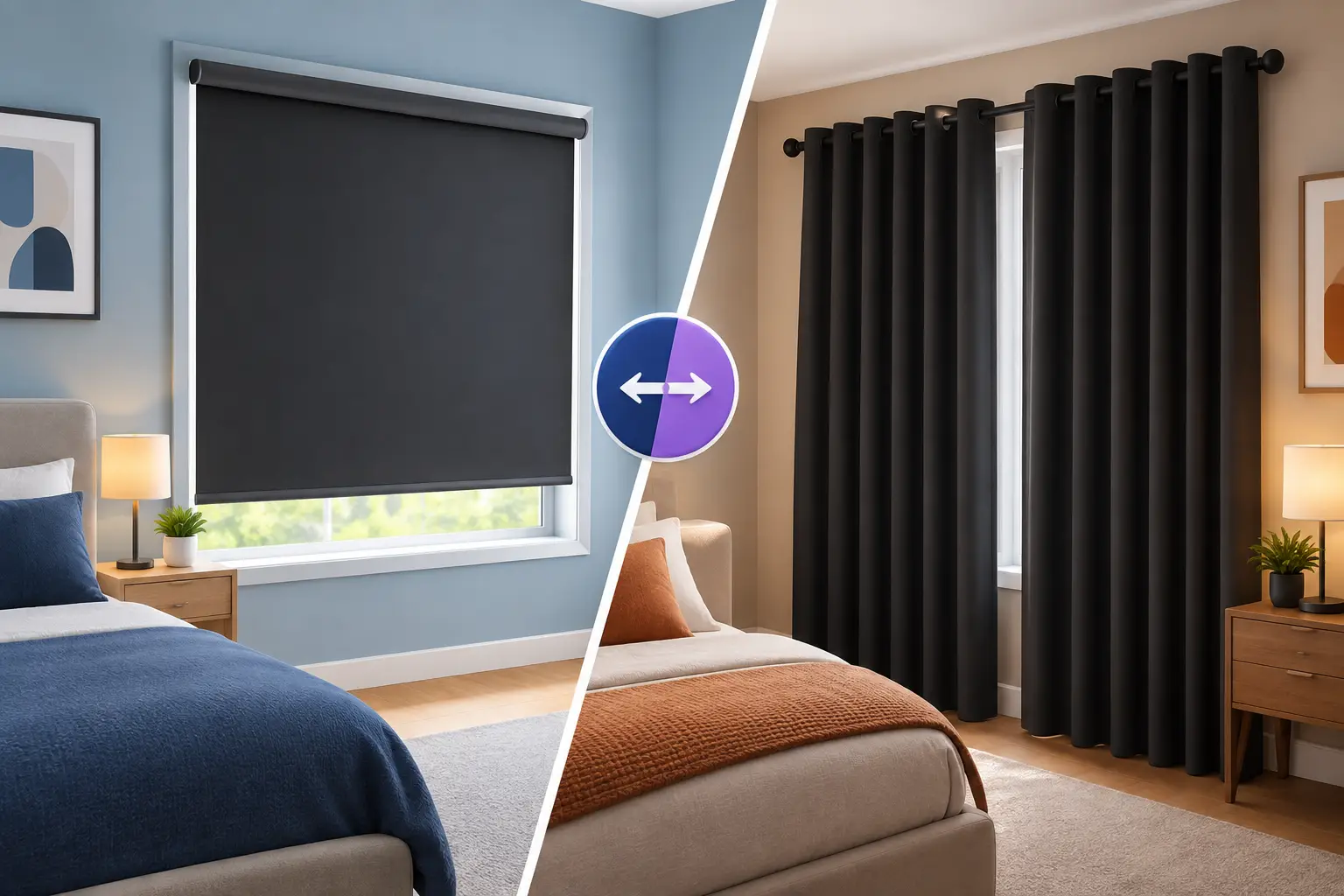
- Automated curtains: Motorized tracks that pull heavy drapery open and closed along your windows.
Instead of manual adjustments, these systems rely on digital commands. They incorporate built-in sensors, connect to weather forecast data, and communicate with other smart devices in your home to decide exactly when to open or close.
How Automation is Transforming Modern Homes
Upgrading to smart window coverings completely changes how you interact with your living space. You stop treating your windows as static fixtures and start using them as dynamic parts of your home environment.
Voice Control Convenience
You no longer need to interrupt your cooking or get out of a comfortable bed to adjust the lighting. You simply tell Amazon Alexa, Google Assistant, or Apple Siri to “close the living room blinds.” The voice assistant relays the command instantly, and the motors do the heavy lifting.
Seamless App-Based Control
Smartphone apps give you total command over every window in your house from anywhere in the world. You can check if you left the bedroom shades open while sitting at your office desk. With a quick tap on your screen, you adjust them immediately to protect your furniture from UV damage.
Intelligent Scheduling and AI
True smart home automation removes the need for human input altogether. You set up customized schedules inside your app. You program your bedroom shades to rise slowly at 7:00 AM to wake you up with natural sunlight. You schedule the first-floor blinds to snap shut exactly at sunset for automatic privacy.
Light and Temperature Sensors
Modern systems take automation a step further by integrating environmental sensors. Temperature sensors detect when a room grows too hot from afternoon sun exposure. They signal your automated blinds and curtains to close automatically, blocking the heat before it overwhelms your air conditioning system.
Key Benefits of Smart & Automated Window Coverings
Homeowners invest in smart home upgrades because they want tangible improvements to their daily lives. Motorized shades deliver massive returns across several key areas of home management.
Unmatched Energy Savings
Windows cause significant heat gain in the summer and heat loss in the winter. Energy-efficient window treatments actively fight this energy waste. By closing automatically during the hottest parts of the day, smart shades drastically reduce your home’s cooling load. In the winter, they open to harvest natural solar heat during the day and close at night to provide extra insulation. This proactive climate control translates directly into lower utility bills.
Enhanced Privacy and Security
Empty houses attract intruders. Smart blinds help you create the perfect illusion that someone remains home while you travel. You program your shades to open and close at random intervals throughout the day. Furthermore, smart home systems instantly shut all first-floor blinds when you activate your security alarm, shielding your valuables from prying eyes.
Lifestyle and Comfort Improvements
Glare on your television screen or computer monitor ruins your relaxation or productivity. Automated window coverings eliminate this annoyance instantly. You press a button on a remote, and the room darkens perfectly for a mid-day movie. You never have to wrestle with tangled cords or struggle to reach windows behind heavy furniture ever again.
Modern Interior Design Appeal
Interior designers love motorized shades because they completely eliminate ugly, dangling pull cords. This creates a clean, minimalist aesthetic that fits perfectly with modern home decor. Furthermore, removing these cords permanently eliminates a serious strangulation hazard for young children and pets, making your home significantly safer.
Challenges and Considerations
While the benefits look incredible on paper, you must consider the practical realities before outfitting your entire house with smart window coverings.
Installation Complexity
Measuring and installing traditional blinds requires precision. Adding motors, battery packs, and network hubs increases that difficulty exponentially. If you measure a window frame incorrectly, a motorized shade will grind against the drywall and burn out its motor. Many homeowners choose professional installation to ensure perfect alignment and proper network configuration.
Upfront Cost vs. Traditional Coverings
Prepare for a significant investment. Motorized shades easily cost two to three times more than their manual counterparts. A single smart roller shade might cost $300 to $600 depending on the fabric and motor brand. Outfitting an entire living room quickly pushes the budget into the thousands.
Smart Home System Compatibility
Not all smart blinds talk to all smart home hubs. You must verify compatibility before buying. If you use Apple HomeKit, you must specifically hunt for Matter-compatible or HomeKit-certified shades. Buying a proprietary system that refuses to communicate with your existing smart thermostat defeats the purpose of whole-home automation.
Maintenance and Power Options
Motors require electricity. You must decide how to power your smart window coverings.
- Battery-powered: Easy to install, but you must recharge or replace the batteries every 6 to 12 months.
- Solar-powered: Small solar panels stick to the glass and charge the batteries automatically, but they require direct sunlight.
- Hardwired: The most reliable option, but pulling electrical wire to every window requires an electrician and significantly increases installation costs.
Future of Smart Window Coverings in 2026 and Beyond
The technology behind window treatments moves incredibly fast. As we look through 2026 and into the future, several exciting advancements stand out.
AI-Driven Automation
Artificial intelligence now analyzes your daily habits. Future smart hubs will learn that you always close the home office blinds at 2:00 PM to block a specific glare. After a few weeks of observation, the AI will automate this action without requiring you to set up a manual schedule.
Smart Energy Optimization
We see tighter integration between smart window coverings, smart thermostats, and local weather forecasts. Your smart home will anticipate a massive heatwave by reading the local weather data. It will pre-emptively close every south-facing shade in your house hours before the temperature spikes, ensuring maximum energy conservation.
Deep Integration with Whole-Home Systems
Window treatments now act as active participants in complex smart home scenes. You trigger a “Goodnight” routine, and your house locks the doors, arms the security system, drops the thermostat, turns off all interior lights, and simultaneously lowers every shade in the house.
Conclusion
Smart window coverings officially transitioned from luxury novelties to practical necessities. They solve real household problems by slashing energy waste, protecting your privacy, and eliminating minor daily frustrations.
While the initial investment requires careful budgeting, the long-term benefits easily justify the cost. Automated shades make your home more comfortable, more secure, and noticeably cheaper to heat and cool.
As you plan your next round of home improvements, look past the paint colors and new flooring. Consider bringing your windows into the modern era. Upgrading to smart window coverings fundamentally improves how you experience your home every single day.