A wall of west-facing windows can make a beautiful Great Falls living room feel unbearable by 4 p.m. – unless the shades are already lowering before the afternoon sun reaches the furniture. That practical, almost invisible response is why smart home shade trends have moved well beyond novelty. Homeowners are choosing motorized window treatments not simply because they can control them with a phone, but because they make their homes more comfortable, more private, and easier to live in.
The best smart shades do not call attention to themselves. They support the way a room looks and works, whether that means preserving a clear view in a Reston great room, darkening a nursery at nap time, or reducing glare across a home office screen. The technology matters, but it should serve the design rather than compete with it.
Smart Home Shade Trends Are Becoming More Intentional
Early motorized shades were often treated as a luxury add-on for hard-to-reach windows. That is still a valuable use case, especially for tall stairwells, vaulted family rooms, and expansive glass walls. But current projects are more intentional. Homeowners are incorporating automation into their daily routines and planning it alongside furniture, lighting, paint, and architectural details.
The shift is toward quiet convenience. A programmed shade can rise gradually in the morning, lower during the hottest hours of the day, and close at dusk for privacy. Instead of adjusting several cords and chains throughout the house, homeowners can manage rooms individually or group shades by floor, exposure, or activity.
This is especially appealing in Northern Virginia homes where large windows are a major design feature. Those windows deserve treatments that preserve their scale and beauty without sacrificing comfort. Custom motorized roller shades, Roman shades, cellular shades, woven woods, and drapery tracks can all be part of a smart-home plan when specified correctly.
Clean Lines and Concealed Hardware
One of the strongest design trends is technology that disappears. Homeowners are favoring streamlined shade profiles, concealed brackets, tailored fascia options, and recessed pockets where construction allows. The goal is a finished look that feels architectural, not overly technical.
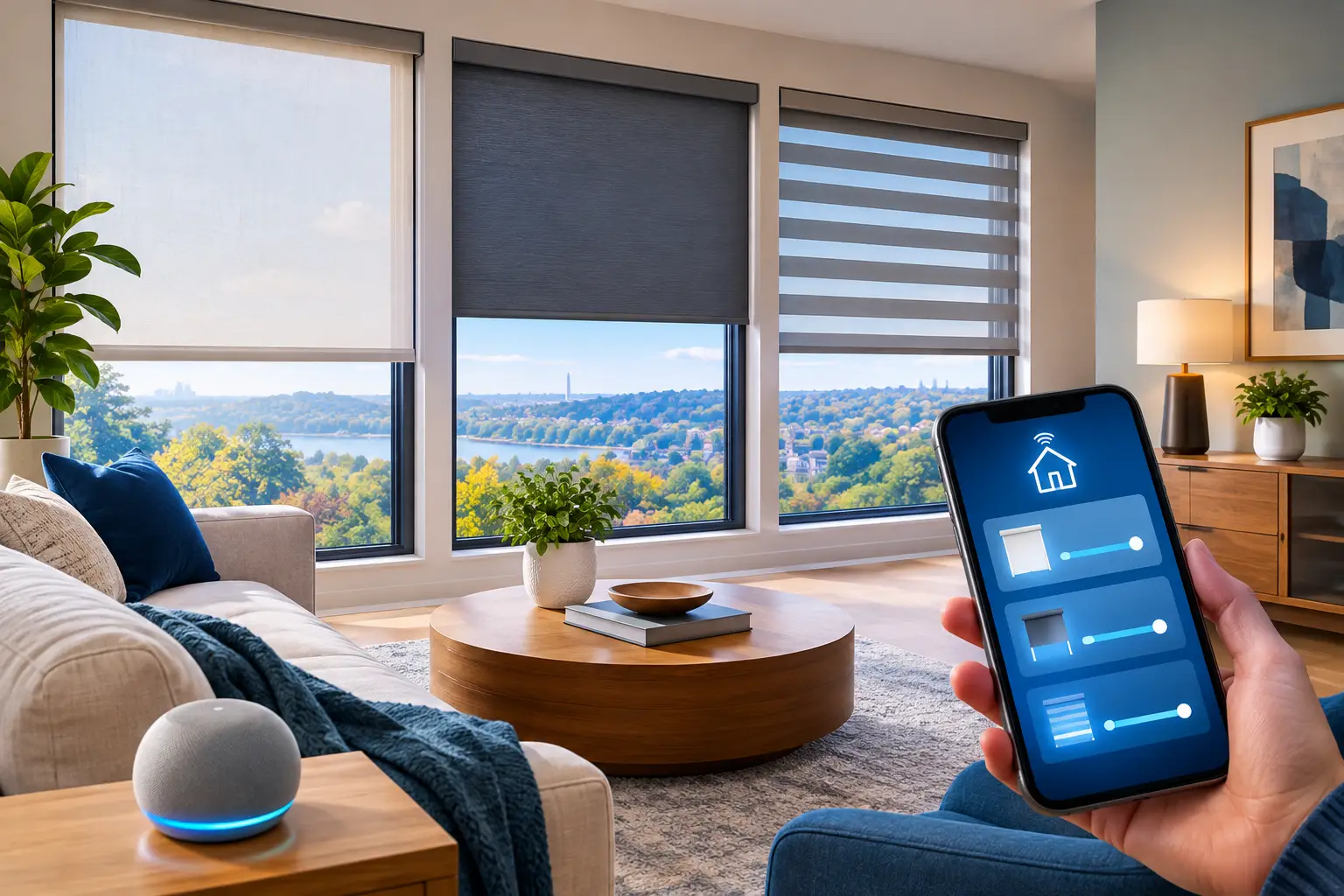
Roller shades remain a popular choice for this reason. They have a clean silhouette, work beautifully in contemporary and transitional interiors, and can be made with fabrics ranging from nearly transparent solar screens to room-darkening materials. In a living room with a carefully selected view, a solar shade can soften harsh light while maintaining daytime visibility. In a media room or bedroom, a blackout roller shade can deliver substantially more light control.
Roman shades are also gaining attention in homes that want softness and texture without giving up motorization. A fabric Roman shade can bring warmth to a dining room, primary bedroom, or sitting area, while a hidden motor handles the daily adjustment. It is a good reminder that smart shading does not have to look modern in a cold or minimal way.
Battery Power Is Expanding the Possibilities
Battery-operated motorized shades have made automation more accessible for existing homes. They avoid the need to open walls or run electrical wiring in many installations, which can make them an excellent option for finished rooms, historic homes, and smaller upgrade projects.
That does not mean battery power is always the best answer. Large or unusually heavy treatments, extensive whole-home projects, and windows that are difficult to access may be better suited to hardwired motors. Hardwired systems offer long-term convenience and can be ideal when a renovation or new construction project already includes electrical planning.
Rechargeable battery options, solar charging accessories, and improved motor efficiency have reduced maintenance compared with older systems. Still, homeowners should ask practical questions during the design stage: How often will batteries need attention? Is the shade high enough that servicing it could be inconvenient? Will the fabric, window size, or treatment style affect motor choice? A custom recommendation is more useful than assuming one power source fits every window.
Privacy and Light Are Being Zoned by Room
The most successful smart shade plans rarely use the same material everywhere. A home has different privacy needs, sun exposures, and activities throughout the day, so window treatments should respond accordingly.
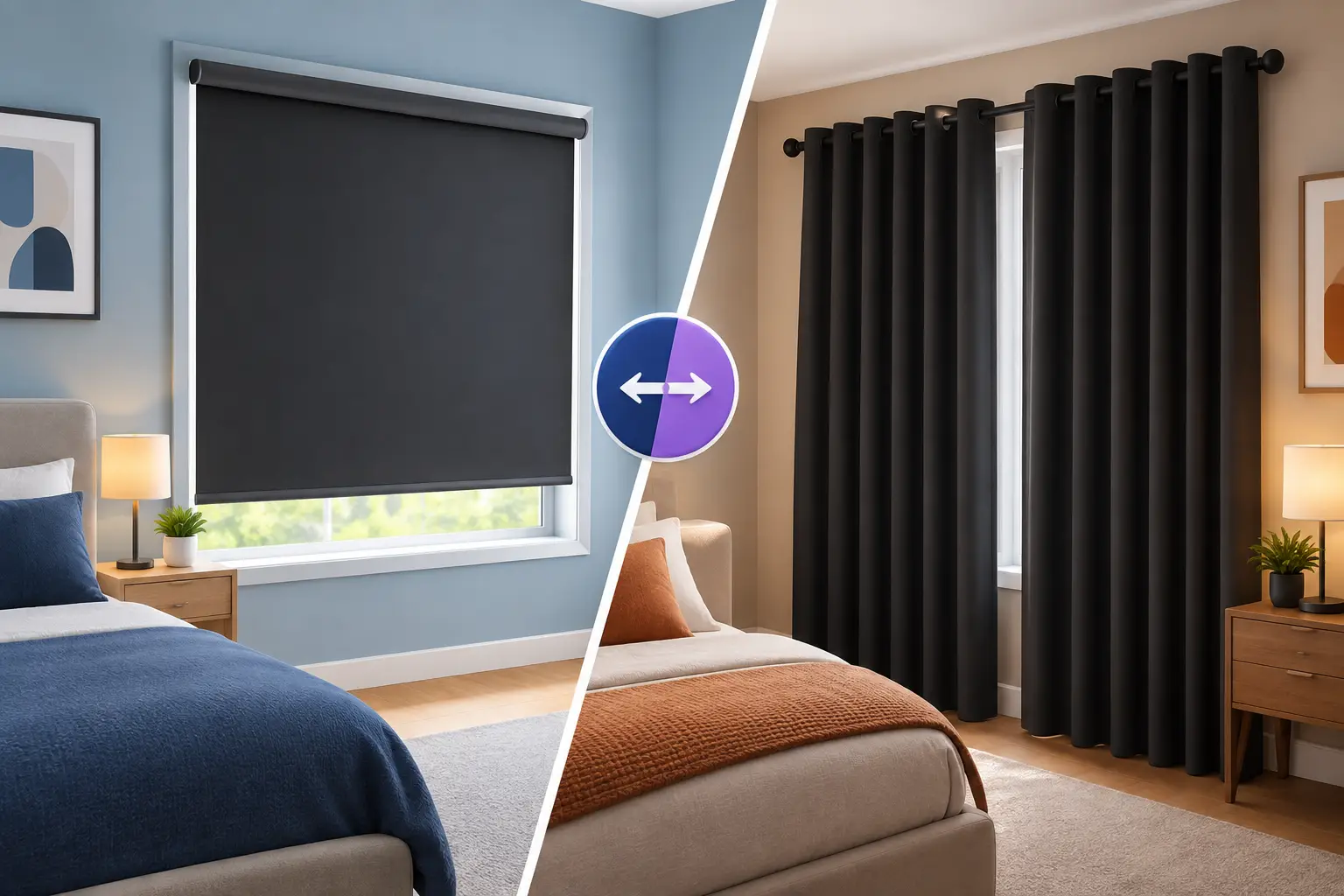
In open living spaces, homeowners often choose solar shades for daytime glare reduction and pair them with side panels or drapery for added softness and nighttime privacy. Bedrooms may call for blackout or room-darkening shades, particularly for families with young children, shift workers, or anyone who wants a truly darker sleeping environment. Bathrooms and street-facing rooms benefit from privacy-focused fabrics that still allow pleasant filtered light.
This room-by-room approach is a defining part of current smart home shade trends. Rather than purchasing a single product category for every window, homeowners are creating layered solutions. The result feels more considered, performs better, and avoids the common disappointment of a shade that looks right but does not provide enough privacy or light control.
Energy Efficiency Is Getting More Specific
Motorized shades are often associated with energy savings, and they can help reduce solar heat gain when used strategically. But the value depends on the window orientation, glass type, fabric openness, insulation needs, and schedule programming.
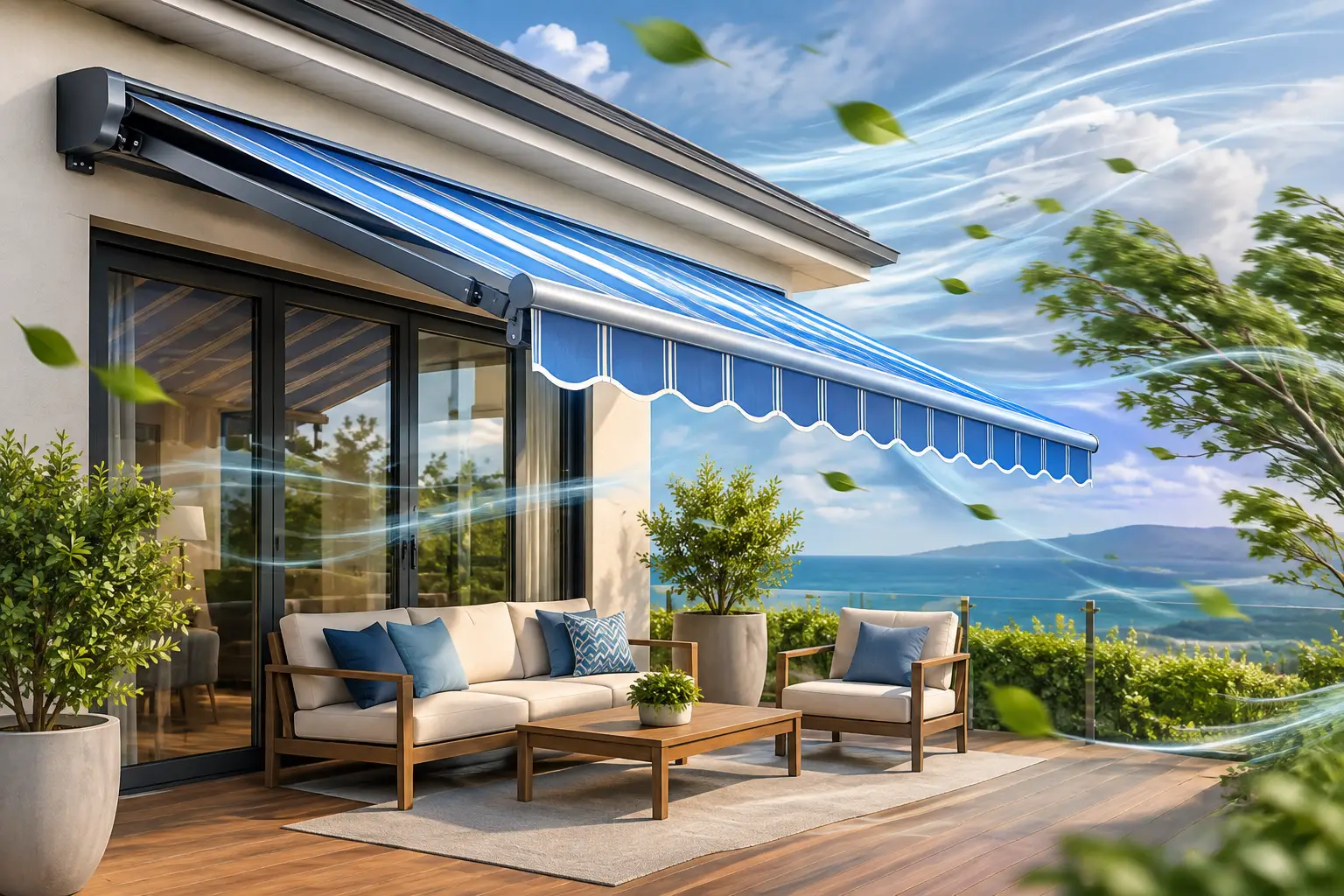
For example, a solar shade on a sunny south- or west-facing window can help limit glare and heat during peak afternoon hours. Cellular shades can add insulation and may be a stronger fit where thermal performance is the main concern. Exterior shades and awnings can be particularly effective for blocking heat before it reaches the glass, making them worth considering for patios, large glass openings, and commercial spaces.
Automation makes these benefits easier to maintain. A shade that closes on schedule is more likely to do its job than one that depends on someone remembering to adjust it every day. Still, energy efficiency should be viewed as one part of the decision, not the only reason to choose a product. The right fabric color, opacity, and style must also work with the room’s design and the amount of natural light you want to keep.
Voice Control Is Useful, but Scheduling Is Better
Voice assistants and smartphone apps get much of the attention, but scheduled scenes are often the feature homeowners use most. A “morning” setting might raise bedroom shades and leave a kitchen solar shade partly lowered. An “away” setting can close selected shades for privacy and sun protection. A “movie” setting can lower the shades in a family room without interrupting the evening.
Voice control remains helpful when hands are full, when mobility is limited, or when a shade is across the room. Yet a well-designed system should not require you to speak a command every time the sun moves. Automation is most valuable when it anticipates a predictable need.
Integration also deserves a realistic conversation. Some homeowners want shades that work within a larger home-control system, while others prefer a simple remote and app. Both are valid. Adding complex controls to a modest project can increase cost without improving daily life, while a carefully integrated system can be worthwhile in a larger home with many shades, lighting scenes, and sophisticated routines.
Natural Textures Are Softening Smart Interiors
Smart functionality is increasingly paired with materials that feel warm and personal. Woven wood shades, linen-look fabrics, tailored Roman shades, and drapery are popular because they counterbalance the clean surfaces found in many renovated kitchens and open-plan homes.
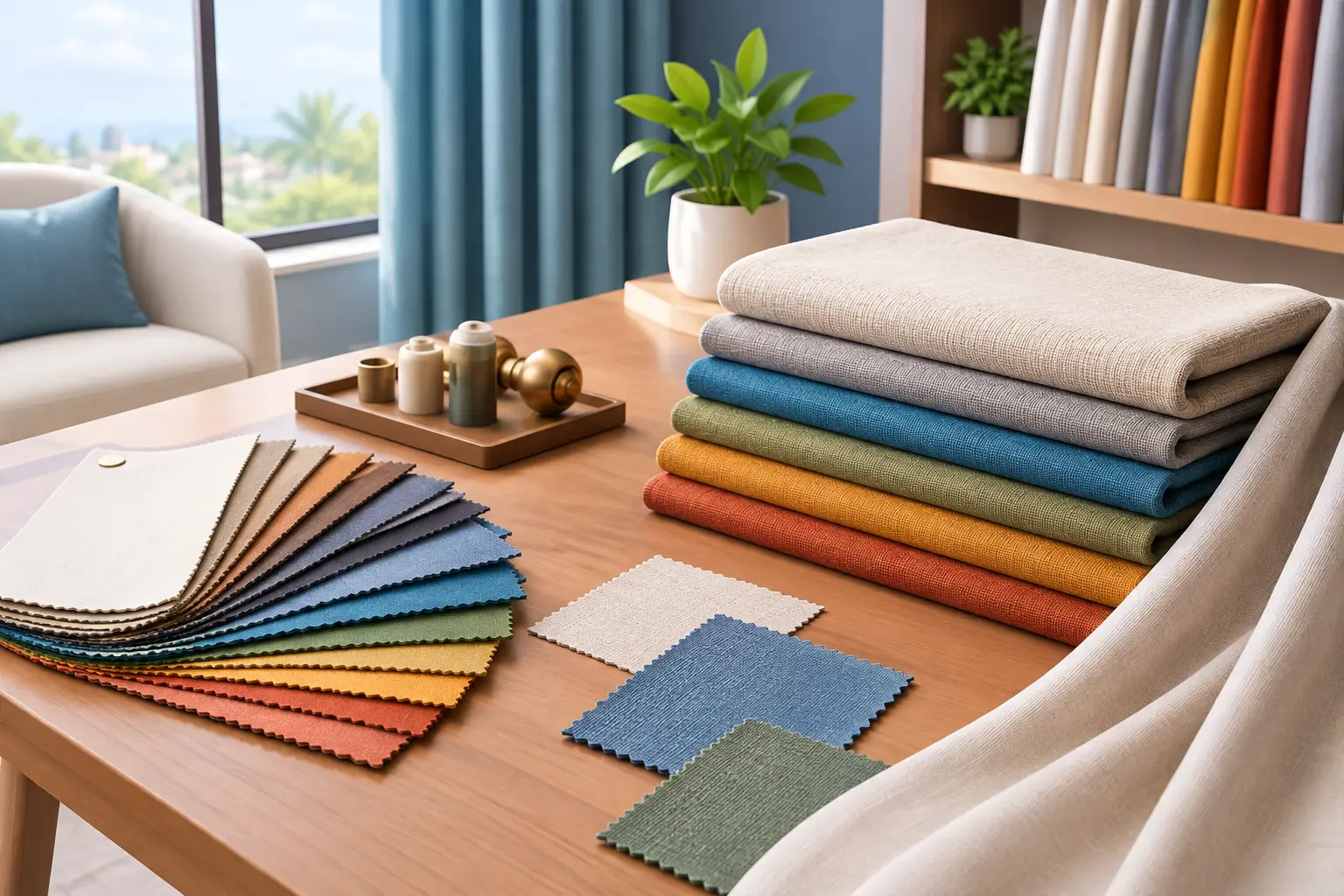
This is where custom design makes a visible difference. A fabric sample viewed against your flooring, paint, cabinetry, and natural light will tell you far more than a small online image. The same is true of opacity. A fabric may look light and airy in a sample book but appear much darker when it covers a large bank of windows.
Layering is another enduring choice. A motorized shade handles function, while drapery adds scale, softness, and a finished designer look. This combination works particularly well on large windows and sliding doors, where a single treatment can sometimes feel visually incomplete.
Professional Measurement Protects the Investment
Smart shades have more variables than manual shades. Window measurements must be precise, but so do mounting depth, obstructions, sill clearance, fabric roll direction, power access, and control placement. A beautiful motorized treatment can underperform if it has light gaps that were not anticipated or if a nearby handle prevents proper operation.
Professional installation also matters for alignment, programming, and protecting the finish of your windows and trim. For homeowners who want a polished result without the trial-and-error of online ordering, an in-home consultation provides a practical advantage. Covering Windows can show samples in your actual light, discuss the trade-offs between products, and build a plan that fits both your home and budget.
The right smart shades should make your home feel calmer, not more complicated. Start with the rooms where sunlight, privacy, or difficult-to-reach windows affect your day most, then choose technology and fabrics that make those spaces feel as beautiful as they are functional.