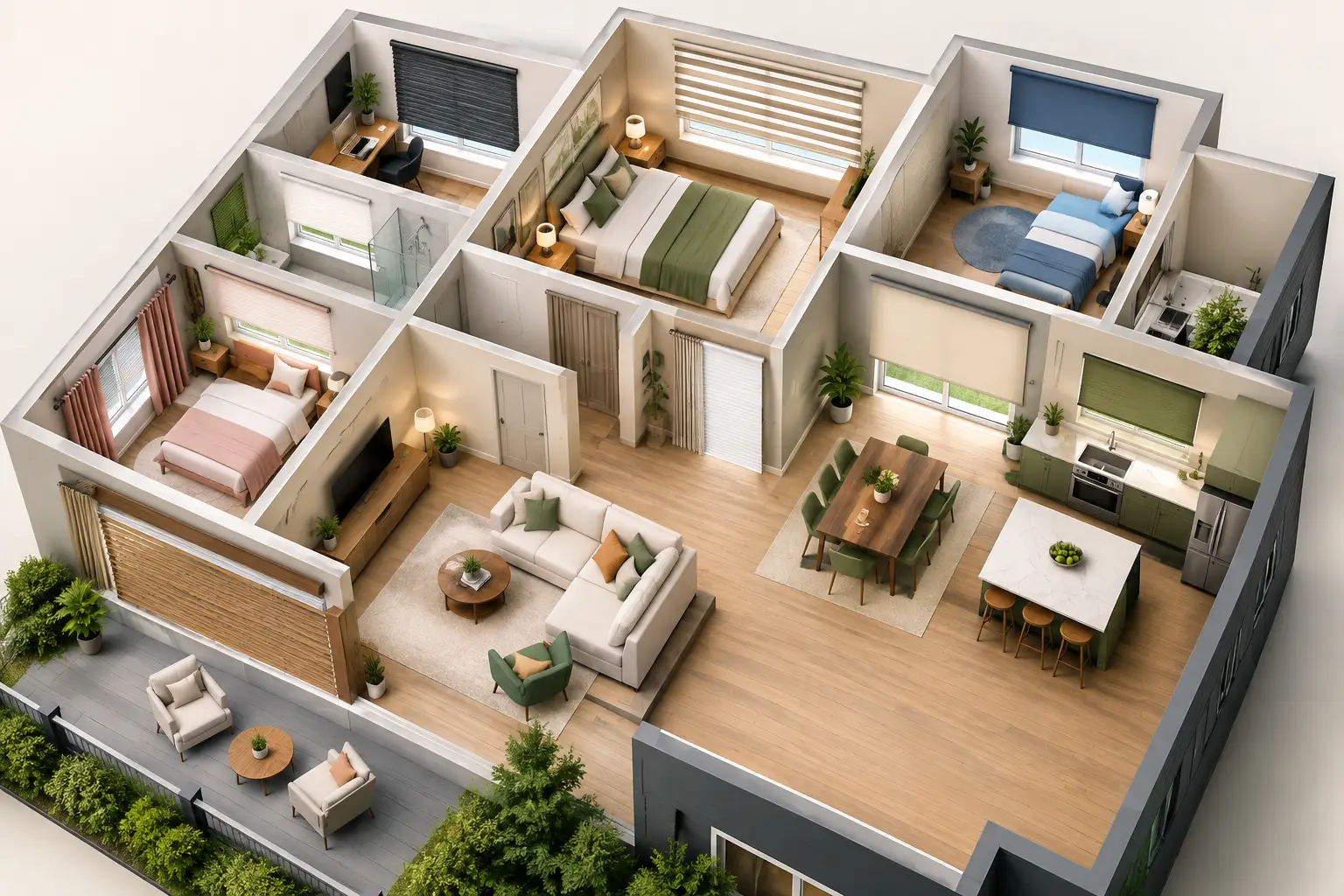

A blind can look perfect in a showroom and still feel wrong once it is installed in your home. The color shifts in your natural light. The slats feel too heavy for the room. The lift style is less convenient than you expected. That is why knowing how to choose window blinds starts with more than style alone – it starts with how you live in the space.
The best blinds balance function, appearance, and fit. In a busy Northern Virginia household, that usually means thinking through privacy, glare, insulation, child safety, maintenance, and how the finished window will work with the rest of the room. When those pieces line up, blinds stop feeling like a basic necessity and start looking like a true upgrade.
How to choose window blinds without guessing
Most homeowners begin with material or color, but the smarter approach is to work from the room outward. A bedroom has different demands than a breakfast nook. A street-facing living room needs a different privacy solution than a back office. Once you define what the window needs to do, the right product category becomes much easier to identify.
Start with light control. If the room gets intense afternoon sun, you may want blinds that tilt precisely and reduce glare without darkening the space too much. If you need room-darkening conditions for sleep or media viewing, blinds alone may help, but shades or drapery layers might do a better job. This is where many online purchases go wrong – the product may be attractive, but it does not actually solve the problem that prompted the purchase.
Privacy is next. Some homeowners want full privacy at night but still want daylight during the day. Others need a stronger barrier all the time, especially on first-floor windows or homes with close neighbors. Blinds give you flexible control because you can angle the slats, but the amount of privacy depends on slat size, material, and how the window is positioned.
Then there is the design question. Blinds should support the architecture of the room, not compete with it. Clean-lined faux wood or aluminum blinds often work well in more contemporary spaces, while wood blinds bring warmth and a furniture-like finish that elevates traditional interiors, studies, and formal rooms. If your home has a more refined look, custom sizing and curated finishes make a noticeable difference.
Choose the right blind material for the room
Material matters because it affects both appearance and performance. This is one of the biggest decision points when choosing blinds.
Wood blinds
Wood blinds are a favorite for homeowners who want richness, texture, and a more upscale finish. They complement trim, flooring, and cabinetry beautifully, and they can make a room feel more tailored. In living rooms, dining rooms, and home offices, real wood often gives the most polished result.
The trade-off is that wood is not always the best fit for high-moisture areas. Bathrooms, laundry rooms, and some kitchens may call for a material that is less sensitive to humidity. Wood blinds can also be a larger investment, although many homeowners find the visual payoff worth it.
Faux wood blinds
Faux wood blinds are popular for good reason. They deliver the look of painted wood with better moisture resistance and often a more budget-friendly price point. They are especially practical in kitchens, bathrooms, and homes where durability is a top concern.
That said, not all faux wood products look the same. Lower-grade options can feel bulky or less refined. A well-made custom faux wood blind, properly sized and installed, looks far better than an off-the-shelf version that almost fits.
Aluminum or metal blinds
Aluminum blinds can be a smart solution for modern interiors, commercial spaces, and rooms where you want a slimmer profile. They are lightweight, practical, and often cost-effective. They also work well for windows that do not need the visual weight of wood or faux wood.
The downside is aesthetic. In many upscale homes, aluminum can read more utilitarian unless it is used very intentionally. It may be the right answer for function, but not always for warmth.
Inside mount or outside mount matters more than people think
One of the easiest ways to make blinds look custom is to choose the right mount. This affects appearance, light gaps, and even how large the window feels.
Inside-mounted blinds sit within the window frame. They look clean, tailored, and architectural. Many homeowners prefer this option because it keeps trim visible and gives the room a finished, built-in feel. But the window opening must be deep enough, and measurements need to be exact. Even then, small light gaps at the sides are normal.
Outside-mounted blinds are installed above or beyond the frame. This can make a window appear larger and help reduce side light gaps. It is also the better choice when the frame is shallow or when you want to hide uneven trim. In some rooms, especially bedrooms, an outside mount can improve light control significantly.
There is no universally better option. It depends on the construction of the window, the look you want, and how much light leakage you can tolerate.
Think about operation before you commit
A blind that looks beautiful but feels inconvenient every day will quickly become a frustration. Operation style is not a detail. It is part of the decision.
Cordless lift systems are a strong choice for many homes because they look clean and reduce visible clutter. They are also a safer option for homes with young children or pets. For taller windows or hard-to-reach areas, motorization adds real convenience. This is especially useful in two-story great rooms, stairwells, or homes with large banks of windows where manual adjustment becomes a chore.
Motorized blinds also bring a more luxurious experience. You can adjust light and privacy with minimal effort, and in sun-heavy rooms, that convenience tends to get used more often than homeowners expect. The key is choosing motorization where it solves a real problem, not simply because it sounds impressive.
How to choose window blinds that work with your budget
Budget matters, but the lowest number on paper is rarely the true cost. A blind that arrives in the wrong size, lacks the right features, or needs to be replaced early is not actually a bargain.
A better way to think about budget is to separate must-haves from nice-to-haves. If privacy, durability, and a custom fit are non-negotiable, those should lead the decision. Finish upgrades, decorative tapes, premium slat sizes, or full-home motorization may be worth considering after the essentials are covered.
This is also where professional guidance becomes valuable. Homeowners are often surprised to learn that custom products are not always dramatically more expensive than piecing together retail options, especially once measuring errors, installation time, and product limitations are factored in. A strong consultation helps you invest where it matters and scale back where it does not.
Common mistakes when choosing blinds
The most common mistake is buying based on one sample photo or a tiny swatch without seeing the material in your own home. Natural light changes everything. A white blind can look crisp in one room and stark in another.
Another mistake is treating every window the same. Consistency matters, but so does function. The blind that works beautifully in a formal dining room may be the wrong solution for a steamy bathroom or a sun-filled family room.
Homeowners also tend to underestimate measurement and installation. Window frames are not always perfectly square. Trim details can interfere with fit. Mounting hardware needs to be secure and level. These are small things until they affect the final look. Then they become the only things you notice.
The best blind is the one that fits your life
There is no single best blind for every home. The right choice depends on how much sun the room gets, how private the space needs to be, what style you want to create, and how hands-on you want to be with daily operation. Good design lives in those details.
For many homeowners, the easiest path is to see full-size samples in the actual room, compare materials side by side, and get expert input before ordering. That removes a lot of the guesswork and helps you choose with confidence. At Covering Windows, that is exactly where the process becomes easier – not because there are fewer options, but because the right options become clear.
If you are choosing blinds for a home you care about, slow down just enough to get it right. The difference between a decent window covering and one that truly belongs in the room is usually not luck. It is thoughtful selection, guided by how you want your home to look and feel every single day.