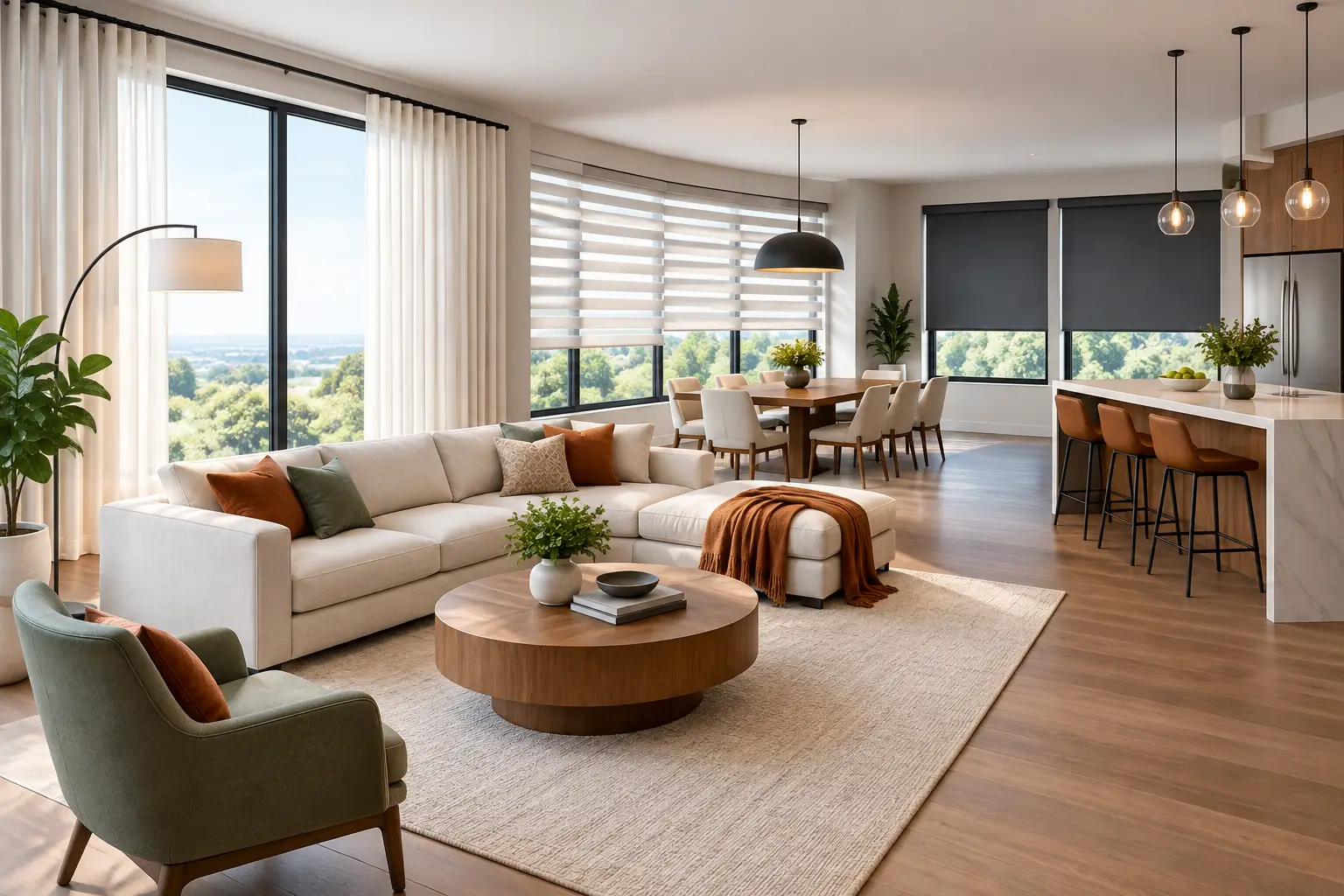
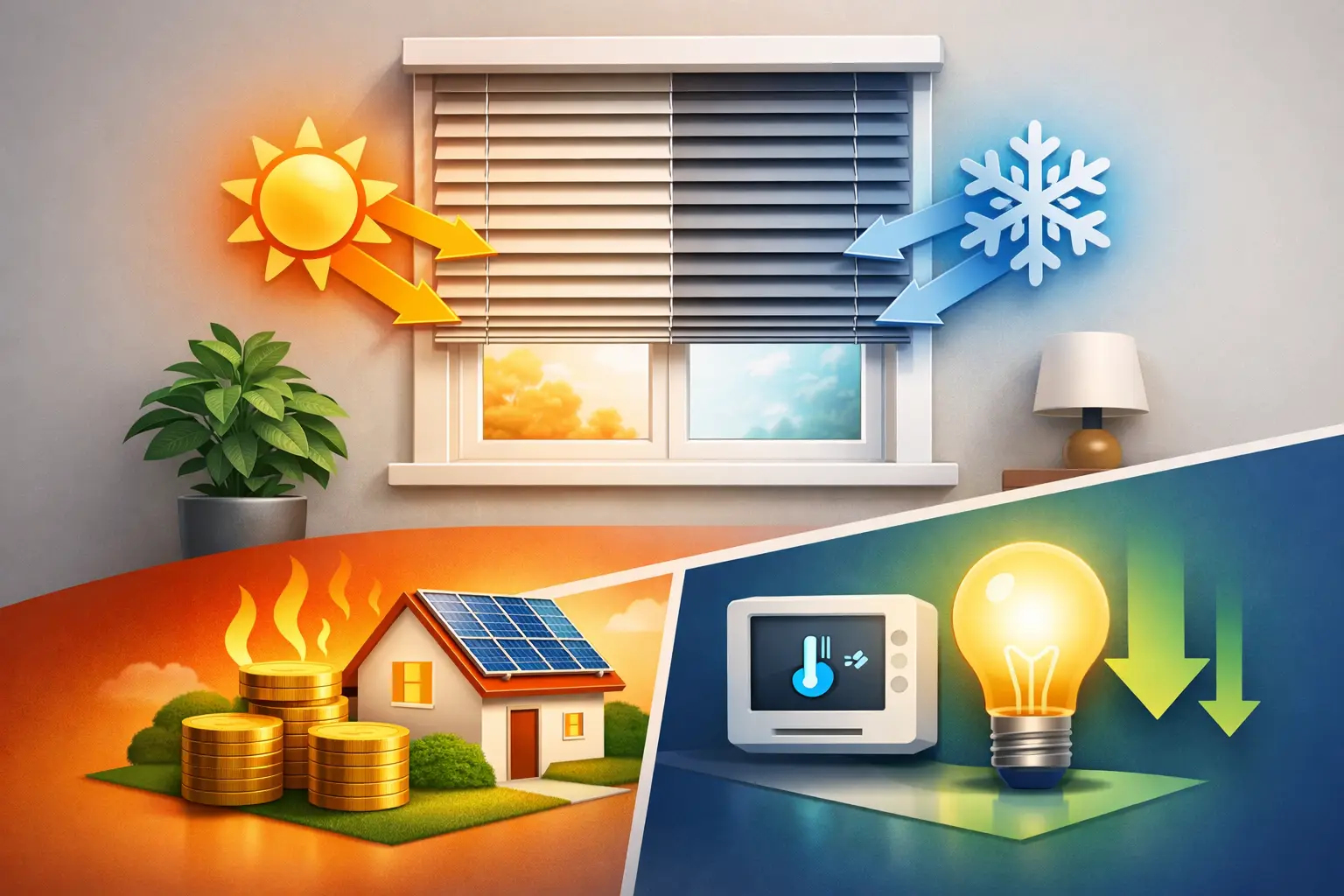
A west-facing family room in Northern Virginia can feel like a greenhouse by midafternoon in July, even when the air conditioning is running hard. So, can blinds reduce energy bills? Yes, when the treatment is selected for the window, fitted properly, and used with the season in mind. The results are not magic, and no window covering can make up for failed seals or poor insulation, but the right custom solution can reduce solar heat gain, limit winter heat loss, and make the rooms you use every day feel noticeably more comfortable.
For homeowners balancing beautiful interiors with practical household costs, that matters. Window treatments are not just a finishing touch. They are a working layer between your home and the heat, glare, and temperature swings outside.
How Can Blinds Reduce Energy Bills?
Windows are one of the most active surfaces in a home. In summer, sunlight passing through uncovered glass adds heat to the room, making your cooling system work longer. In winter, interior warmth moves toward the colder glass. The effect is especially noticeable near large picture windows, sliding doors, bay windows, and rooms with southern or western exposure.
A well-chosen blind, shade, shutter, or drapery changes that equation in two ways. It blocks or reflects a portion of incoming solar energy, and it creates a pocket of air between the room and the glass. That air layer can slow heat transfer. The more completely a treatment covers the window and the more insulating its construction, the greater the potential benefit.
The word “blinds” covers a wide range of products, though, and they do not all perform the same way. A basic aluminum blind with wide gaps will manage glare and privacy, but it will not insulate like a close-fitting cellular shade. Likewise, a gorgeous sheer shade may soften harsh light while allowing meaningful solar warmth into the room. The right answer depends on your window orientation, how the room is used, your existing glass, and what you want the finished space to look like.
The Window Treatments That Make the Biggest Difference
Cellular shades hold insulating air at the window
Cellular shades, often called honeycomb shades, are among the strongest interior choices for insulation. Their pockets trap air in a series of cells, creating a barrier between the room and the window. Double-cell designs typically provide more insulation than single-cell styles, although they also have a fuller appearance.
They are particularly useful in bedrooms, nurseries, home offices, and other spaces where you want a softer look, better light control, and help with chilly winter windows. Top-down/bottom-up operation can be a smart addition for homes with close neighbors: daylight enters through the upper portion of the window while the lower section remains covered for privacy.
Plantation shutters add a tailored insulating layer
Custom wood shutters bring architectural presence to a room while adding a durable layer over the glass. When their panels and louvers are closed, shutters help reduce direct sun and create a more protected interior surface. Their performance is best when they are professionally measured and installed to fit the opening cleanly.
Shutters are an excellent fit for formal living spaces, kitchens, primary bedrooms, and distinctive window shapes where homeowners want lasting craftsmanship rather than a temporary solution. They are not always the highest-insulation option for every application, but their close fit, longevity, and ability to manage light make them a valuable part of an energy-conscious design.
Roller and solar shades control heat and glare
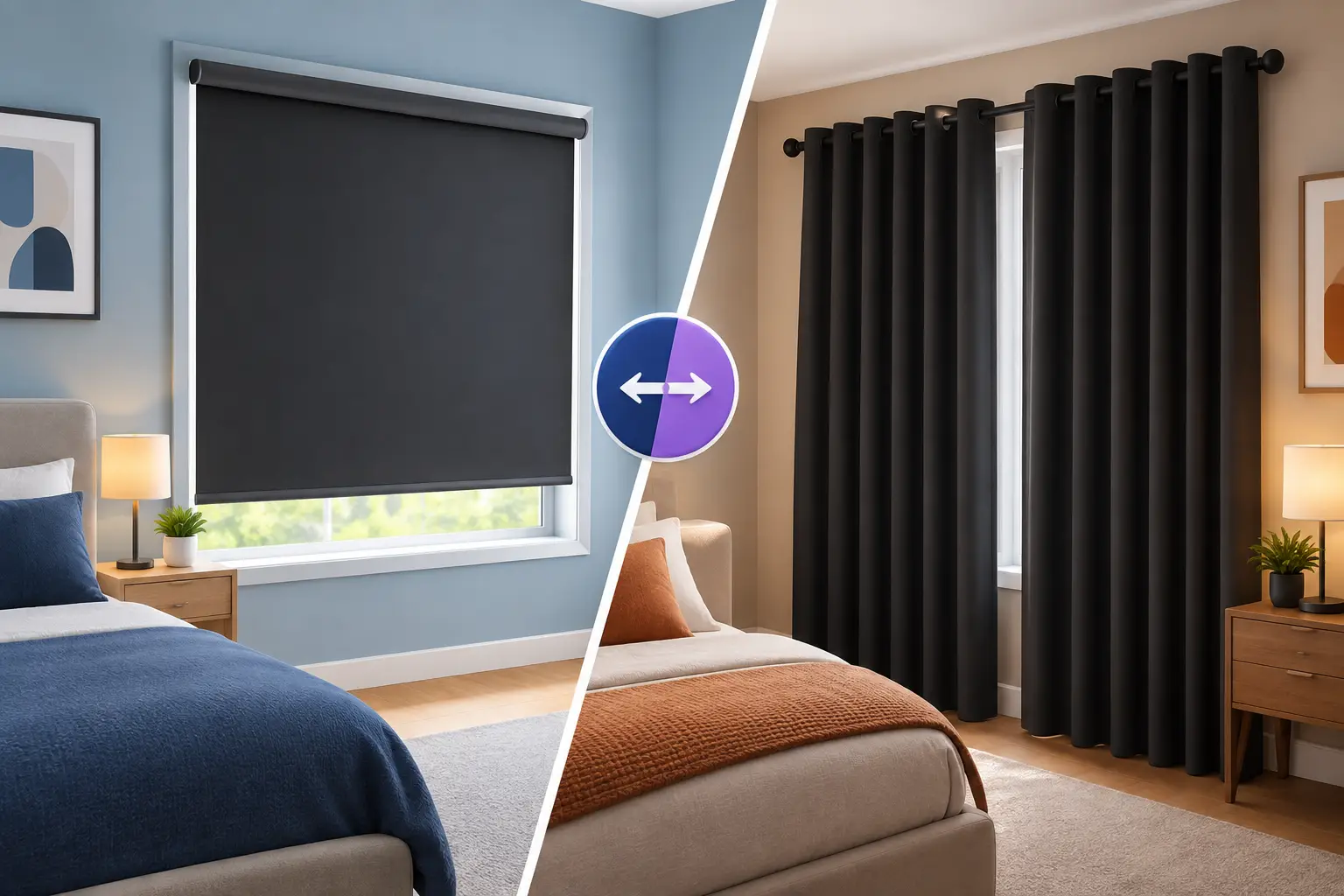
For bright rooms with expansive glass, roller shades and solar shades offer clean lines and highly effective glare control. Solar fabrics are available in different openness levels. A more open weave preserves a clearer view outward but admits more light; a tighter weave provides stronger solar control and more privacy, though the view becomes less defined.
This is a practical choice for home offices where afternoon glare hits computer screens, media rooms with reflections, and contemporary spaces with large windows. Choosing a fabric and openness factor is not simply a design decision. It is a performance decision, especially on south- and west-facing exposures.
Draperies can strengthen the system
Lined draperies add softness, color, and visual scale, but they can also contribute to comfort. Full, properly fitted panels that extend beyond the window frame and sit close to the wall reduce the pathways where warm or cool air can circulate behind the fabric. Pairing drapery with an insulating shade gives homeowners both a polished layered look and more control over light and temperature.
This approach works beautifully in dining rooms, bedrooms, and living areas where a custom design deserves more presence. It also allows you to use a light-filtering shade during the day and close the drapery at night when privacy and insulation matter most.
Exterior shades stop sunlight before it reaches the glass
Interior treatments manage solar energy after it passes through the window. Exterior shades and awnings address the problem earlier by intercepting sunlight before it hits the glass. That can make them especially effective for patios, sunrooms, commercial storefronts, and large west-facing windows that receive intense afternoon sun.
They are not necessary for every home, and they change the exterior appearance of the property. But where heat gain is severe, exterior solar control can be one of the most practical upgrades available.
Fit Matters as Much as Fabric
A shade that leaves wide gaps at the sides, a blind mounted too far from the window, or a drapery panel that barely covers the glass will still look attractive. It simply will not control heat as effectively as a treatment designed around the opening.
Inside mounts offer a clean, integrated appearance, but they require accurate measurements and enough window depth. Outside mounts can cover more of the frame and reduce light gaps, which is often useful when privacy, room darkening, or insulation is the priority. Door handles, window cranks, molding, tilt-in windows, and specialty shapes all affect the best mounting approach.
This is where custom work pays off. Rather than guessing from a product photo or ordering based on a rough tape-measure reading, homeowners can see materials in the actual light of the room and evaluate how a treatment will operate on the finished window. Professional installation also helps ensure the covering closes, stacks, and aligns as intended.
Use Window Coverings Differently in Summer and Winter
The energy benefit of window treatments comes partly from how you use them. In summer, close shades or blinds before strong sunlight reaches the glass, especially on western exposures. Waiting until the room is already hot means the heat has already entered. Motorized shades can make this easier by following a schedule during the hottest part of the day, even when no one is home.
In winter, the strategy can change. Open coverings on sunny days to welcome useful natural warmth, then close them after sunset to reduce the cold feeling near the glass. South-facing windows often provide the most useful winter sun, while north-facing windows may benefit from staying covered more consistently.
That seasonal flexibility is one reason adjustable treatments are so valuable. You are not choosing between a dark home and an uncomfortable home. You are choosing how much light, view, privacy, and heat control the room needs at a particular time.
Set Realistic Savings Expectations
Blinds and shades can reduce the load on heating and cooling equipment, but the size of the savings varies. A home with newer low-emissivity windows, mature shade trees, and moderate sun exposure may see a smaller change than a home with large, unprotected windows facing west. Older windows, oversized glass walls, and rooms that regularly overheat offer more opportunity for improvement.
Treat window coverings as one part of a smart comfort plan alongside efficient HVAC equipment, properly sealed windows and doors, attic insulation, and sensible thermostat settings. Their value also extends beyond the utility bill. Less glare can make a home office more usable. Better solar control can protect flooring, artwork, and furnishings from fading. A more stable room temperature can make a sunny space enjoyable instead of avoided.
For many homeowners, the best choice is not the product with the most technical specification. It is the solution that performs well for the exposure, complements the home, and is easy enough to use every day. A free in-home consultation with Covering Windows can help turn that decision into a finished design that feels luxurious, functions beautifully, and works harder for your home long after installation day.
The most rewarding window treatments do more than cover glass. They let your home welcome the light you love while keeping the heat, glare, and unwanted energy use in check.