A window treatment can look perfect in the showroom and still feel wrong once it is on your wall. In many cases, the issue is not the fabric, color, or product style. It comes down to one early decision: inside mount vs outside mount.
That choice affects how polished the finished window looks, how much light slips in at the edges, how large the window appears, and whether the treatment will even function properly. For homeowners investing in custom shades, blinds, shutters, or drapery, this is not a small detail. It is one of the decisions that shapes the entire result.
Inside mount vs outside mount: what is the difference?
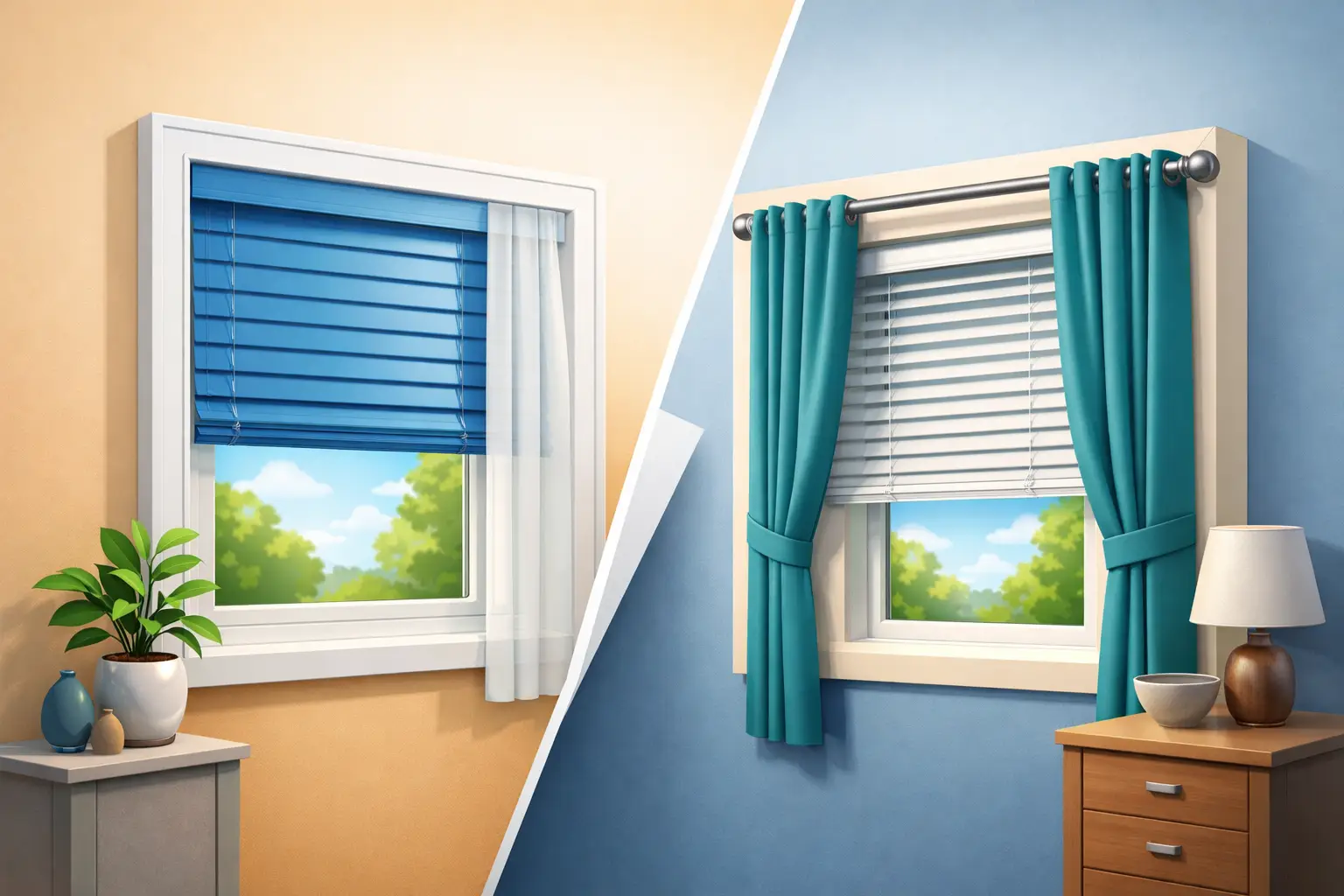
An inside mount is installed within the window frame. The treatment sits inside the opening, creating a tailored, built-in appearance. This is a popular choice when you want to show off attractive trim or keep the profile clean and minimal.
An outside mount is installed outside the frame, either on the wall above the window or directly on the trim, depending on the product and the conditions. This approach gives the window treatment more visual presence and often more coverage.
Neither option is automatically better. The right answer depends on the depth and shape of your window, the product you want, and what matters most to you – tighter light control, architectural detail, softness, drama, or simplicity.
When an inside mount makes the most sense
Inside mounts are often the first choice for homeowners who want a crisp, custom look. They fit neatly into the window opening and tend to work especially well in homes with attractive casing, deeper sills, or a more classic architectural style.
This mount style is a strong fit for wood blinds, many roller shades, cellular shades, and certain Roman shades when the window has enough depth. It keeps the treatment visually contained, which can make a room feel orderly and refined.
There is also a practical advantage. Because the treatment sits inside the frame, it usually stays out of the way of nearby furniture, walkways, or doors. In rooms where space is tight, that can matter more than people expect.
Still, inside mount is not just about looks. It only works well when the window opening cooperates. If the frame is not square, if the depth is too shallow, or if there are cranks, locks, or handles in the way, the finished result may not be as clean as you hoped.
The trade-offs of an inside mount
The biggest compromise is light gap. Because the treatment must clear the frame to operate, there is usually a small space at the sides. That means a little more light can enter around the edges, especially with blinds and shades.
For some rooms, that is no problem. In a kitchen, family room, or living space, those small gaps may be barely noticeable. In a bedroom, media room, or nursery, they can be more frustrating.
Inside mounts also depend on precise measurement. Even beautiful custom products can look off if the window opening is slightly uneven or if the installer has to work around hidden obstructions. That is where professional measuring becomes valuable.
When an outside mount is the better choice
Outside mounts solve a different set of problems. They are often the smarter option when the window frame is shallow, the opening is uneven, or better coverage is the goal.
Because the treatment extends beyond the actual glass area, an outside mount can reduce light leakage and improve privacy. It can also make a window appear larger or taller, which is a useful design move in rooms that need a little more presence or softness.
This style is especially effective for blackout shades, layered window treatments, and windows with limited depth. It is also common when homeowners want to hide less attractive trim or cover architectural inconsistencies.
Outside mount can be a design upgrade, not just a fallback. When installed higher and wider than the window frame, it draws the eye upward and gives the room a more finished, intentional look. That is one reason it is often used in spaces where elegance matters as much as function.
The trade-offs of an outside mount
Outside mounts do project farther into the room. Depending on the product, that may affect furniture placement, door swing, or the clean line some homeowners prefer.
They also cover part or all of the trim, which is not ideal if your casing is a feature you want to keep visible. And while they can look generous and upscale, they need to be proportioned carefully. Too narrow or too low, and the treatment can make the window look smaller rather than larger.
This is where design guidance matters. Outside mount is forgiving in some ways, but it still needs to be planned around scale, hardware, stack space, and the style of the room.
Inside mount vs outside mount for light control and privacy
If your top priority is blocking light, outside mount usually has the advantage. Since it overlaps the window opening, it can limit the side gaps that are common with inside-mounted shades and blinds.
That does not mean inside mount is a poor choice for privacy. In many everyday settings, it performs very well. But if you are trying to darken a bedroom, reduce glare in a media room, or create a more cocooned feel, outside mount often gives you better coverage.
The product itself also matters. A blackout fabric on an inside mount still may allow a slim band of light at the edges. A light-filtering shade on an outside mount can still create privacy while maintaining softness. Mount style and material need to be chosen together, not separately.
Which mount style looks more expensive?
This is one of the most common design questions, and the honest answer is that both can look high-end when they are used in the right setting.
Inside mounts tend to read as tailored and architectural. They suit homes where trim detail, symmetry, and restraint are part of the design language. They can make a space feel custom in a quiet, understated way.
Outside mounts often feel fuller and more decorative. They are excellent for adding height, softness, and visual impact, especially when paired with drapery or used on larger windows. In many rooms, they create the more luxurious impression simply because they add scale.
The wrong mount style, even with a premium product, can make the installation feel less finished. The right one makes the entire treatment look intentional.
How window depth changes the decision
Window depth is often the factor that settles the inside mount vs outside mount question. If the frame does not have enough usable depth, an inside mount may not be possible or may leave part of the treatment protruding.
Different products require different minimum depths. A slim roller shade may fit where a wood blind or plantation shutter will not. Hardware, hold-downs, tilt rods, and fabric folds all take space.
This is why online measuring can get risky fast. Two windows that look the same at a glance may have very different interior conditions once you account for drywall returns, molding profiles, or hidden hardware.
Best uses for each option
Inside mount is often ideal for standard windows with enough depth, especially when you want a neat, built-in look and want to preserve the trim. It is a natural choice for many blinds and shades in living rooms, kitchens, offices, and other spaces where a clean profile matters.
Outside mount is often the better fit for shallow windows, blackout needs, decorative layering, and rooms where you want to visually enlarge the window. It is also useful when the frame is imperfect or when you need to work around handles, cranks, or obstructions.
For shutters, Romans, woven woods, solar shades, and motorized treatments, the best mount can vary significantly based on the exact opening. There is no universal rule that works across every product line.
The smartest choice is the one that fits the room
Most homeowners start this conversation thinking it is a simple style preference. In reality, it is part design decision, part functional decision, and part installation decision.
A beautiful inside mount on a deep, square window can look elegant for years. An outside mount in the right room can solve light control issues and make the whole wall feel more polished. The best result comes from looking at the actual window, the product you want, and how you live in the space.
That is why a measured, in-home approach matters. At Covering Windows, we help homeowners sort through these details before anything is ordered, so the finished treatment does not just look good in theory – it works beautifully in real life.
If you are weighing your options, the helpful next step is simple: stop asking which mount is better in general, and start asking which one will make your specific window look and perform its best.