A bay window can be the most beautiful feature in a room – and the most frustrating one to cover well. Standard treatments often leave gaps, crowd the angles, or hide the very architecture that makes the space special. That is why shutters for bay windows are such a popular choice for homeowners who want a tailored look, better light control, and a finished result that feels built into the home rather than added as an afterthought.
Bay windows ask more of a window treatment than a flat wall opening does. There are multiple panels, changing angles, trim details, and often a desire to preserve both the view and the depth of the space. When shutters are designed correctly, they solve those challenges beautifully. When they are not, the problems show immediately in the lines, the fit, and the way the panels operate.
Why shutters for bay windows work so well
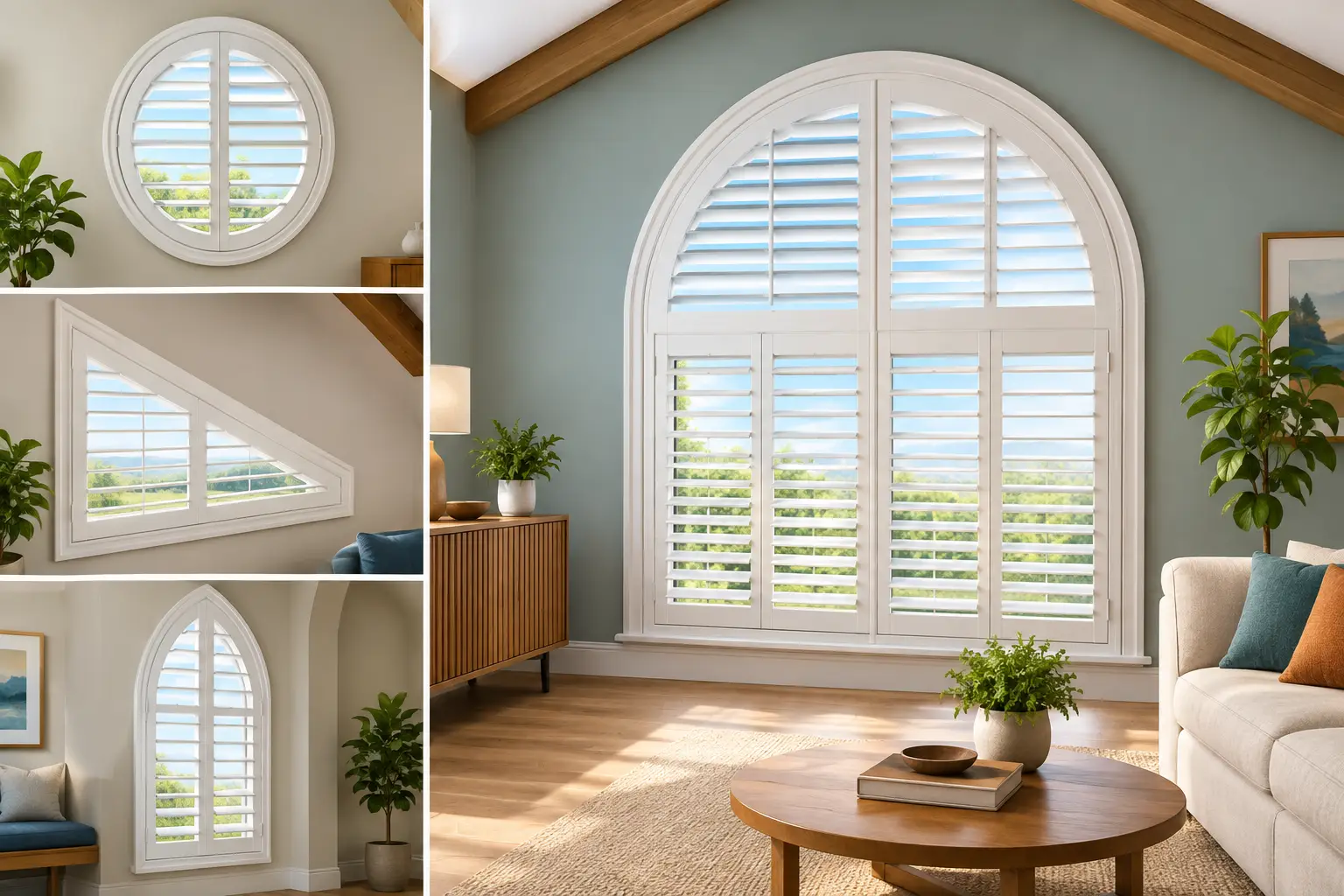
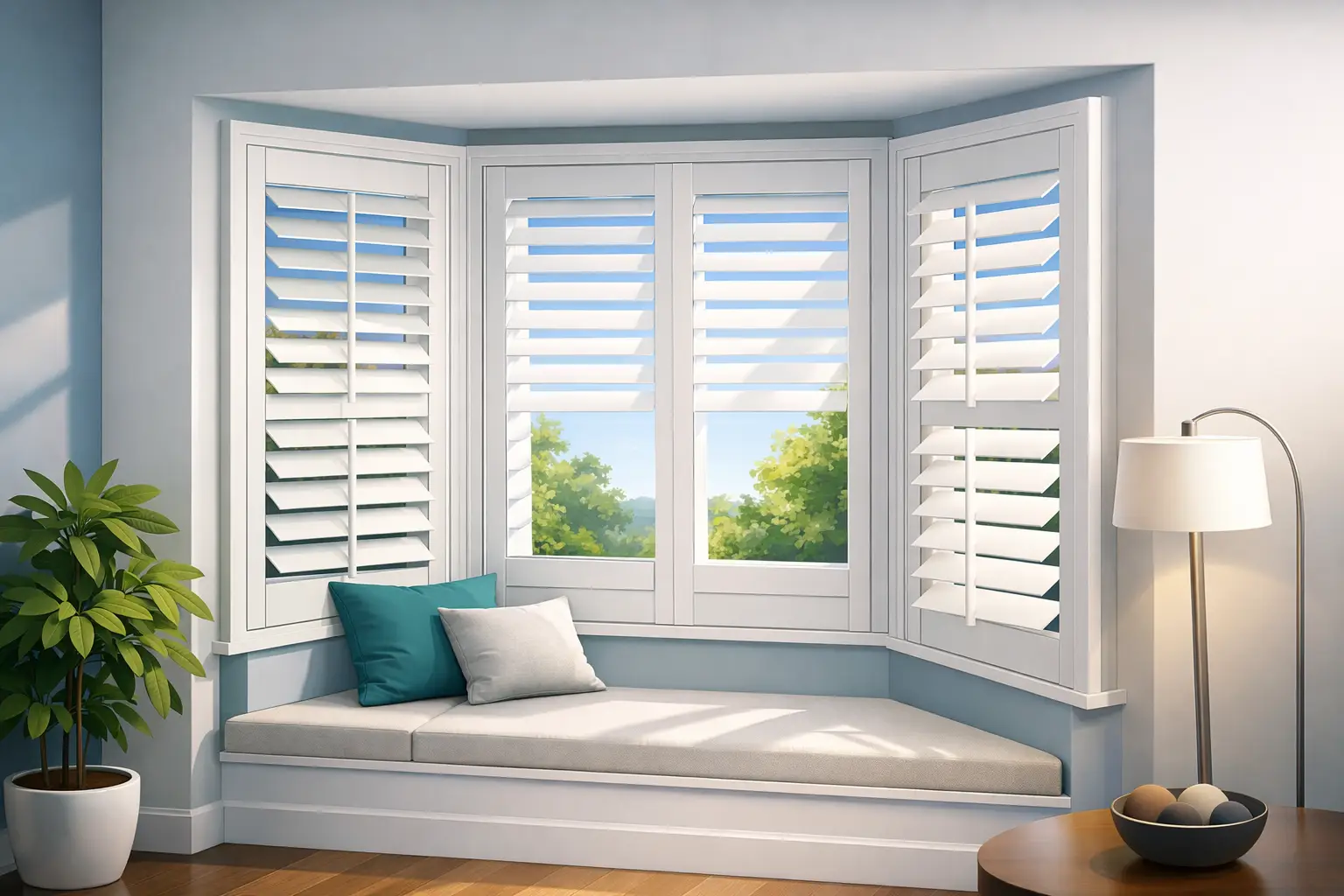
Shutters suit bay windows because they respect the shape of the opening. Instead of covering the entire area with one treatment, they can be custom-built to each section of the bay. That keeps the architecture visible while giving you precise control over privacy and sunlight.
They also offer a cleaner, more permanent look than many fabric options. In formal living rooms, front-facing sitting areas, breakfast nooks, and primary bedrooms, shutters add structure and polish. They feel intentional. For many homeowners, that matters just as much as function.
There is also a practical advantage. Bay windows bring in generous light, but they can also create glare, heat gain, and privacy concerns, especially in neighborhoods where homes sit closer together. With shutters, you can tilt louvers to soften direct sun without losing all natural light. That flexibility is hard to match with a one-position treatment.
The biggest challenge is not the product – it is the fit
Most bay window problems start with the assumption that every panel is straightforward. In reality, each section may have slight differences in width, depth, and squareness. The angles between windows matter. The trim projection matters. Even the way the sill is built can affect the frame choice and panel operation.
That is why shutters for bay windows should never be treated like a simple online order. A fraction of an inch can change whether panels clear each other properly. An incorrect frame can make a beautiful product feel bulky. A wrong louver size can throw off the scale of the entire room.
Custom measuring and installation are what separate a polished result from one that always feels slightly off. Homeowners often notice this most when they compare a showroom sample to a finished installation. The product itself may be excellent, but if the layout was not designed for that specific bay, the result will not look custom.
Inside mount or outside mount?
For bay windows, inside mount shutters are often the preferred look because they sit neatly within each window opening and preserve the lines of the architecture. This approach tends to feel more refined and built-in, especially in homes with attractive trim and enough mounting depth.
But inside mount is not always the right answer. If the window depth is limited, if the casing is uneven, or if there are obstructions such as cranks and locks, an outside mount may produce a cleaner and more functional installation. It depends on the construction of the bay and the look you want.
A good design consultation should walk through both options with actual samples and clear explanations. The best choice is not the one that sounds most custom on paper. It is the one that works with the window, the room, and how you live in it.
Choosing the right shutter material
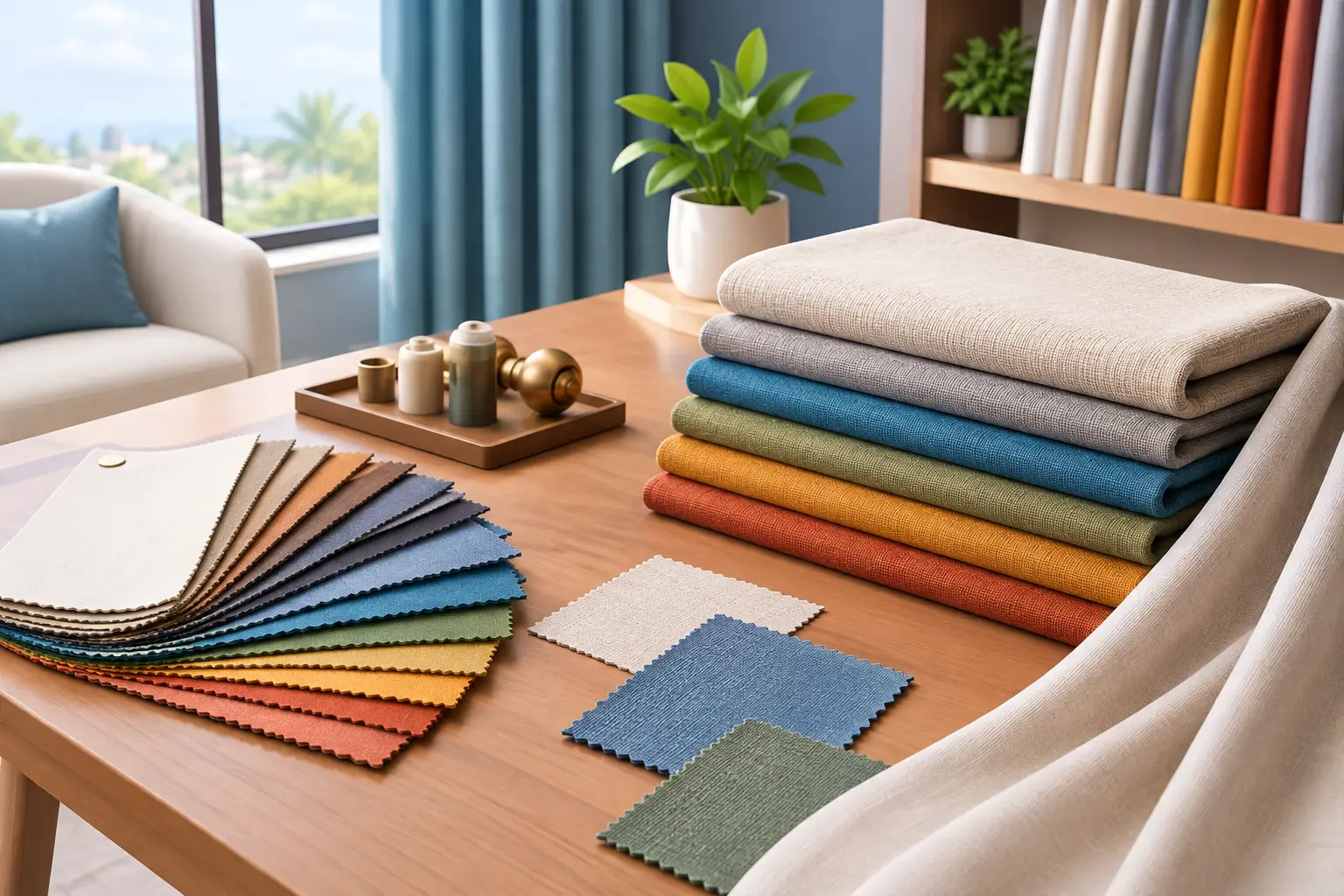
Material matters in bay windows because these windows are often large, highly visible, and exposed to strong sunlight. Wood shutters remain a favorite for homeowners who want warmth, crisp detailing, and a furniture-grade finish. They bring real character to a space and are especially appealing in living rooms, dining rooms, and front rooms where appearance carries a lot of weight.
Composite or faux wood shutters can be a smart option in areas with more moisture or where budget is a stronger factor. They offer durability and a consistent painted look, though they can feel heavier depending on the window size and configuration.
There is no single best material for every bay window. Wood is often preferred for its elegance and lighter weight, particularly on wider panels. Composite can be appealing for durability and value. The right answer depends on panel size, room conditions, finish preference, and budget priorities.
One of the most common misconceptions is that choosing real wood automatically means a dramatic jump in price. That is not always the case when you work with a company that sources well and builds around the project rather than a one-size-fits-all catalog.
Panel layout matters more than people expect
When homeowners picture shutters, they often focus on color and louver size first. Those decisions matter, but panel configuration is what determines how the shutters actually live day to day.
In a bay window, each section can have one panel, two panels, or a split design depending on width and access needs. If the bay includes a seat, you may want panels that open in a way that keeps the area usable. If the window faces the street, a split tilt option can be useful, allowing privacy on the lower section while still bringing light through the top.
This is where design guidance becomes especially valuable. A layout that looks symmetrical on paper may not be the easiest to use. A panel plan that prioritizes operation may create a better experience over time, even if it means making a choice that is slightly less obvious at first glance.
Design details that shape the final look
The right shutters should complement the room, not compete with it. In traditional homes, a classic white or off-white shutter often works beautifully, highlighting trim and making the bay feel bright and finished. In more transitional or contemporary spaces, stained wood shutters can add richness and depth.
Louver size also affects the overall impression. Larger louvers tend to look more current and allow a broader view through the window. Smaller louvers can feel more traditional. Again, it depends on the scale of the room, ceiling height, and the style of the home.
Frame style, divider rails, and tilt options are smaller details, but they influence whether the installation feels elegant or busy. In a prominent front room, those choices deserve real attention. Bay windows naturally draw the eye, so every detail becomes more visible.
Are shutters a good investment for bay windows?
For many homeowners, yes. Bay windows are architectural assets, and shutters tend to enhance that value rather than cover it up. They offer a permanent, custom appearance that buyers often perceive as an upgrade. They also improve daily comfort by managing light, reducing glare, and increasing privacy.
The cost is higher than basic blinds or ready-made treatments, but the comparison is not entirely fair. Bay windows rarely suit off-the-shelf solutions well. If a lower-cost option still leaves gaps, looks uneven, or needs replacing sooner, the savings may not feel like savings for long.
That said, budget should still be part of the conversation. The size of the bay, the material selected, and the complexity of the installation all influence pricing. The right provider will explain those variables clearly and help you choose where to invest for the greatest visual and functional return.
Why professional installation matters
Bay window shutters have to do more than look good standing still. They need to open smoothly, align correctly, and sit cleanly within a multi-angle space. Professional installation protects that outcome.
It also removes one of the biggest sources of stress for homeowners – the fear of getting an expensive custom order wrong. With a full-service process, the measuring, specification, ordering, and installation are handled together. That creates accountability and greatly reduces the risk of unpleasant surprises.
For homeowners in Northern Virginia who want that kind of certainty, Covering Windows brings the process into the home with design guidance, product samples, and expert measuring that reflects the actual conditions of the bay window, not just rough dimensions on paper.
A bay window deserves more than a workaround. The right shutters make it feel more architectural, more livable, and more valuable all at once. If you are considering a window treatment upgrade, this is one project where custom guidance pays off long after installation day.