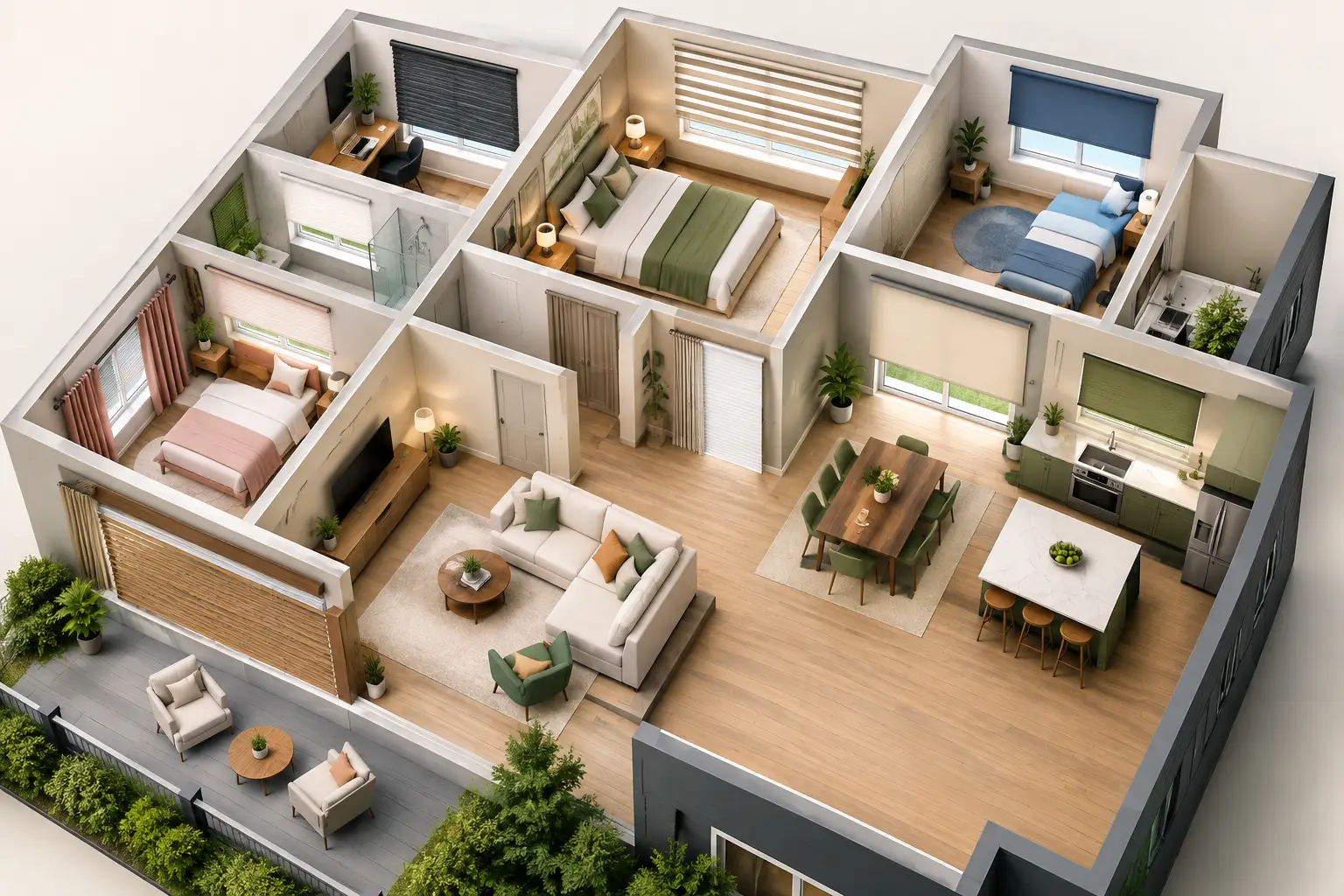
When it comes to elevating your home’s aesthetic and functionality, choosing the right window treatments is key. With so many options out there, it’s easy to feel overwhelmed. Two popular choices that often steal the spotlight are window blinds and shades. Both can transform a room, but they serve different purposes and come with their own sets of benefits. Are you leaning toward sleek blinds or soft shades? Let’s dive into what each option offers and help you make an informed decision for your custom window treatments!
What are Window Blinds and Shades?
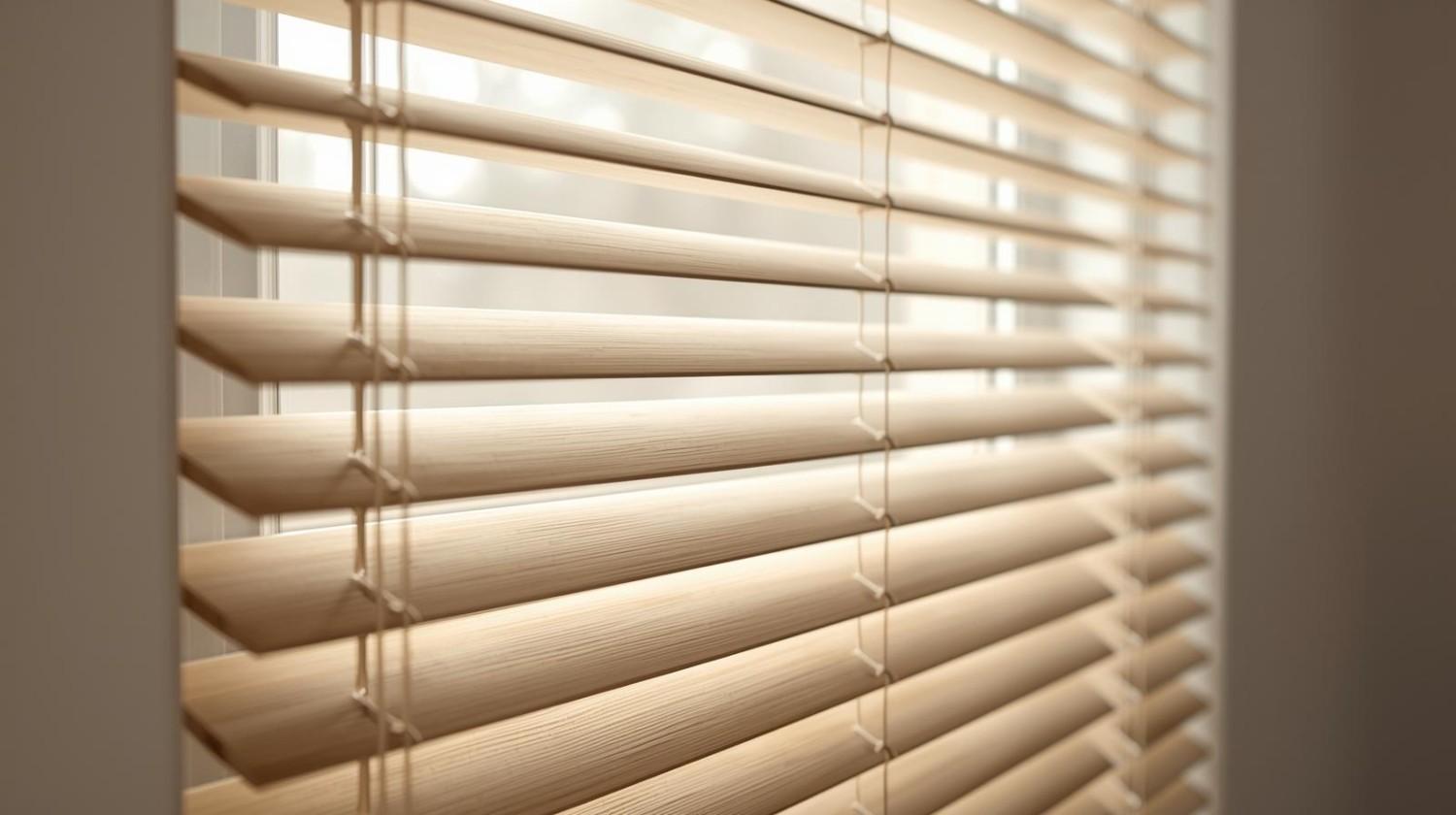
Window blinds are made of horizontal or vertical slats that can be adjusted to control light and privacy. These slats often come in materials like wood, faux wood, aluminum, or vinyl. The adjustable nature allows you to tilt them open for natural light or close them for a cozier atmosphere.
On the other hand, window shades provide a softer appearance. They are typically made from fabric and come in various styles like roller shades, Roman shades, and cellular shades. Unlike blinds, they don’t have slats but instead roll up or fold down to cover your windows.
Both options offer unique aesthetics while serving practical functions. Blinds bring structure with their clean lines, whereas shades introduce warmth with their textures and colors. Understanding these fundamental differences is essential when exploring custom window treatments for your space.
Differences between Blinds and Shades
Blinds and shades may seem similar, but they have distinct characteristics that set them apart.
Blinds are typically made of hard materials like wood or aluminum. They consist of slats that can be tilted to control light and privacy. This adjustability gives you more options for managing the amount of sunlight entering your space.
On the other hand, shades are usually crafted from softer fabrics. They come in a solid piece without movable slats. Shades provide a seamless look and create a softer ambiance in any room.
Another key difference lies in their functionality. Blinds allow for precise light control thanks to their tilting mechanism, while shades often offer different levels of opacity based on the fabric chosen.
When it comes to style, blinds tend to give off a modern vibe, whereas shades can exude warmth and elegance depending on their design and material choice.
Pros and Cons of Window Blinds
Window blinds offer a variety of benefits that make them popular among homeowners. They provide excellent light control, allowing you to easily adjust the slats for just the right amount of sunlight. This flexibility can enhance your mood and maintain privacy.
Another advantage is their durability. Many materials used in blinds are resistant to wear and tear, making them a long-lasting option for window treatments. Plus, they’re relatively easy to clean; a quick wipe down often does the job.
On the downside, some find blinds less visually appealing compared to other options like shades or drapes. The mechanical components can sometimes malfunction over time as well.
Additionally, depending on the type chosen, they may not insulate as effectively as shades, leading to potential energy loss during extreme temperatures. These factors should be kept in mind when selecting custom window treatments for your home.
Pros and Cons of Window Shades
Window shades offer a sleek, soft aesthetic that can elevate any room’s look. They come in various fabrics and colors, allowing for personalization to match your decor.
One significant advantage is their ability to provide varying levels of light control. From sheer options that gently diffuse sunlight to blackout shades designed for total darkness, there’s something for everyone.
However, maintenance can be tricky. Unlike blinds, which are usually easy to wipe down, fabric shades may require more effort or even professional cleaning over time.
Additionally, window shades generally lack the adjustability of blinds. Once they’re up or down, you can’t easily tilt them like you would with slats on a blind.
It’s essential to weigh these pros and cons against your specific needs when considering custom window treatments for your space.
Factors to Consider When Choosing Between Blinds and Shades
Choosing between blinds and shades involves several key factors. First, consider your room’s function. High-traffic areas may benefit from the durability of blinds, while bedrooms might be better suited for the soft ambiance of shades.
Next, think about light control. Blinds offer adjustable slats to fine-tune brightness. In contrast, shades provide a more uniform look but vary in opacity.
Aesthetic appeal plays a crucial role as well. Blinds come in various materials and styles, giving you versatility. Shades often bring warmth with fabrics that can enhance any decor theme.
Maintenance is another important aspect. Blinds are typically easier to wipe clean, whereas shades may require gentle washing or vacuuming depending on their fabric type.
Evaluate energy efficiency options available with both window treatments to keep your home comfortable throughout the year without sacrificing style.
Cost Comparison of Blinds vs. Shades
When considering custom window treatments, cost is often a primary factor. Both blinds and shades offer a range of prices depending on materials and styles.
Blinds generally come in various options such as wood, vinyl, or aluminum. Basic models can be quite affordable. However, premium woods or energy-efficient designs may raise the price significantly.
On the other hand, window shades tend to start at a higher base price due to their fabric components and design intricacies. Roller shades are usually less expensive compared to Roman or cellular shades that offer more insulation.
Installation costs also vary. Custom installations for either option might incur additional charges based on complexity and size of your windows.
It’s essential to evaluate long-term benefits too. Investing in quality treatments could save money on utilities over time while enhancing aesthetic appeal.
Final Decision: Which One is Right for You?
When deciding between window blinds and shades, consider your lifestyle and preferences. Both options provide distinct benefits that can cater to different needs.
If you prefer versatility in light control and privacy, custom window treatments like blinds may be the way to go. They allow for precise adjustments, letting you manage the amount of light entering a room easily.
On the other hand, if aesthetics and softening harsh sunlight are priorities for you, window shades offer a sleek look while providing warmth and cozy ambiance.
Evaluate factors such as your space’s decor style, ease of maintenance, energy efficiency requirements, and budget constraints. Think about how often you’ll adjust them—blinds might be more suitable for high-traffic areas where frequent use is expected.