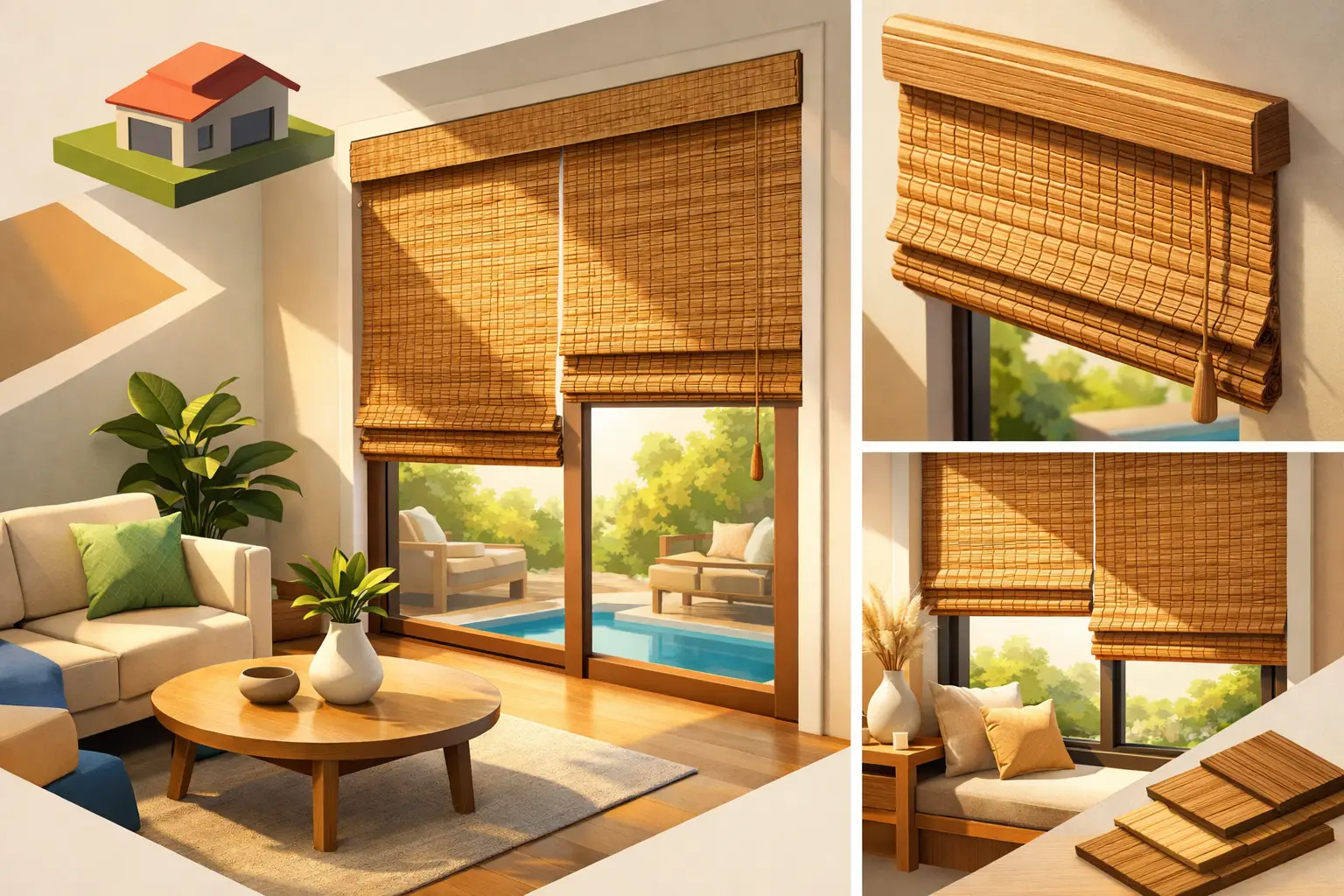
A room can have beautiful furniture, fresh paint, and carefully chosen lighting yet still feel unfinished because the windows look bare. Window valances solve that problem with a tailored layer of color, texture, and architectural definition – often without giving up the daylight homeowners love.
For homes across Northern Virginia, valances are especially useful in spaces where full drapery panels would feel too heavy, such as kitchens, breakfast rooms, bathrooms, and sun-filled family rooms. They can also provide the finishing detail that makes shades, blinds, or shutters look intentionally designed rather than simply installed.
What Is a Window Valance?
A valance is a decorative fabric treatment mounted across the top of a window. Unlike curtains or drapery panels, it does not typically extend down the sides of the window. Its role is primarily visual: softening the hard line of a window frame, concealing hardware, and tying the window into the room’s broader design.
That does not mean every valance is purely decorative. When paired with a functional shade or blind, a valance can hide the headrail and create a cleaner, more finished presentation. It can also help visually balance a tall window, a wide bank of glass, or a room with high ceilings.
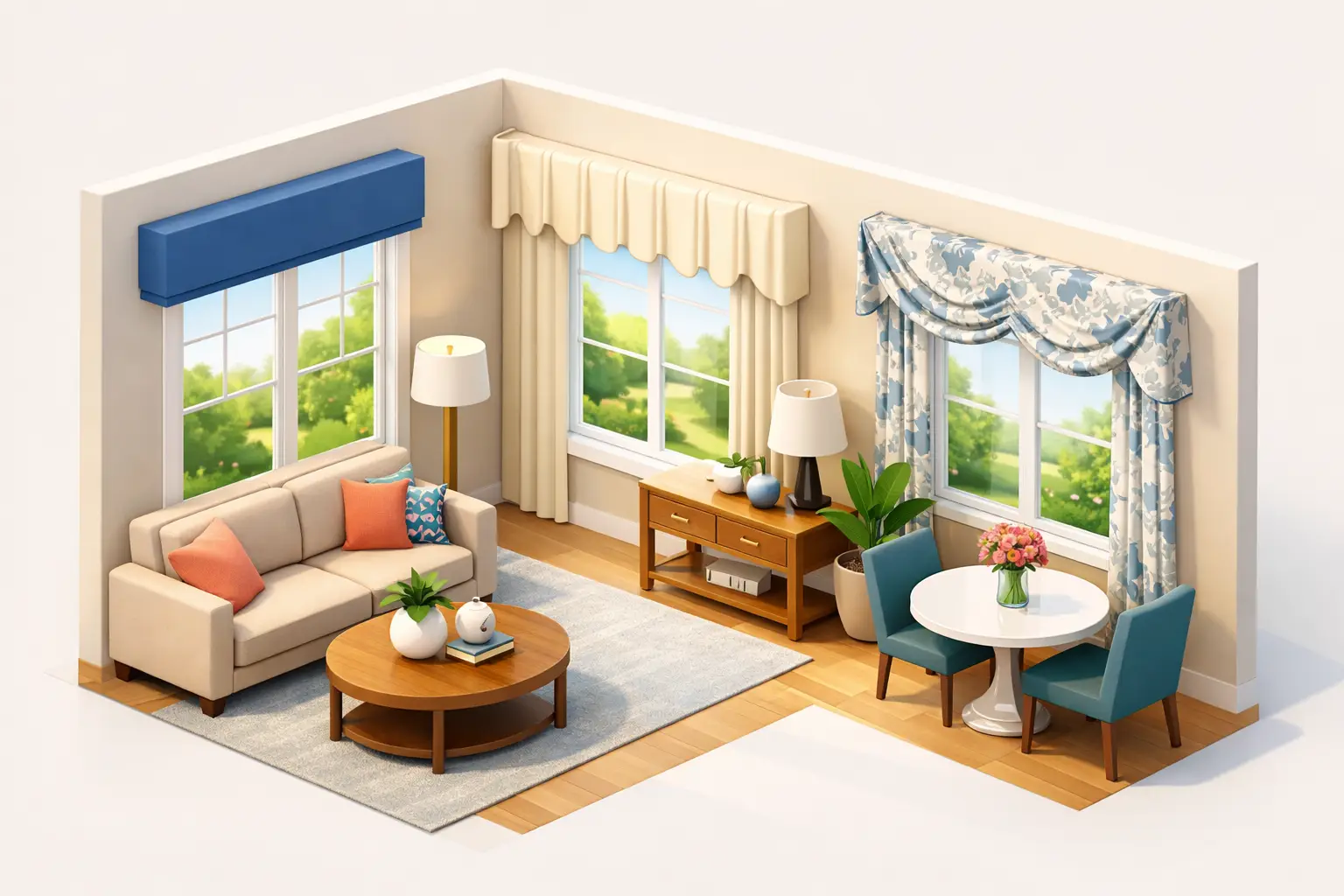
The best choice depends on the architecture, the window’s function, and how formal or relaxed you want the room to feel. A tailored linen valance above woven shades creates a quiet, polished look. A structured upholstered cornice gives a dining room more presence. A gathered style can bring softness and charm to a traditional kitchen, but may not suit a crisp, contemporary interior.
Why Window Valances Still Belong in Well-Designed Homes
Valances have been around for generations, which sometimes leads homeowners to associate them with dated, overly fussy decorating. That concern is understandable. The difference is in the design: modern valances use cleaner lines, better proportions, performance fabrics, and custom fabrication that relates to the rest of the room.
A well-designed valance can do several jobs at once. It introduces pattern without covering an entire wall, adds warmth to rooms dominated by glass and painted trim, and makes even practical window coverings feel more elevated. In a home with roller shades or cellular shades, this extra layer can be the bridge between function and a truly finished interior.
They are also a practical choice when privacy and light control are already handled by another treatment. Rather than forcing one product to do everything, homeowners can combine a shade for everyday performance with a valance for style. This layered approach is especially effective in bedrooms, family rooms, and primary suites where comfort matters as much as appearance.
Choosing the Right Style for Your Windows
The shape of a valance sets the visual tone. There is no single best style, but there is usually a better style for a particular room and window.
Tailored valances for clean, versatile design
A tailored valance is typically a straight or gently shaped fabric panel with crisp construction. It works beautifully in transitional, contemporary, coastal, and updated traditional homes because it adds softness without excess detail. Solid linen-look fabrics, subtle textures, and small-scale patterns tend to age well and coordinate easily with changing furnishings.
This is often the safest choice when the room already has architectural interest. If you have detailed millwork, a coffered ceiling, or statement wallpaper, a simple valance provides a finish without competing for attention.
Box pleats and upholstered cornices for structure
Box-pleated valances and upholstered cornices have a more architectural presence. They are ideal over larger windows, French doors, and sliding glass doors where a shallow treatment may get lost. Their clean edges make them a strong companion to Roman shades, plantation shutters, or drapery panels.
A cornice is generally more structured than a fabric valance because it is built over a board. That creates a custom furniture-like quality, but it also requires careful planning. Its depth must clear the shade or shutter below it, and its scale must suit the ceiling height. A cornice that is too tall or too deep can overpower a modest window.
Soft gathered styles for warmth and personality
Gathered valances, relaxed swags, and other softer styles can bring charm to breakfast areas, cottage-inspired kitchens, and traditional interiors. They work particularly well when the fabric is doing meaningful design work, such as repeating a color from an adjacent banquette, rug, or upholstered chair.
The trade-off is visual complexity. Full gathers and bold patterns need room to breathe. In a compact kitchen with several windows, a simpler profile may keep the space from feeling busy. In formal spaces, a fuller design can feel luxurious when professionally proportioned and made with quality materials.
Fabric Matters More Than Most Homeowners Expect
The fabric you choose affects more than color. It influences how the valance holds its shape, filters light, coordinates with other treatments, and wears over time.
Linen and linen-blend fabrics offer natural texture and an easy elegance that works in many Northern Virginia homes. Cotton blends provide a familiar, adaptable look and can support a range of patterns. Performance fabrics are valuable in kitchens, sunny rooms, and homes with children or pets because they are designed for better durability and easier care.
Pattern deserves a thoughtful approach. A large print can make a wide window feel like a focal point, while a small-scale pattern can add interest without dominating the room. If the room already includes patterned upholstery, wallpaper, or an ornate rug, a textured solid is often the stronger choice.
Color should be considered in changing light, not just from a small fabric swatch. Morning sun, afternoon exposure, and nearby landscaping can shift how a fabric reads throughout the day. Seeing samples in your own room is one reason a professional in-home consultation can prevent expensive second guessing.
Getting the Proportions Right
Custom window treatments look expensive because they are proportioned correctly. A valance that is too short can look accidental. One that is too tall can make the window appear crowded and reduce the sense of openness.
As a general design principle, the valance should be substantial enough to relate to the window and ceiling height while leaving as much glass exposed as possible. Mounting it above the window frame often makes the opening feel taller. Extending beyond the frame can make the window feel wider, especially when the treatment is paired with inside-mounted shades or blinds.
Width, return depth, and mounting height all matter. So does the hardware beneath it. If a shade, blind, or shutter needs clearance, the valance must be designed around that product rather than squeezed into the remaining space. This is where online measurements can become frustrating: the dimensions may seem simple until brackets, handles, trim, and operating clearance enter the picture.
Pairing Window Valances With Functional Treatments
Valances are most successful when they complement the way a room is used. In a bedroom, they can top blackout shades or draperies for better sleep and a more luxurious look. In a family room, they can soften motorized solar shades while preserving convenient control of glare and privacy. In a kitchen, they can sit above easy-clean roller shades that manage direct sunlight without adding bulk near sinks and work areas.
For homeowners who prefer the warmth and permanence of shutters, a valance is optional rather than necessary. Wood shutters already have substantial visual presence. Still, a shallow fabric treatment above a wide shuttered window can work when you want to introduce color or coordinate with a nearby upholstered feature.
The key is restraint. Not every window needs every layer. A well-planned room may use valances at focal windows and simpler shades elsewhere, creating consistency without making the entire home feel overdecorated.
The Value of Custom Design and Installation
Ready-made valances can be tempting, but their standard widths, limited fabrics, and generic proportions often reveal themselves once they are hung. Custom fabrication allows the treatment to align with your trim, accommodate your selected shade or blind, and use a fabric that genuinely belongs in the room.
Professional installation is just as important. A valance mounted even slightly off-center, at the wrong height, or without adequate clearance can undermine an otherwise beautiful design. Precise placement creates the clean sightlines homeowners expect from a finished space.
At Covering Windows, the process begins with the room rather than a catalog. Seeing the architecture, light, existing furnishings, and window function in person makes it easier to recommend a style that feels right now and will continue to feel right after the rest of the project is complete.
A thoughtfully chosen valance is not just fabric at the top of a window. It is the final design decision that can make the whole room feel considered, comfortable, and complete.