A west-facing room can look beautiful at 10 a.m. and feel unbearable by 4 p.m. If you are asking what blinds block heat best, the real answer is not just one product – it is the right product for your window, your sun exposure, and the way you live in the space.
That is where many homeowners get frustrated. Big-box options make bold promises, online photos hide important details, and the wrong choice can leave you with a room that still runs hot, fades furniture, and works your HVAC system harder than it should. Heat control is absolutely possible, but the best result usually comes from matching the window treatment to the problem instead of chasing a one-size-fits-all fix.
What blinds block heat best for most rooms?
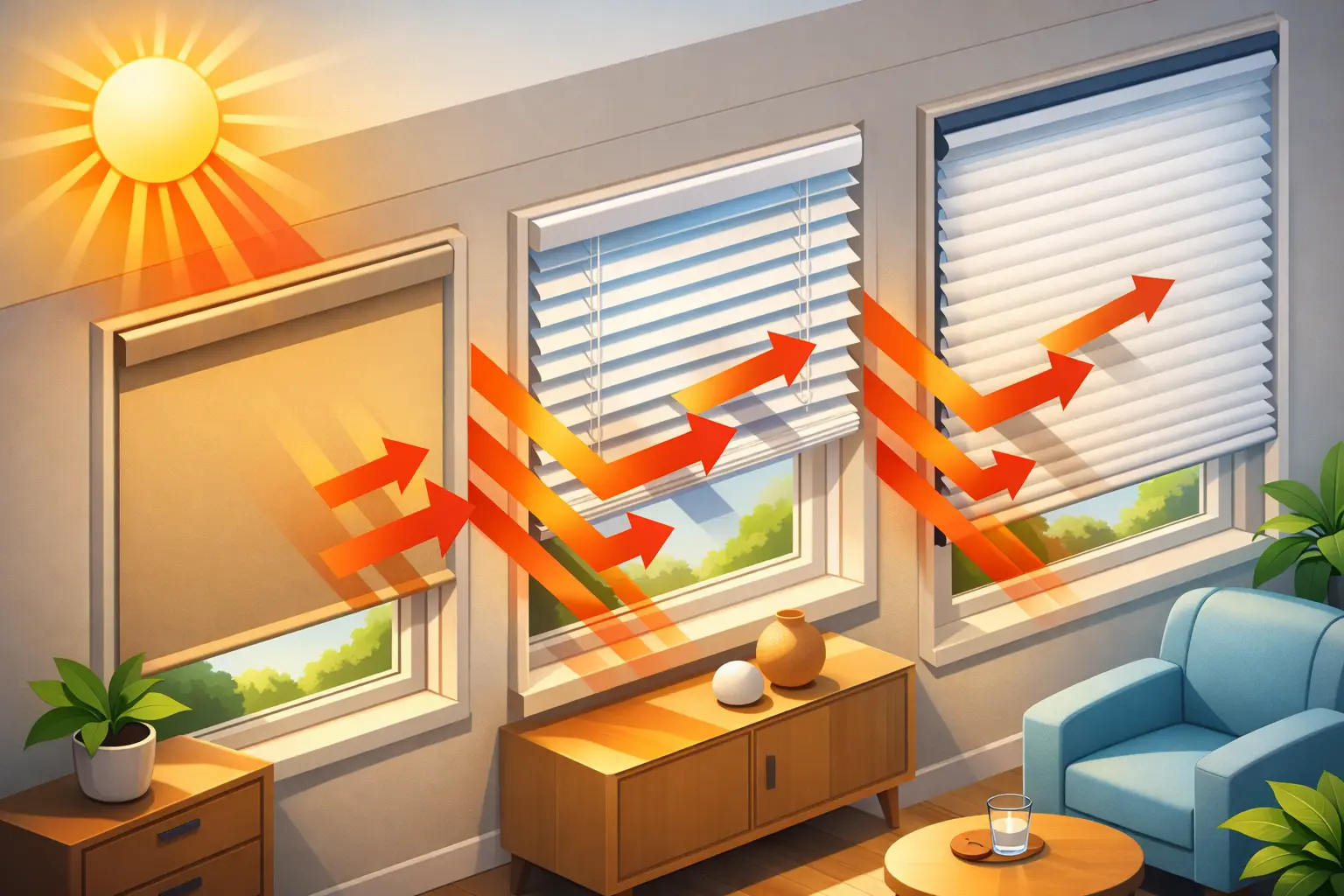
If we are speaking strictly about blinds, cellular shades usually outperform traditional horizontal blinds for blocking heat. That surprises some homeowners because cellular shades are technically shades, not slatted blinds, but in real-world performance they are often the strongest interior option for reducing heat transfer. Their honeycomb-shaped pockets trap air, which helps insulate the window and slow down solar heat gain.
Among true blinds, faux wood blinds, wood blinds, and some vertical blinds can help, but they do not create the same insulating barrier as a well-fitted cellular shade. Slats can redirect sunlight and reduce glare, yet they still allow more air movement and more heat transfer than a shade that sits closer to the window opening.
If your priority is the best possible heat reduction from the inside, cellular shades are usually the first product worth considering. If your priority is a more classic blind look, then the conversation shifts to materials, color, fit, and layering.
Why some window treatments block heat better than others
Heat enters through windows in a few different ways. Direct sunlight brings radiant heat into the room. Glass itself also transfers heat, especially on older or large uncovered windows. The best treatments reduce one or both of those effects.
That is why structure matters so much. A thin decorative blind may soften the light, but it will not do much to insulate. A tightly fitted product with insulating properties does far more. The closer the treatment is to the glass and the fewer gaps around the edges, the better it generally performs.
Color matters too. Lighter fabrics and surfaces reflect more sunlight, while darker ones tend to absorb more heat. This does not mean dark treatments are always a mistake. In some rooms, darker finishes are the right design choice. It simply means you should not expect the same solar performance from every color and material.
The best options if heat control is the top priority
Cellular shades deserve the top spot for many homes because they combine clean design with real energy benefits. Single-cell styles help, but double-cell options usually perform better in rooms that take intense afternoon sun. They are especially effective in bedrooms, bonus rooms, sunrooms, and large living spaces where comfort changes dramatically throughout the day.
Solar shades are another strong option, but they work differently. Rather than insulating as much as cellular shades, they reduce glare and filter sunlight while preserving some view to the outside. In rooms where you want to cut brightness and solar gain without making the space feel closed off, solar shades can be an excellent fit. Their openness factor matters a great deal. A tighter weave usually blocks more sun and heat, but it also reduces visibility.
Plantation shutters can also help with heat control, especially when custom fit. Their solid construction and tailored installation make them more effective than many off-the-shelf products. They also give you flexible light control and a finished architectural look that many Northern Virginia homeowners want in formal living spaces, primary bedrooms, and front-facing rooms.
Faux wood blinds are often a practical middle ground. They are durable, attractive, and better suited to humid areas than real wood. They can reduce direct sun when tilted properly, but they are not typically the top performer if your main goal is maximum heat blocking. They are more about balanced function, privacy, and style than peak insulation.
What blinds block heat best on large or difficult windows?
Large windows, tall stairwell glass, and wide sliders need a different conversation. A standard blind that works on a small bedroom window may struggle on expansive glass where the sun pours in all afternoon.
For oversized openings, solar shades, roller shades with performance fabrics, panel tracks, and shutters are often better candidates than traditional mini blinds or basic horizontal blinds. Exterior shades can be even more effective because they stop a significant portion of the sun before it reaches the glass. That distinction matters. Once the heat is already through the glass, your interior treatment is working harder to manage it.
This is why south- and west-facing rooms often benefit from a more customized approach. In some homes, the best answer is not one product throughout the room. You may use solar shades for daytime glare control, then add drapery panels for softness and additional thermal protection. Layering can improve both comfort and appearance when a single product has to do too much on its own.
The trade-offs homeowners should know before choosing
There is no perfect product for every room. The best heat-blocking solution often asks you to decide what matters most.
Cellular shades are excellent insulators, but they do not give you the same slatted look or view-through control as blinds. Solar shades preserve view and keep rooms modern and clean, but at night they do not offer the same privacy unless paired with another treatment. Shutters add beauty, resale appeal, and durability, but they are a larger design investment. Faux wood blinds are familiar and versatile, but they will not usually match the energy performance of a premium cellular shade.
Motorization can also change the value equation. In rooms with strong sun exposure, automated shades can close during the hottest part of the day even when no one is home. That can improve comfort and consistency far more than a manual treatment that only gets adjusted occasionally. For busy households, convenience often becomes part of performance.
Fit and installation matter more than most people expect
Even a high-performing product can underdeliver if it is poorly sized or installed. Gaps at the sides, shallow mounting depth, and uneven operation all affect heat control. This is one reason online ordering can be so disappointing. A treatment may look right on paper but fail once it is mounted on a real window with trim, depth limitations, or unusual proportions.
Custom fit makes a noticeable difference, especially for cellular shades and shutters. When the goal is to reduce heat, precision matters. A polished result also matters aesthetically. Homeowners usually do not want to trade a more comfortable room for a window treatment that looks makeshift or bulky.
That is where a guided in-home consultation can save time and money. Seeing materials, opacities, and colors in your actual light often changes the decision. A product that looked ideal on a screen may feel too dark, too reflective, or too flat once it is in the room.
Best rooms for each heat-blocking option
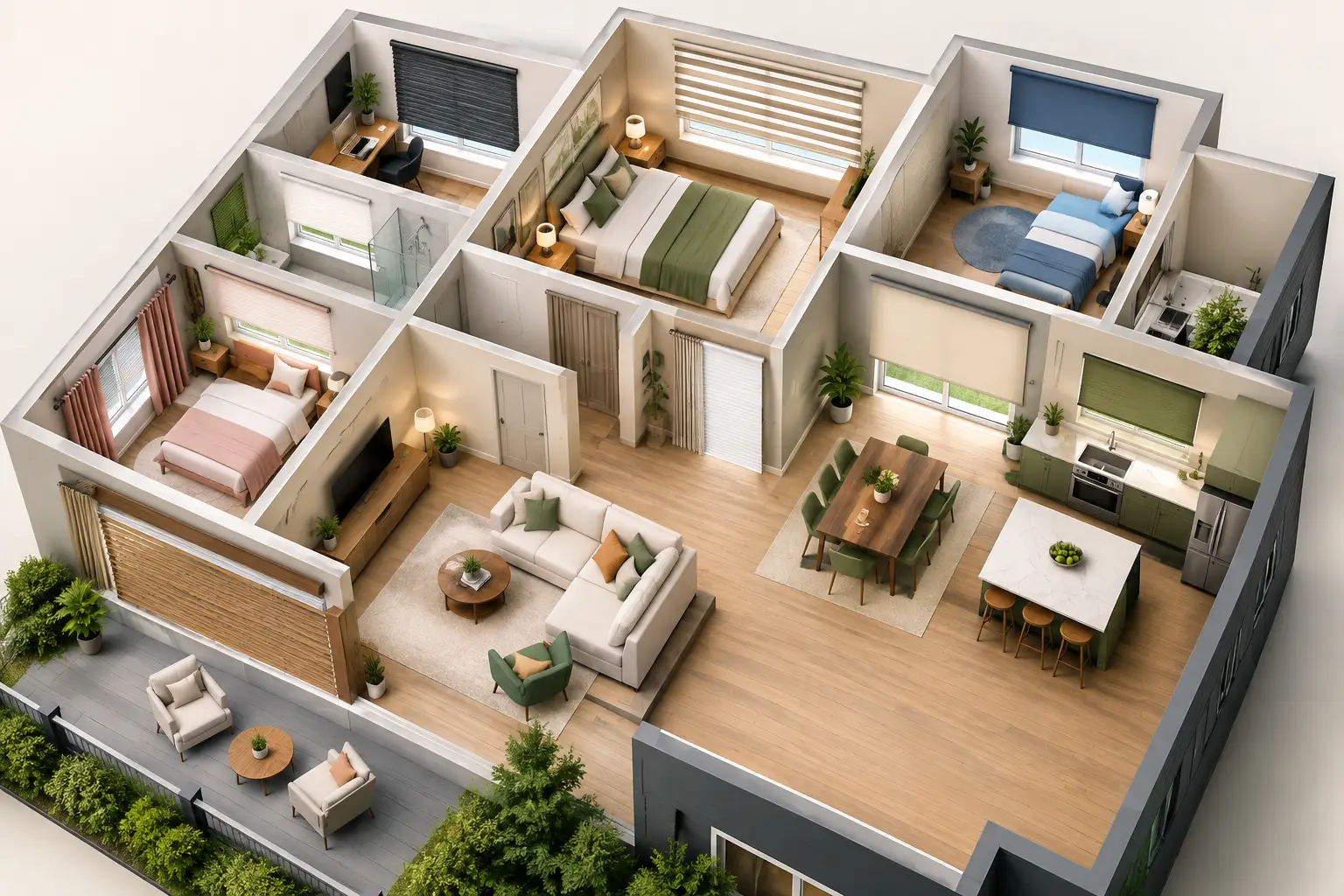
In bedrooms and media rooms, blackout cellular shades are often the strongest answer because they reduce both light and heat. In kitchens and family rooms, solar shades can be ideal when you still want daylight and a cleaner contemporary look. In formal spaces, dining rooms, and front elevations, shutters often strike the best balance between energy performance and architectural style.
Bathrooms and humid areas usually call for moisture-resistant materials, which makes faux wood blinds or select composite shutters a smart choice. For sun-drenched offices, especially where screen glare is a daily issue, solar shades can make the room far more usable without making it feel shut down.
That room-by-room thinking is important. The best answer for what blinds block heat best in a nursery may not be the best answer for a two-story family room or a front sitting room where curb appeal matters just as much as comfort.
So what should you choose?
If heat blocking is your top priority, start with cellular shades. If you want glare control and daytime visibility, look closely at solar shades. If you want a more permanent, upscale finish with strong performance, shutters are a very compelling choice. If you prefer the familiar style of blinds, faux wood can still help, especially when paired with good placement and thoughtful color selection.
For many homes, the smartest choice is not the cheapest product on the shelf. It is the one that solves the actual problem while still fitting the design of the home. At Covering Windows, that usually means looking at the room, the exposure, the size of the glass, and how you want the space to feel once the sun hits it.
A cooler room should still feel beautiful, finished, and easy to live in. When your window treatments do both, the difference is hard to miss.