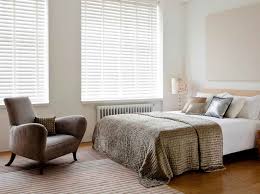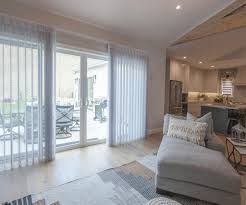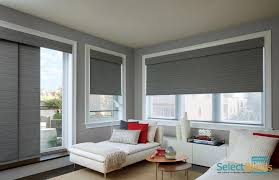
Windows do more than let in light—they shape your comfort, your routines, and even your home’s energy bills. When it comes to window treatments, choosing between motorized blinds vs manual blinds isn’t just about looks. It’s about how you want to interact with your living space every single day. Do you embrace the latest in smart home convenience with automatic window blinds, or do you value the simplicity and hands-on control of traditional window blinds? Understanding this choice can mean the difference between everyday frustration and effortless comfort.
We will compare them on convenience, safety, cost, installation, and energy efficiency. By the end, you will have a clear understanding of which option is the perfect match for your home.
Motorized vs. Manual Blinds: A Quick Comparison
Understanding the Basics: What Are They?
Before diving deeper, let’s define our two contenders. The core difference lies in how you open and close them.
What Are Motorized Blinds?
Motorized blinds, also known as automatic window blinds or smart blinds, use a small, quiet motor to control their movement. You operate them without physically touching them. Control methods often include:
- A dedicated remote control.
- A smartphone app.
- Voice commands via a smart home assistant (like Alexa or Google Assistant).
- Automated schedules (e.g., closing at sunset).
These are a cornerstone of modern home automation blinds, offering a blend of luxury and practicality.
What Are Manual Blinds?
Manual blinds are the traditional window blinds we are all familiar with. They are operated by hand, typically using one of several mechanisms:
- Corded: A pull cord raises and lowers the blinds.
- Wand Tilt: A plastic or wooden wand tilts the slats open or closed.
- Cordless: A spring-loaded mechanism allows you to lift and lower the blind by hand, eliminating dangling cords.
Pros and Cons: A Detailed Breakdown
Every homeowner has different priorities. Let’s weigh the advantages and disadvantages of each type.
Motorized Blinds
Pros:
- Unmatched Convenience: Adjusting hard-to-reach windows, like those in a two-story great room or behind a sofa, becomes effortless. With the press of a button, you can control a single blind or every blind in the house simultaneously.
- Enhanced Safety: The absence of pull cords makes motorized blinds one of the safest options for homes with children and pets, eliminating strangulation hazards. This cordless design provides immense peace of mind.
- Improved Energy Efficiency: By scheduling your smart blinds to close during the hottest parts of the day in summer or open to catch solar heat in winter, you can significantly reduce your reliance on heating and cooling systems, lowering energy bills.
- Increased Home Security: Automated schedules can create the illusion that someone is home, even when you’re on vacation. You can program the blinds to open and close at various times, deterring potential intruders.
Cons:
- Higher Initial Cost: The technology, motor, and power source make motorized blinds more expensive than their manual counterparts.
- Reliance on Power: Whether battery-operated or hardwired, motorized blinds need a power source. If the power goes out or batteries die, you may lose functionality until it’s restored.
- More Complex Installation: While some battery-powered models are DIY-friendly, hardwired systems require professional installation by an electrician, adding to the overall cost.
Manual Blinds
Pros:
- Affordability: Manual blinds are the most budget-friendly option, making them a great choice for those outfitting an entire home or working with a tight budget.
- Simple and Reliable: With fewer moving parts and no electronics, manual blinds have a proven track record of reliability. There are no motors to fail or batteries to replace.
- Easy Installation: Most manual blinds are designed for straightforward DIY installation, requiring only basic tools and a little time.
- No Power Needed: They work anytime, anywhere, completely independent of your home’s electrical system.
Cons:
- Less Convenient: Adjusting multiple blinds throughout the day can be a chore. Hard-to-reach windows may remain in one position simply because they are difficult to access.
- Potential Safety Hazards: Traditional blinds with long, dangling cords can pose a serious risk to small children and pets. While cordless manual options mitigate this, the classic corded style is still prevalent.
- Inconsistent Adjustment: It can be tricky to get multiple blinds adjusted to the exact same height, which can affect the uniform look of a room.
Cost Breakdown: What to Expect
The cost comparison is one of the most significant factors for many buyers.
- Manual Blinds: You can find basic, off-the-shelf manual blinds for as little as $20-$50 per window. Custom-fit and higher-quality materials can increase this to $100-$300 per window.
- Motorized Blinds: Entry-level, battery-powered motorized blinds typically start around $150-$300 per window. For advanced, hardwired home automation blinds with smart integration, the cost can easily exceed $500-$1000 per window, not including professional installation.
When budgeting, consider not just the per-unit price but also the long-term value in convenience, energy savings, and safety that smart blinds provide.
Installation Differences
The installation process varies significantly between the two.
- Manual Blinds Installation: This is a classic DIY project. The steps usually involve measuring the window, installing brackets with a drill and screws, and then snapping the blind into place. Most homeowners can complete this in under an hour per window.
- Motorized Blinds Installation: This depends on the power source.
- Battery-Powered: The installation is very similar to manual blinds. You mount the brackets and hang the blind. The only extra step is inserting the batteries.
- Hardwired: This is not a DIY job for most people. It requires running electrical wires through your walls to the window frame, a task best left to a licensed electrician to ensure it’s done safely and to code.
Maintenance and Lifespan Comparison
Regular cleaning is the same for both types—dusting or wiping down with a damp cloth. The key difference is in mechanical maintenance.
- Manual Blinds: Cords can fray, tangle, or break over time. The tilting or lifting mechanisms can wear out, requiring repair or replacement. However, these repairs are often simple and inexpensive.
- Motorized Blinds: With no cords to wear out, they have fewer points of physical failure from daily use. The main concern is the motor’s lifespan, which is typically very long (10+ years). If a motor does fail, it will need to be replaced by a professional. For battery-powered units, you’ll need to replace the batteries every 1-3 years, depending on usage.
Frequently Asked Questions
- Are motorized blinds noisy?
Modern motorized blinds are designed to be whisper-quiet. While you will hear a soft whirring sound as the motor operates, it is unobtrusive and generally not considered disruptive. - Can I motorize my existing blinds?
Yes, in many cases. Retrofit kits are available that allow you to add a motor to your existing manual blinds. This can be a more cost-effective way to get the benefits of automation without replacing the blinds themselves. - What happens to motorized blinds if the power goes out?
If you have hardwired blinds, they will not operate during a power outage. Battery-powered blinds will continue to function normally. Some high-end hardwired systems come with a manual override or battery backup. - Are smart blinds worth the investment?
For many, the answer is a resounding yes. If you value convenience, have high or inaccessible windows, prioritize child safety, or want to maximize energy efficiency through home automation, the long-term benefits often justify the upfront cost. - Which is better for privacy, motorized or manual?
Both offer excellent privacy. However, the ability to schedule motorized blinds to close automatically at dusk ensures you never forget to secure your privacy in the evenings, giving them a slight edge.
Conclusion: Which Blinds Are Right for You?
The best choice in the motorized blinds vs. manual blinds debate depends entirely on your budget, lifestyle, and priorities.
Choose Manual Blinds if:
- You are on a strict budget.
- You have standard-sized, easily accessible windows.
- You prefer simple, proven technology with easy DIY installation.
- You are outfitting a rental property or preparing a home for sale.
Choose Motorized Blinds if:
- You prioritize convenience and want to control blinds with a remote control or app.
- You have very tall, large, or hard-to-reach windows.
- Child and pet safety is a top concern (eliminating cords is key).
- You are building a smart home and want to integrate your window treatments for security and energy efficiency.
Ultimately, window blinds are a long-term investment in your home’s comfort and style. By weighing these factors, you can confidently select the perfect operating system to enhance your daily living.