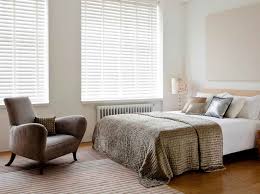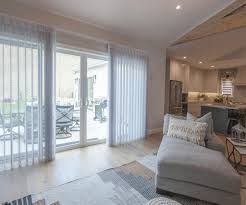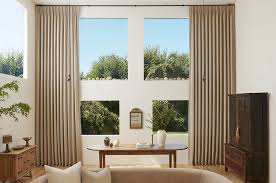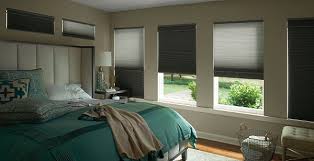
The main difference between light filtering, room darkening, and blackout shades is the amount of natural light they allow into a room. Light filtering shades use sheer or semi-opaque fabrics to soften sunlight while maintaining privacy and a view of the outdoors. Room darkening shades block about 95% of incoming light, making a room significantly dimmer but not pitch black. Blackout shades use opaque materials or special liners to block 100% of external light, creating total darkness ideal for sleeping.
Introduction
Choosing the right window treatments is about more than just matching your decor. It’s a functional decision that impacts your sleep quality, energy bills, and daily comfort. Whether you are trying to eliminate glare on your TV or wake up with the sun, the opacity of your shades matters.
In this guide, we break down the three primary categories of light control—light filtering, room darkening, and blackout—so you can make the best choice for every room in your home.
Light Filtering Shades
Light filtering shades are the best choice for homeowners who want to maximize natural light without sacrificing privacy. These shades act like a diffuser on a camera lens, softening harsh sunlight into a warm, inviting glow.
How Much Light It Blocks
These shades block very little light. Instead of blocking the sun, they transform direct beams into soft, ambient illumination. Depending on the opacity level (usually ranging from 1% to 5%), you can often still see silhouettes of the outdoors during the day, though people outside generally cannot see in.
Best Rooms to Use It
- Living Rooms: Keep common areas bright and airy.
- Kitchens: You need good visibility for cooking and cleaning.
- Home Offices: Natural light boosts productivity, but you need the diffusion to prevent monitor glare.
- Dining Rooms: Create a welcoming atmosphere for meals.
Pros and Cons
Pros:
- Energy Efficiency: They reduce solar heat gain while utilizing free natural daylight, potentially lowering lighting costs.
- UV Protection: Many light filtering fabrics block harmful UV rays that fade furniture and flooring.
- Aesthetics: They provide a soft, high-end look that makes small rooms feel larger.
Cons:
- Lack of Privacy at Night: When your lights are on inside at night, you become visible to the outside world (the “fishbowl effect”).
- No Darkness: They are generally unsuitable for bedrooms if you need darkness to sleep.
Room Darkening Shades
Room darkening shades occupy the middle ground. They are often confused with blackout shades, but they are technically distinct. They are designed to dramatically reduce light without promising absolute darkness.
How Much Light It Blocks
Expect these shades to block between 90% and 95% of incoming light. While the fabric itself may be opaque, they might not have the side channels or tight fit required to eliminate light gaps (the slivers of light that sneak in around the edges). On a sunny afternoon, a room with these shades will feel like twilight—dim and cozy, but not pitch black.
Best Rooms to Use It
- Bedrooms (for deep sleepers): If you don’t need absolute darkness, these offer enough privacy and dimness for rest.
- Media Rooms / Living Rooms with TVs: Great for reducing glare on screens during movie nights.
- Nurseries: Helpful for nap times without throwing the baby’s circadian rhythm off completely.
- Bathrooms: They offer total privacy (unlike light filtering shades) without being as severe as blackout shades.
Pros and Cons
Pros:
- Privacy: Complete privacy day and night. Shadows and silhouettes are not visible from the outside.
- Versatility: They offer a good balance for rooms used for multiple purposes (e.g., a guest room that doubles as an office).
- Variety: Available in a wider range of fabrics and textures than heavy blackout materials.
Cons:
- Light Bleed: You will still get “halos” of light around the edges of the window frame.
- Inconsistency: The term “room darkening” varies by manufacturer; one brand’s darkening might be another brand’s light filtering.
Blackout Shades
Blackout shades are the heavy-duty option for light control. They are engineered with a singular purpose: to stop light transmission completely.
How Much Light It Blocks
True blackout shades block 100% of light from passing through the fabric. To achieve a total “blackout” effect in the room, however, the installation matters as much as the fabric. Without side tracks (channels that seal the edges), light gaps will still occur. But strictly speaking, the material itself is impenetrable to light.
Best Rooms to Use It
- Primary Bedrooms: Essential for shift workers, light sleepers, or anyone living in a city with bright streetlights.
- Home Theaters: To replicate the cinema experience, you need total darkness.
- Nurseries: Critical for helping infants and toddlers sleep during bright daylight hours.
- Photography Studios: Where total control over lighting is required.
Pros and Cons
Pros:
- Sleep Quality: Darkness stimulates melatonin production, leading to deeper, healthier sleep.
- Thermal Insulation: The thick linings or cellular construction often used in blackout shades provide excellent insulation against heat and cold.
- Noise Reduction: Heavier fabrics can dampen street noise.
Cons:
- Too Dark: Waking up can be difficult without natural light cues.
- Aesthetics: Some blackout fabrics look heavy or industrial (though many now come with decorative fabric facings).
- Cost: Due to specialized liners and construction, they are often more expensive than standard shades.
Quick Decision Guide
Still unsure? Use this rapid checklist to make your decision.
- Choose Light Filtering if: You love sunny rooms, have plants that need light, and don’t need total privacy at night.
- Choose Room Darkening if: You watch TV in the room during the day, want total privacy, but don’t mind a soft glow around the window edges.
- Choose Blackout if: You are a shift worker, have a baby who naps, get migraines, or have a street lamp right outside your window.
FAQ: Common Questions About Window Shades
What is the difference between room darkening and blackout?
The main difference is the fabric opacity and lining. Blackout shades use a material that blocks 100% of light transmission through the shade itself. Room darkening shades block about 95% of light, meaning the room gets very dim, but the fabric might glow slightly in direct sun, and the room won’t be pitch black.
Do light filtering shades provide privacy at night?
Generally, no. During the day, they offer privacy because it is brighter outside than inside. At night, when you turn your lights on, the effect reverses. People outside can usually see shapes and shadows moving inside your house. If night privacy is a concern, consider a dual shade system (combining light filtering and blackout).
Can you see through light filtering shades?
It depends on the “openness factor.” Solar shades with a 5% openness factor allow you to see the view outside clearly. Standard light filtering cellular or roller shades usually let light in but blur the view completely, so you cannot see out and people cannot see in.
Do blackout shades help with heat?
Yes, significantly. Because blackout shades usually have thick linings or multiple layers of fabric, they are excellent insulators. They trap heat at the window, keeping your room cooler in the summer and warmer in the winter.
What are zebra shades?
Zebra shades (or layered shades) are a hybrid option. They feature alternating stripes of sheer (light filtering) and solid (room darkening) fabric. You can align the stripes to see out or offset them to block light and ensure privacy, giving you the best of both worlds.