Windows are a beautiful feature in any home, offering natural light and a view of the world outside. However, they can also be a major source of energy loss. Up to 30% of a home’s heating and cooling energy can be lost through its windows. This is where the right window treatments make a significant difference. Achieving better custom blinds energy efficiency is not just about covering your windows; it’s a strategic investment in your home’s comfort and financial savings. By choosing the right materials and styles, you can transform your windows into an effective barrier against the elements.
These specialized window coverings are designed to provide superior insulation, control sunlight, and ultimately lower your monthly utility bills. From scorching summers to frigid winters, the right blinds work year-round to maintain a stable and comfortable indoor temperature. This guide will explore how custom blinds work, the best types for insulation, and the long-term benefits they offer for your home and wallet.
The Science Behind Insulating Blinds
To understand how custom blinds improve energy efficiency, we need to look at how heat transfers through windows. Heat moves in three ways: conduction, convection, and radiation. Your windows are a prime spot for all three, allowing heat to escape in the winter and enter in the summer. Insulating blinds are engineered to counteract this process.
How Thermal Blinds Manage Heat Transfer
Effective energy efficient window treatments create a pocket of trapped air between the blind and the window pane. This layer of still air acts as an insulator, slowing down the transfer of heat.
- During Winter: The trapped air prevents the warm indoor air from making contact with the cold window glass, reducing conductive heat loss. This helps to reduce heating costs by keeping your home warmer, so your furnace doesn’t have to work as hard.
- During Summer: The same principle works in reverse. Heat control blinds block solar radiation from entering the room. This prevents the sun’s rays from heating your home, a phenomenon known as solar gain. By keeping the heat out, you can significantly reduce cooling costs and rely less on your air conditioner.
The effectiveness of these blinds is often measured by their R-value, which indicates their ability to resist heat flow. The higher the R-value, the better the insulation.
Top Types of Energy-Efficient Custom Blinds
Not all blinds are created equal when it comes to saving energy. The material, design, and fit are crucial factors. Customization ensures a perfect fit, which is vital for maximizing insulation by eliminating gaps where air can flow.
Cellular (Honeycomb) Blinds
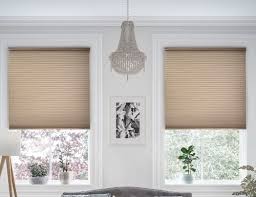
Often considered the gold standard of insulating blinds, cellular shades feature a unique honeycomb structure. These pockets trap air, creating a powerful insulating barrier.
- Features: Available in single, double, and even triple-cell designs, offering varying levels of insulation. The more cells, the higher the R-value and the greater the energy savings.
- Benefits: Their design is lightweight yet highly effective. They come in a wide array of colors and opacities, from light-filtering to complete blackout options, making them a versatile window insulation solution.
Roman Blinds with Thermal Lining
Roman blinds offer a classic, elegant look. When equipped with a thermal or blackout lining, they become a formidable tool for energy efficiency.
- Features: A solid piece of fabric that folds up neatly. A custom thermal lining adds a thick, insulating layer to the back.
- Benefits: The lining not only blocks light but also provides an extra layer of insulation against heat and cold. This makes them an excellent choice for bedrooms and media rooms where light control is also a priority.
Blackout Custom Blinds
While primarily known for blocking light, blackout custom blinds are also fantastic insulators. Their dense, multi-layered fabric is excellent at stopping both thermal energy and UV rays.
- Features: Made from opaque materials with a foam or fabric backing that makes them impervious to light.
- Benefits: They offer maximum privacy and light control while providing significant thermal insulation. They also provide excellent UV protection blinds, safeguarding your furniture, floors, and artwork from fading due to sun exposure.
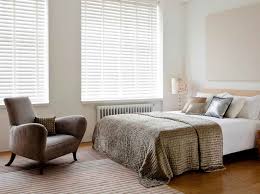
Wood and Faux Wood Blinds
Both wood and faux wood blinds offer a degree of natural insulation. The solid slats create a barrier that can help manage temperature.
- Features: The slats can be tilted to control the amount of light and heat entering the room precisely.
- Benefits: Wood is a natural insulator. Faux wood blinds, often made from a durable polymer, are resistant to moisture, making them a good choice for kitchens and bathrooms. They are a form of sustainable window coverings that add timeless style.
Integrating Blinds into a Smart Home for Maximum Savings
The next level of energy efficiency comes from automation. Motorized custom blinds can be integrated into your smart home system, allowing you to optimize their performance without lifting a finger.
The Power of Automation
With smart blinds, you can schedule them to open and close at specific times of the day.
- Winter Strategy: Program your blinds to open in the morning on sunny days to capture natural solar heat, then close them at dusk to trap that warmth inside overnight.
- Summer Strategy: Schedule them to close during the hottest parts of the day, especially on south- and west-facing windows, to block solar gain and keep your home cool.
This automation maximizes your smart home energy savings by ensuring your blinds are always in the most energy-efficient position. Some systems can even connect to temperature sensors, automatically adjusting the blinds based on the indoor climate.
The Financial and Environmental Benefits
Investing in energy-efficient custom blinds pays dividends over time. The upfront cost is offset by the consistent savings on your monthly energy bills. Homeowners can see a noticeable reduction in both heating and cooling expenses year after year.
Beyond your wallet, choosing these blinds is an environmentally responsible decision. By reducing your energy consumption, you decrease your home’s carbon footprint. Opting for products made from renewable resources, such as wood or recycled materials, further enhances your commitment to sustainability. These are truly sustainable window coverings that contribute to a healthier planet.
Conclusion
Upgrading your window treatments is one of the most effective ways to improve your home’s energy efficiency. Custom blinds, from cellular shades to smart-enabled systems, offer a powerful solution to reduce heating costs in the winter and reduce cooling costs in the summer. By investing in the right thermal blinds, you not only enhance the comfort and style of your living space but also make a smart financial decision that lowers utility bills and a responsible choice for the environment.
Frequently Asked Questions
- How much money can I actually save with energy-efficient blinds?
Savings vary based on your climate, window type, and a home’s existing insulation, but studies show that high-performance insulating blinds can reduce heat loss through windows by 40% or more in the winter and reduce unwanted solar heat by up to 80% in the summer. This can translate into significant savings on your annual energy bills. - Are cellular shades better than thermal-lined Roman blinds for insulation?
Both are excellent choices. Cellular shades, particularly double or triple-cell designs, generally have a higher R-value due to their honeycomb structure that traps air more effectively. However, a high-quality Roman blind with a thick thermal interlining can offer comparable performance with a different aesthetic. - Do the colors of the blinds affect their energy efficiency?
Yes. For managing summer heat, light-colored blinds are more effective. They reflect the sun’s rays away from the window. Dark-colored blinds tend to absorb heat. In winter, this absorption can be a slight benefit on sunny days, but the insulating properties of the blind’s material and construction are far more important overall. - Can I install insulating blinds myself?
While DIY installation is possible for those with experience, professional installation is highly recommended for energy-efficient blinds. A perfect, snug fit is crucial for creating the insulating air pocket and eliminating gaps. Custom blinds are measured precisely for your window frames, and professional installers ensure they are mounted correctly to maximize their benefits. - Are smart blinds worth the extra cost?
For homeowners looking to maximize their energy savings and convenience, smart blinds are a worthwhile investment. The ability to automate their operation based on time of day or even temperature ensures they are always working at peak efficiency, leading to greater smart home energy savings over time than manually operated blinds might.