Upgrading your window treatments can completely transform the look and feel of a room. Yet, finding the right fit, style, and material can feel overwhelming when you face a wall of generic, off-the-shelf options. That is exactly where custom window blinds come into play. Designed to match your exact specifications, custom blinds offer a tailored solution that standard products simply cannot match.
Whether you want to block out the morning sun in your bedroom or add a touch of elegance to your living room, this guide covers everything you need to make an informed decision. We will explore the types of blinds available, the benefits they offer, the best materials, measuring and installation tips, cost factors, and a comprehensive buying guide to help you find the perfect match.
The Benefits of Custom Window Blinds
Why should you choose custom over standard store-bought options? Here are a few compelling reasons:
- Perfect Fit: Standard blinds often leave gaps or hang too low. Custom options are cut to your exact window dimensions, providing better light control and a polished look.
- Superior Quality: Custom treatments usually feature better craftsmanship and higher-quality materials, meaning they last longer and withstand daily wear and tear.
- Personalized Style: You get to choose the exact color, finish, texture, and operating mechanism (like cordless or motorized) that fits your home decor.
- Energy Efficiency: A snug fit provides better insulation, helping you keep your home warm in the winter and cool in the summer.
Exploring the Types of Custom Window Blinds
Understanding the different styles available is the first step in finding the right window treatment for your space.
Venetian Blinds
Venetian blinds feature horizontal slats suspended by tapes or cords. You can tilt the slats to control light and privacy precisely. They are versatile, easy to operate, and look great in almost any room.
Vertical Blinds
Perfect for large windows and sliding glass doors, vertical blinds consist of individual vanes that hang from a track. You can draw them to the side or tilt them open. They are highly practical for wide spaces and very easy to clean.
Roller Blinds
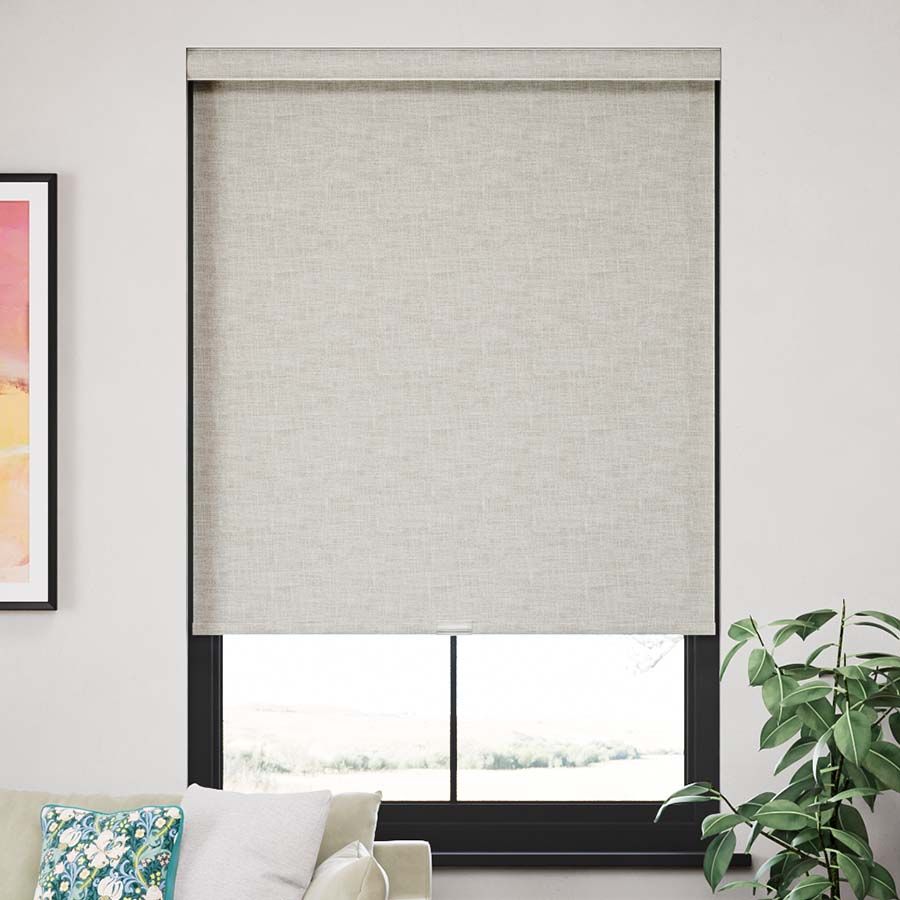
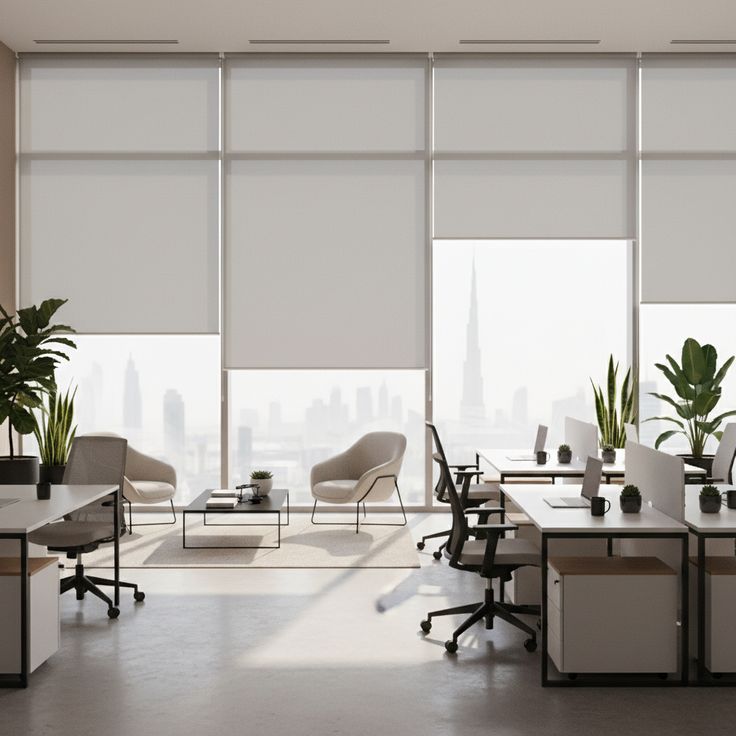
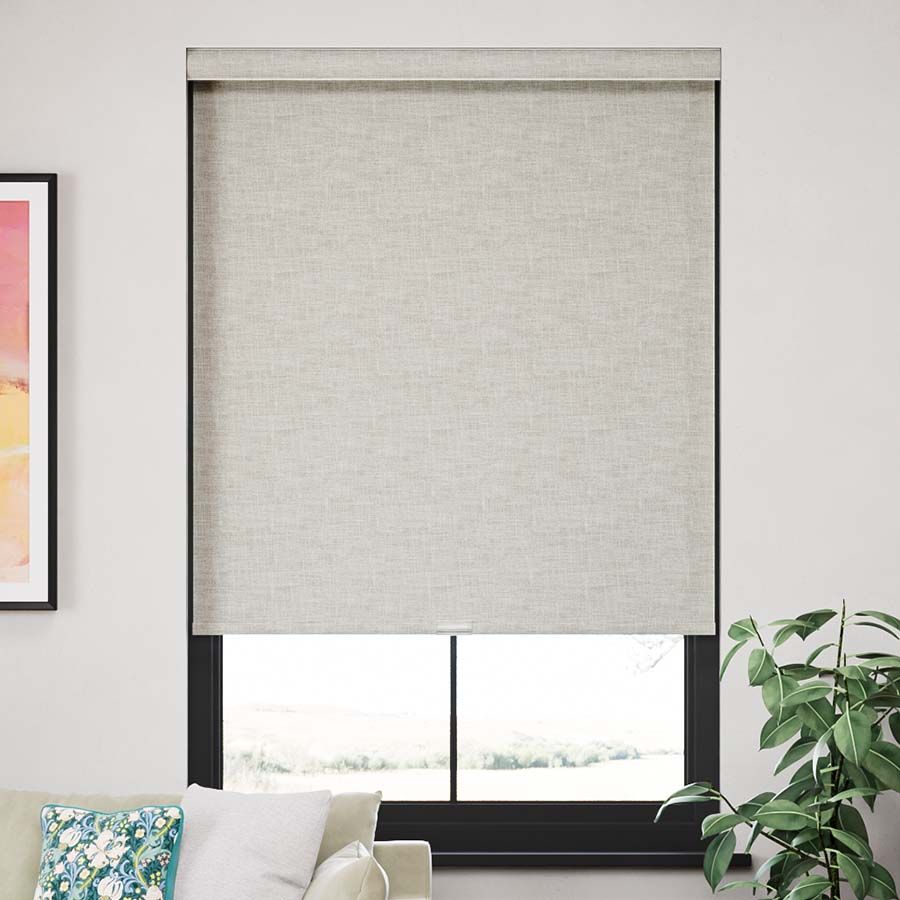
Roller blinds offer a sleek, minimalist look. They consist of a single piece of fabric that rolls up neatly around a tube at the top of the window. You can choose from various opacities, from sheer filters to total blackout fabrics.
Roman Blinds
When you want the softness of drapery with the functionality of a blind, Roman blinds are an excellent choice. The fabric folds up evenly when raised, creating an elegant, layered look at the top of your window.
Popular Materials for Custom Blinds
The material you choose impacts not only the appearance of your blinds but also their durability and maintenance.
- Real Wood: Wood offers a warm, classic, and natural aesthetic. It is lightweight and beautiful but can warp in high-humidity areas like bathrooms or kitchens.
- Faux Wood: Made from a composite of wood and PVC, faux wood mimics the look of real wood but resists moisture and humidity. It is a highly durable and cost-effective option.
- Aluminum: Aluminum blinds are lightweight, sleek, and highly durable. They resist moisture well and offer a modern, industrial look, though they can bend if handled roughly.
- Vinyl: Vinyl is affordable, durable, and easy to clean. It is an excellent choice for high-traffic areas or homes with small children and pets.
- Fabric: Used mainly in Roman and roller blinds, fabrics come in endless colors and patterns. They add softness to a room but require more careful cleaning than hard materials.
Essential Measuring Tips for a Perfect Fit
Accurate measurements are the secret to great-looking custom blinds. Before you grab your tape measure, you need to decide between an inside mount and an outside mount.
Inside Mount vs. Outside Mount
An inside mount fits neatly inside the window frame, providing a clean, built-in look. It requires enough window depth to house the blind mechanism. An outside mount sits outside the window frame, often covering the molding. This is ideal if your window lacks depth or if you want to make the window appear larger.
How to Measure
- Use a Steel Measuring Tape: Cloth tapes can stretch and give inaccurate readings.
- Measure the Width: For an inside mount, measure the inside width at the top, middle, and bottom. Record the narrowest measurement. For an outside mount, measure the width of the area you want to cover.
- Measure the Height: Measure the inside height from the top of the window opening to the sill at the left, middle, and right sides. Record the longest measurement.
- Do Not Make Deductions: Provide the exact measurements to the manufacturer. They will make the necessary deductions to ensure the blinds operate smoothly without scraping the frame.
The Installation Process: What to Expect
Installing custom blinds is a manageable project, even if you are not an experienced DIYer. Most blinds come with the necessary mounting hardware and clear instructions.
Typically, you will start by marking where the brackets will go. Using a drill, you secure the brackets to the window frame or wall. Once the brackets are firmly in place, you simply snap or slide the headrail of the blind into the brackets and attach any valances or wands.
If you have a large house with multiple windows, or if you are installing complex motorized systems, hiring a professional installer can save you time and ensure everything functions perfectly.
Understanding Cost Factors
The price of custom blinds varies widely based on several key factors:
- Window Size: Larger windows require more materials, which increases the cost.
- Material: Real wood and premium fabrics cost more than vinyl or aluminum.
- Customization Options: Upgrades like cordless lifts, continuous cord loops, or smart-home motorization will add to the final price.
- Labor: If you hire a professional for measuring and installation, expect to add an average of $250 to $300 per window to your budget.
Your Ultimate Buying Guide
Ready to make a purchase? Follow these steps to ensure you get exactly what you need:
- Assess the Room’s Function: Does the room need total darkness, like a bedroom or media room? Opt for blackout roller blinds or faux wood blinds. Is it a high-moisture area like a bathroom? Stick to aluminum or faux wood.
- Determine Your Budget: Knowing your spending limit helps narrow down material choices. Vinyl and aluminum are budget-friendly, while real wood and custom fabrics require a larger investment.
- Consider Safety: If you have young children or pets, cordless blinds or motorized options are the safest choices, as they eliminate strangulation hazards.
- Order Samples: Always request color and material swatches before placing a full order. Lighting varies from room to room, and you want to ensure the color matches your walls and furniture.
Conclusion
Investing in custom window blinds is a smart way to enhance your home’s aesthetic, improve energy efficiency, and gain precise control over light and privacy. By understanding the different types, materials, and cost factors, you can confidently choose window treatments that elevate your space. Grab your steel tape measure, order a few material samples, and take the first step toward transforming your windows today.
Frequently Asked Questions (FAQs)
How long do custom window blinds typically last?
With proper care, high-quality custom blinds can last between 7 and 10 years. Real wood and durable faux wood options often last even longer if well-maintained.
Are custom blinds hard to clean?
Not at all. For hard materials like wood, faux wood, and aluminum, a simple dusting with a microfiber cloth or a gentle vacuum with a brush attachment works wonders. Vinyl can be wiped down with a damp cloth.
Can I make my custom blinds motorized later?
It depends on the manufacturer and the specific blind type, but retrofitting is often difficult and expensive. If you think you might want motorized blinds, it is best to order them with that feature from the start.
Is an inside mount always better than an outside mount?
Inside mounts are generally preferred for a clean, minimalist look. However, outside mounts are better if your windows are shallow, out of square, or if you want to block out the maximum amount of light possible.