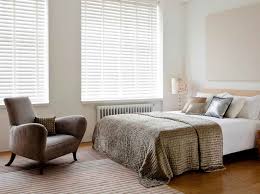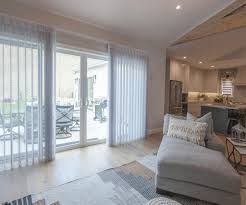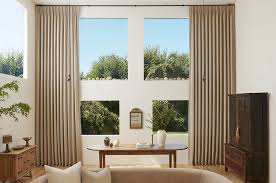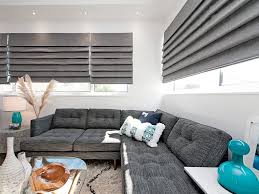
Choosing new window coverings usually starts with one big question: should you buy off-the-shelf blinds from a big-box store or invest in custom treatments made specifically for your windows?
This decision impacts your budget, the look of your home, and how long your window coverings will last. While ready-made options offer speed and lower upfront costs, custom treatments provide precision fit and superior materials.
This guide breaks down the differences between custom window treatments and ready-made blinds to help you decide which option is right for your home.
What’s the Difference?
Before diving into the pros and cons, let’s clarify what each term means.
What are Ready-Made Blinds?
Ready-made blinds (or “stock” blinds) are mass-produced in standard sizes. You find them at home improvement stores or online retailers. They come pre-packaged and are designed to fit the most common window dimensions. You take them home and install them yourself, often on the same day.
What are Custom Window Treatments?
Custom window treatments are manufactured to the exact specifications of your individual windows. A professional usually measures your windows, and the blinds, shades, or shutters are built to those precise dimensions. This category includes a wider range of materials, lift systems, and design options not available in mass-produced lines.
Ready-Made Blinds: Pros and Cons
Ready-made blinds are the go-to choice for quick fixes and tight budgets.
Pros:
- Affordability: This is the biggest selling point. Mass production keeps costs low.
- Convenience: You can walk into a store, buy them, and hang them immediately. No waiting period.
- Easy Returns: If you change your mind, returning a standard product is simple.
Cons:
- Limited Sizing: Windows are rarely “standard.” You may end up with gaps on the sides or a stack of extra slats at the bottom.
- Lower Quality Materials: Manufacturers often use thinner metals, plastics, or vinyl to keep prices down, which can yellow or warp over time.
- Basic Styles: You are generally limited to neutral colors and standard styles like faux wood or aluminum mini-blinds.
Custom Window Treatments: Pros and Cons
Custom treatments are an investment in your home’s infrastructure and aesthetics.
Pros:
- Perfect Fit: They are measured to the millimeter, eliminating light gaps and ensuring smooth operation.
- Durability: High-quality components and fabrics mean they often last 10-20 years, compared to 3-5 years for stock blinds.
- Endless Customization: You choose the fabric, opacity, lift system (motorization, cordless), and hardware finishes.
- Energy Efficiency: A tighter fit means better insulation, keeping your home cooler in summer and warmer in winter.
Cons:
- Higher Cost: Custom labor and premium materials increase the price significantly.
- Wait Time: Manufacturing and shipping can take anywhere from 2 to 6 weeks.
- Non-Returnable: Because they are made for your specific windows, you usually cannot return them simply because you changed your mind.
The Cost Comparison: What to Expect
When comparing costs, it helps to look at the “price per window.”
Ready-Made Blinds Cost:
You can expect to pay between $20 and $100 per window for standard blinds at a big-box store. Simple vinyl roller shades might even be cheaper, while slightly better faux wood blinds will be at the higher end of this range.
Custom Window Treatments Cost:
Custom options generally start around $150 per window and can go up to $500+ per window depending on the material, size, and motorization options. Premium options like plantation shutters or motorized Roman shades will be at the top of the price bracket.
The Bottom Line:
If you have 10 windows to cover:
- Ready-Made: ~$500 – $1,000 total.
- Custom: ~$2,000 – $5,000+ total.
Deep Dive: Fit, Durability, Style, and Value
Beyond the price tag, how do these options actually compare in daily life?
Fit and Light Control
- Ready-Made: Often “cut-to-width” in the store or sold in 1-inch increments. This leaves gaps on the sides where light leaks in (the “halo effect”). They are rarely the exact right length, leaving a bundle of slats resting on the sill.
- Custom: Measuring takes into account window depth and any irregularities in the frame. The result is a clean look with maximum light blockage and privacy.
Durability and Mechanics
- Ready-Made: The internal cords and tilt mechanisms are often the first things to break. The plastic parts can become brittle in direct sunlight.
- Custom: Built with heavy-duty headrails and higher-grade internal components. Many custom brands offer substantial warranties because the products are built to handle daily wear and tear.
Style and Aesthetics
- Ready-Made: Function over form. You get basic white, off-white, or maybe a gray. The valance (the piece covering the top hardware) is usually simple and utilitarian.
- Custom: Form meets function. You can match drapery to pillows, choose designer fabrics, and select hardware that matches your light fixtures. The aesthetic impact is comparable to adding high-end furniture to a room.
Long-Term Value
- Ready-Made: Consider these a consumable item. You will likely replace them every few years.
- Custom: These are a fixture. They can increase your home’s resale value, especially if you install permanent options like shutters. The energy savings from a proper fit also contribute to long-term value.
Which Option is Best for You?
The “right” choice depends entirely on your current situation and goals.
Choose Ready-Made Blinds If:
- You are renting and don’t want to invest in a property you don’t own.
- You are staging a home for sale and need a quick, clean look.
- You have a very strict budget.
- You need window coverings immediately (e.g., you just moved in and need privacy tonight).
Choose Custom Window Treatments If:
- This is your “forever home” or a long-term residence.
- You have non-standard windows (arched, bay windows, or very large sliding doors).
- You want specific features like motorization, smart-home integration, or child-safe cordless lifts.
- Interior design and specific aesthetics are important to you.
- You want better energy efficiency and insulation.
Frequently Asked Questions (FAQ)
Are custom blinds worth the extra money?
Yes, if you plan to stay in your home for more than 3-5 years. The superior durability means you won’t have to replace them frequently, and the energy efficiency can lower utility bills. If you are flipping a house or renting, they may not offer a good return on investment.
Can I cut ready-made blinds to fit my windows?
Some store-bought blinds are “cut-down” blinds, meaning the store has a machine to trim the width for you. However, you cannot easily adjust the length or the internal mechanics yourself without risking damage to the blind.
Do custom window treatments increase home value?
High-quality custom treatments, particularly plantation shutters, are often considered “fixtures” in a home sale and can add appraisal value. While soft treatments (like drapes) are often taken by sellers, hard treatments usually stay and are a selling point for buyers.
How do I measure for custom blinds?
Most custom blind companies recommend professional measurement to ensure accuracy. If you measure yourself, use a steel tape measure (not cloth), measure width in three places (top, middle, bottom) and height in three places (left, middle, right). Always record the narrowest width and the longest height.
What is the lead time for custom blinds?
Standard custom blinds usually take 2-3 weeks to manufacture and ship. If you choose imported fabrics or complex shutters, the timeline can extend to 6-8 weeks.
Conclusion
The battle between custom window treatments and ready-made blinds comes down to a trade-off between cost vs. quality and convenience vs. customization.
If you need a quick, budget-friendly solution, ready-made blinds will get the job done. However, if you are looking for a precise fit, long-lasting durability, and a polished look that elevates your home’s interior, custom treatments are the clear winner.
Ready to upgrade your view? Start by getting a professional measurement of your windows. This simple step will show you exactly what is possible for your space and help you get an accurate quote for custom options.