Have you ever tried to sleep through a bright summer morning, only to give up and make coffee at dawn? Or perhaps you wanted to enjoy natural sunlight in your living room without feeling like you are sitting in a fishbowl. Choosing the right window treatments makes a massive difference in your daily comfort.
This guide breaks down everything you need to know about blackout shades and light filtering shades. We will explore how they work, compare their pros and cons, and help you decide which option fits your space best. By the end of this post, you will know exactly how to upgrade your home’s lighting and privacy.
Understanding Your Light Control Options
Before diving into the specific advantages of each style, let us define these two popular light control solutions. Both options serve a unique purpose in home design and functionality.
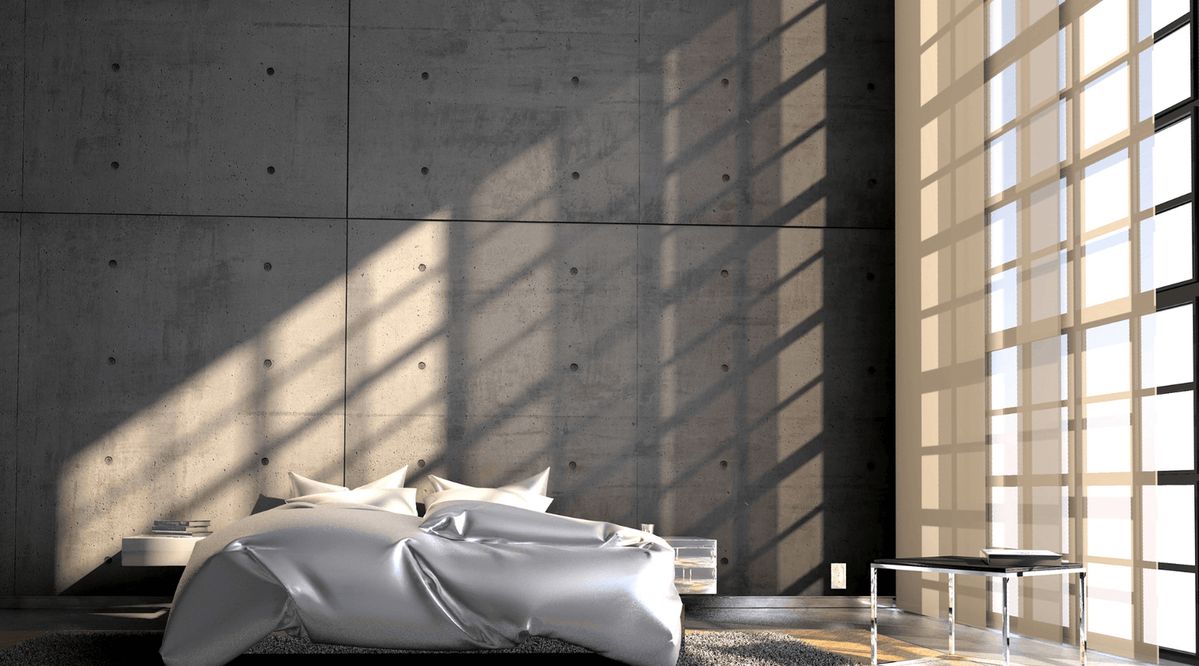
Blackout shades use opaque fabrics or special backings to block almost all incoming light. They create a completely dark environment, regardless of the time of day. Manufacturers design these shades to stop sunlight, street lamps, and car headlights from penetrating your windows.
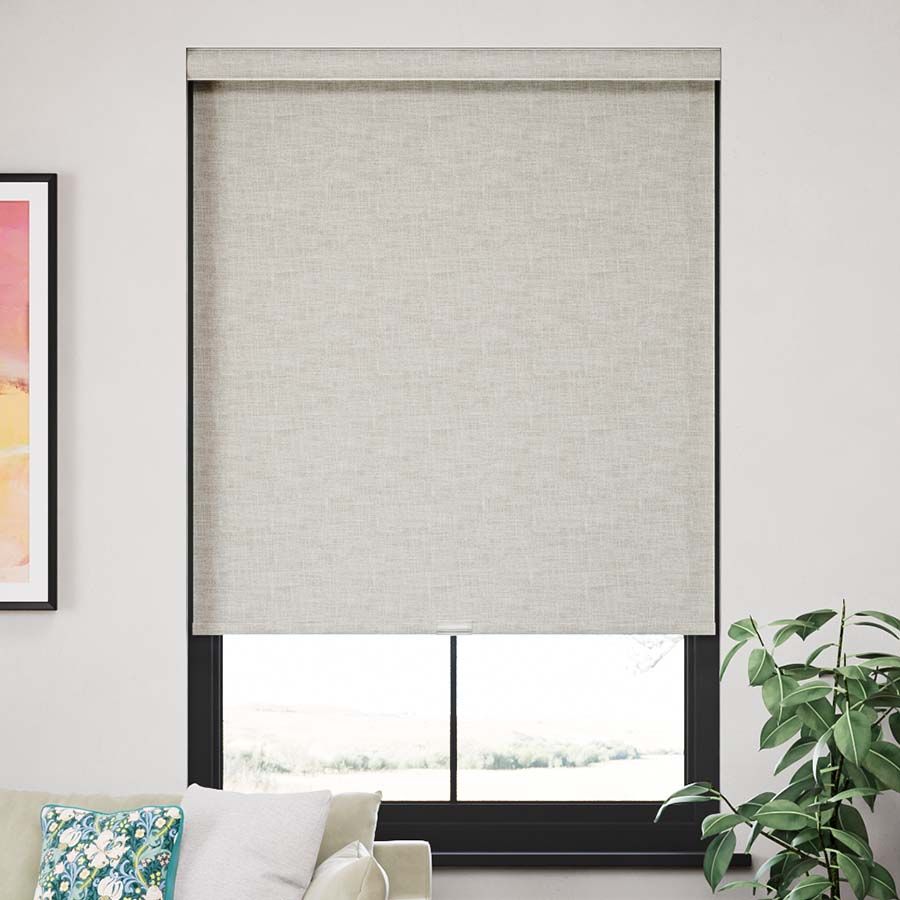
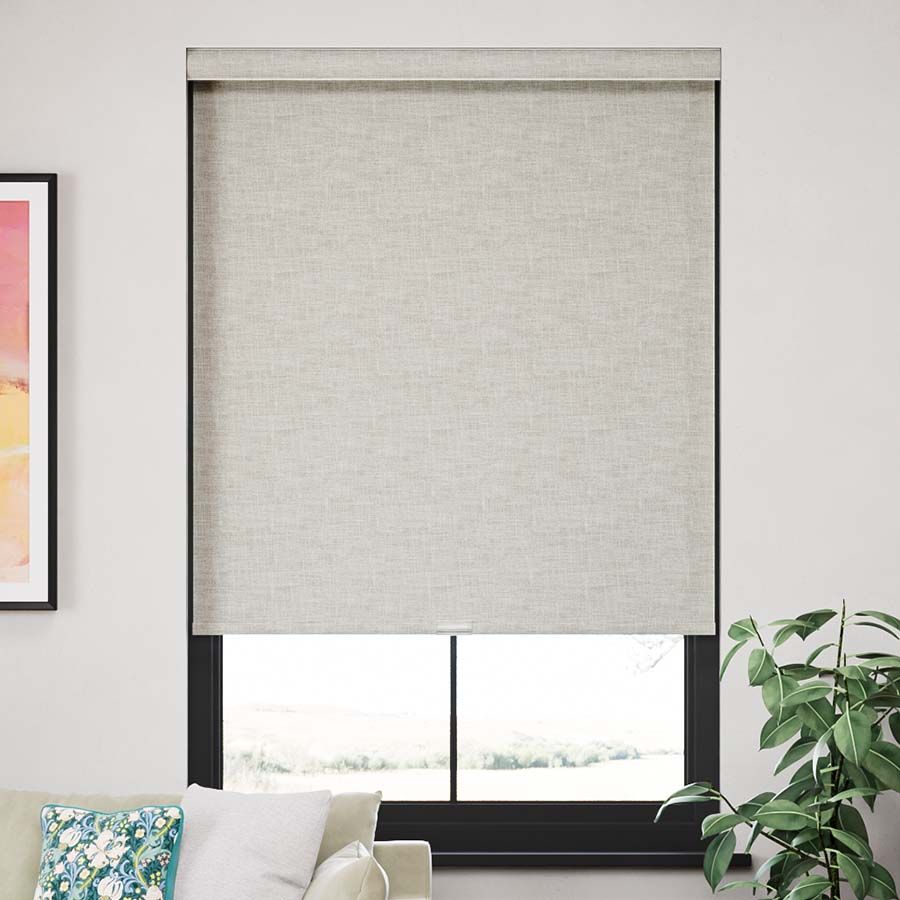
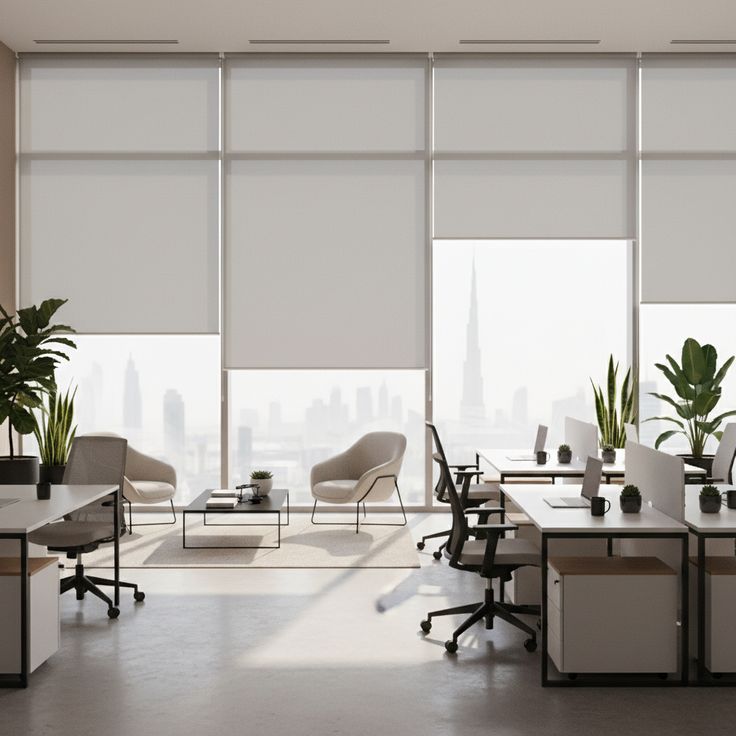
Light filtering shades take a different approach. They use semi-opaque materials to soften harsh sunlight. These shades diffuse light evenly across the room, maintaining a bright, welcoming atmosphere while offering basic privacy. They transform blinding glare into a gentle, warm glow.
The Pros and Cons of Blackout Shades
Blackout shades serve as the heavy-duty option for light control and privacy. They are engineered to provide maximum darkness and isolation from the outside environment.
Advantages of Blackout Shades
- Maximum light control: They block up to 99% of outside light. This makes them perfect for day sleepers, shift workers, or anyone who enjoys a weekend sleep-in.
- Enhanced privacy: No one can see into your home at night when these shades are drawn. You can walk around your bedroom or bathroom with complete peace of mind.
- Better insulation: The thick materials often provide a thermal barrier against heat and cold. This insulation can lower your heating and cooling bills throughout the year.
- Protection for interiors: They prevent harmful UV rays from entering the room. This stops your furniture, hardwood floors, and artwork from fading over time.
Disadvantages of Blackout Shades
- All-or-nothing lighting: When pulled down, your room becomes completely dark. You must roll them up to get any natural light, which forces you to sacrifice privacy during the day.
- Heavier appearance: The thick fabrics and linings can look bulky in smaller rooms. They may feel too visually heavy for minimalist or airy interior designs.
- Potential light gaps: Unless you install special side channels, some light may leak through the edges of the window frame. This “halo effect” bothers some light-sensitive sleepers.
The Pros and Cons of Light Filtering Shades
Light filtering shades offer a gentler approach to window treatments. They prioritize natural illumination while taking the edge off direct sunlight.
Advantages of Light Filtering Shades
- Soft natural light: They reduce glare while keeping your space bright and inviting. You will not need to rely on artificial lighting during the day.
- Daytime privacy: You can enjoy the sunlight without exposing your living space to the street. Passersby cannot clearly see inside your home during daylight hours.
- Lighter aesthetics: These shades use thinner materials that look sleek and modern. They blend seamlessly into a wide variety of decor styles.
- View preservation: Certain materials allow you to see outside while still diffusing the incoming light. You can enjoy your garden view without squinting through harsh glare.
Disadvantages of Light Filtering Shades
- Limited nighttime privacy: When your lights are on at night, the interior of your home becomes brighter than the outside. Outsiders might see silhouettes or shadows moving through the fabric.
- Poor darkness for sleeping: They will not block streetlamps or early morning sun. If you need complete darkness to sleep, these shades will disappoint you.
- Minimal insulation: The lighter materials offer much less protection against temperature changes compared to thicker blackout alternatives.
Best Use Cases for Each Shade Type
Choosing between these two options comes down to how you use specific rooms in your home. Let us look at the ideal locations for each type of window treatment.
When to Choose Blackout Shades
- Bedrooms: Good sleep requires darkness. Blackout shades help regulate your circadian rhythm by keeping morning sun and nighttime artificial light out.
- Nurseries: Babies and toddlers often nap during the middle of the day. A dark room makes daytime sleep much easier for both parents and children.
- Home theaters or media rooms: Prevent screen glare and create a true cinematic experience. Blackout materials eliminate all outside light diversions.
- South-facing rooms: If a room gets baked by intense afternoon sun, blackout materials will keep it cool and comfortable during the hottest parts of the day.
When to Choose Light Filtering Shades
- Living rooms: These spaces thrive on bright, welcoming energy. Light filtering shades cut the glare on your television while keeping the room cheerful.
- Kitchens: You need excellent visibility to cook safely, but you also want privacy from your neighbors. Diffused sunlight provides the perfect balance here.
- Dining rooms: Soft lighting creates a highly pleasant atmosphere for family meals or entertaining guests.
- Home offices: Natural light boosts productivity and elevates your mood. Light filtering materials stop direct sun from causing annoying computer screen glare.
The Layered Approach: Maximizing Your Options
Sometimes, you do not want to choose just one option. Many homeowners combine both window treatments for ultimate flexibility. You can easily achieve this through a smart layered design.
You can install a light filtering shade inside the window frame for daytime use. Then, mount a blackout roller shade or blackout curtains outside the window frame. This setup allows you to enjoy soft sunlight during the day and pull the blackout layer shut for complete darkness at night.
Alternatively, you can purchase dual shades. These clever designs feature alternating bands of sheer and opaque fabrics. You can align the bands to let light in, or overlap them to block the light completely with a simple pull of a cord.
Conclusion and Buying Recommendations
Your choice of window treatments directly impacts how you experience your home every single day. The right decision depends entirely on your daily routine and room usage.
If your primary goal is deep sleep, complete privacy, or temperature control, blackout shades are your best investment. They transform any room into a dark, cozy retreat. We highly recommend them for bedrooms, nurseries, and media rooms.
If you prefer bright spaces, want to reduce glare without losing the sun, and need basic daytime privacy, light filtering shades will serve you perfectly. They keep your home feeling open and energetic. Use them in kitchens, living rooms, and home offices.
Take a walk through your home and evaluate the lighting needs of each room. Consider the direction your windows face and how you use the space at different times of the day. Once you identify these needs, you can confidently purchase the right shades to enhance both the function and comfort of your home.