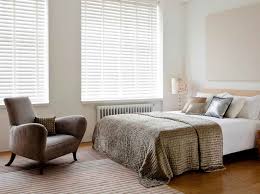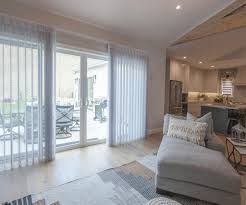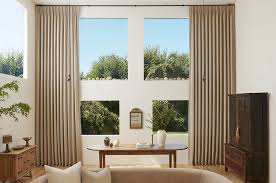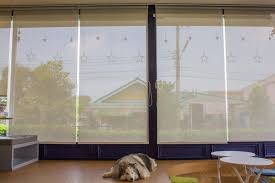
We have all been there. You just stepped out of the shower or are lounging in your pajamas with a cup of coffee, and you suddenly lock eyes with a neighbor walking their dog past your front window. The instinct is to shut the blinds tight and turn your home into a cave. But then you lose that beautiful morning sunshine that makes your living room feel alive.
It is the classic homeowner dilemma. We crave bright, airy spaces filled with natural light, but we also cherish our privacy. Nobody wants to feel like they are living in a fishbowl, especially in intimate spaces like bedrooms and bathrooms or high-traffic areas like street-facing living rooms.
The good news is that you don’t have to choose between living in the dark and putting your life on display. Modern design has come a long way, offering smart window solutions that let the sunshine in while keeping prying eyes out. Let’s explore some of the best ways to strike that perfect balance.
Why Sheer Curtains Are a Timeless Classic
When you think of light-filtering window coverings, sheer curtains are likely the first thing that comes to mind. There is a reason they have remained a staple in interior design for decades. They offer a softness and elegance that hard blinds just cannot replicate.
Sheer curtains are made from lightweight, translucent fabrics like voile, linen, or polyester blends. They act as a diffuser. Instead of blocking the sun, they soften it, reducing glare while still allowing plenty of daylight to wash over your room. During the day, they make it difficult for anyone outside to see in, providing a decent level of daytime privacy.
They work beautifully in living rooms and dining areas where you want a breezy, open feel. If you need more privacy at night—since sheers become transparent when the lights are on inside—you can easily pair them with heavier drapes. This layering technique gives you the best of both worlds: daylight filtering during the day and total seclusion after sunset.
The Magic of Light-Filtering Blinds
If you prefer a cleaner, more structured look than flowing fabric, light-filtering blinds are an excellent alternative. Unlike blackout shades which use opaque materials to stop light completely, light-filtering options are designed to glow. They catch the sunlight and disperse it throughout the room.
Roller shades and Roman shades often come in light-filtering fabrics. These materials come in various opacities. A lower opacity percentage means the weave is tighter, offering more privacy but less light, while a higher opacity does the reverse.
For a street-facing window, you might choose a semi-opaque fabric. You will get a lovely, warm ambiance in the room without the harsh shadows of direct sun. Neighbors might see shadows or movement if they are right up against the glass at night, but they won’t be able to see details. This makes them a solid choice for home offices or kitchens where you want to eliminate screen glare without needing a desk lamp at noon.
Top-Down Bottom-Up Shades: The Ultimate Control
One of the most innovative natural light window solutions on the market today is the top-down bottom-up shade. Standard shades only open from the bottom, meaning to get light, you have to expose the bottom half of your window—exactly where people can see in.
These clever shades allow you to lower the top of the shade while keeping the bottom closed. Imagine being able to drop the top half of your shade to let in the sky and sunlight, while the bottom half stays up to cover your furniture and you.
This style is a game-changer for ground-floor apartments or homes on busy streets. You maintain privacy at eye level, blocking the view from the sidewalk, but you don’t sacrifice the natural light streaming in from above. They work exceptionally well in bathrooms too. You can keep the bottom covered for modesty while enjoying natural light while you get ready for the day.
Cellular Shades: Efficiency Meets Privacy
Cellular shades, often called honeycomb shades, are the workhorses of the window treatment world. They are famous for their energy efficiency because their unique honeycomb structure traps air, acting as an insulator against heat and cold. But they are also fantastic privacy window shades.
Most cellular shades come in light-filtering varieties made from spun lace or bonded fabrics. These shades provide a uniform, soft glow that illuminates a room beautifully. Because the fabric is often double-layered due to the honeycomb construction, it obscures views almost completely. Even with light-filtering options, someone outside would struggle to see anything more than vague shadows, even at night.
This high level of privacy makes cellular shades perfect for bedrooms and bathrooms. Plus, their low profile when raised means they almost disappear, giving you an unobstructed view when you do want it.
Frosted Window Film: A Modern Minimalist Solution
Sometimes the best window treatment isn’t a hanging treatment at all. Frosted window film is a sleek, modern solution that applies directly to the glass. It mimics the look of etched or sandblasted glass at a fraction of the cost.
This is a fantastic option for unique window shapes that are hard to dress, like arches, transoms, or the narrow sidelight windows next to front doors. The film allows a high percentage of light to pass through but scatters it so effectively that visibility is completely blocked. You cannot see out, and they cannot see in.
Window film is particularly useful in bathrooms, especially for shower windows where fabric treatments might suffer from humidity and mold. It is also a great renter-friendly option, as many films rely on static cling rather than adhesive, making them easy to remove when you move out.
Layered Window Treatments for Custom Control
Sometimes one solution isn’t enough. Layering is a designer trick that adds depth to your room while giving you maximum control over light and privacy. This usually involves combining a hard treatment, like blinds or shades, with a soft treatment, like drapes.
For example, you might install solar shades—which reduce heat and UV rays while preserving your view out—and frame them with linen curtains. During the day, the solar shades cut the glare. In the evening, you draw the curtains for coziness and total privacy.
Another popular combination is installing a double rod with sheer curtains on the inner rod and blackout curtains on the outer rod. This setup gives you every possible option: open for full view, sheers for filtered light and privacy, or blackout drapes for movie nights and sleeping.
Tips for Choosing the Right Opacity and Color
Choosing the right fabric and color is just as important as the type of treatment.
When it comes to opacity, think about the room’s function. A 1% to 3% openness factor on solar shades offers great privacy but less light. A 5% to 10% openness lets in more light and allows for a clearer view out, but offers less privacy at night. For bathrooms, you almost always want translucent or opaque, never transparent.
Color also plays a huge role in how light interacts with your room. Surprisingly, lighter colors like white, cream, or light gray reflect light and can actually brighten a room even when the shades are down. However, they can sometimes create a glare if direct sun hits them. Darker fabrics absorb light and reduce glare, making them easier on the eyes, but they can make a room feel slightly dimmer.
Room-Specific Recommendations
Every room has different needs, so you shouldn’t feel pressured to use the same treatment throughout the house.
In the living room, prioritize versatility. Layering sheers with heavier drapes or using light-filtering roller shades keeps the space inviting for guests.
For the bedroom, privacy is paramount. Cellular shades or top-down bottom-up shades are excellent here. They ensure you can get dressed without worry while still waking up to natural light if you choose light-filtering fabrics.
In the bathroom, moisture resistance and total obscurity are key. Faux wood blinds or frosted window films are your best bets. They withstand humidity and guarantee no accidental shows for the neighbors.
For the home office, focus on glare reduction. Solar shades or adjustable slats on Venetian blinds allow you to direct light away from your computer screen while keeping the room bright enough to stay energized.
Finding Your Perfect Balance
You do not have to sacrifice the uplifting power of sunlight to feel secure in your own home. By selecting the right window treatments for privacy, you can curate a home that feels open and airy while remaining your personal sanctuary.
Whether you fall in love with the soft elegance of sheer curtains, the practicality of top-down bottom-up shades, or the sleek look of frosted film, the perfect solution is out there. Take a look at your windows, consider what each room needs, and embrace the light without the worry.