Choosing the right window treatments can feel like the final, critical piece of a puzzle. You’ve got the furniture, the paint colors, and the flooring dialed in. Now, you’re staring at your windows, wondering how to dress them without ruining the clean lines of your modern home.
Two contenders usually rise to the top of the list: Roller shades and Roman shades. Both offer distinct advantages, but they serve different aesthetic and functional roles. Understanding the nuances between them will help you make a choice that elevates your space rather than just covering it up.
This guide breaks down the differences in design, functionality, maintenance, and cost to help you decide which shade reigns supreme for your home.
The Aesthetic Showdown: Clean Lines vs. Soft Texture
The primary difference between these two shades lies in their visual impact. One is about disappearing; the other is about making a statement.
Roller Shades: The Minimalist’s Dream
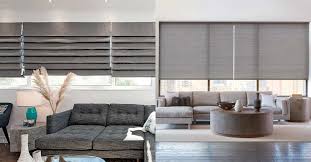
If your design philosophy leans toward “less is more,” roller shades are likely your best match. They are designed to be sleek and unobtrusive. When raised, the fabric rolls neatly onto a tube at the top of the window, often disappearing into a cassette or valance.
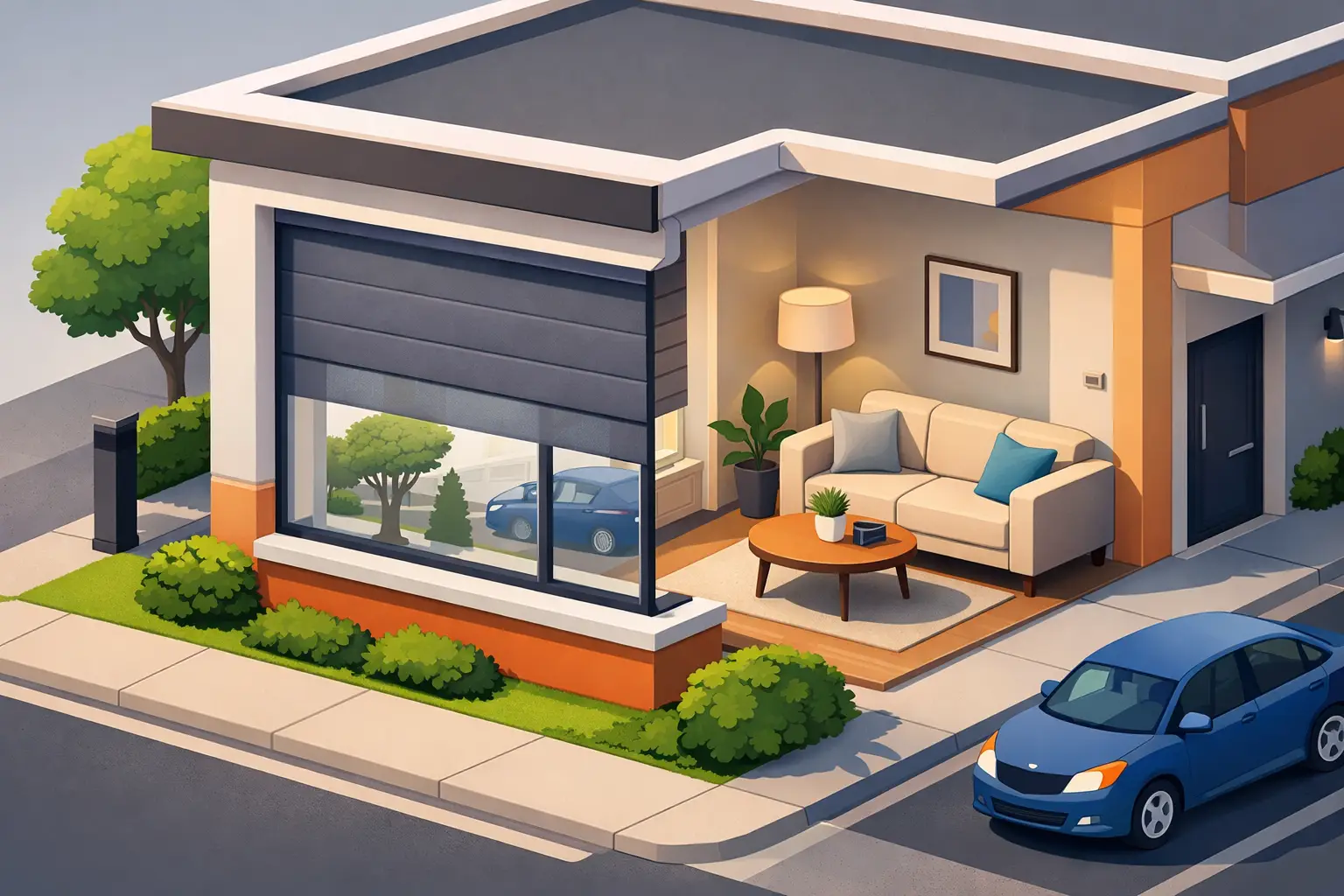
This design maximizes your view. They sit flush against the window frame, taking up minimal visual space. In modern homes with large windows or glass walls, roller shades protect your privacy without stealing the show from the architecture.
Roman Shades: The Soft Statement
Roman shades bring warmth and character. Unlike the flat profile of a roller shade, Roman shades stack up in horizontal folds when raised. This creates a soft, layered look that adds texture and depth to a room.
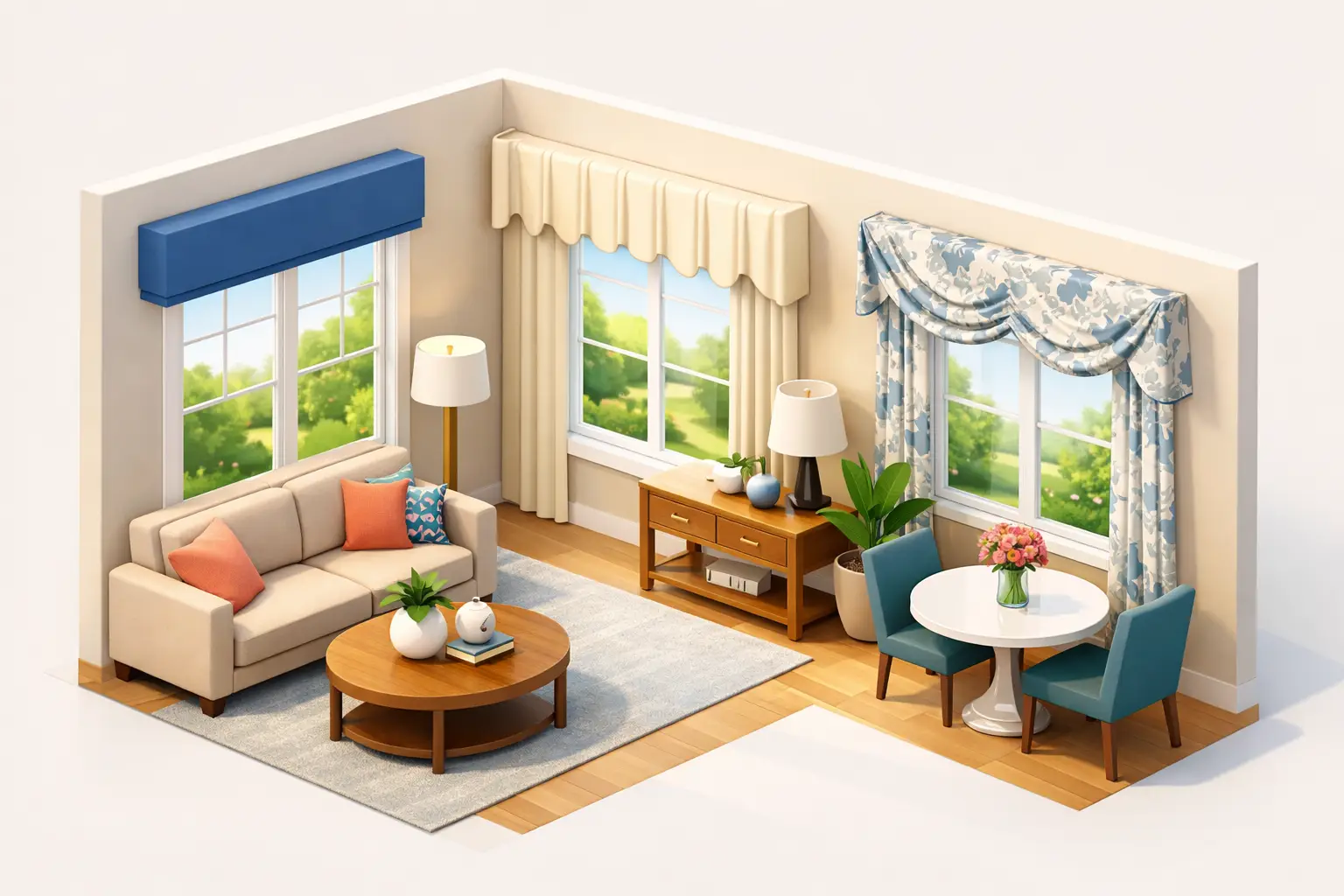
Even in a modern home, spaces can sometimes feel cold or sterile if everything is hard-edged. A Roman shade introduces a fabric element that softens the room’s acoustics and visuals. They bridge the gap between the severity of a blind and the fullness of drapes.
Functionality and Ease of Use
How you live with your shades is just as important as how they look.
Operating Roller Shades
Roller shades are the workhorses of the window treatment world. Their mechanism is simple: a spring or chain system rolls the fabric up or down. Because the mechanism is straightforward, they are incredibly durable and easy to operate.
Modern roller shades often come with motorization options. With the push of a button or a voice command, you can adjust an entire wall of windows. This is a massive perk for smart homes or hard-to-reach windows.
Operating Roman Shades
Roman shades are traditionally operated by a cord system that pulls the fabric up in sections. While modern versions offer cordless lifts for safety and cleaner looks, the mechanism is inherently more complex than a roller shade.
Because of the fabric folds, Roman shades take up more “stacking space” at the top of the window when fully raised. This means they might block a few inches of your view even when open. However, this creates a permanent decorative valance effect that many homeowners love.
Maintenance and Durability: Which Lasts Longer?
We all want home features that look great on day one and day one thousand.
Roller Shades:
- Cleaning: Generally easier to clean. Many are made from vinyl or synthetic blends that can be wiped down with a damp cloth.
- Dust: Their vertical, flat surface means dust doesn’t settle on them easily.
- Durability: The simple rolling mechanism has fewer points of failure.
Roman Shades:
- Cleaning: Since they are often made of softer fabrics like cotton, linen, or silk, they attract more dust. Cleaning usually requires a vacuum with a brush attachment or professional cleaning for stains.
- Dust: The horizontal folds act as shelves for dust, requiring more frequent attention.
- Durability: The cords and rings used to create the folds can wear out over time, though high-quality construction mitigates this.
The Cost Factor
Budget is always a consideration. Generally speaking, roller shades are the more budget-friendly option, but variables exist.
Roller Shades:
These are typically less expensive due to simpler manufacturing processes and less fabric usage. Basic vinyl blackout roller shades can be very affordable. However, the price jumps significantly if you add designer fabrics, custom fascia (to hide the roll), or motorization.
Roman Shades:
Expect to pay a premium here. Roman shades require more fabric to create the folds and more labor to sew. If you choose a luxury fabric or add a blackout liner, the cost increases further. Essentially, you are paying for a semi-custom drapery product.
Pros and Cons Summary
Roller Shades
Pros:
- Sleek, minimal profile fits modern aesthetics perfectly.
- Easy to clean and maintain.
- Disappears when raised, maximizing views.
- Generally more affordable.
Cons:
- Can look “utilitarian” or office-like if not chosen carefully.
- Offers less insulation than heavy fabric shades.
- Light gaps can occur on the sides (unless you install side channels).
Roman Shades
Pros:
- Adds texture, warmth, and elegance to a room.
- Offers better insulation due to heavier fabrics and lining options.
- Hides the hardware at the top of the window naturally.
- Vast array of fabric choices to match decor.
Cons:
- Takes up window space when raised (stacking height).
- Collects dust in the folds.
- More expensive than roller alternatives.
Recommendations for Modern Interiors
Not all modern homes are the same. Here is how to choose based on your specific style:
- The Industrial Loft
- Verdict: Roller Shades.
- Why: The utilitarian look matches exposed brick and ductwork. Choose a screen fabric that blocks UV rays but keeps the city view visible.
- The Scandinavian Minimalist
- Verdict: Roller Shades (Textured).
- Why: Stick to the clean lines, but choose a roller shade with a subtle weave or texture to avoid it looking too sterile. White or light gray works best here.
- The Mid-Century Modern
- Verdict: Flat-Fold Roman Shades.
- Why: A flat-fold Roman shade (which lays flat when down but folds when up) complements the clean lines of mid-century furniture while adding a touch of retro textile warmth.
- The “Soft Modern” or Transitional
- Verdict: Roman Shades.
- Why: If your modern home involves plush rugs and comfortable sofas, Roman shades in a solid, neutral linen will tie the room together beautifully without looking old-fashioned.
Conclusion: Making the Right Choice
The battle between Roller Shades vs Roman Shades isn’t about which is objectively “better,” but which solves the specific problems of your room.
If you crave efficiency, maximum natural light, and a “barely there” look, the roller shade is your champion. It protects your privacy without interrupting the architectural lines of your home.
If your room feels a bit empty, echoes too much, or needs a splash of softness to counter concrete and glass, the Roman shade is the winner. It acts as a piece of decor in its own right.
Next Steps:
- Assess your view: Do you want to see 100% of the glass when the shade is up? (Go Roller).
- Check your dust tolerance: Do you hate vacuuming window treatments? (Go Roller).
- Evaluate the “cozy factor”: Does the room feel cold? (Go Roman).
- Order samples: Never buy online without seeing the fabric in your specific lighting conditions.
Whichever you choose, both options offer a significant upgrade from standard plastic blinds, instantly adding value and style to your modern home.